AI News on June 21, 2026

Meituan LongCat Team Unveils WBench: The First Systematic Multi-Round Benchmark for Interactive Video World Models
Research Breakthrough

Meituan LongCat Team Unveils WBench: The First Systematic Multi-Round Benchmark for Interactive Video World Models

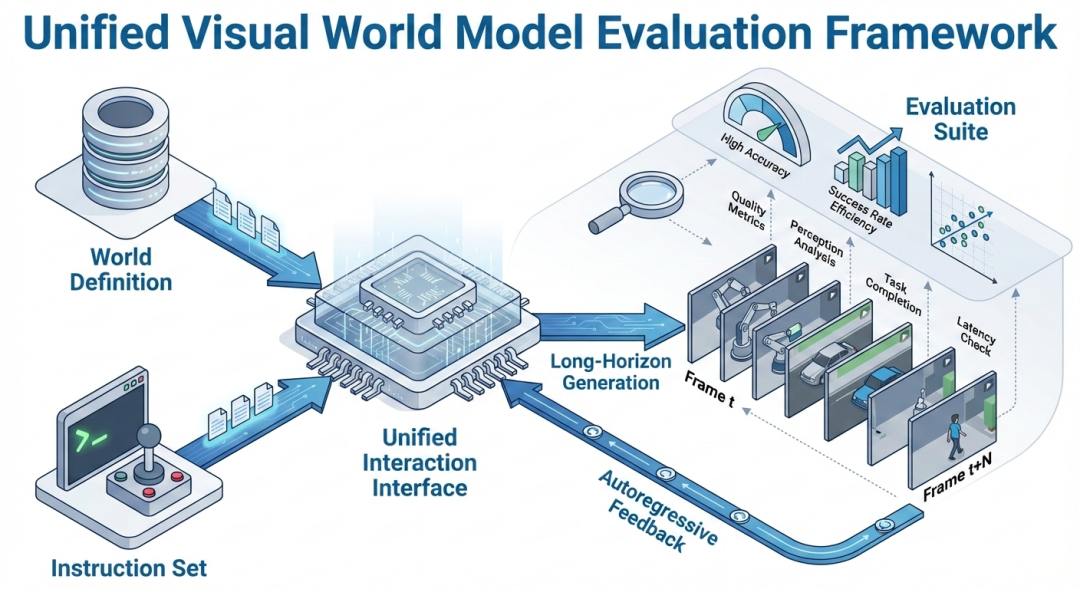
The Meituan LongCat team has announced the open-sourcing of WBench, a groundbreaking evaluation framework designed to measure the performance of interactive video world models. As the first systematic multi-round benchmark in this field, WBench serves as a diagnostic tool—likened to a 'CT scanner'—to identify the technical bottlenecks encountered when AI transitions from passive video generation to active, multi-turn interaction. By testing models across diverse scenarios ranging from lunar environments to futuristic urban settings, WBench aims to define the current boundaries of world models and provide a clear roadmap for future development in interactive artificial intelligence.

美团技术团队
Meituan LongCat Unveils General 365: A Rigorous New Benchmark for AI Reasoning Capabilities
Industry News

Meituan LongCat Unveils General 365: A Rigorous New Benchmark for AI Reasoning Capabilities

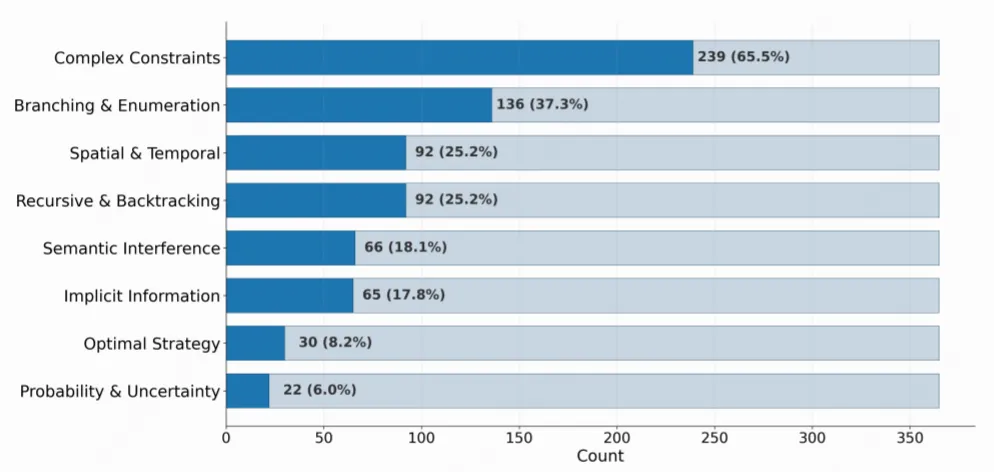
Meituan's LongCat team has officially launched General 365, a new evaluation benchmark designed to set a higher standard for measuring AI reasoning. In a comprehensive test involving 26 mainstream models, the benchmark revealed a significant performance gap in the current AI landscape. Even the industry-leading Gemini 3 Pro achieved only a 62.8% accuracy rate, while the vast majority of tested models failed to reach the 60% threshold. This release by Meituan's technical team highlights the ongoing challenges large language models face in achieving high-level reasoning accuracy and provides a new diagnostic tool for the industry to measure progress beyond simple linguistic fluency.

美团技术团队
Managing AI Coding with Agent Evaluation Strategies: A Practice of Refactoring 310,000 Lines of Code
Industry News

Managing AI Coding with Agent Evaluation Strategies: A Practice of Refactoring 310,000 Lines of Code

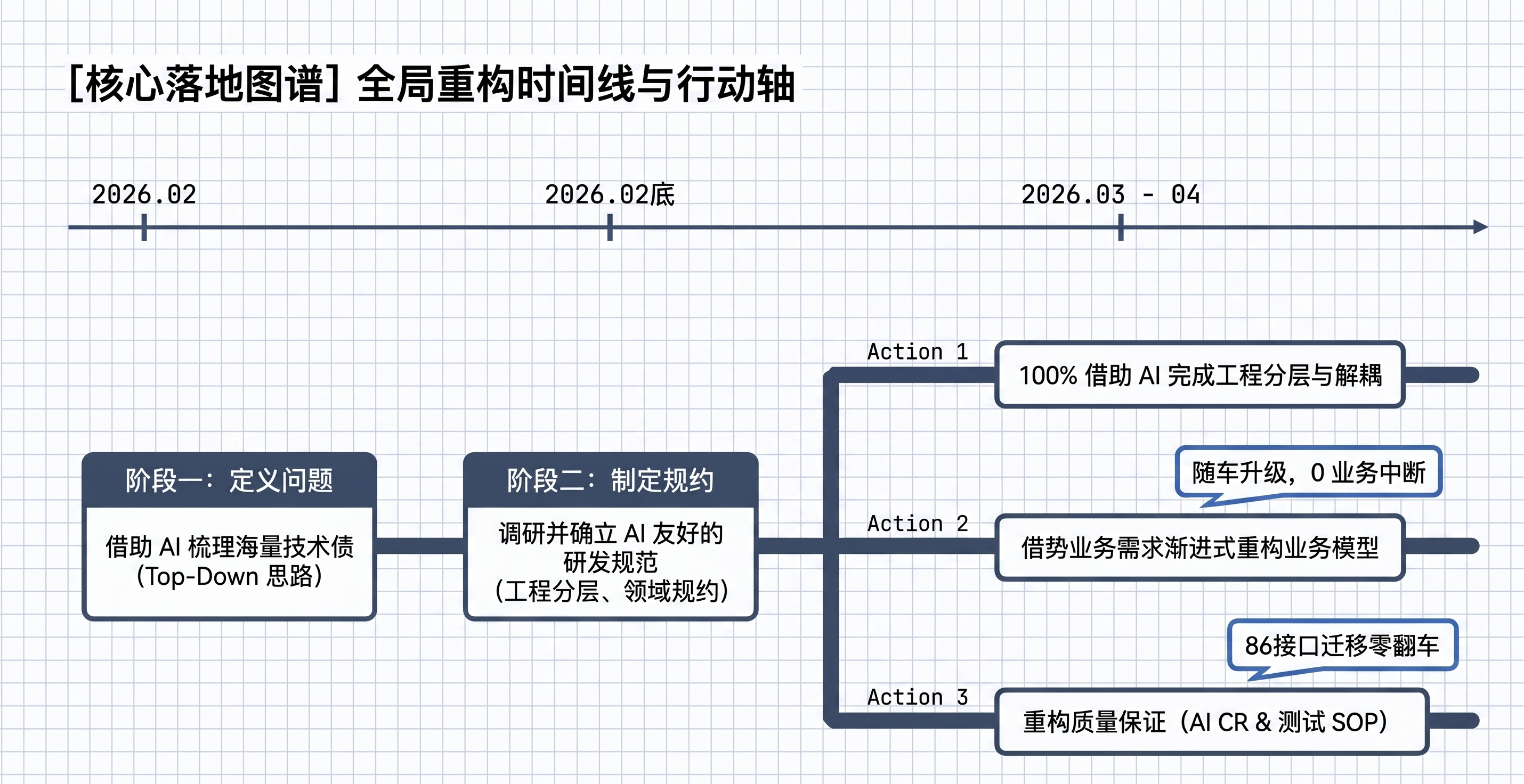
The Meituan technical team has shared a comprehensive approach to managing AI-driven development, based on a large-scale project involving the refactoring of 310,000 lines of code. As AI now generates over 90% of code in certain environments, the team argues that the critical factor for system stability is no longer the speed of generation, but the ability to effectively constrain AI capabilities. Without unified standards, AI-generated code can significantly amplify technical chaos. To address this, Meituan implemented an 'Agent evaluation' framework, which includes technical debt assessment, rule construction, standardized operating procedures (SOPs), and a Pre-PR mechanism. This strategy successfully transformed code refactoring from a high-cost, specialized effort into a continuous, daily activity integrated into the standard development lifecycle.

美团技术团队
Meituan Technical Team Unveils LARYBench: A New Systematic Benchmark for Latent Action Representation in Embodied AI
Research Breakthrough

Meituan Technical Team Unveils LARYBench: A New Systematic Benchmark for Latent Action Representation in Embodied AI

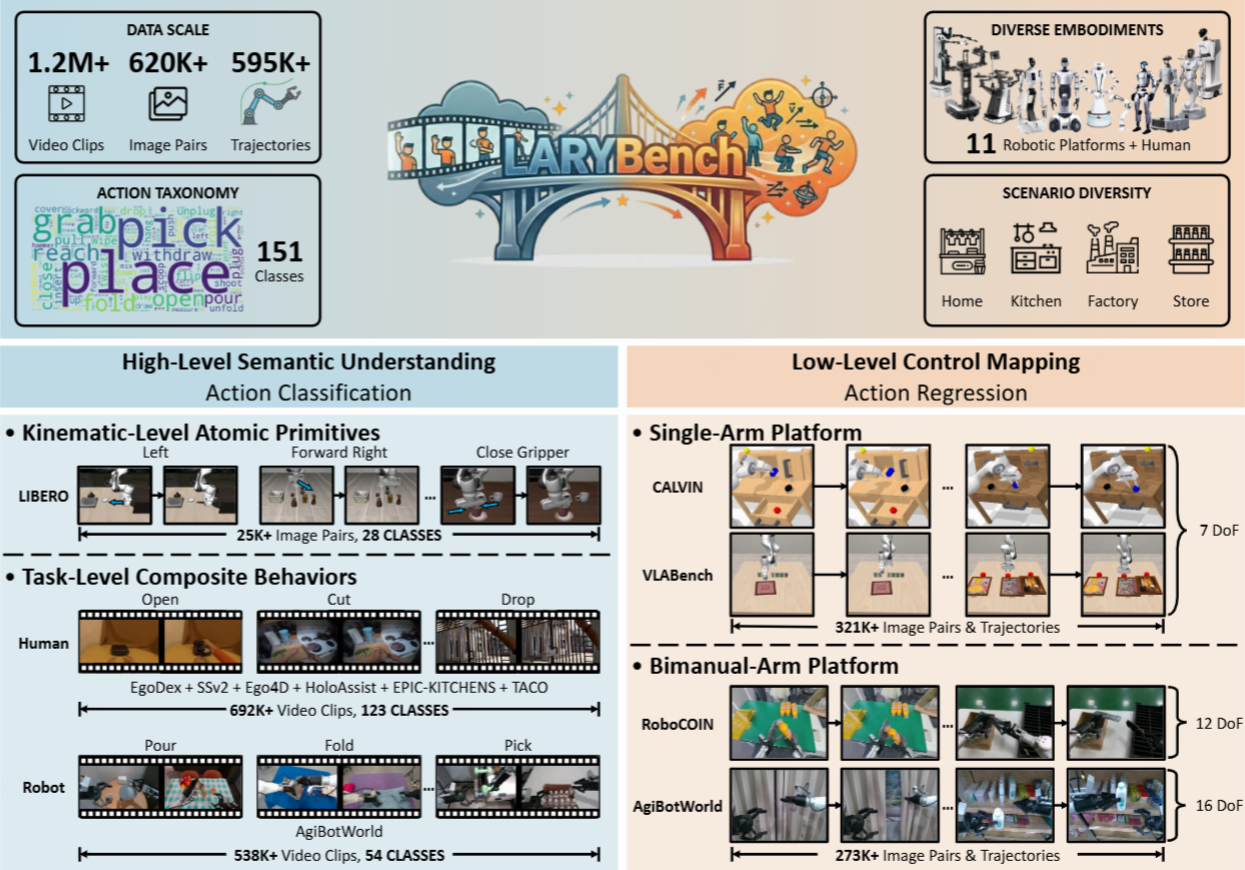
The Meituan Technical Team has introduced LARYBench (Latent Action Representation Yielding Benchmark), a comprehensive system designed to evaluate and guide the learning of general latent action representations from large-scale visual data. This benchmark marks a significant milestone in embodied AI by establishing a standardized metric, often compared to an "ImageNet" for action representation. The experimental findings released alongside the benchmark reveal that general-purpose vision models significantly outperform specialized embodied AI expert models in both action generalization and control precision. Most notably, the research confirms that embodied action representations can emerge naturally from large-scale human video data, suggesting that specialized robotic datasets may not be the only path toward achieving sophisticated robotic control.

美团技术团队
Meituan LongCat Team Unveils LongCat-AudioDiT: Revolutionizing Zero-Shot TTS Voice Cloning via Waveform Latent Space Diffusion
Research Breakthrough

Meituan LongCat Team Unveils LongCat-AudioDiT: Revolutionizing Zero-Shot TTS Voice Cloning via Waveform Latent Space Diffusion

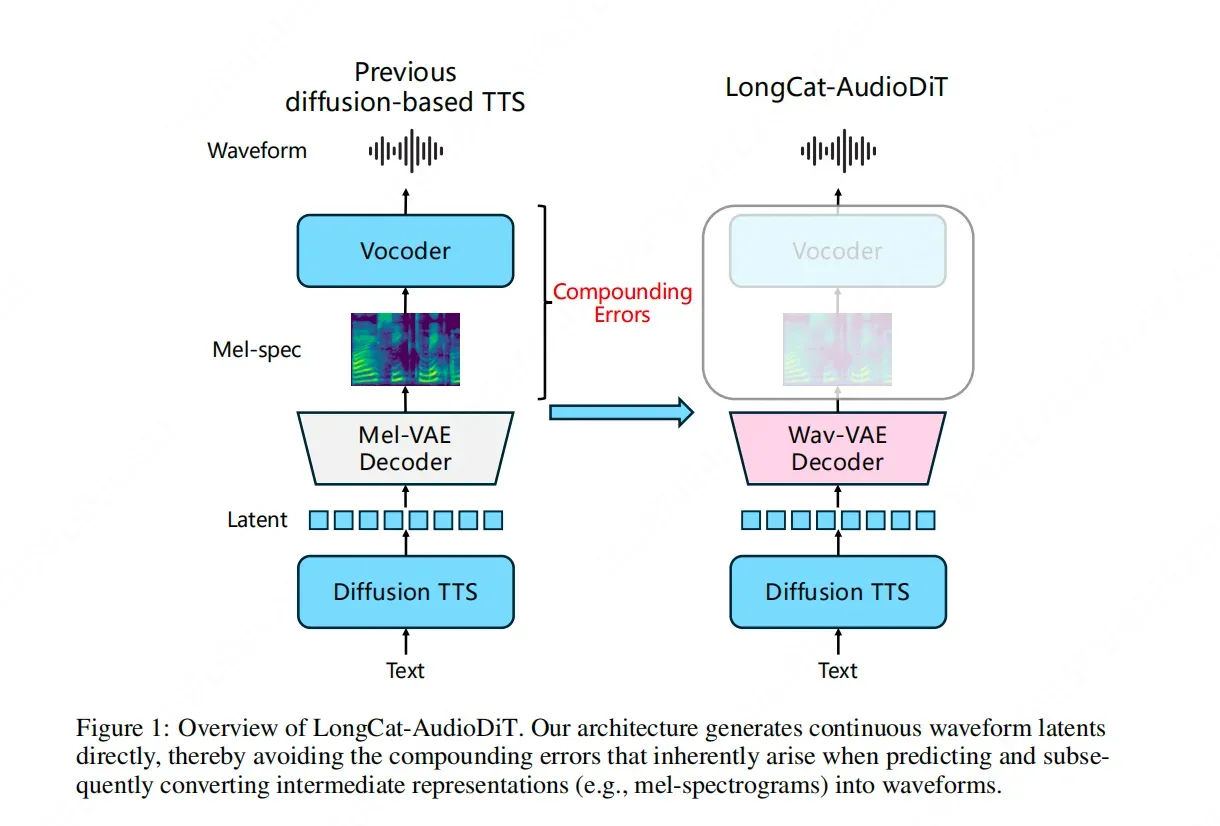
The Meituan LongCat team has officially introduced LongCat-AudioDiT, a pioneering model designed to push the boundaries of zero-shot Text-to-Speech (TTS) timbre cloning. By fundamentally changing the synthesis pipeline, the model abandons traditional intermediate representations such as Mel-spectrograms. Instead, LongCat-AudioDiT operates directly within the waveform latent space using a diffusion-based approach. This architectural shift is specifically engineered to eliminate the cascade errors typically associated with multi-stage data conversion processes. By allowing the AI to learn the inherent patterns of sound directly from the waveform, the model addresses long-standing technical bottlenecks in voice synthesis. This development represents a significant advancement for Meituan in achieving high-fidelity, seamless voice cloning, setting a new technical benchmark for the generative audio industry.

美团技术团队
Meituan Open-Sources LongCat-Next: A Native Multimodal Model for Physical World AI Integration
Open Source

Meituan Open-Sources LongCat-Next: A Native Multimodal Model for Physical World AI Integration

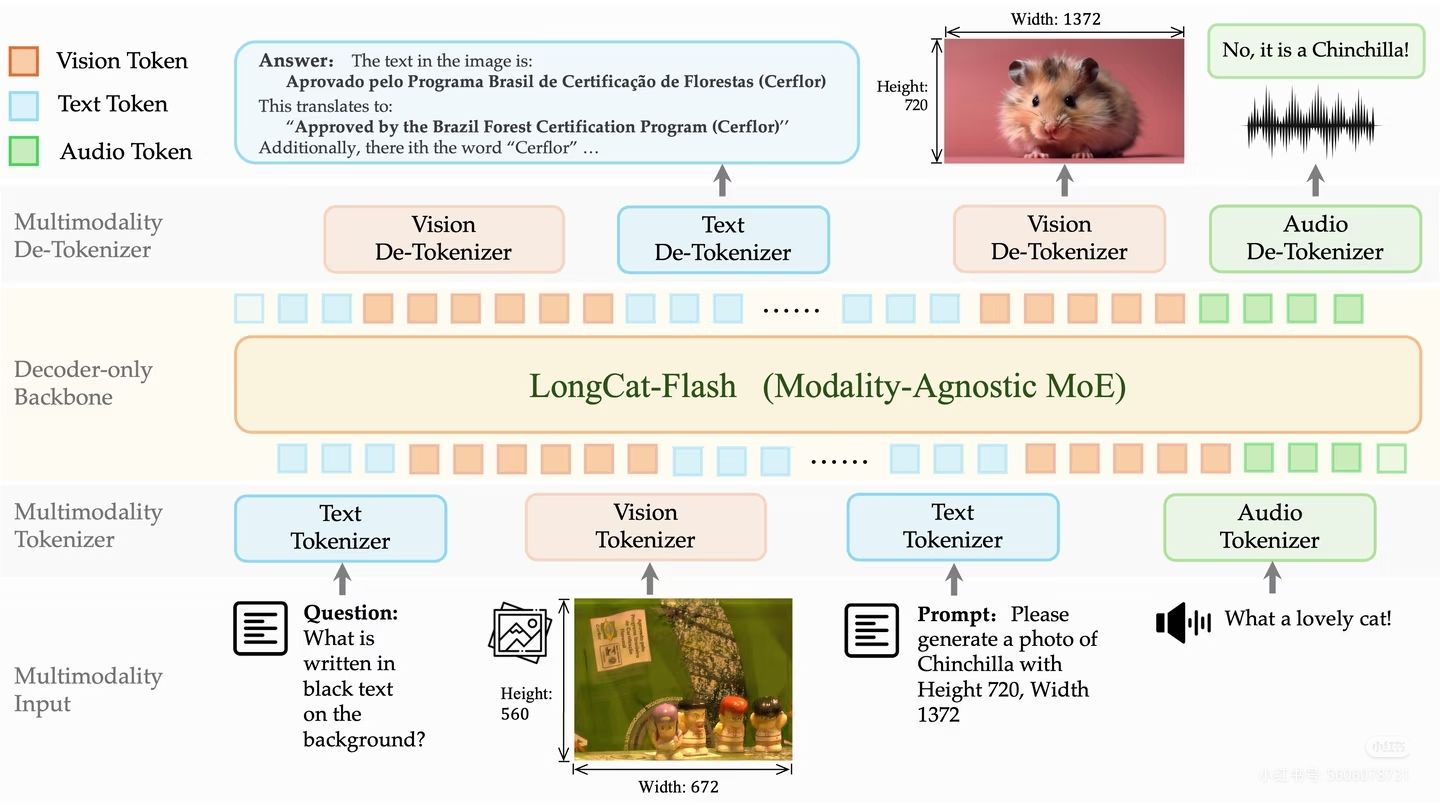
Meituan's technical team has officially announced the release and open-sourcing of LongCat-Next, a native multimodal model designed to advance AI's capabilities in the physical world. By integrating vision and speech as "native languages," the model aims to bridge the gap between digital processing and real-world interaction. Alongside the model, Meituan has open-sourced its discrete tokenizer, providing the developer community with the core components of their research. This initiative is focused on enabling AI systems to perceive, understand, and act within physical environments. The move represents a significant step in Meituan's exploration of embodied AI, offering a foundation for developers to build more sophisticated, context-aware applications that can interact seamlessly with the tangible world.

美团技术团队
Meituan BI Architecture Evolution: Leveraging Metric Platforms and Enhanced Computing for Data Consistency
Industry News

Meituan BI Architecture Evolution: Leveraging Metric Platforms and Enhanced Computing for Data Consistency

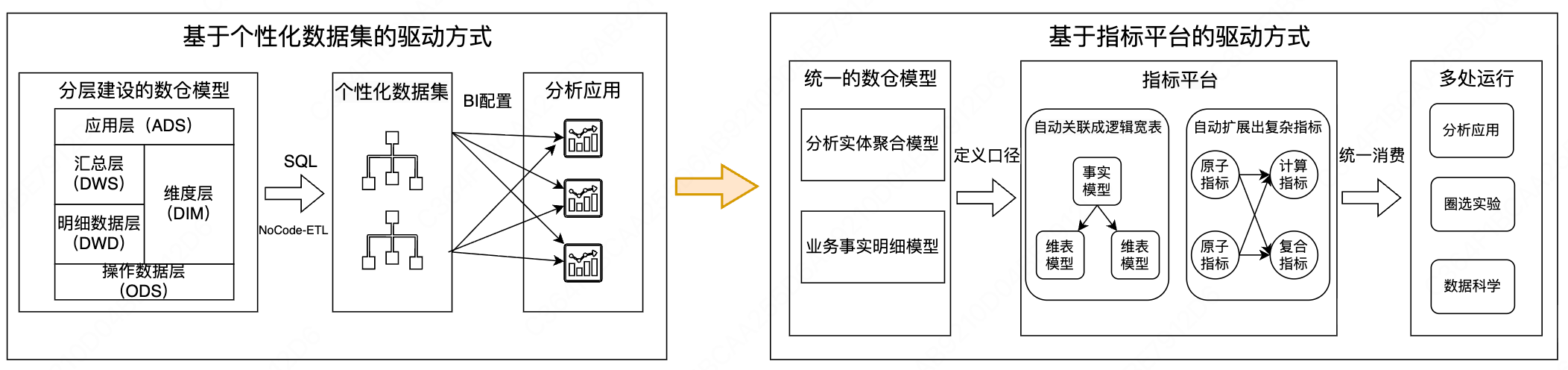
Meituan's data platform team has introduced a next-generation Business Intelligence (BI) architecture centered on a unified metric platform. By developing core capabilities in automatic semantics and enhanced computing, the team has addressed critical pain points in traditional BI systems, such as inconsistent data logic and slow query speeds. This shift from personalized dataset-driven models to a centralized metric-centric approach marks a significant advancement in Meituan's data processing efficiency and accuracy. The new architecture specifically targets the challenges of data definition confusion and performance bottlenecks, providing a more robust framework for enterprise-level data analysis and decision-making.

美团技术团队
Headroom: New Open-Source Tool Achieves Up to 95% Token Reduction for LLM Inputs
Open Source

Headroom: New Open-Source Tool Achieves Up to 95% Token Reduction for LLM Inputs

Headroom, a newly trending open-source project by developer chopratejas, offers a specialized solution for compressing data before it reaches Large Language Models (LLMs). By targeting tool outputs, logs, files, and RAG (Retrieval-Augmented Generation) chunks, the tool claims to reduce token consumption by 60% to 95% while delivering identical results. This significant reduction in token volume addresses two of the most critical challenges in AI development: high operational costs and context window limitations. Headroom is designed for high flexibility, providing developers with three distinct integration methods: a standard library, a proxy, and a Model Context Protocol (MCP) server. As AI agents and RAG systems become more complex, Headroom’s ability to streamline data input without losing informational integrity represents a vital advancement in efficient AI infrastructure management.

GitHub Trending
Palmier Pro: A New AI-Native Video Editing Solution Specifically Designed for macOS Users
Product Launch

Palmier Pro: A New AI-Native Video Editing Solution Specifically Designed for macOS Users

Palmier Pro has emerged as a specialized video editing application tailored for the macOS environment with a core focus on artificial intelligence integration. Developed by palmier-io and hosted on GitHub, the project positions itself as a tool built from the ground up for AI-driven workflows. While specific feature sets remain tied to its open-source repository development, its primary value proposition lies in its platform-specific optimization for Apple's hardware and its AI-centric architecture. This release marks a significant entry into the growing market of AI-enhanced creative tools, specifically targeting the macOS developer and creator community. By focusing exclusively on the macOS ecosystem, Palmier Pro aims to leverage the unique hardware capabilities of Apple devices to provide a more efficient and intelligent video editing experience.

GitHub Trending
World Monitor: An Integrated AI-Driven Dashboard for Real-Time Global Intelligence and Geopolitical Monitoring
Open Source

World Monitor: An Integrated AI-Driven Dashboard for Real-Time Global Intelligence and Geopolitical Monitoring

World Monitor, a project developed by koala73 and featured on GitHub, introduces a real-time global intelligence dashboard designed to provide a unified situational awareness interface. The platform distinguishes itself by integrating AI-driven news aggregation, geopolitical monitoring, and infrastructure tracking into a single, cohesive system. By leveraging AI to process and aggregate news, World Monitor offers a streamlined approach to observing global events and infrastructure status. This tool addresses the increasing need for centralized intelligence platforms that can handle diverse data streams, providing users with a comprehensive view of the global landscape in real-time. The project highlights a shift toward automated, multi-dimensional monitoring tools in the open-source community, focusing on the intersection of artificial intelligence and geopolitical data analysis.

GitHub Trending
Comprehensive Awesome Generative AI Guide Repository Emerges as a Central Hub for Research and Interview Resources
Open Source

Comprehensive Awesome Generative AI Guide Repository Emerges as a Central Hub for Research and Interview Resources

The newly highlighted GitHub repository, "awesome-generative-ai-guide," created by developer aishwaryanr, has surfaced as a significant centralized resource within the rapidly expanding Generative AI sector. Designed as a one-stop destination, the repository consolidates a wide array of materials including the latest research updates, comprehensive interview preparation resources, and practical technical notebooks. As the field of Generative AI undergoes exponential growth, this guide aims to serve as a critical update hub for researchers, practitioners, and job seekers alike. By organizing fragmented information into a structured format, the project addresses the industry's need for accessible, high-quality educational and professional content. The repository's emergence on GitHub Trending underscores the high demand for curated knowledge in an era where staying current with AI breakthroughs is increasingly challenging for professionals and enthusiasts.

GitHub Trending
Builder.io Unveils Agent-Native: A New Open-Source Framework Harmonizing Rich User Interfaces with Autonomous Agents
Open Source

Builder.io Unveils Agent-Native: A New Open-Source Framework Harmonizing Rich User Interfaces with Autonomous Agents

Builder.io has launched 'Agent-Native,' an innovative open-source framework designed to redefine how developers build agent-centric applications. The framework addresses a critical tension in modern software development: the perceived trade-off between providing a rich, interactive user interface (UI) and leveraging the power of autonomous agents. By offering a structured approach to building 'Agent-Native' applications, the framework ensures that developers no longer have to choose one over the other. Instead, it facilitates the creation of software where sophisticated UI and autonomous agent capabilities coexist as core components. This release, hosted on GitHub, marks a significant step toward standardizing the architecture of next-generation AI applications, emphasizing a seamless integration that enhances both user control and automated efficiency.

GitHub Trending
Codebase-Memory-MCP: Revolutionizing AI Code Intelligence with High-Performance Knowledge Graphs
Product Launch

Codebase-Memory-MCP: Revolutionizing AI Code Intelligence with High-Performance Knowledge Graphs

DeusData has launched codebase-memory-mcp, a high-performance Model Context Protocol (MCP) server designed to optimize how AI models interact with large-scale codebases. By indexing code into a persistent knowledge graph, the tool achieves millisecond-level indexing speeds and sub-millisecond query performance. Supporting an impressive 158 programming languages, it significantly enhances AI development workflows by reducing token consumption by up to 99%. Delivered as a single static binary with zero dependencies, codebase-memory-mcp offers a streamlined, efficient solution for developers looking to integrate deep code intelligence into their AI-driven environments without the overhead of complex configurations or high operational costs.

GitHub Trending
Google Research Introduces TimesFM: A Specialized Pretrained Foundation Model for Time-Series Forecasting
Research Breakthrough

Google Research Introduces TimesFM: A Specialized Pretrained Foundation Model for Time-Series Forecasting

Google Research has announced the development of TimesFM (Time-series Foundation Model), a specialized pretrained model designed to transform the landscape of time-series forecasting. As a foundation model, TimesFM leverages the power of large-scale pretraining to provide a robust and versatile framework for predicting temporal data patterns. Developed by the esteemed Google Research team, this model represents a significant evolution in applying foundation model architectures—traditionally associated with natural language processing—to the complex domain of time-series analysis. By focusing on the inherent capabilities of pretrained systems, TimesFM aims to streamline forecasting tasks, offering a scalable solution for researchers and industries that rely on accurate temporal predictions. This release highlights Google's ongoing commitment to advancing machine learning research and providing innovative tools for high-dimensional data analysis.

GitHub Trending
The Value of Human Effort: Why Readers Are Gravitating Toward Pre-2022 Books in the Age of AI
Industry News

The Value of Human Effort: Why Readers Are Gravitating Toward Pre-2022 Books in the Age of AI

A growing sentiment among readers suggests a subconscious preference for books published on or before 2022, driven by the perceived value of manual human labor. While Large Language Models (LLMs) have become essential tools for tasks like coding, their influence on the publishing industry has sparked a unique skepticism toward newer works, particularly from unknown authors. The core of this preference lies in the assurance that pre-2022 texts underwent a rigorous, manual process of typing, editing, and proofreading. This reflection highlights a tension between the efficiency of AI tools and the traditional weight given to human-crafted content. As society navigates this technological shift, the industry faces questions about how the 'effort' behind a creative work influences its perceived authority and value in a post-AI world.

Hacker News
In the Weights: Exploring the New AI-Centric Vanity Search and Personal Scoring System
Industry News

In the Weights: Exploring the New AI-Centric Vanity Search and Personal Scoring System

TechCrunch has introduced a novel concept in digital identity tracking with the emergence of "In the Weights," a platform described as an AI-centric vanity search. Unlike traditional search engines that index web pages, this tool focuses on the specific context of artificial intelligence. The core of the user experience revolves around the "In the Weights score," a metric designed to quantify an individual's presence or influence within the framework of AI models. Authored by Anthony Ha, the announcement highlights a shift in how digital footprints are monitored, moving from standard search results to AI-integrated data. This development suggests a new era of personal branding where being "in the weights" of a model becomes a significant marker of digital relevance.

TechCrunch AI
The Atlantic Launches Searchable Database of Music Datasets Used for AI Training Models
Industry News

The Atlantic Launches Searchable Database of Music Datasets Used for AI Training Models

The Atlantic reporter Alex Reisner has uncovered and published a searchable database containing four major music datasets used to train artificial intelligence models. This initiative provides the public with a tool to identify the specific audio content utilized by AI developers. Among the findings are two massive datasets containing 12 million and 9 million tracks respectively, alongside two smaller but significant collections. By making these records accessible, the project offers unprecedented transparency into the scale and composition of data powering generative AI in the music industry. This development allows artists and the general public to investigate the underlying sources of AI training data that were previously difficult to access or analyze in a structured format.

The Verge
Nobel Laureate John Jumper Departs Google DeepMind to Join Rival AI Firm Anthropic
Industry News

Nobel Laureate John Jumper Departs Google DeepMind to Join Rival AI Firm Anthropic

In a significant shift within the artificial intelligence sector, Nobel laureate John Jumper is leaving Google DeepMind to join its competitor, Anthropic. The news, reported on June 20, 2026, highlights a major transition of top-tier scientific talent between two of the industry's most prominent organizations. Jumper, recognized globally for his Nobel-winning contributions, represents a high-profile acquisition for Anthropic as it continues to compete with Google's AI division. Notably, the report indicates that Jumper is not the only high-level figure currently exiting Google DeepMind, suggesting a broader trend of talent migration within the field. This move underscores the intensifying rivalry and the high stakes involved in securing the world's leading AI researchers.

TechCrunch AI