AI News on June 20, 2026

Meituan LongCat Team Launches WBench: The First Systematic Multi-Round Evaluation Benchmark for Interactive Video World Models
Research Breakthrough

Meituan LongCat Team Launches WBench: The First Systematic Multi-Round Evaluation Benchmark for Interactive Video World Models

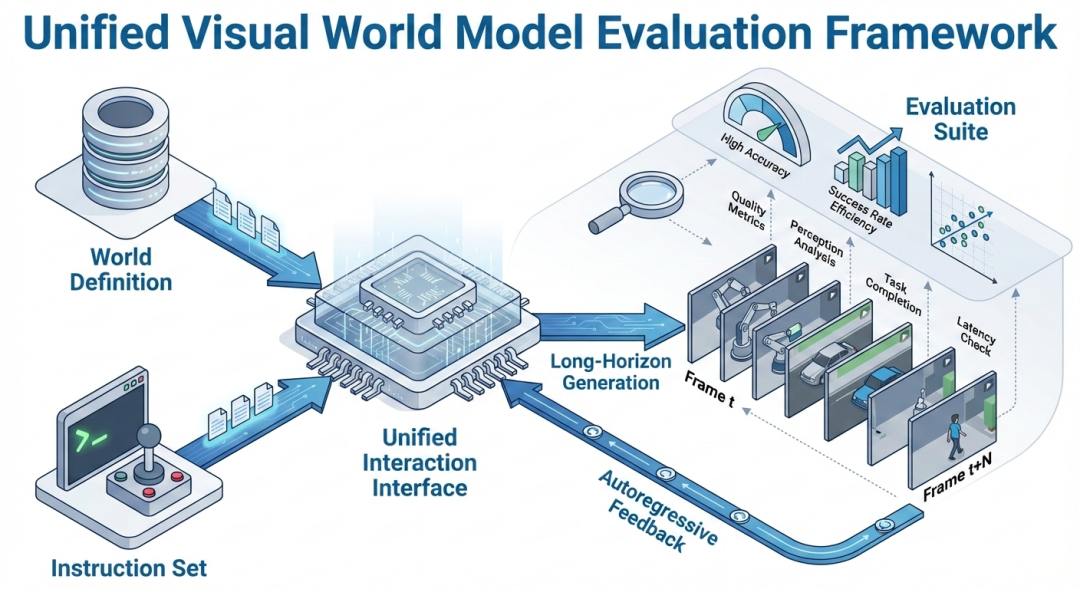
The Meituan LongCat team has officially introduced and open-sourced WBench, a groundbreaking evaluation benchmark designed to assess interactive video world models. Positioned as the industry's first systematic multi-round evaluation tool, WBench functions similarly to a "CT scanner," providing a deep diagnostic look into the capabilities of AI models. It specifically targets the transition from "passive viewing" to "active interaction," identifying the precise technical bottlenecks that prevent world models from achieving seamless interactivity. By offering a structured framework for multi-round testing, WBench allows researchers to pinpoint exactly where a model fails to maintain consistency or logic during interactive sequences. This open-source contribution marks a significant milestone in the quest to build more robust and responsive digital environments, shifting the focus from static video generation to dynamic, interactive world simulation.
美团技术团队
Meituan Unveils AI Breakthroughs at ACL 2026: Advancing Evaluation, Reasoning, and Generative Paradigms
Industry News

Meituan Unveils AI Breakthroughs at ACL 2026: Advancing Evaluation, Reasoning, and Generative Paradigms

Meituan's technical team has achieved a significant milestone at ACL 2026, the premier international conference for computational linguistics and natural language processing. With six papers accepted, Meituan's research spans a wide array of cutting-edge AI domains, including large-scale model evaluation, complex process reasoning, and competition-level mathematical thinking optimization. The research also delves into reinforcement learning and generative recommendation systems. These contributions are centered on establishing a new paradigm for generative AI, aiming to enhance the intelligence, reliability, and practical utility of large language models. By addressing both theoretical challenges and optimization strategies, Meituan continues to push the boundaries of how AI systems reason and interact within complex environments.

美团技术团队
Meituan Open Sources LongCat-Video-Avatar 1.5: A Commercial-Grade Leap for Digital Human Video Generation
Open Source

Meituan Open Sources LongCat-Video-Avatar 1.5: A Commercial-Grade Leap for Digital Human Video Generation

Meituan's technical team has officially released LongCat-Video-Avatar 1.5, an open-source digital human video model designed to bridge the gap between experimental research and commercial application. This major update introduces significant advancements in lip-sync precision, physical rationality, and long-video stability. Unlike previous iterations that focused primarily on high-fidelity benchmarks, version 1.5 emphasizes real-world usability, including multi-person interaction capabilities and optimized inference efficiency. By enabling stable and natural content generation in complex commercial scenarios, Meituan aims to transition digital human technology from controlled laboratory environments to diverse, large-scale production stages. The model's release marks a shift toward "thousand people, thousand faces" personalization in the digital avatar industry.

美团技术团队
Meituan LongCat Team Unveils General 365: A Rigorous New Benchmark for Evaluating AI Reasoning Capabilities
Industry News

Meituan LongCat Team Unveils General 365: A Rigorous New Benchmark for Evaluating AI Reasoning Capabilities

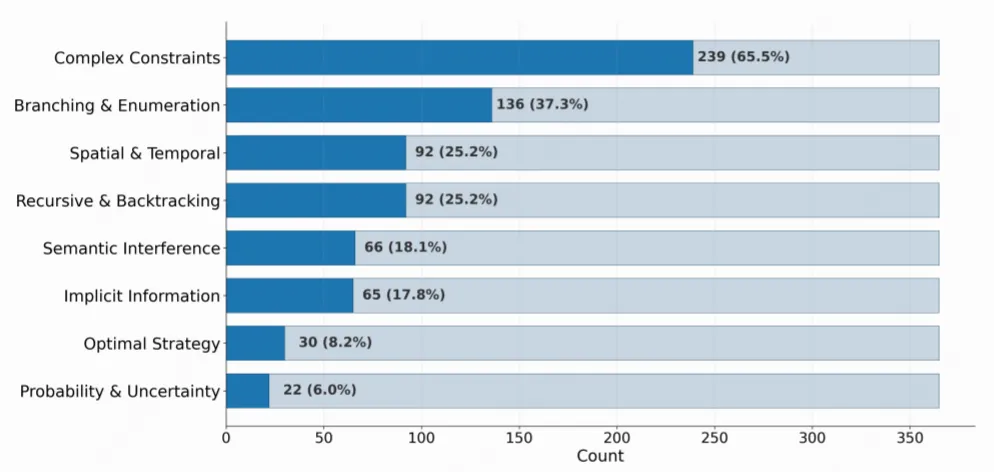
The Meituan LongCat team has officially released General 365, a new evaluation benchmark designed to test the reasoning limits of large language models. In an initial assessment of 26 mainstream models, the benchmark revealed a significant performance gap in the industry. Gemini 3 Pro, currently regarded as the most powerful model, achieved an accuracy rate of only 62.8%. Most other models failed to reach the 60% passing threshold, highlighting the intense difficulty of the General 365 evaluation. This release by Meituan aims to establish a more demanding standard for reasoning, pushing the AI industry to move beyond general knowledge toward more complex cognitive processing and problem-solving capabilities.

美团技术团队
Managing AI Coding Through Agent Evaluation: A Case Study of Refactoring 310,000 Lines of Code
Industry News

Managing AI Coding Through Agent Evaluation: A Case Study of Refactoring 310,000 Lines of Code

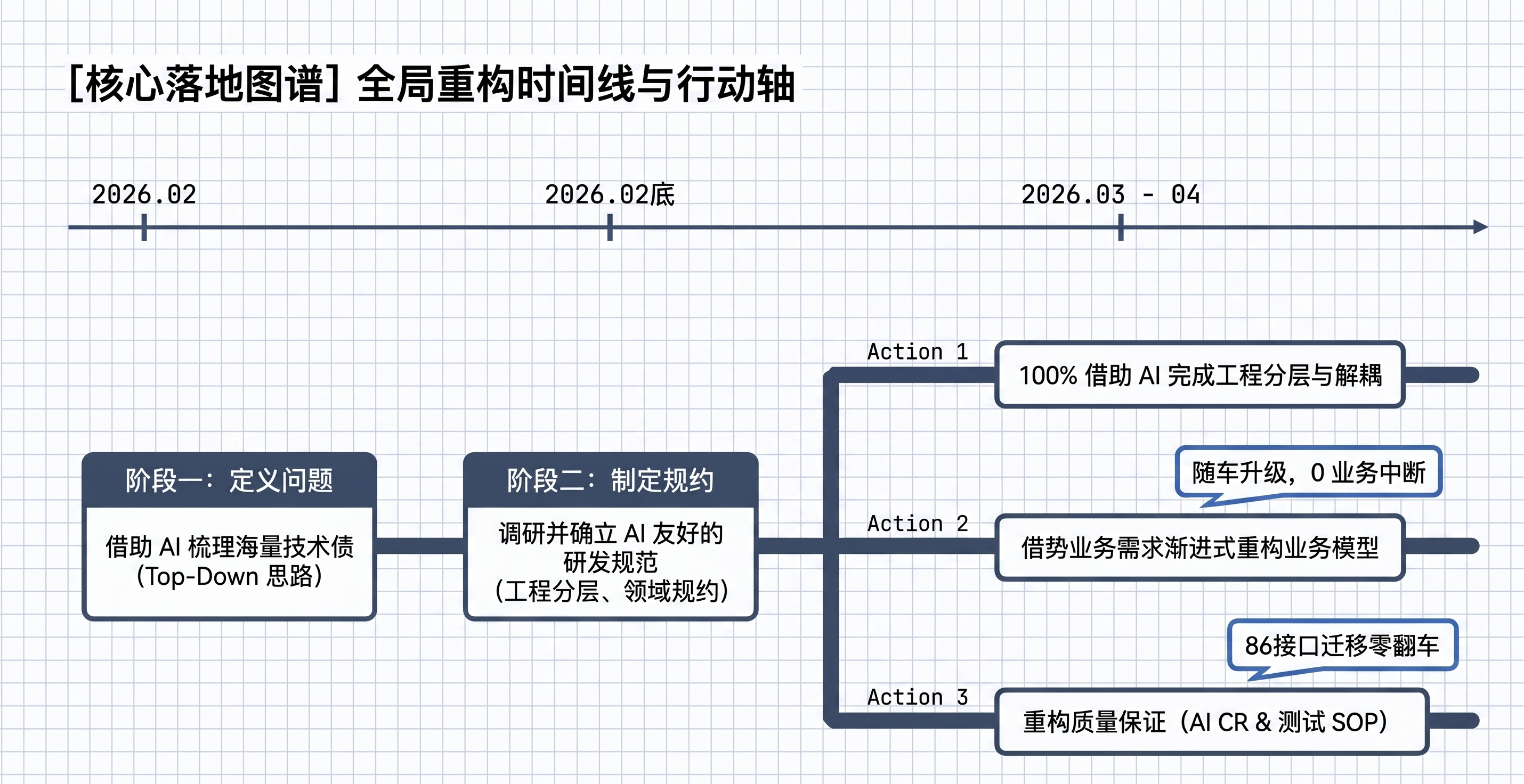
The Meituan technical team has introduced a groundbreaking approach to managing AI-driven development, centered on the refactoring of 310,000 lines of code. As AI now generates over 90% of code in certain environments, the team argues that the primary challenge is no longer the speed of generation but the constraints placed upon the AI to prevent systemic chaos. By adopting 'Agent evaluation thinking,' Meituan has implemented a structured framework involving technical debt sorting, rule construction, a standardized refactoring SOP, and a Pre-PR mechanism. This strategy successfully transforms high-cost, specialized refactoring projects into sustainable, daily iterative actions, ensuring that AI-generated code remains organized, maintainable, and aligned with technical standards.

美团技术团队
LARYBench Released: Defining the ImageNet for Embodied Action Representation and Measuring Generalization from Human Videos
Research Breakthrough

LARYBench Released: Defining the ImageNet for Embodied Action Representation and Measuring Generalization from Human Videos

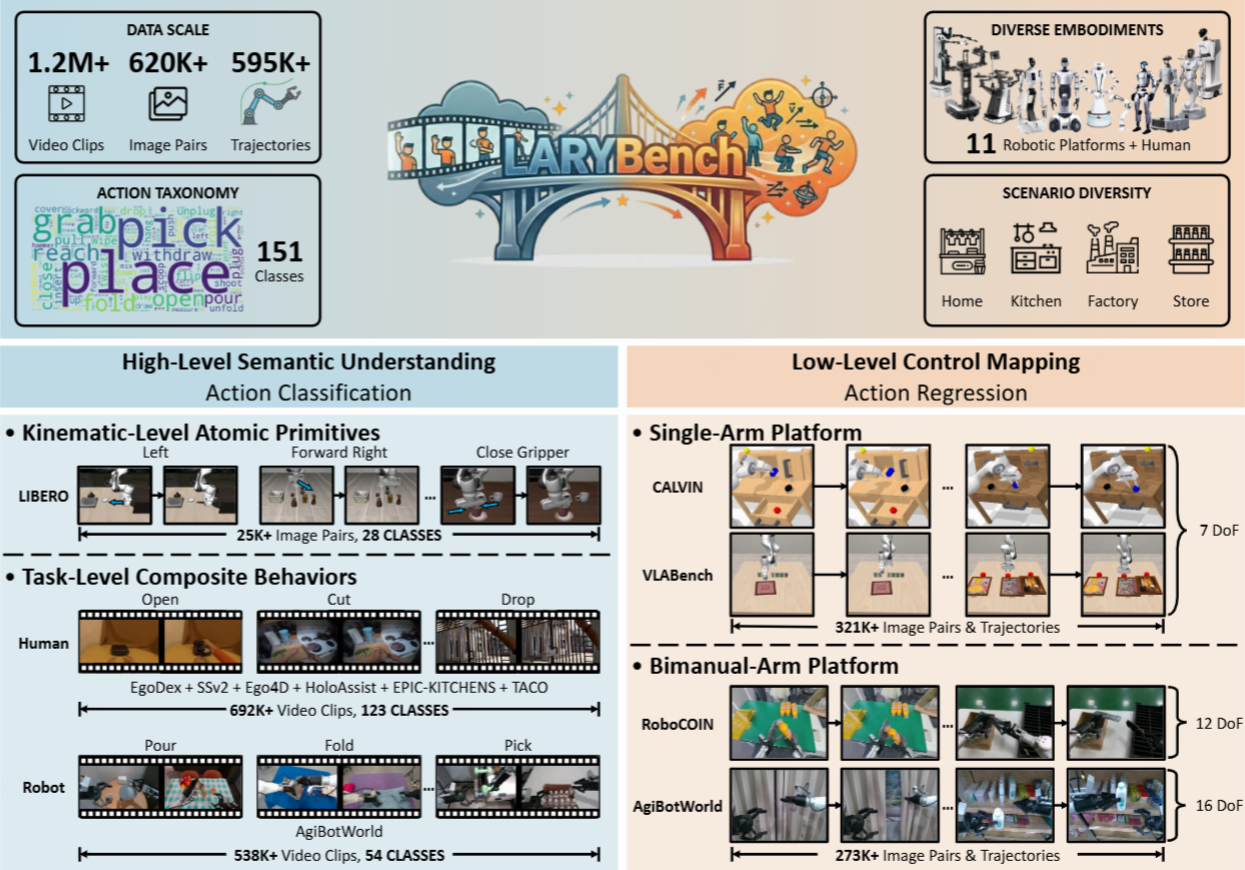
The Meituan Technical Team has officially introduced LARYBench (Latent Action Representation Yielding Benchmark), a systematic evaluation framework designed to guide the learning of general latent action representations from large-scale visual data. Positioned as the 'ImageNet' for the embodied AI sector, LARYBench provides a standardized metric for assessing how well models can translate visual information into actionable robotic control. Experimental data revealed a significant shift in the field: general-purpose vision models consistently outperformed specialized embodied AI expert models in both action generalization and control precision. Most notably, the research confirms that sophisticated embodied action representations can emerge naturally from training on large-scale human video datasets, offering a scalable path forward for robotic intelligence.

美团技术团队
Meituan LongCat Team Unveils LongCat-AudioDiT: Advancing Zero-Shot TTS Voice Cloning via Waveform Latent Space Diffusion
Research Breakthrough

Meituan LongCat Team Unveils LongCat-AudioDiT: Advancing Zero-Shot TTS Voice Cloning via Waveform Latent Space Diffusion

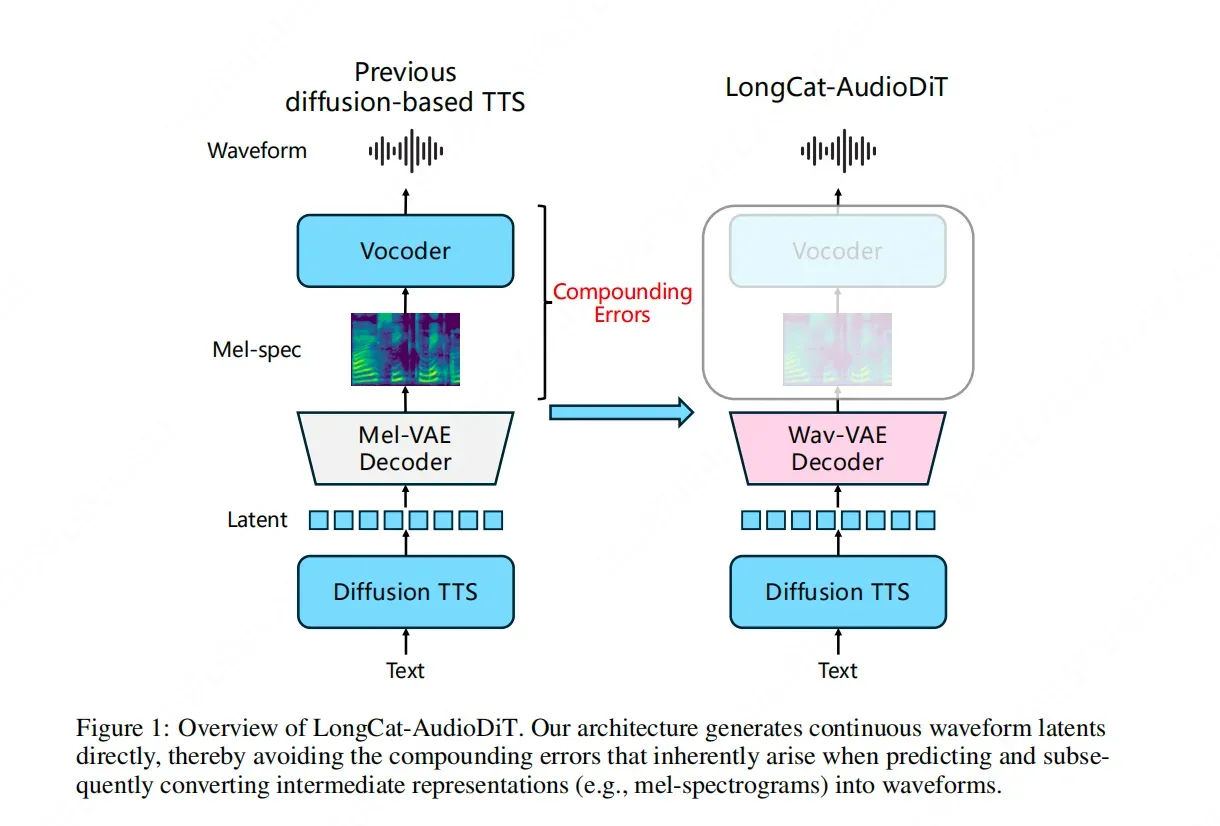
Meituan's LongCat team has officially released LongCat-AudioDiT, a sophisticated model designed to push the boundaries of zero-shot Text-to-Speech (TTS) voice cloning. By fundamentally rethinking the architecture of audio synthesis, the team has abandoned traditional intermediate representations like Mel-spectrograms. Instead, LongCat-AudioDiT operates directly within the waveform latent space using a diffusion-based model. This approach is specifically engineered to eliminate the cascade errors that typically arise during multi-stage data conversion processes. By allowing the AI to learn the inherent patterns and laws of sound directly, the model aims to overcome existing technical bottlenecks in voice cloning, offering a more streamlined and high-fidelity solution for generating realistic synthetic speech from minimal data samples.

美团技术团队
LongCat-Flash-Prover: Advancing AI from Answer Guessing to Rigorous Mathematical Theorem Proving
Open Source

LongCat-Flash-Prover: Advancing AI from Answer Guessing to Rigorous Mathematical Theorem Proving

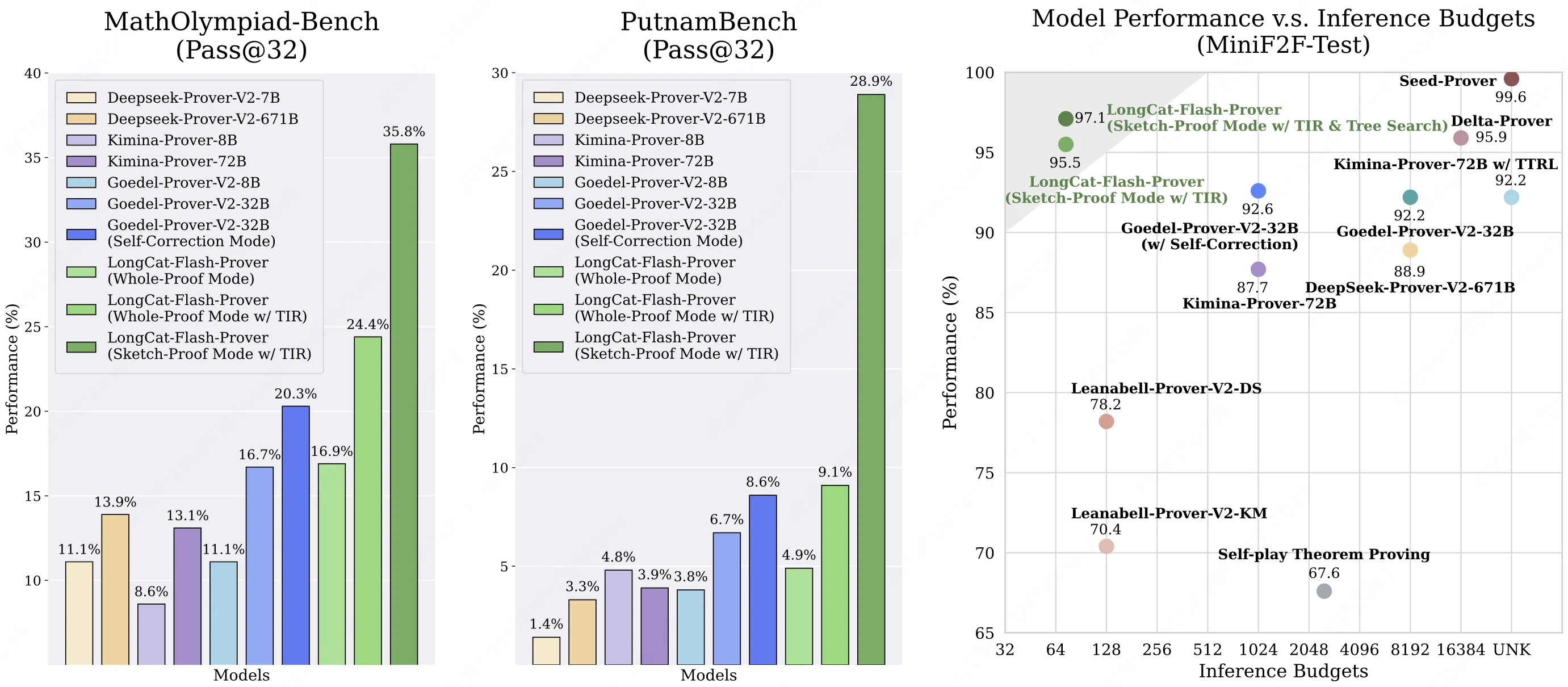
The Meituan Technical Team has officially released LongCat-Flash-Prover, an open-source model specifically engineered for mathematical formalization and theorem proving. While traditional AI models often focus on reaching a correct final numerical answer, LongCat-Flash-Prover addresses the more complex challenge of maintaining strict logical chains. The model aims to solve the problem of natural language ambiguity, which can frequently lead to the failure of mathematical proofs. By focusing on formalization, the project seeks to transition AI capabilities from heuristic-based "guessing" to verifiable, rigorous demonstration. This open-source contribution marks a significant step in the field of complex reasoning, providing a specialized tool for researchers and developers to tackle the stringent requirements of formal mathematical logic.

美团技术团队
Meituan Unveils LongCat-Next: Open-Sourcing Native Multimodal AI for Vision and Speech Integration
Open Source

Meituan Unveils LongCat-Next: Open-Sourcing Native Multimodal AI for Vision and Speech Integration

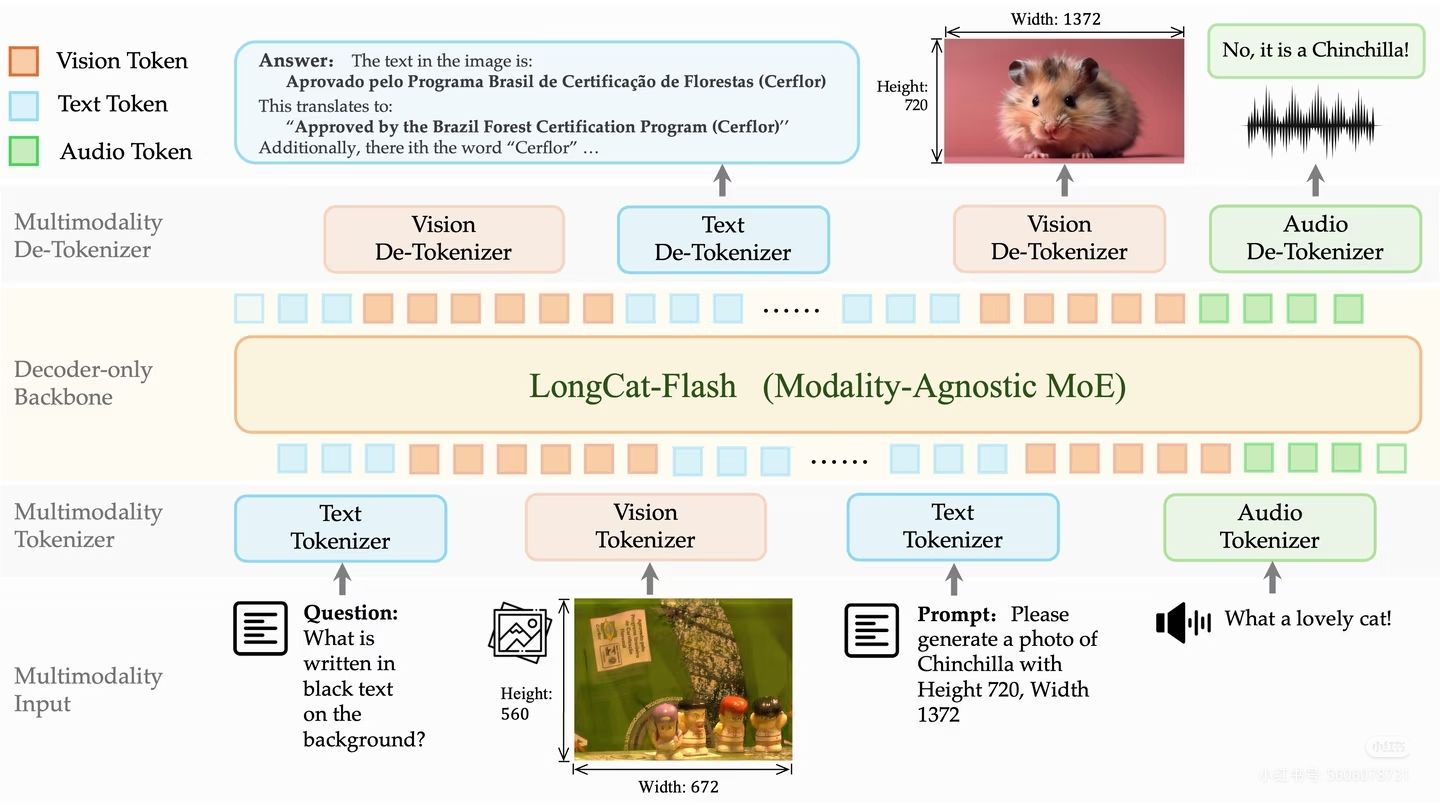
Meituan's technical team has officially announced the release and open-sourcing of LongCat-Next, a groundbreaking native multimodal model. Designed to treat vision and speech as fundamental "native languages," LongCat-Next represents a significant step in Meituan's journey toward creating AI that can interact with the physical world. By open-sourcing both the core model and its specialized discrete tokenizer, Meituan aims to empower the global developer community to build AI systems capable of perceiving, understanding, and acting within real-world environments. This initiative highlights a strategic shift toward embodied AI, where multimodal perception is integrated directly into the model's core architecture rather than being treated as an external add-on.

美团技术团队
Meituan Technical Team Explores New Generation BI Architecture via Metric Platforms and Enhanced Computing Engines
Industry News

Meituan Technical Team Explores New Generation BI Architecture via Metric Platforms and Enhanced Computing Engines

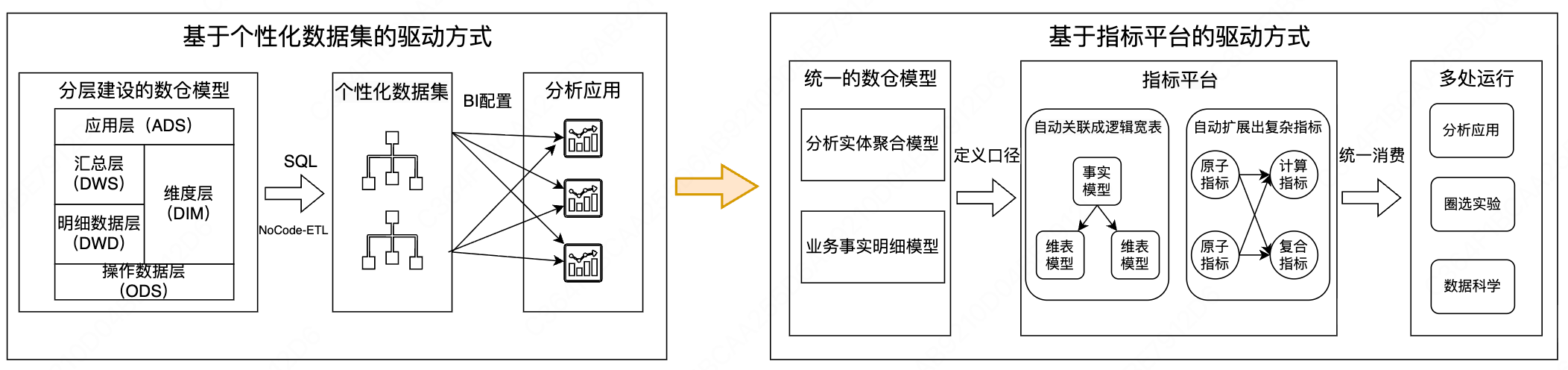
Meituan's data platform team has unveiled a transformative approach to Business Intelligence (BI) by constructing a new generation architecture centered on a unified Metric Platform. This initiative specifically targets the systemic failures of traditional BI frameworks, which often suffer from inconsistent data definitions—referred to as data caliber confusion—and degraded query performance when handling diverse, personalized datasets. By implementing two core technical pillars, "Automatic Semantics" and "Enhanced Computing," Meituan has successfully streamlined its data operations. This shift ensures that business logic is centralized and computational efficiency is maximized, providing a robust foundation for high-concurrency and high-precision data analysis across the organization's expansive ecosystem.

美团技术团队
High-Performance Codebase Memory MCP: Revolutionizing Code Intelligence with Persistent Knowledge Graphs and 99% Token Reduction
Open Source

High-Performance Codebase Memory MCP: Revolutionizing Code Intelligence with Persistent Knowledge Graphs and 99% Token Reduction

DeusData has unveiled 'codebase-memory-mcp,' a high-performance Model Context Protocol (MCP) server designed to transform codebases into persistent knowledge graphs. This innovative tool addresses the efficiency challenges of AI-driven development by offering millisecond-level indexing and sub-millisecond query speeds. By structuring code as a graph, it claims to reduce token consumption by a staggering 99%, significantly lowering the cost and context window requirements for Large Language Models (LLMs). Supporting 158 programming languages and delivered as a single, zero-dependency static binary, codebase-memory-mcp provides a lightweight yet powerful solution for developers seeking to integrate deep code intelligence into their AI workflows without the overhead of complex infrastructure.

GitHub Trending
Superpowers: A Proven Framework and Methodology for Enhancing AI Programming Agent Capabilities
Open Source

Superpowers: A Proven Framework and Methodology for Enhancing AI Programming Agent Capabilities

Superpowers, a new project by developer 'obra' featured on GitHub Trending, introduces a comprehensive software development methodology and skill framework specifically designed for programming agents. The framework is built upon a foundation of composable skills and initial instructions, providing a structured and effective approach to agent-led software engineering. By offering a proven methodology, Superpowers aims to streamline how AI agents interact with codebases and execute development tasks. This initiative reflects the growing need for standardized frameworks that allow autonomous agents to operate with greater precision and modularity in modern software development environments.

GitHub Trending
Hyper-Extract: Transforming Unstructured Text into Structured Knowledge via Large Language Models
Open Source

Hyper-Extract: Transforming Unstructured Text into Structured Knowledge via Large Language Models

Hyper-Extract is an innovative open-source tool designed to bridge the gap between raw, unstructured text and organized, structured knowledge. Developed by yifanfeng97 and featured on GitHub Trending, the project leverages the power of Large Language Models (LLMs) to automate the extraction of complex data structures. With a focus on efficiency, Hyper-Extract allows users to generate graphs, hypergraphs, and spatio-temporal data from text using a single command. This tool addresses a critical challenge in the AI field: converting the vast amount of human-readable information into machine-usable formats, specifically targeting advanced relational structures that go beyond simple entity extraction.

GitHub Trending
GLM-5 Series Unveiled: Transitioning from Vibe Coding to Advanced Agent Engineering in AI Development
Open Source

GLM-5 Series Unveiled: Transitioning from Vibe Coding to Advanced Agent Engineering in AI Development

The GLM-5 project, recently surfacing via the zai-org repository on GitHub, introduces a significant conceptual shift in the development of large language models. The project, which spans versions GLM-5, GLM-5.1, and GLM-5.2, explicitly highlights a transition from 'Vibe Coding' to 'Agent Engineering.' This move suggests a departure from intuitive, prompt-based interactions toward a more structured and rigorous engineering framework for building autonomous AI agents. As the industry moves toward agentic workflows, GLM-5 positions itself at the forefront of this evolution, emphasizing the systematic design of intelligent systems. The repository's focus on iterative updates from version 5 through 5.2 indicates a rapid development cycle aimed at refining how developers interact with and implement complex AI agents in real-world scenarios.

GitHub Trending
Alibaba Launches zvec: A Lightweight and Ultra-Fast In-Process Vector Database for High-Performance AI
Open Source

Alibaba Launches zvec: A Lightweight and Ultra-Fast In-Process Vector Database for High-Performance AI

Alibaba has officially released zvec, a specialized vector database engineered for speed and efficiency. Characterized as a lightweight and ultra-fast solution, zvec distinguishes itself by operating as an in-process database. This architectural choice allows it to reside within the same memory space as the application, significantly reducing the latency typically associated with external database communications. As AI applications increasingly rely on rapid vector similarity searches for tasks like Retrieval-Augmented Generation (RAG) and recommendation engines, zvec provides a streamlined alternative to heavier, standalone systems. Developed by Alibaba and hosted on GitHub, this tool represents a strategic move toward more integrated and resource-efficient AI infrastructure, catering to developers who prioritize performance and minimal overhead in their software stacks.

GitHub Trending
Google Research Introduces TimesFM: A New Pretrained Foundation Model for Time-Series Forecasting
Research Breakthrough

Google Research Introduces TimesFM: A New Pretrained Foundation Model for Time-Series Forecasting

Google Research has officially unveiled TimesFM (Time-series Foundation Model), a specialized pretrained model designed to advance the field of time-series forecasting. As a foundation model, TimesFM represents a significant shift in temporal data analysis, moving away from traditional, isolated models toward a generalized, pretrained architecture. Developed by the experts at Google Research, TimesFM is engineered to handle complex forecasting tasks by leveraging the power of large-scale pretraining. This release, hosted on GitHub, signals a new era in how researchers and developers approach time-dependent data, providing a foundational framework that can be applied across various forecasting scenarios. The project emphasizes the growing importance of foundation models in domains beyond natural language processing and computer vision.

GitHub Trending
Americans Express Growing Unease Over SpaceX IPO Impact on Retirement Savings and Market Stability
Industry News

Americans Express Growing Unease Over SpaceX IPO Impact on Retirement Savings and Market Stability

Following SpaceX's massive $1.77 trillion initial public offering on June 12, 2026, many Americans are voicing significant concerns regarding the company's influence on their retirement savings. With Elon Musk becoming the world's first trillionaire, the integration of SpaceX into major stock market indices means millions of 401(k) plans are now indirectly tied to the aerospace giant. Despite the AI-driven market boom, citizens surveyed by The Guardian describe the current investment landscape as a "giant casino," fearing that rule changes allowing for earlier index inclusion could lead to increased market instability and widened economic inequality. This shift highlights a growing tension between rapid technological advancement and the long-term financial security of the American workforce as retirement funds become increasingly concentrated in high-valuation tech firms.

Hacker News
The Failure of Cyber Export Controls: From Encryption and Spyware to Anthropic’s Mythos
Industry News

The Failure of Cyber Export Controls: From Encryption and Spyware to Anthropic’s Mythos

For over three decades, international efforts to restrict the movement and export of cybersecurity-related software have consistently failed to achieve their objectives. This historical pattern of ineffectiveness covers a wide range of technologies, most notably encryption and spyware. As Anthropic introduces its new cybersecurity model, Mythos, the industry faces a familiar regulatory challenge. Current analysis suggests that the frameworks intended to control the flow of such advanced AI models are likely to encounter the same obstacles that rendered previous attempts at cyber export control unsuccessful. With a thirty-year track record of failure, experts question the rationale behind the belief that modern restrictions will be any more effective for Mythos than they were for the cybersecurity tools of the past.

TechCrunch AI
Hyundai Acquires Full Control of Boston Dynamics as SoftBank Exits in $325 Million Stake Buyout
Industry News

Hyundai Acquires Full Control of Boston Dynamics as SoftBank Exits in $325 Million Stake Buyout

Hyundai Motor Group is set to finalize its acquisition of SoftBank's remaining 9.65% stake in Boston Dynamics for $325 million. This strategic move, expected to receive formal approval on June 22, 2026, transitions the Waltham-based robotics pioneer into a wholly owned subsidiary of Hyundai. The transaction follows a put option established during Hyundai's initial 2021 purchase and marks the end of SoftBank's involvement. The acquisition signals a pivot from experimental research to industrial application, highlighted by the recent public demonstration of the electric Atlas humanoid robot at CES 2026. Hyundai plans to deploy production versions of Atlas at its electric vehicle manufacturing facility in Georgia by 2028, focusing on rapid task adaptation and real-world factory utility.

Hacker News
Industry News

Norway Implements Near Ban on Artificial Intelligence in Elementary Schools

Norway has taken a significant step in educational policy by imposing a near-total ban on the use of artificial intelligence (AI) within elementary schools. This move, reported on June 19, 2026, represents a major shift in how digital tools are managed in early childhood education. The policy specifically targets the elementary school level, indicating a cautious approach toward the integration of generative and analytical AI tools for younger students. While the specific technical parameters of the 'near ban' are centered on the elementary demographic, the decision highlights growing concerns regarding the impact of AI on foundational learning processes and the digital well-being of children in the Nordic region.

Hacker News