Google Vids Introduces High-Quality AI Video Generation Powered by Lyria 3 and Veo 3.1 at No Cost
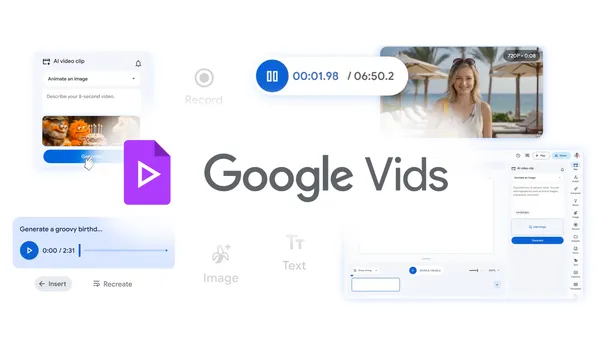
Google has announced significant updates to Google Vids, integrating advanced AI capabilities to enhance video creation, editing, and sharing. Powered by the latest Lyria 3 and Veo 3.1 models, these updates enable users to generate high-quality video content directly within the platform. A standout feature of this announcement is that these AI-driven video generation tools are being made available at no cost to users. This strategic move aims to streamline the creative workflow within Google Workspace, allowing for seamless collaboration and professional-grade output without additional financial barriers. The integration of Lyria and Veo models signifies a major step forward in making sophisticated AI video production accessible to a broader audience of creators and professionals.
Key Takeaways
- Advanced AI Integration: Google Vids is now powered by Lyria 3 and Veo 3.1 models for enhanced performance.
- High-Quality Generation: Users can now create high-quality videos using sophisticated AI tools.
- Zero Cost Access: The new AI video generation capabilities are being offered at no cost.
- Streamlined Workflow: The update focuses on the ability to create, edit, and share videos within a single ecosystem.
In-Depth Analysis
Integration of Lyria 3 and Veo 3.1
Google is significantly upgrading the technical foundation of Google Vids by incorporating Lyria 3 and Veo 3.1. These models represent the latest advancements in Google's AI research, specifically tailored for high-fidelity media generation. By leveraging these models, Google Vids transitions from a basic editing tool to a powerful generative platform capable of producing professional-grade visual content from user prompts and data.
Democratizing Video Production
A pivotal aspect of this update is the availability of these features at no cost. By removing the price barrier for high-quality video generation, Google is positioning Vids as a highly accessible tool for both individual creators and enterprise users. This move allows for the rapid creation, editing, and sharing of video content, effectively lowering the entry requirements for high-production-value storytelling within the Google Workspace environment.
Industry Impact
The introduction of free, high-quality AI video generation via Lyria 3 and Veo 3.1 is likely to disrupt the current landscape of creative software. By embedding these capabilities directly into Google Vids, Google is challenging existing video editing platforms that often require separate subscriptions or high processing fees for AI features. This integration reinforces the trend of "generative productivity," where AI does not just assist in small tasks but handles the core creative output, potentially setting a new standard for collaborative office suites and digital content creation tools.
Frequently Asked Questions
Question: What models are powering the new Google Vids features?
Google Vids is now powered by the Lyria 3 and Veo 3.1 AI models to facilitate high-quality video generation.
Question: Is there a fee to use the new AI video generation tools in Google Vids?
No, according to the announcement, these high-quality video generation capabilities are available at no cost.
Question: What are the primary functions of the updated Google Vids?
Users can use the platform to create, edit, and share high-quality videos using integrated AI capabilities.