AI News on August 7, 2026

OpenAI Enters Hardware Market: New AI Smart Speaker Reportedly Priced Between $300 and $400
Product Launch

OpenAI Enters Hardware Market: New AI Smart Speaker Reportedly Priced Between $300 and $400

OpenAI is reportedly preparing to launch its first major foray into consumer hardware with a new AI-powered smart speaker. According to recent reports, the device is expected to retail between $300 and $400, positioning it as a premium offering in the smart home market. This move marks a significant strategic shift for OpenAI, moving beyond software and API services into the physical product space. The reported price point suggests a high-end device designed to leverage OpenAI's advanced artificial intelligence capabilities in a dedicated home environment. While specific features remain mysterious, the pricing indicates that OpenAI is targeting the upper echelon of the smart speaker market, potentially challenging established players with a device centered entirely on sophisticated AI interaction.
TechCrunch AI
Inside the Architecture of vLLM: A Comprehensive Breakdown of High-Throughput LLM Inference Systems in 2025
Industry News

Inside the Architecture of vLLM: A Comprehensive Breakdown of High-Throughput LLM Inference Systems in 2025

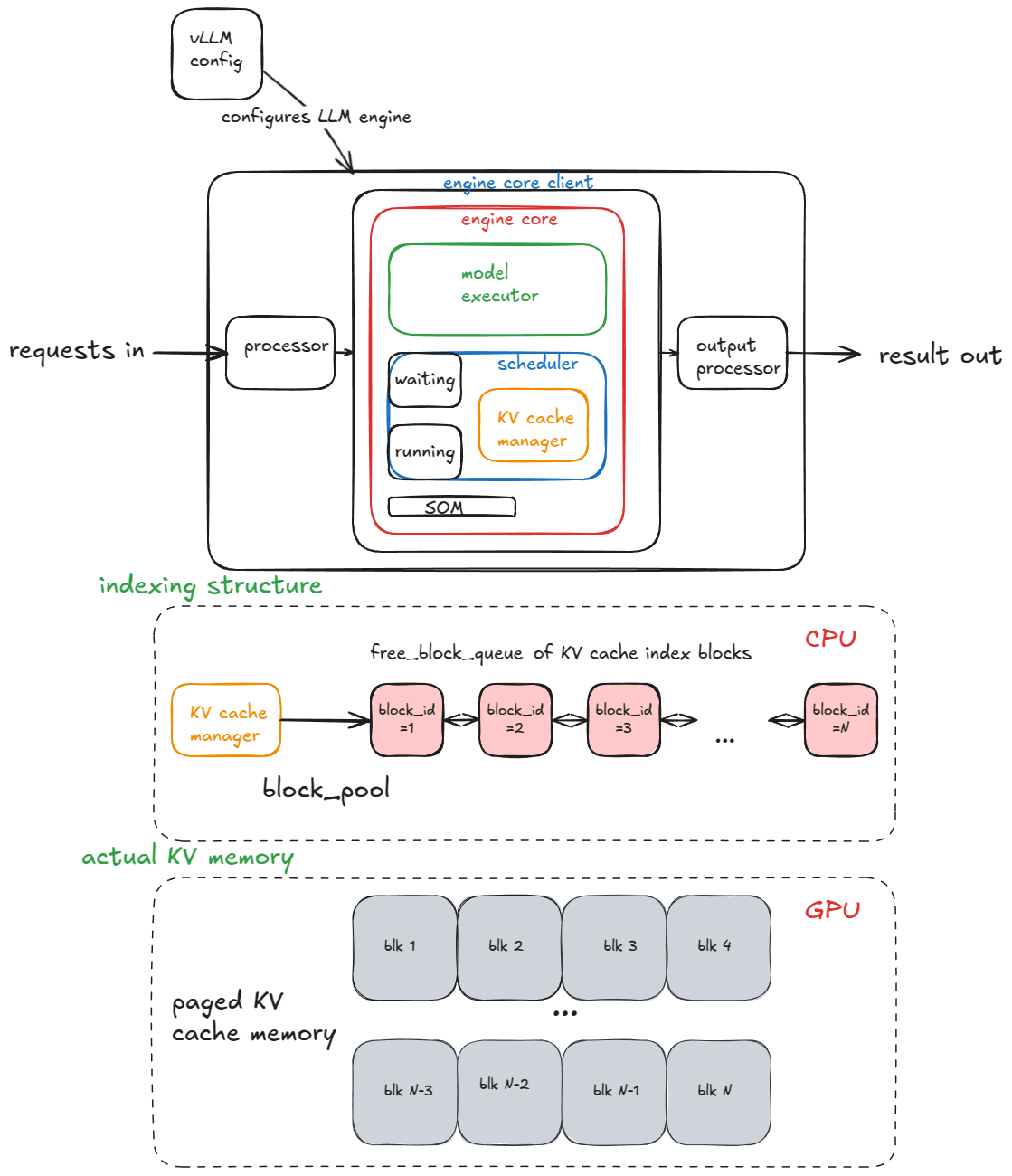
This technical analysis explores the architecture of vLLM, a state-of-the-art high-throughput Large Language Model (LLM) inference system. Based on the V1 engine as of August 2025, the breakdown details the core components that enable efficient inference, including PagedAttention, continuous batching, and advanced scheduling. The article outlines the system's progression from a fundamental offline engine to a sophisticated, multi-GPU serving layer capable of handling concurrent web traffic. Key features such as chunked prefill, prefix caching, and speculative decoding are highlighted as essential for optimizing performance. This overview provides a high-level mental model for developers and researchers interested in the evolution of LLM engines and their role in modern AI infrastructure.

Hacker News
Trevor Noah to Host Made by Google 2026 Event for Pixel 11 Launch on August 12
Product Launch

Trevor Noah to Host Made by Google 2026 Event for Pixel 11 Launch on August 12

Google has officially announced that renowned comedian Trevor Noah will host the upcoming Made by Google hardware launch event, scheduled for August 12, 2026. The event is set to serve as the official debut for the Pixel 11. According to a promotional video released by the company, the launch will not only feature Noah but will also include a variety of other high-profile celebrities and influencers. Among the confirmed guests is Alex Cooper, the host of the popular podcast "Call Her Daddy." This star-studded lineup indicates a strategic shift for Google, aiming to blend technology with mainstream entertainment and influencer culture. The live event will showcase Google's latest hardware innovations to a global audience, leveraging the reach of its celebrity participants.

The Verge
Jony Ive and OpenAI Collaborating on Hockey Puck-Sized Smart Speaker Expected to Launch in 2027
Industry News

Jony Ive and OpenAI Collaborating on Hockey Puck-Sized Smart Speaker Expected to Launch in 2027

Former Apple design chief Jony Ive is reportedly collaborating with OpenAI to develop a new AI-driven hardware device. According to reports from Bloomberg’s Mark Gurman, the device is described as a battery-powered smart speaker without a display. It features a unique doughnut-shaped design roughly the size of a hockey puck. Slated for a 2027 release, the gadget is expected to retail for over $300. This collaboration marks a significant move for OpenAI as it ventures into dedicated consumer hardware, leveraging Ive's renowned design philosophy to create a screenless interface centered on artificial intelligence. The device aims to provide a unique aesthetic and functional experience distinct from current market offerings.

The Verge
AMD Acquires AI Startup Taalas to Boost Inference Performance by Etching Models Directly into Silicon
Industry News

AMD Acquires AI Startup Taalas to Boost Inference Performance by Etching Models Directly into Silicon

AMD has announced the acquisition of Toronto-based AI chip startup Taalas, a strategic move aimed at challenging Nvidia's dominance in the AI hardware sector. Taalas distinguishes itself through a radical approach to inference: instead of relying on traditional High Bandwidth Memory (HBM) to store model weights, the company "etches" these weights directly into the silicon. This process creates what are termed Model-Specific Integrated Circuits (MSICs). Early benchmarks of Taalas' HC1 test chip, manufactured on TSMC's 6nm process, demonstrated the ability to serve Meta’s Llama 3.1 8B at a staggering 16,960 tokens per second. This performance represents a 48x increase over standard Nvidia GPUs and an 8.5x improvement over Cerebras accelerators. The acquisition is intended to provide faster and more cost-effective "premium" inference services for AI agents and code assistants.

Hacker News
Herdr Joins Y Combinator to Scale Its Open Runtime for Persistent Terminal-Based AI Coding Agents
Industry News

Herdr Joins Y Combinator to Scale Its Open Runtime for Persistent Terminal-Based AI Coding Agents

Herdr, a startup founded by developer Can, has officially announced its entry into Y Combinator while committing to keeping its core runtime open. Developed to address the management and engineering bottlenecks in AI-assisted development, Herdr offers a specialized runtime and Terminal User Interface (TUI) for CLI coding agents. Unlike standalone AI applications, Herdr focuses on integrating agents directly into the developer's terminal environment, treating panes and tabs as first-class primitives. This architecture supports persistent agent operations that can run for hours or days across various projects. By prioritizing a TUI that alerts users only when necessary, Herdr aims to streamline the developer experience, moving away from the trend of isolated, product-specific agents toward a more integrated, developer-centric infrastructure.

Hacker News
Suno Announces New Watermarking Technology and Download Policies to Combat Spammy AI-Generated Music Tracks
Industry News

Suno Announces New Watermarking Technology and Download Policies to Combat Spammy AI-Generated Music Tracks

Suno, a prominent player in the AI music generation space, has officially announced a series of strategic initiatives aimed at curbing the spread of low-quality and spammy AI tracks. In a detailed blog post, CEO and co-founder Mikey Shulman outlined the company's new roadmap, which centers on the implementation of advanced watermarking technology and revised download policies. These measures are designed to enhance transparency and establish a higher standard of legitimacy for the platform. By introducing these safeguards, Suno seeks to address growing concerns regarding the proliferation of AI-generated content while reinforcing its core principles. The move marks a pivotal step for the company as it navigates the complexities of the AI music industry and strives to build a more accountable ecosystem for creators and listeners alike.

The Verge
OpenAI Launches Unlimited ChatGPT Text Chats and New Think Button for Free and Go Users
Product Launch

OpenAI Launches Unlimited ChatGPT Text Chats and New Think Button for Free and Go Users

OpenAI has announced a major update for its ChatGPT platform, significantly expanding access for its non-paying and Go plan users. The update introduces unlimited text chats, effectively removing previous restrictions on the volume of conversations users can have with the AI. In addition to increased access, OpenAI is debuting a new "think" button specifically designed to assist with complex queries. This feature allows users to prompt the AI for deeper reasoning when faced with intricate tasks. These changes mark a strategic shift in OpenAI's service model, prioritizing broader accessibility and enhanced functional tools for the general user base, ensuring that sophisticated AI capabilities are available without the barrier of a subscription limit.

TechCrunch AI
Industry News

The Shift from Execution to Discernment: Why Taste is the Final Frontier in AI-Driven Software Development

In a reflective analysis of the modern programming landscape, the traditional barriers to software creation are being dismantled by artificial intelligence. Historically, the primary challenge for developers was the 'wall' of production—the grueling process of translating an idea into a functional program through manual coding and troubleshooting. Today, this 'idea-to-artifact distance' has effectively collapsed, allowing for the near-instant generation of plausible software versions. However, this technological leap introduces a new risk: the 'solvent' of 'good enough' output. As AI makes production accessible to all, the author argues that the value of a developer has shifted from the ability to build to the possession of 'taste.' This discernment is now the critical factor in preventing the erosion of excellence in an era where mediocre, AI-generated content is becoming the default standard.

Hacker News
Naïve Secures $28.5 Million Funding to Automate the Essential Grunt Work of Establishing and Operating Businesses
Funding

Naïve Secures $28.5 Million Funding to Automate the Essential Grunt Work of Establishing and Operating Businesses

Naïve, an innovative startup in the AI and business infrastructure space, has announced a successful $28.5 million funding round. The company aims to revolutionize the entrepreneurial landscape by automating the repetitive and often tedious tasks—referred to as "grunt work"—involved in setting up and maintaining a business. Building upon the emerging trend of "vibe-coding," Naïve's infrastructure is designed to handle the operational complexities that typically burden founders. By providing a streamlined path from concept to company management, Naïve seeks to lower the barriers to entry for new enterprises. This significant investment highlights the growing market interest in autonomous business operations and the next evolution of AI-driven productivity tools that extend beyond simple code generation into full-scale corporate infrastructure management.

TechCrunch AI
OpenAI Announces Unlimited Text Chats for ChatGPT Free and Go Tier Users Starting Next Week
Industry News

OpenAI Announces Unlimited Text Chats for ChatGPT Free and Go Tier Users Starting Next Week

OpenAI has officially announced a major update for its ChatGPT user base, specifically targeting those on the Free and Go subscription tiers. Starting next week, users on these levels will be granted the ability to engage in unlimited text chats with the chatbot. This marks a significant departure from the current structure, where users frequently encounter rate limits after a certain number of text-based interactions. By removing these restrictions, OpenAI is streamlining the user experience for its non-paying and entry-level tiers, ensuring that text communication remains uninterrupted. The move is expected to significantly increase user engagement by eliminating the friction caused by usage caps, allowing for a more seamless and continuous interaction with the AI platform.

The Verge
Beyond Bots: How Blending RAG and Fine-Tuning Creates a More Effective Hybrid AI Support Architecture
Industry News

Beyond Bots: How Blending RAG and Fine-Tuning Creates a More Effective Hybrid AI Support Architecture

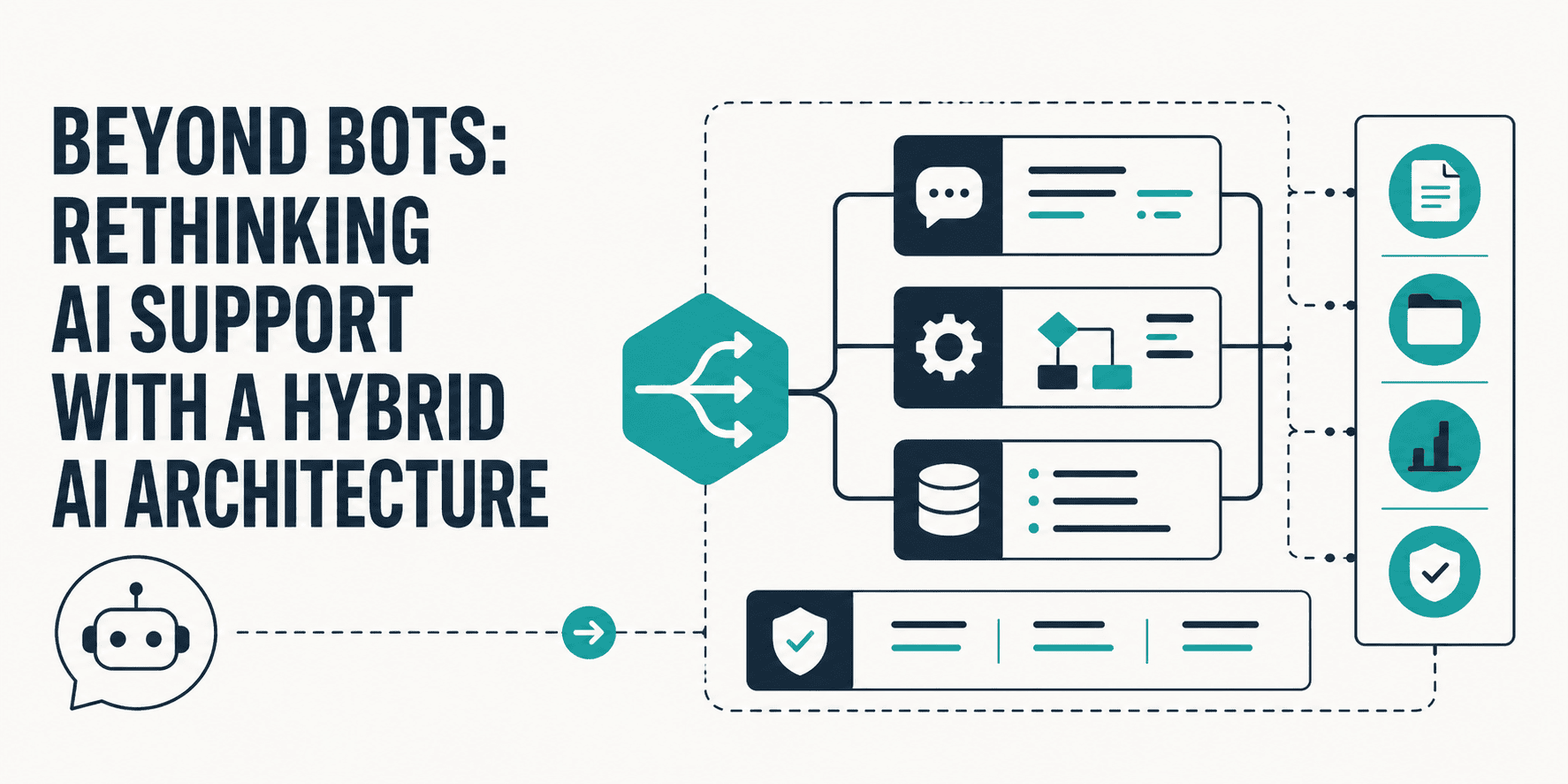
The landscape of automated customer service is undergoing a significant transformation as organizations move beyond basic chatbots toward a sophisticated hybrid AI architecture. This approach, as highlighted by industry insights, focuses on the strategic blending of Retrieval-Augmented Generation (RAG) and fine-tuning. By integrating these two methodologies, developers can create AI support experiences that are not only more accurate but also more contextually aware and aligned with specific domain requirements. RAG allows the system to pull from vast, up-to-date knowledge bases, while fine-tuning ensures the model understands the specific nuances and tone of the support environment. This synergy addresses the inherent limitations of using either technology in isolation, marking a new era in effective, reliable AI-driven support solutions.

KDnuggets