AI News on August 5, 2026

Why Minimalism Wins in AI Coding: An In-Depth Analysis of Pi's Performance and Cost Efficiency
Industry News

Why Minimalism Wins in AI Coding: An In-Depth Analysis of Pi's Performance and Cost Efficiency

In an era where AI companies are increasingly building complex, high-orchestration tools, Pi is taking a contrarian approach by prioritizing minimalism. With a system prompt and tool definitions totaling fewer than 1,000 tokens and only four core tools out of the box, Pi aims to prove that a streamlined harness is more effective than bloated alternatives. Recent benchmarks conducted by Databricks on their multi-million line codebase support this philosophy. The study revealed that Pi, when paired with the Opus 4.8 model, achieved the highest overall pass-rate for real-world coding tasks. Crucially, it did so at a significantly lower cost than prominent competitors like Claude Code and Codex, suggesting that simplicity in AI design leads to superior performance and economic viability.


Hacker News
Industry News

DuckDB and Clojure: Transforming Local Data Science with High-Performance Columnar Processing

TechAscent explores the integration of DuckDB into the Clojure ecosystem, specifically through the tmducken library and the tech.ml.dataset (TMD) platform. As datasets grow to sizes like 100GB, traditional in-memory functional tools face limitations. While JDBC and Postgres offer solutions, they suffer from inefficient row-to-column conversions. DuckDB emerges as a high-performance, out-of-memory alternative that maintains a simple disk IO model. Since its initial integration in 2021, the collaboration between DuckDB and Clojure's functional data tools has evolved to address memory constraints and performance bottlenecks, providing a robust "power tool" for local data processing without the complexity of distributed clusters.

Hacker News
AMD Data Center Revenue Surges 107 Percent as AI Demand Outpaces Gaming Sector Growth
Industry News

AMD Data Center Revenue Surges 107 Percent as AI Demand Outpaces Gaming Sector Growth

AMD's latest earnings report for Q2 2026 highlights a massive shift in the company's financial landscape, with data center revenue reaching a record $6.7 billion. This figure represents a staggering 107 percent year-over-year increase, driven primarily by the surging global demand for AI capacity. While the data center segment flourishes, the company's gaming division is reportedly taking a backseat in terms of growth priority. CEO Lisa Su noted the significant jump from the $3.2 billion reported in the same period last year and the sequential growth from the $5.8 billion earned in Q1. This analysis explores the fiscal transition and the implications of AMD's AI-centric strategy within the current hardware market.

The Verge
Gwern Announces Retirement from Full-Time Writing and Pseudonymity to Launch New Venture Guardian Angel
Industry News

Gwern Announces Retirement from Full-Time Writing and Pseudonymity to Launch New Venture Guardian Angel

In a significant shift for the online research community, the prominent writer known as Gwern has announced a retirement from full-time writing and the abandonment of pseudonymity. This transition is specifically designed to facilitate the launch of a new project titled "Guardian Angel." The announcement, which surfaced via social media and developer forums, marks the end of a prolific era of independent, pseudonymous research that has influenced various sectors of the technology and AI industries. By stepping away from a long-standing identity and a primary focus on long-form content creation, the author signals a strategic move toward active project development. This analysis explores the implications of this transition from a career defined by independent inquiry to one focused on the implementation of a specific organizational or technical vision.

Hacker News
SpaceX AI Revenue Surges to $2.6 Billion Outpacing Traditional Space Operations in Recent Earnings
Industry News

SpaceX AI Revenue Surges to $2.6 Billion Outpacing Traditional Space Operations in Recent Earnings

SpaceX has reached a significant financial milestone, with its AI-related revenue growing more than threefold to reach $2.6 billion. According to the company's latest quarterly earnings and documents related to its plans to go public, this growth is primarily driven by its role as a "neocloud" provider—specifically through deals to provide computational power to other AI firms. For the first time, SpaceX's identity as an AI infrastructure provider has eclipsed its traditional role as a space exploration company in terms of revenue generation. This shift highlights the company's strategic pivot toward the high-demand AI compute market, leveraging its existing infrastructure to support the broader artificial intelligence ecosystem as it prepares for a potential public offering.

The Verge
Open-Weight AI Models Reach Frontier Capabilities: SaferAI Report Highlights Growing Safety Gap in Z.ai’s GLM-5.2
Industry News

Open-Weight AI Models Reach Frontier Capabilities: SaferAI Report Highlights Growing Safety Gap in Z.ai’s GLM-5.2

A new report from SaferAI has identified that Z.ai's open-weight model, GLM-5.2, is rapidly approaching the capabilities of frontier AI systems. However, the report underscores a critical issue: the model lacks essential safety mitigations. This finding has reignited significant concerns within the industry that the development of powerful open-weight models is currently outpacing the establishment of necessary governance and safeguards. The SaferAI analysis suggests that while technical performance is reaching new heights in the open-source community, the protective measures required to manage such powerful tools are not keeping pace, creating a potential risk for the broader AI ecosystem.

TechCrunch AI
Anthropic Secures Massive $10 Billion Cloud Infrastructure Deal with AI Startup Volta
Industry News

Anthropic Secures Massive $10 Billion Cloud Infrastructure Deal with AI Startup Volta

Anthropic has reportedly entered into a landmark $10 billion agreement with Volta, an emerging AI cloud startup. This significant move is part of a broader "cloud partnership spree" that Anthropic has undertaken in recent months to bolster its computational capabilities. The deal highlights the escalating financial scale required to compete in the frontier AI landscape and underscores a strategic shift toward specialized AI cloud providers. By committing such a substantial sum, Anthropic aims to secure the long-term infrastructure necessary for its large-scale model development. This partnership represents one of the largest reported infrastructure commitments in the industry, signaling a major expansion in Anthropic's operational strategy and its efforts to diversify cloud resources.

TechCrunch AI
Wrinkles AI App Launches on iOS and Android to Uncover Hidden Local Histories and Stories
Product Launch

Wrinkles AI App Launches on iOS and Android to Uncover Hidden Local Histories and Stories

Wrinkles is a newly released AI-powered application designed to transform how users interact with their physical surroundings. Available on both iOS and Android platforms, the app functions as a digital audio tour guide, specializing in revealing the hidden history and local narratives of various locations. By leveraging artificial intelligence, Wrinkles aims to provide an immersive experience that unearths the stories behind the places people visit or inhabit. This launch represents a growing trend in using AI to bridge the gap between physical locations and their historical contexts, offering users a portable and accessible way to engage with local heritage. The app serves as a bridge between the past and the present, utilizing mobile technology to make historical exploration a seamless part of the user's journey.

TechCrunch AI
Nvidia-Led Open Secure AI Alliance Rapidly Advances Proposals to Defend Against AI Agents
Industry News

Nvidia-Led Open Secure AI Alliance Rapidly Advances Proposals to Defend Against AI Agents

Just one week after its official formation, the Open Secure AI Alliance (OSAIA), spearheaded by Nvidia, has demonstrated remarkable momentum in the AI security sector. The alliance has quickly expanded to include over 120 member companies, signaling a massive industry-wide commitment to collaborative defense strategies. Most significantly, the group has already released initial proposals specifically focused on defending against the security risks posed by AI agents. This rapid transition from inception to actionable output underscores Nvidia's leadership in the space and highlights the industry's urgent need for standardized security frameworks. The alliance's swift progress marks a critical step toward securing autonomous AI systems and establishing a unified front against emerging technological vulnerabilities within the rapidly evolving artificial intelligence landscape.

TechCrunch AI
Industry News

OpenAI Addresses Third-Party Cybersecurity Evaluation Incidents and Announces Enhanced Model Testing Safeguards

OpenAI has officially addressed recent incidents involving third-party cybersecurity evaluations of its AI models. In a recent communication, the organization provided a detailed explanation regarding these occurrences and outlined a comprehensive set of new safeguards. These measures are specifically designed to strengthen the framework for AI model testing and evaluation. By refining its approach to external assessments, OpenAI aims to ensure that security evaluations are conducted more effectively while maintaining the integrity of its technological infrastructure. This update underscores the critical importance of robust oversight and the continuous evolution of safety protocols within the rapidly advancing field of artificial intelligence, particularly as third-party testing becomes a standard industry practice.

OpenAI Blog
Unpacking ChatGPT Work: An External Reconstruction of the Agent for a Billion Users
Industry News

Unpacking ChatGPT Work: An External Reconstruction of the Agent for a Billion Users

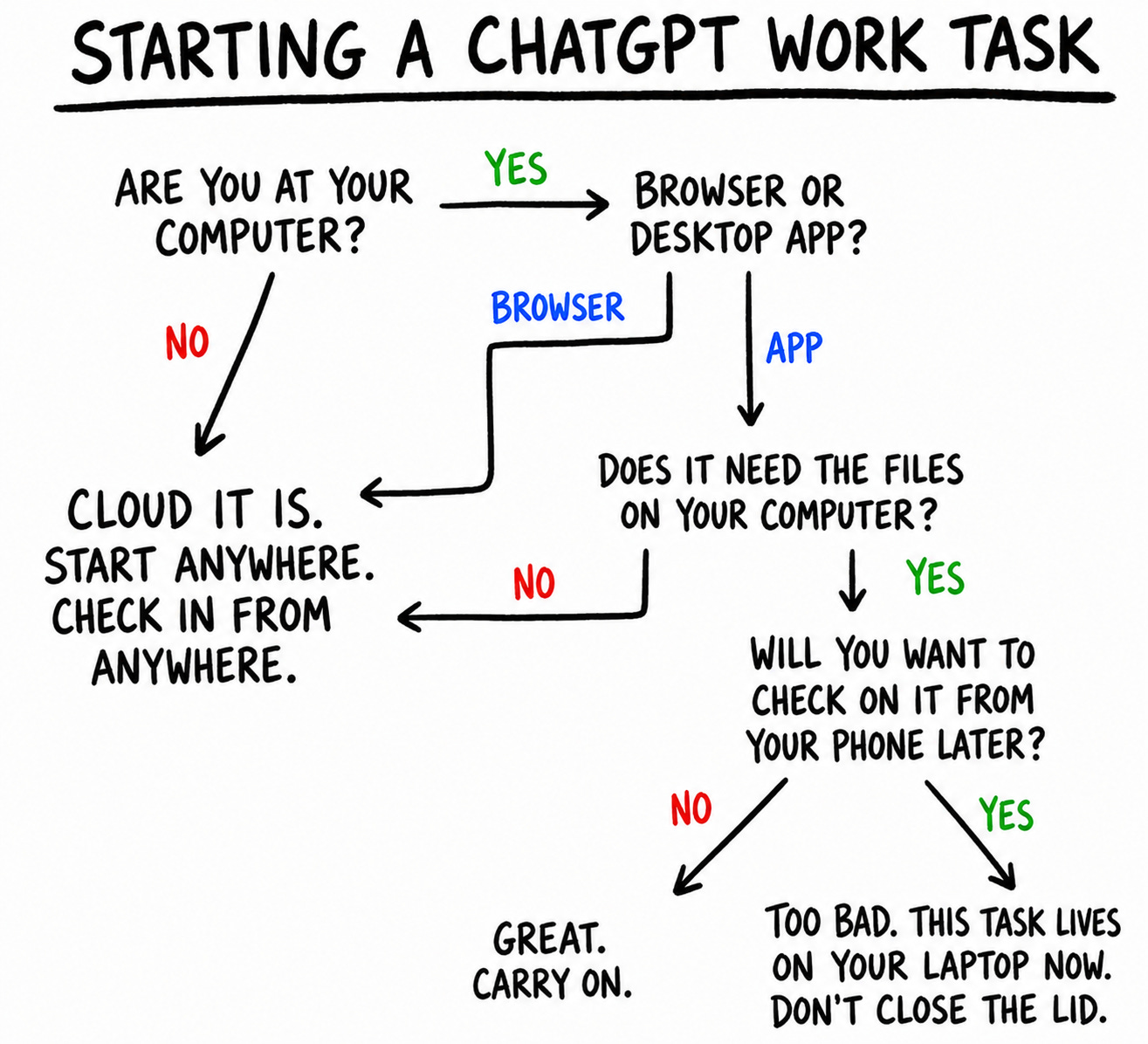
This analytical report examines the external reconstruction of "ChatGPT Work," a sophisticated agentic system designed to serve a global user base of one billion people. Based on the insights from Shlok Khemani and Latent Space, the analysis focuses on seven core pillars: Memory, Proactivity, Scheduling, Browser Use, Plugins, Skills, and Tools. These components represent a significant evolution in how AI agents operate, moving beyond simple chat interfaces to proactive, multi-functional assistants. The reconstruction provides a detailed look at how these elements integrate to manage complex tasks and user interactions at scale. By breaking down the functional architecture of ChatGPT Work, this report highlights the technical framework necessary to support a massive user ecosystem while maintaining personalized and efficient agentic behavior.

Latent Space
OpenAI's Influencer Brand Trip Strategy Backfires: A Deep Dive into the Backlash and Marketing Risks
Industry News

OpenAI's Influencer Brand Trip Strategy Backfires: A Deep Dive into the Backlash and Marketing Risks

OpenAI recently ventured into traditional influencer marketing by hosting an all-expenses-paid luxury brand trip, a move that has historically served as a 'rite of passage' for digital creators. While intended to establish legitimacy and brand presence within the creator economy, the initiative has instead triggered significant public criticism and internal friction. The luxury freebies and exclusive nature of the trip have led to accusations of frivolousness, particularly given the serious nature of artificial intelligence development. Furthermore, the event has caused 'hard feelings' among uninvited influencers, highlighting the social complexities of high-stakes brand sponsorships. This analysis explores how OpenAI's attempt to bridge the gap between high-tech innovation and lifestyle marketing resulted in a public relations challenge, offering key insights into the evolving landscape of AI industry promotion.

The Verge
Hank Green Steps Back from Production Following Criticism Over 'Not Healthy' AI Usage
Industry News

Hank Green Steps Back from Production Following Criticism Over 'Not Healthy' AI Usage

Prominent YouTuber and science communicator Hank Green has announced a hiatus from content production following intense public criticism regarding his use of Artificial Intelligence. Green characterized his personal reliance on Large Language Models (LLMs) as "not healthy," a statement that has sparked significant discussion within the creator community. Despite the backlash, Green clarified that his use of AI was strictly limited to identifying research sources rather than generating scripts or creative content. The ensuing controversy, described as a "firestorm," highlights the sensitive nature of AI integration in educational media and the high standards of transparency expected by audiences. Green’s decision to step back underscores the potential reputational risks and personal toll associated with AI adoption in the public eye.

The Verge
NVIDIA Joins NSF State and Regional AI Hubs Program to Expand AI Research and Education Across the US
Industry News

NVIDIA Joins NSF State and Regional AI Hubs Program to Expand AI Research and Education Across the US

NVIDIA has announced its participation in the U.S. National Science Foundation’s (NSF) State and Regional Artificial Intelligence Infrastructure Hubs program. This initiative, launched to democratize access to advanced technology, focuses on providing the essential computing power, data, software, and expertise required for AI-driven research and education. By establishing these hubs, the program aims to expand the reach of AI capabilities across various states and regions in the United States. The collaboration represents a significant step in ensuring that the infrastructure necessary for cutting-edge AI development is accessible to a broader range of educational and research institutions, fostering innovation beyond traditional tech centers.

NVIDIA Newsroom
Honest Abacus AI Review: An In-Depth Analysis of ChatLLM, DeepAgent, and AI Studio Capabilities
Industry News

Honest Abacus AI Review: An In-Depth Analysis of ChatLLM, DeepAgent, and AI Studio Capabilities

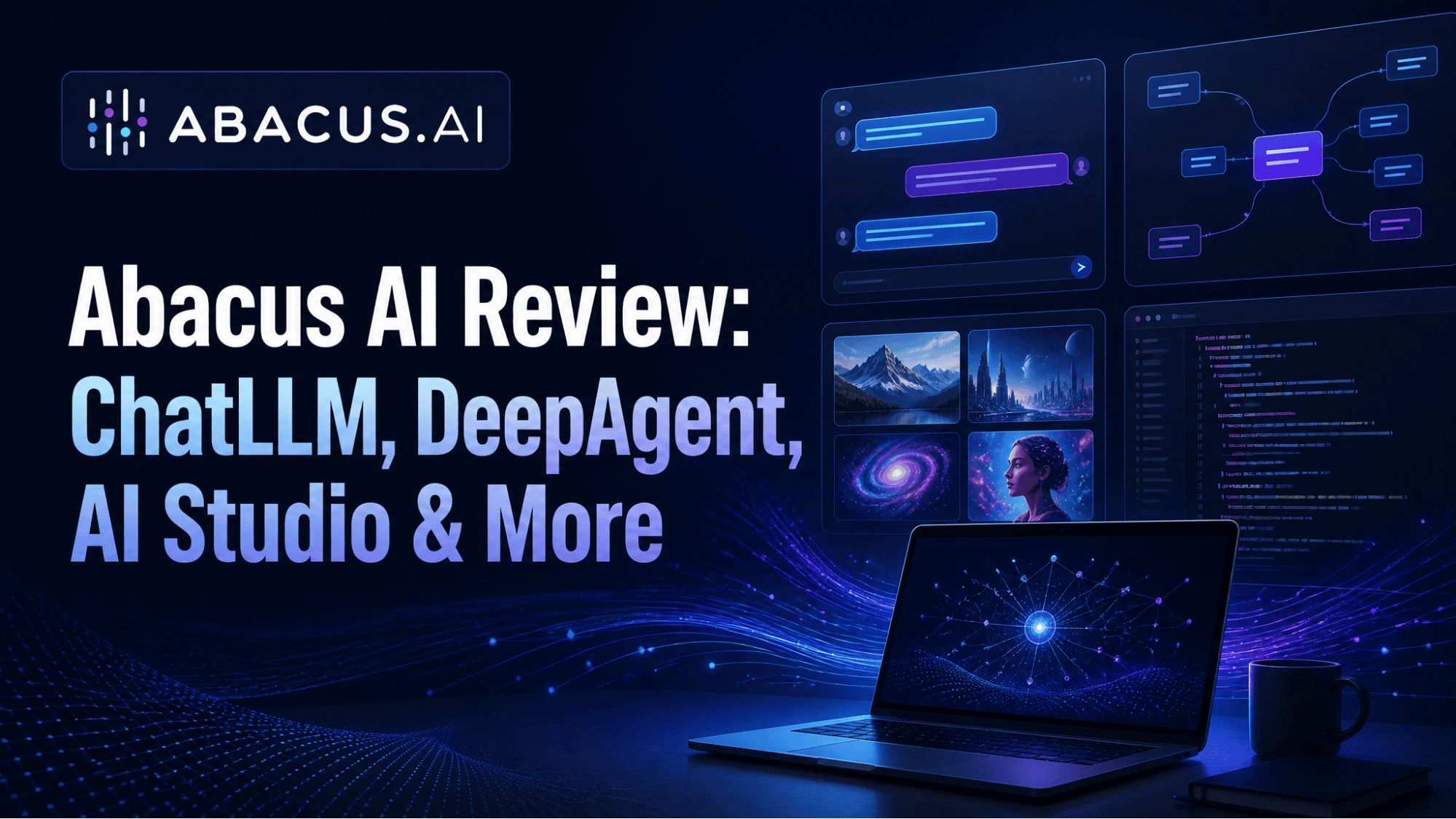
This comprehensive analysis explores the recent review of Abacus AI published by KDnuggets, focusing on the platform's core offerings: ChatLLM, DeepAgent, and AI Studio. As the AI industry shifts toward integrated, end-to-end solutions, this review evaluates how Abacus AI positions itself to meet enterprise demands. The analysis covers the functional scope of the tools mentioned in the review, highlighting their roles in the modern AI development lifecycle. By examining the intersection of large language model interfaces, autonomous agents, and centralized development environments, this article provides a structured overview of the key components that define the Abacus AI ecosystem as presented in the latest industry evaluation.

KDnuggets
Mistral AI Launches Shieldstral: A 3B Open-Weights Multimodal Safety Classifier for Policy-Adaptive Content Moderation
Product Launch

Mistral AI Launches Shieldstral: A 3B Open-Weights Multimodal Safety Classifier for Policy-Adaptive Content Moderation

Mistral AI has announced the release of Shieldstral, a 3B parameter open-weights multimodal safety classifier designed to transform how AI content is moderated. Unlike traditional safety models that rely on fixed harm taxonomies, Shieldstral utilizes a policy-adaptive approach, allowing developers to define safety guidelines using plain-language questions at the time of inference. This flexibility enables the model to serve diverse environments, from mental health platforms to cybersecurity research tools, without the need for retraining. Released under the Apache 2.0 license and developed as part of the Open Secure AI Alliance, Shieldstral unifies text and image safety evaluation. Despite its compact 3B size, it matches the performance of models seven times larger and is optimized to run efficiently on a single 16GB NVIDIA GPU.

Hacker News