Photo to Video AI
Photo to Video AI converts still photos into animated short videos using multiple third-party generation models with customizable aspect ratios and motion prompts.
What the product does and how it is positioned
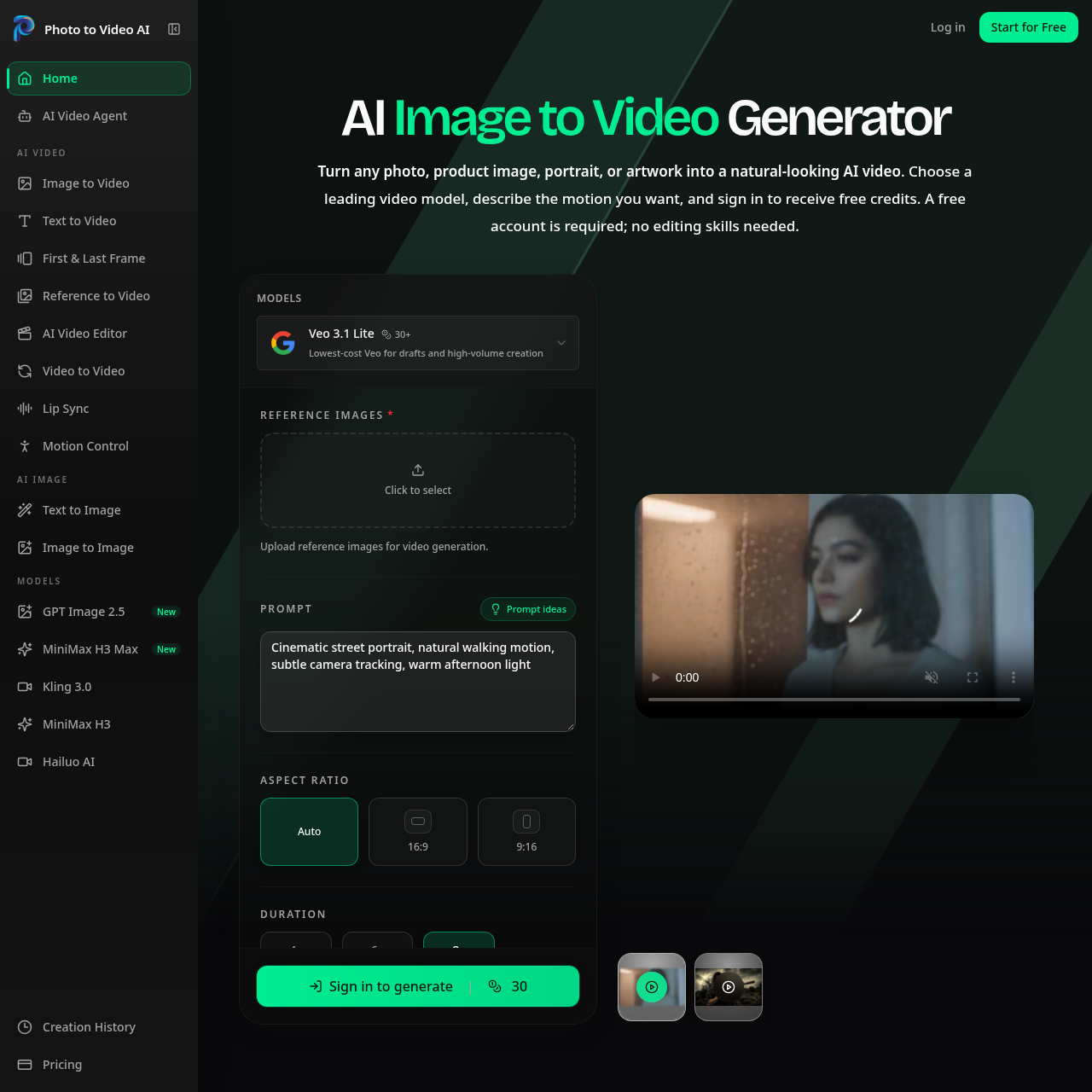
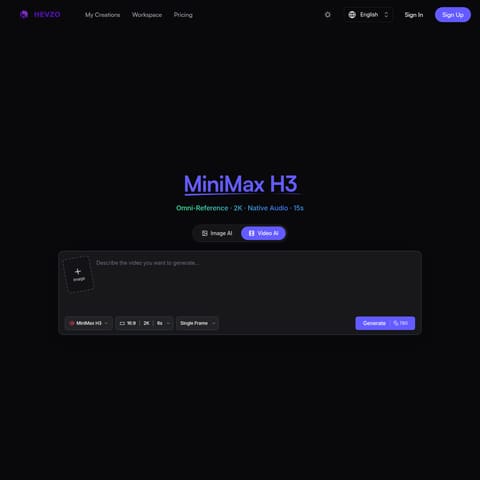
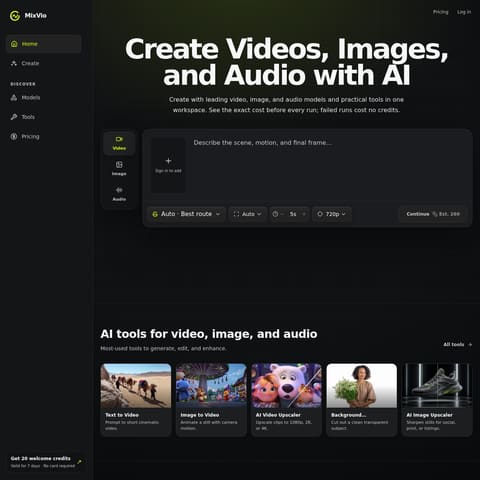
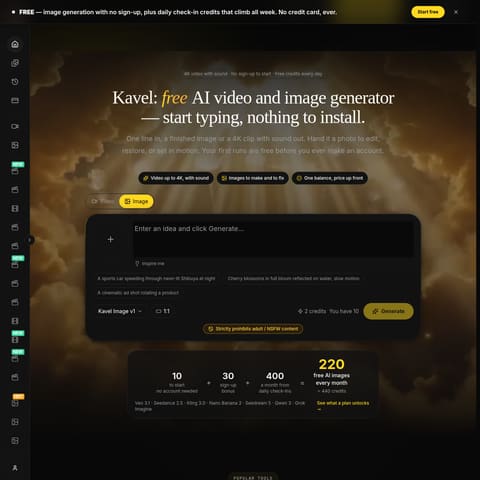
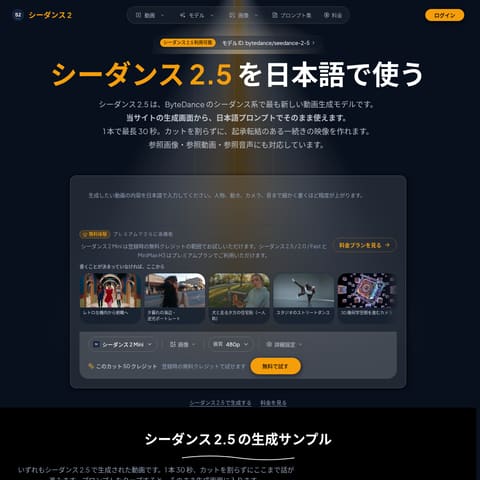
Photo to Video AI is an online AI image-to-video generator for creators, marketers, and e-commerce teams. Upload a JPG, PNG, or WEBP image, optionally describe the subject motion, camera movement, and atmosphere, then choose from leading video models including Google Veo, Kling, Seedance, and Wan. The source image stays as the visual anchor to help preserve faces, products, objects, colors, and composition while adding natural motion. Users can create short MP4 videos in platform-ready aspect ratios such as 9:16, 16:9, and 1:1, with 720p and 1080p options. A free account includes starter credits, while paid plans provide more generation credits, watermark-free output, and commercial-use rights. No timeline editing or video production experience is required.
Photo to Video AI is an online generation application designed to animate static imagery into video clips. The system uses the uploaded image as a visual anchor to maintain facial, product, and compositional integrity while adding motion.
Users can direct the output through optional text descriptions covering subject movement, camera angles, and atmospheric tone. The platform integrates a selection of models from providers such as Google, Kling AI, ByteDance, and Alibaba, supporting aspect ratios for multiple digital channels.

Source-supported ways to use the product
Animating still catalog photography into dynamic video assets such as rotations, zoom-ins, or ambient motion for product listings and advertisements.
Generating vertical 9:16 video clips from existing image libraries for publishing on TikTok, Instagram Reels, and YouTube Shorts.
Adding gentle facial movements, head shifts, and lighting adjustments to personal portraits or selfies for profile media.
The documented workflow, where available
Upload an image in JPG, PNG, or WEBP format to serve as the visual anchor for generation.
Enter an optional text prompt describing subject or camera movement, or allow the selected model to infer motion automatically.
Select model-supported parameters such as aspect ratio, duration, and resolution, then generate and download the resulting MP4 video.
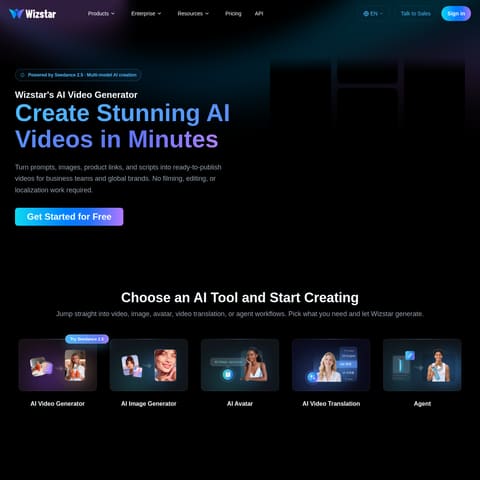
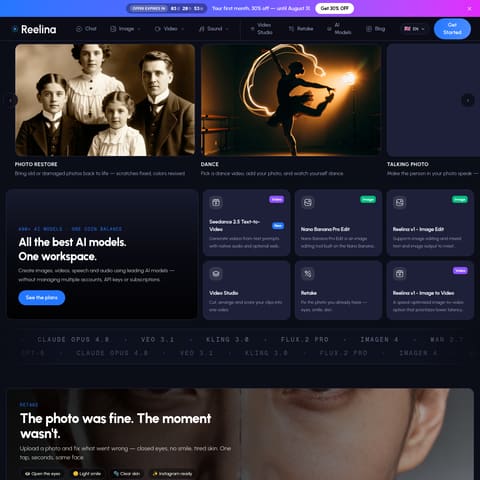
The platform aggregates several external image-to-video generation engines, including Google Veo 3.1, Kling AI, ByteDance Seedance, and Alibaba Wan 2.6. Switching models enables users to select differing motion aesthetics, generation speeds, and supported output parameters.
Motion behavior can be guided through descriptive text inputs that specify subject activity, camera angles, and ambient conditions. Alternatively, omitting the prompt delegates motion inference directly to the selected neural network based on the source image composition.
Human-maintained commercial information
Pricing can change. Confirm the current plan and billing terms on the official site before purchasing.
Checks to run with your own material and workflow
What was checked and when
Answers based on the source-checked product record
The platform accepts image uploads in JPG, PNG, and WEBP formats to act as the visual reference.
Prompts are optional; if left blank, the selected AI model infers motion directly from the image.
Available models include Google Veo 3.1, Kling AI 2.6 and 3.0, ByteDance Seedance, Alibaba Wan 2.6, MiniMax H3, and Hailuo AI.
The service exports MP4 videos with aspect ratio options that include 16:9, 9:16, and an automatic setting.
Yes, creating an account and signing in is required to generate videos using the platform.