Libra AI
Libra AI is an autonomous work platform that connects to existing tools to execute workflows using specialized AI agents that manage tasks based on plain English instructions.
What the product does and how it is positioned
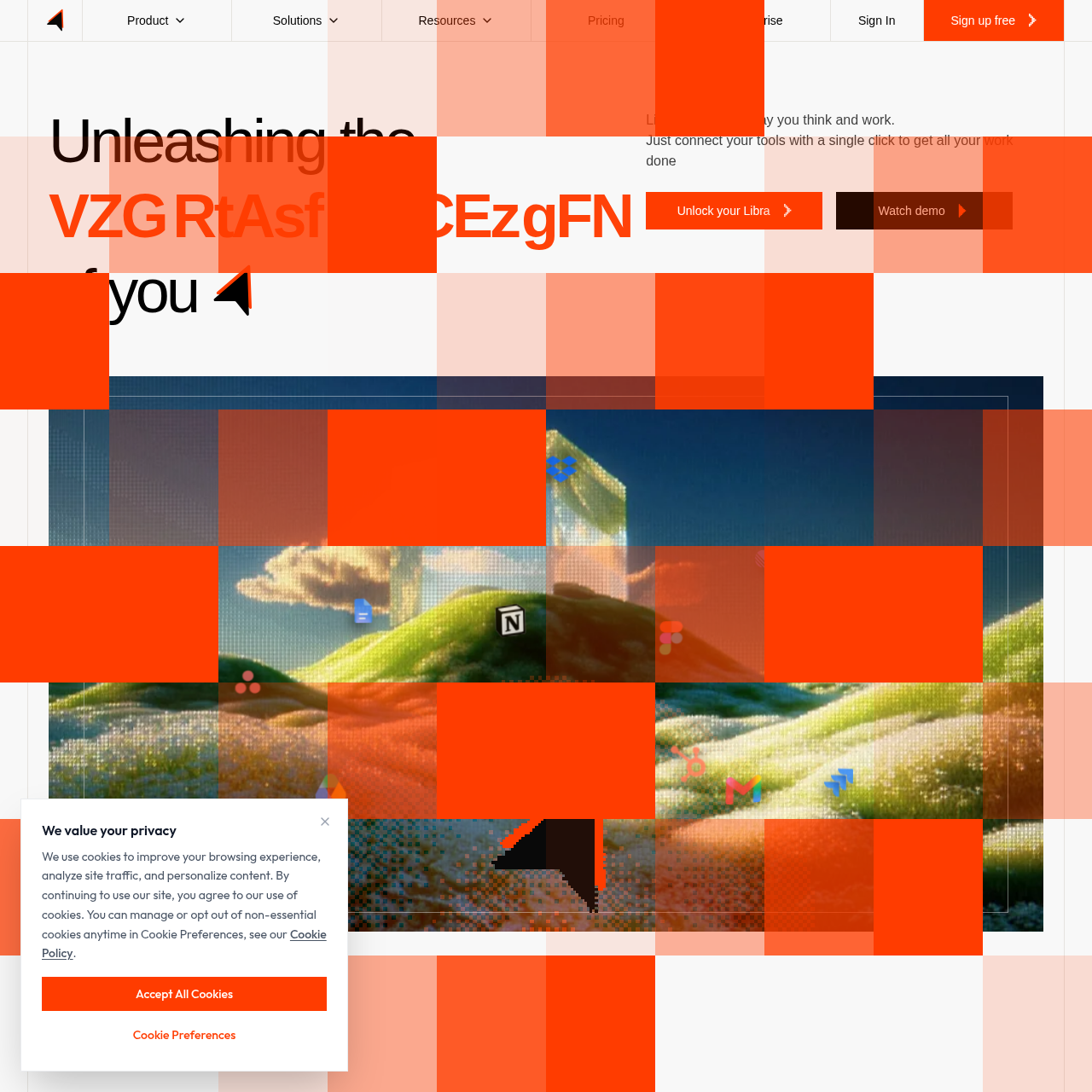
Libra AI is an agentic work OS built for teams buried in tool sprawl. It connects to 250+ work tools including Slack, Gmail, Google Drive, Notion, Google Calendar, Linear, HubSpot, Salesforce, and Jira, read only by default, with the user controlling exactly what each integration can touch. Unlike a chatbot that only answers questions, Libra acts as an AI coworker. Describe a task in plain English and it spins up an agent that owns the whole workflow end to end, not just the first step. Core capabilities include autonomous task agents, meeting intelligence (joins Zoom, Google Meet, and Teams calls, or records in person meetings, then briefs you beforehand and writes up decisions live), AI document and deck drafting that pulls live context from connected tools, message routing to the right owner, and unified search across every connected tool. Libra serves cross functional teams: sales, founders and executives, customer success, engineering and product, growth and marketing, HR, and finance. On its own GAIA Level 1 benchmark comparison, Libra reports ranking #1 ahead of competitors Genspark and Manus. Data is encrypted in transit and at rest, and Libra does not copy, retain, or train on company data. Pricing starts at $10/month (Plus), scaling to $29/month (Pro, most popular) and $299/month (Pro Max, with admin controls and custom integrations). All paid plans include a 30-day free trial.
Libra AI functions as a centralized system for executing work by pairing computational power with a user's specific professional context and tool history.
The platform enables users to connect their existing software applications to facilitate automated task management and message routing across various business functions.

Source-supported ways to use the product
The platform utilizes HR agents to automatically screen new job applicants and schedule necessary interviews.
Sales agents monitor inbound leads and draft context-aware email responses before the opportunity goes cold.
The documented workflow, where available
Users link their existing software applications to the platform with a single click to establish operational context.
The platform utilizes specialized agents that are designed to run themselves once a task is described in plain English.
Human-maintained commercial information
Pricing can change. Confirm the current plan and billing terms on the official site before purchasing.
Checks to run with your own material and workflow
What was checked and when
Answers based on the source-checked product record
Tasks are assigned by describing the desired outcome in plain English, which triggers the system to spin up an autonomous agent to manage the work.
The platform provides specialized agents for various business functions including recruitment, sales, engineering, and product management.
No, the platform is designed to read incoming messages and automatically route them to the appropriate person or specialized agent.
Users connect their existing tools with a single click, allowing the system to reference historical data for context-aware execution.
The system is capable of drafting emails, creating slides, and filing technical bug reports with reproduction steps.