Meituan Technical Team Unveils Advanced Research in Search and Recommendation at Premier AI Conferences
The Meituan Business R&D Platform's Search and Recommendation ASX (Agentic System X) team has recently shared insights from their latest research published at premier AI conferences, including ICLR, NeurIPS, CVPR, and AAAI. Focusing on the development of Large Language Model (LLM)-based Agent technology systems, the team specializes in critical areas such as LLM post-training, Agentic Reinforcement Learning, and Multi-modal Understanding. This compilation highlights six selected papers that demonstrate Meituan's commitment to advancing AI capabilities within the search and recommendation domain. By bridging theoretical research with practical application, the ASX team aims to enhance the efficiency and intelligence of agentic systems, providing valuable inspiration for the broader AI community and industry practitioners who are looking to integrate large-scale models into complex service ecosystems.
Key Takeaways
- Strategic Focus on ASX: Meituan's Search and Recommendation team is prioritizing the development of Agentic System X (ASX), a framework built on Large Language Model (LLM) technologies.
- Top-Tier Academic Recognition: The team has published dozens of research papers at world-renowned AI conferences, including ICLR, NeurIPS, CVPR, and AAAI, signaling high-quality technical output.
- Core Research Pillars: The technical depth of the ASX team is centered on three primary directions: LLM post-training, Agentic Reinforcement Learning, and Multi-modal Understanding.
- Practical Application of Agents: The research aims to transform traditional search and recommendation systems into more autonomous, agent-based systems that can better understand and serve user needs.
In-Depth Analysis
The Evolution of Agentic System X (ASX)
Meituan's Business R&D Platform has established the Search and Recommendation ASX (Agentic System X) team to spearhead the transition from traditional algorithmic models to sophisticated, agent-based architectures. This initiative is rooted in the belief that Large Language Models (LLMs) serve as the ideal foundation for building autonomous agents capable of complex reasoning and decision-making. By focusing on an "Agentic" approach, the team is moving beyond static recommendation lists toward dynamic systems that can interact, learn, and adapt within the Meituan ecosystem. The ASX framework represents a holistic attempt to integrate LLMs into the core of search and recommendation, ensuring that the technology is not just a peripheral enhancement but a central driver of user experience.
Advancing LLM Capabilities through Post-Training and Reinforcement Learning
A significant portion of the ASX team's research is dedicated to the refinement of LLMs after their initial training phase. LLM post-training is crucial for aligning general-purpose models with specific business logic and user behaviors found in search and recommendation contexts. By focusing on this area, Meituan ensures that their models are not only linguistically proficient but also contextually relevant to the services they provide.
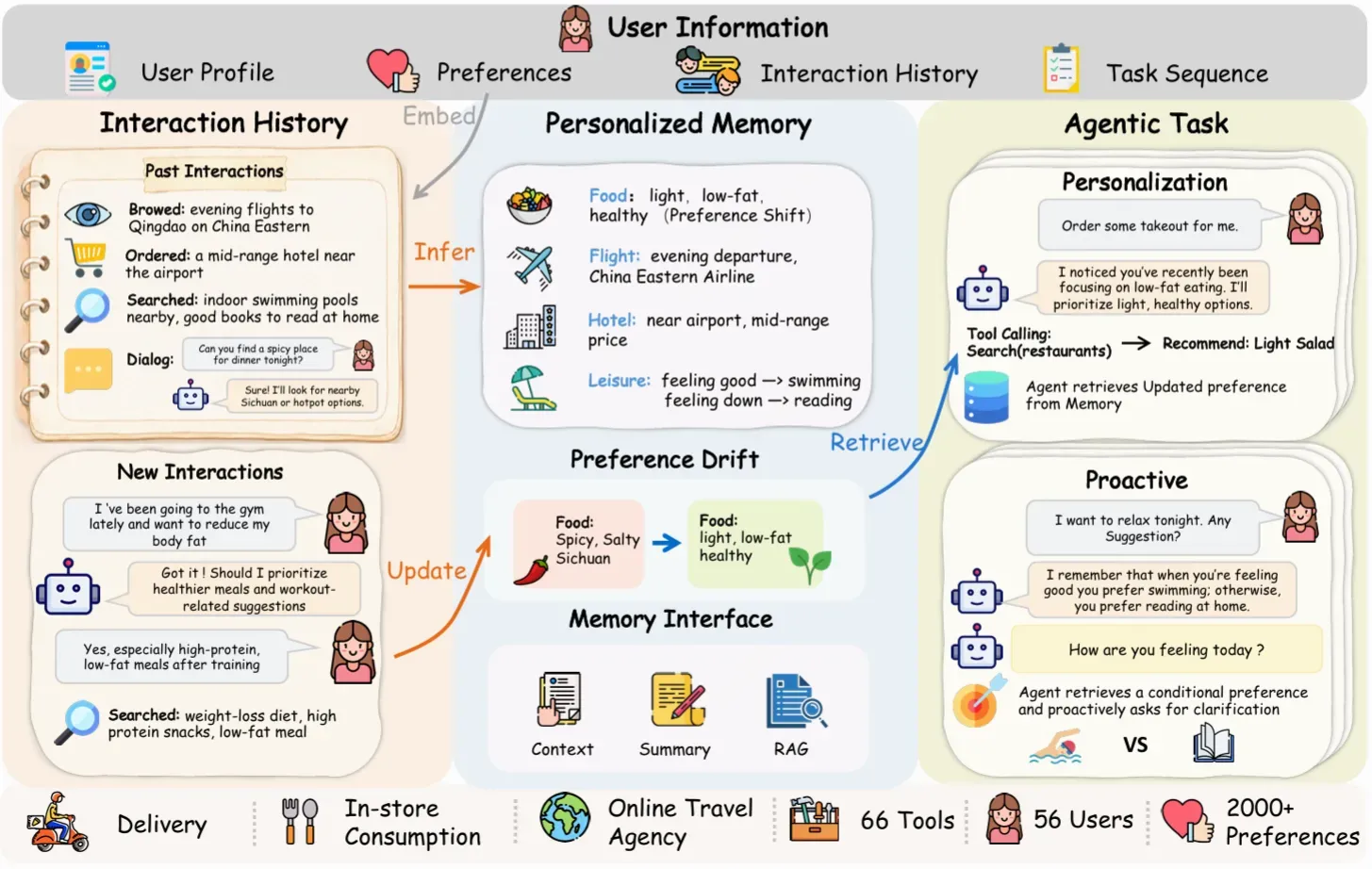
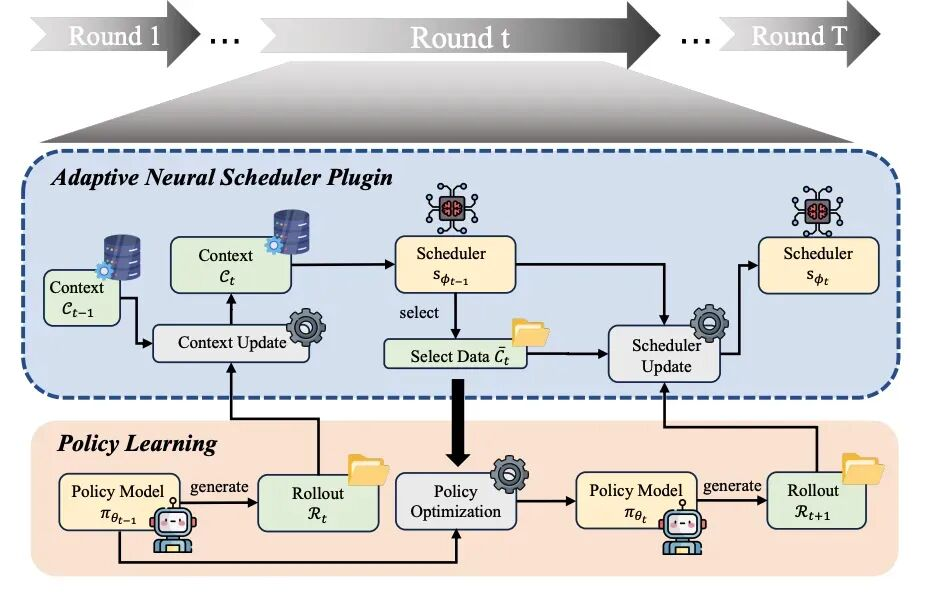
Furthermore, the team is heavily invested in Agentic Reinforcement Learning. This research direction is vital for developing agents that can optimize their actions based on feedback from the environment. In a recommendation setting, this means the system can learn from user interactions in real-time, improving its accuracy and helpfulness over time. The integration of reinforcement learning allows the ASX agents to handle long-term goals and complex multi-step tasks, which are often required in sophisticated search scenarios where a single query might involve multiple layers of intent.
The Role of Multi-modal Understanding in Modern Search
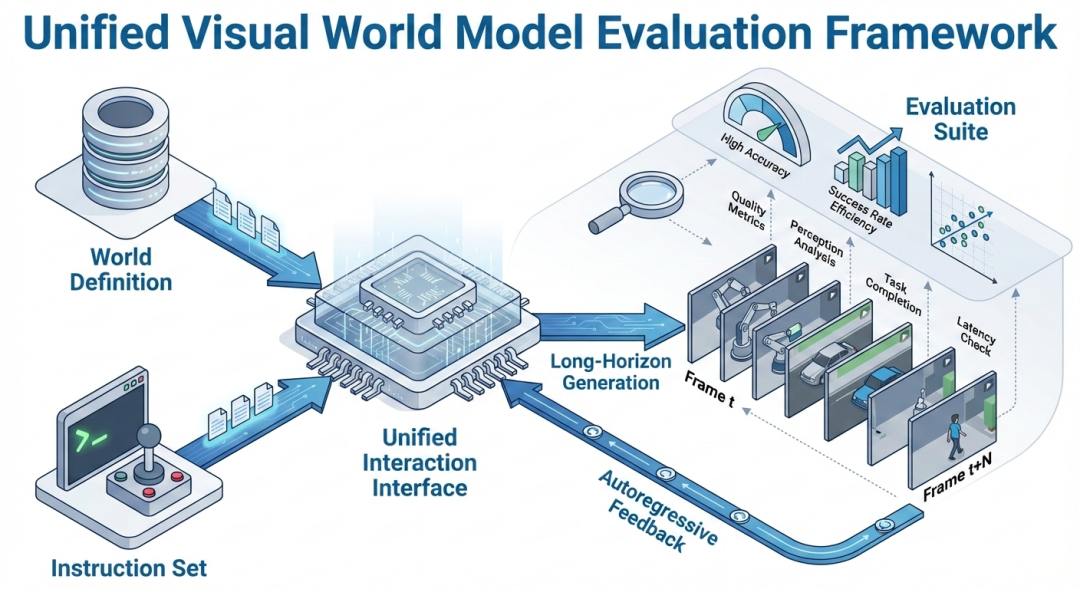
In the contemporary digital landscape, search and recommendation are no longer limited to text-based inputs. Meituan's ASX team recognizes this shift and has placed a strong emphasis on Multi-modal Understanding. Their research in this field, often presented at conferences like CVPR (Computer Vision and Pattern Recognition), focuses on how agents can interpret and synthesize information from various sources, including images, videos, and structured data.
By enhancing multi-modal capabilities, the ASX team enables search systems to understand the visual context of a user's query or the aesthetic appeal of a recommended service. This comprehensive understanding is essential for a platform like Meituan, where visual information about food, locations, and services plays a critical role in consumer decision-making. The ability to process and reason across different modalities ensures that the agentic system provides a more intuitive and human-like interaction for the end-user.
Industry Impact
The research contributions from Meituan's ASX team have significant implications for the broader AI and technology industries. First, the successful publication of dozens of papers in top-tier venues like NeurIPS and ICLR validates the feasibility of using LLM-based agents in large-scale commercial applications. This encourages other industry players to explore agentic architectures for their own service platforms.
Second, the focus on post-training and reinforcement learning provides a roadmap for companies looking to move beyond "off-the-shelf" AI solutions. Meituan's work demonstrates that the true value of LLMs in a business context lies in the specialized training and feedback loops that align the model with specific operational goals.
Finally, the emphasis on multi-modal understanding sets a new standard for search and recommendation systems. As users increasingly expect seamless interactions across text and visuals, the techniques developed by the ASX team will likely become foundational for the next generation of digital assistants and service platforms. Meituan's willingness to share these insights through technical sessions and paper interpretations fosters a collaborative environment that accelerates the overall pace of AI innovation.
Frequently Asked Questions
Question: What is the primary focus of Meituan's ASX team?
The ASX (Agentic System X) team focuses on building a technology system centered on LLM-based agents. Their core research areas include LLM post-training, Agentic Reinforcement Learning, and Multi-modal Understanding, specifically applied to search and recommendation scenarios.
Question: Which international conferences have featured Meituan's research?
Meituan's technical team has published high-quality research results in several of the most prestigious AI conferences, including ICLR (International Conference on Learning Representations), NeurIPS (Neural Information Processing Systems), CVPR (Conference on Computer Vision and Pattern Recognition), and AAAI (Association for the Advancement of Artificial Intelligence).
Question: Why is multi-modal understanding important for Meituan's search and recommendation?
Multi-modal understanding allows the agentic system to process and interpret different types of data, such as images and videos, alongside text. This is crucial for Meituan because it helps the system better understand user intent and service characteristics in a visually-rich environment, leading to more accurate and engaging recommendations.