Meituan Technical Team Presents Six Research Papers at ACL 2026 Highlighting Advancements in Large Model Reasoning and Evaluation
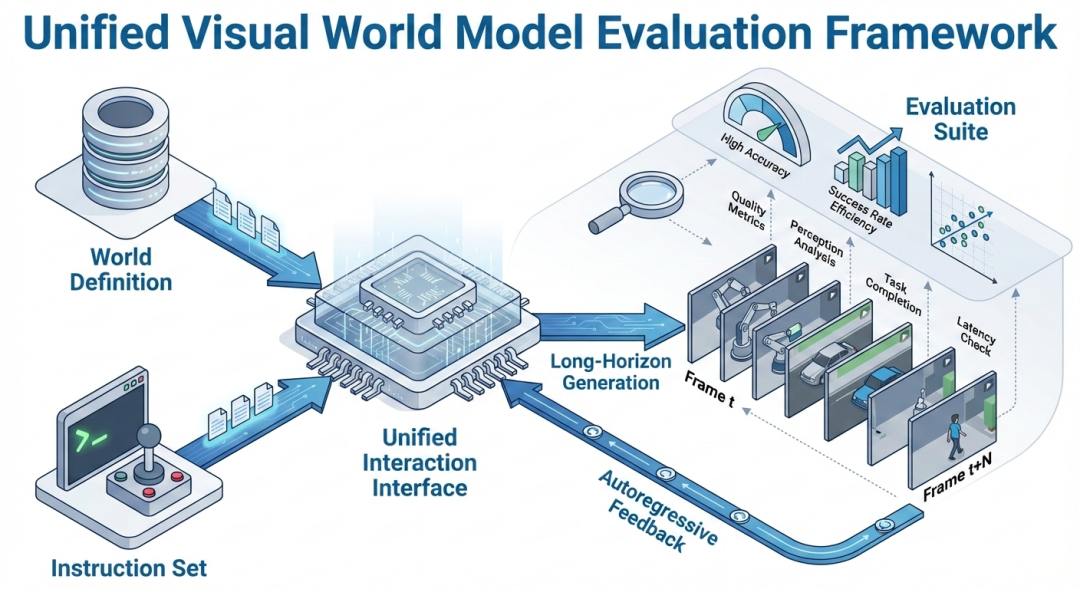
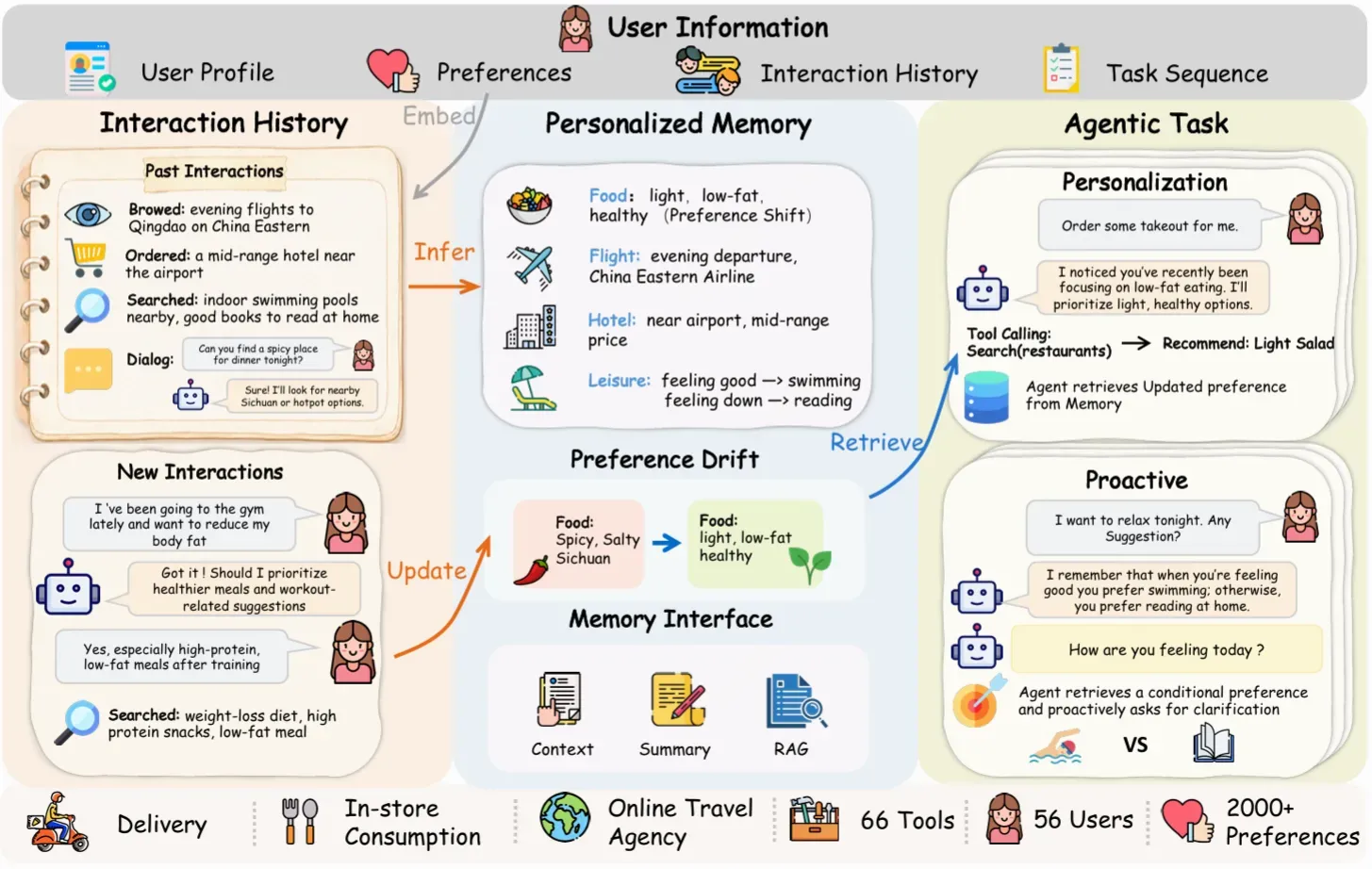
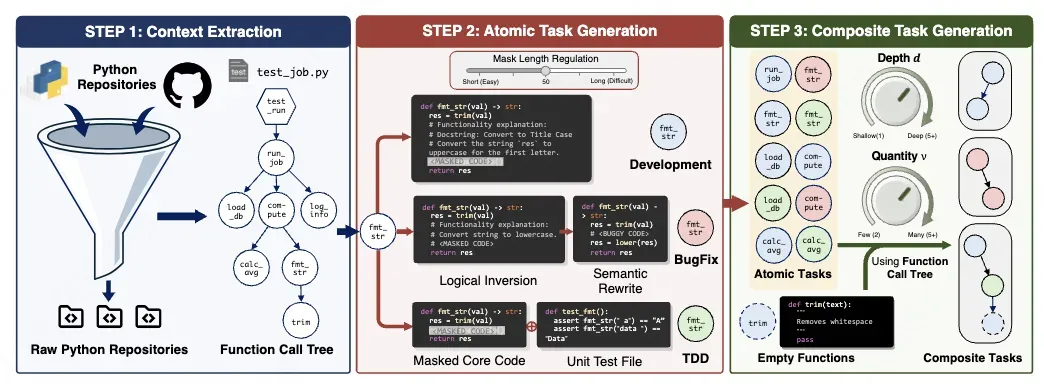
Meituan's technical team has announced the acceptance of six research papers at the prestigious ACL 2026 conference, a leading global event for computational linguistics and natural language processing. The research spans several critical domains in the AI landscape, including the evaluation of large model capabilities, reasoning within complex workflows, and the optimization of mathematical thinking for competition-level tasks. Additionally, the papers explore innovations in reinforcement learning and generative recommendation systems. This collection of research highlights Meituan's commitment to building new paradigms for generative AI and enhancing the practical application of AI across diverse service scenarios. By focusing on both theoretical optimization and practical reasoning, Meituan aims to push the boundaries of how large language models interact with and solve complex, real-world problems.
Key Takeaways
- Prestigious Recognition: Meituan has successfully had six papers accepted by ACL 2026, a top-tier international conference in the field of Natural Language Processing (NLP).
- Diverse Research Scope: The papers cover a wide range of advanced topics, including large model evaluation, complex reasoning, mathematical optimization, reinforcement learning, and generative recommendations.
- Focus on Reasoning: A significant portion of the research is dedicated to improving the reasoning capabilities of models, specifically in complex processes and competition-level mathematics.
- New Generative Paradigms: The collective goal of these research efforts is to construct and refine new paradigms for generative AI, moving beyond simple text generation to sophisticated problem-solving.
In-Depth Analysis
Advancing Evaluation and Reasoning Paradigms
The selection of Meituan’s papers for ACL 2026 underscores a strategic focus on the fundamental pillars of modern AI: evaluation and reasoning. As large language models (LLMs) become more integrated into commercial and technical workflows, the ability to accurately assess their capabilities becomes paramount. Meituan's research into large model capability evaluation suggests a move toward more robust and nuanced benchmarking systems that can keep pace with the rapid evolution of AI architectures.
Furthermore, the focus on complex process reasoning indicates a shift from simple, single-step prompt responses to multi-stage logical sequences. This is critical for industrial applications where AI must navigate intricate workflows, such as those found in logistics, customer service, or technical troubleshooting. By optimizing how models handle these complex flows, Meituan is positioning itself at the forefront of creating AI that can act as a reliable partner in sophisticated operational environments.
Optimization Strategies in Mathematics and Reinforcement Learning
Another core area of Meituan's research involves the optimization of mathematical thinking, specifically aimed at competition-level standards. This direction is particularly significant because mathematical reasoning is often viewed as a benchmark for a model's underlying logic and "intelligence." Achieving competition-level performance requires the model to not only understand formulas but to apply creative problem-solving strategies. This research likely explores how to fine-tune models to handle high-level abstraction and rigorous logical deduction.
Parallel to this is the exploration of reinforcement learning (RL) optimization. Reinforcement learning remains a cornerstone of aligning AI behavior with human intent and optimizing performance in dynamic environments. Meituan’s focus here suggests ongoing refinements in how models learn from feedback, potentially leading to more efficient training cycles and more accurate output generation. These optimizations are essential for maintaining the competitive edge of generative models in a rapidly changing technological landscape.
Innovation in Generative Recommendation Systems
The inclusion of generative recommendation systems in Meituan's ACL 2026 contributions highlights a transformative approach to user engagement. Traditional recommendation systems often rely on discriminative models to predict user preferences. However, the shift toward generative recommendation suggests a new paradigm where the AI can synthesize and present recommendations in a more natural, conversational, and contextually aware manner. This research direction aligns with the broader industry trend of making digital interactions more intuitive and personalized, leveraging the power of generative AI to redefine how users discover content and services.
Industry Impact
The acceptance of these six papers at ACL 2026 has several implications for the AI industry:
- Standardization of Evaluation: By contributing to the field of model evaluation, Meituan helps establish more rigorous standards for what constitutes a "capable" AI, which is vital for industry-wide safety and performance benchmarks.
- Bridging Theory and Practice: The focus on complex reasoning and mathematical optimization demonstrates a commitment to solving the "hallucination" and logic gaps currently present in many LLMs, making them more viable for high-stakes professional use.
- Evolution of Recommendation Engines: The move toward generative recommendations could signal a major shift in how e-commerce and service platforms interact with consumers, potentially leading to higher conversion rates and improved user satisfaction through better contextual understanding.
- Academic Leadership: Meituan's consistent presence at top-tier conferences like ACL reinforces the role of major technology companies as primary drivers of academic and theoretical breakthroughs in NLP, not just as consumers of existing technology.
Frequently Asked Questions
Question: What is the significance of the ACL conference in the AI field?
ACL (Association for Computational Linguistics) is considered one of the most prestigious international academic conferences for natural language processing and computational linguistics. Being published at ACL is a mark of high-quality, peer-reviewed research that contributes significantly to the global understanding of how computers process human language.
Question: Why is Meituan focusing on competition-level mathematical thinking?
Mathematical reasoning is a rigorous test of a model's logical consistency and ability to handle complex, multi-step problems. By optimizing for competition-level math, Meituan is pushing the boundaries of AI logic, which has direct applications in coding, financial modeling, and any field requiring high precision and complex deduction.
Question: How does generative recommendation differ from traditional recommendation?
Traditional recommendation systems typically rank existing items based on user data. Generative recommendation systems can use large language models to generate more personalized, context-aware, and conversational suggestions, potentially explaining the "why" behind a recommendation and interacting with the user to refine choices in real-time.