Meituan Technical Team Unveils Six Research Papers at ACL 2026 Focusing on LLM Reasoning and Evaluation
The Meituan Technical Team has announced the acceptance of six research papers at ACL 2026, a premier international conference for computational linguistics and natural language processing. These papers cover a broad spectrum of cutting-edge AI topics, including large model evaluation, complex process reasoning, and competition-level mathematical thinking optimization. Additionally, the research delves into reinforcement learning optimization and generative recommendation systems. By exploring these diverse fields, Meituan aims to establish a new paradigm for generative AI, enhancing both the theoretical understanding and practical application of large language models in real-world scenarios. This achievement underscores Meituan's growing influence in the global AI research community and its commitment to solving complex technical challenges through innovative NLP methodologies.
Key Takeaways
- Strategic Research Presence: Meituan successfully had six papers accepted at ACL 2026, covering diverse and critical areas of Natural Language Processing (NLP).
- Focus on Reasoning and Math: A significant portion of the research is dedicated to complex process reasoning and optimizing mathematical thinking at a competition level.
- Advancing Evaluation Standards: The team is developing new methodologies for large model evaluation to better measure AI capabilities.
- Optimization Techniques: Research includes advancements in reinforcement learning and the development of generative recommendation systems.
- New Generative Paradigm: The collective goal of these studies is to construct a new paradigm for generative AI that bridges the gap between theory and practical application.
In-Depth Analysis
Diversified Research Directions in NLP
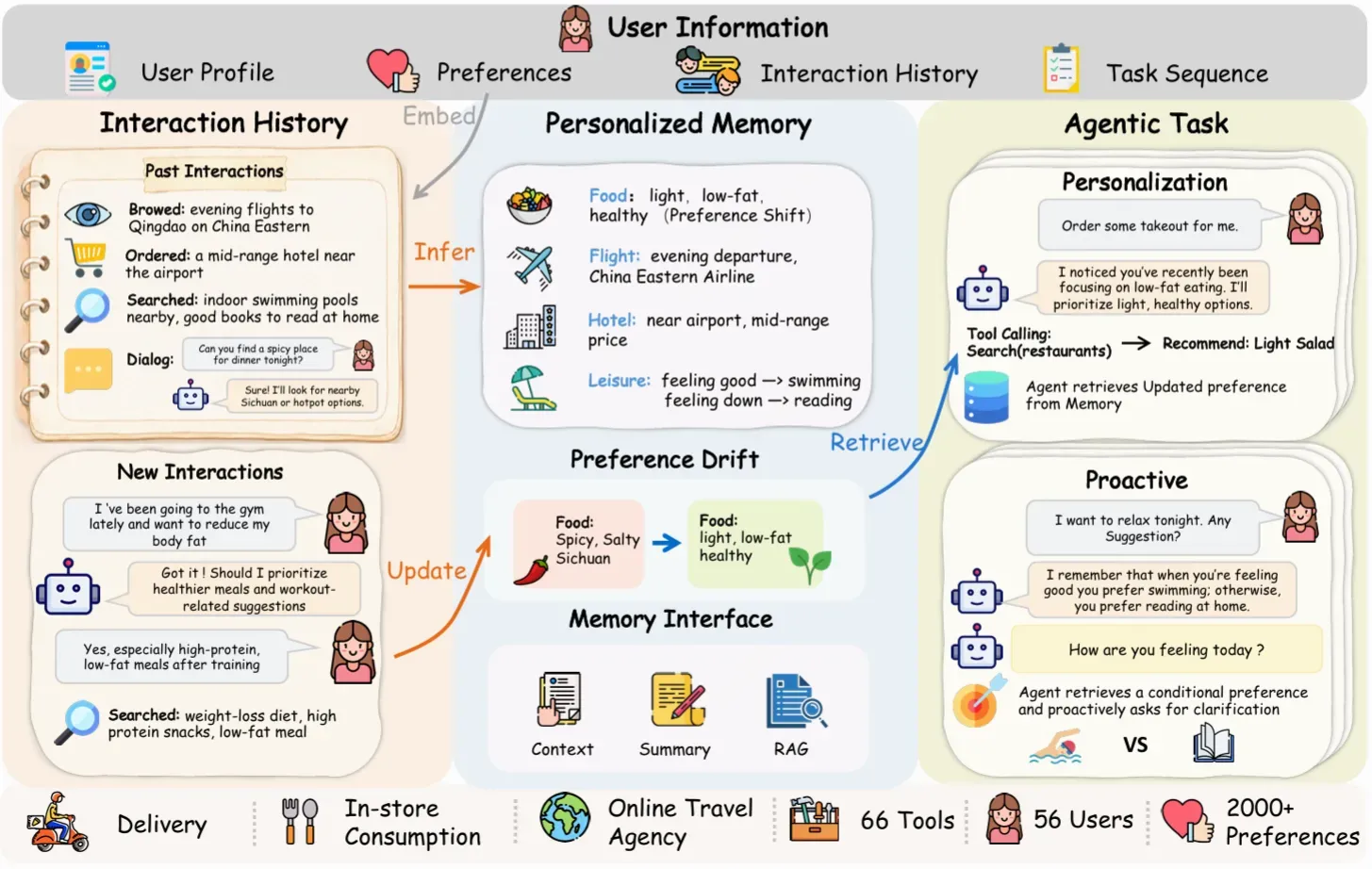
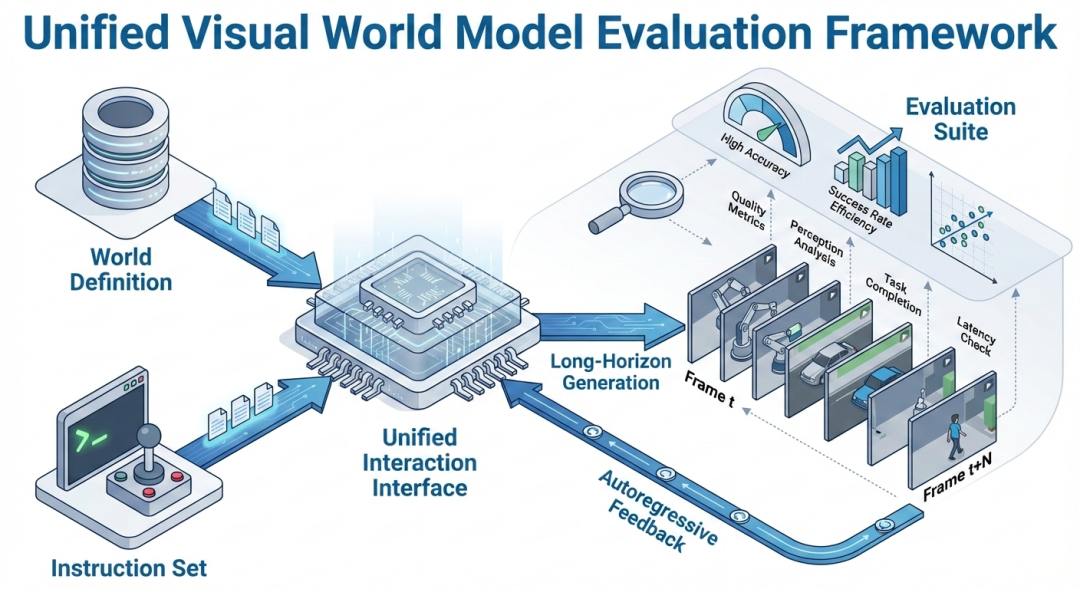
The Meituan Technical Team's contributions to ACL 2026 represent a comprehensive approach to the current challenges facing the AI industry. By selecting six distinct yet interconnected areas, the research addresses the full lifecycle of large language model (LLM) development. The focus on large model evaluation suggests a move toward more robust and reliable metrics for assessing AI performance, which is crucial as models become more integrated into consumer services.
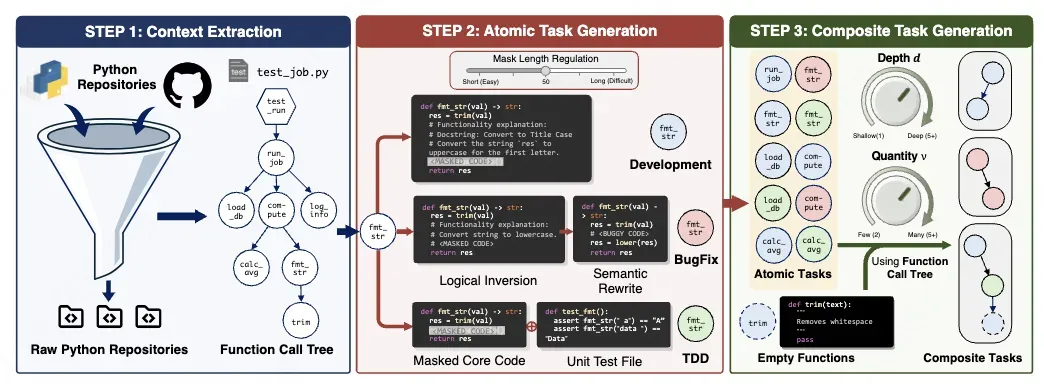
Furthermore, the emphasis on complex process reasoning and competition-level mathematical thinking optimization indicates a shift from simple text generation to high-order cognitive tasks. These areas are essential for developing AI that can handle multi-step logic and precise calculations, which are often required in industrial logistics and financial planning—core components of Meituan's business ecosystem.
Optimizing Performance through RL and Generative Recommendations
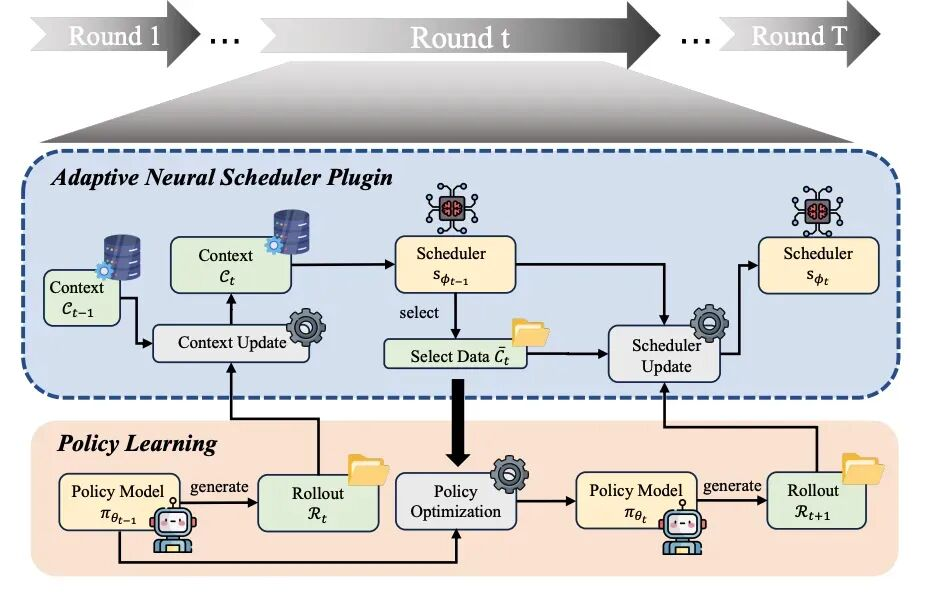
Another pillar of Meituan's research involves reinforcement learning (RL) optimization. Reinforcement learning is a cornerstone of modern LLM training, particularly in aligning models with human intent. By optimizing these processes, Meituan aims to improve the efficiency and accuracy of model responses.
In tandem with RL, the exploration of generative recommendation systems marks a significant evolution in how users interact with platforms. Traditional recommendation engines rely on discriminative models to rank items; however, Meituan's focus on generative approaches suggests a future where recommendations are more conversational, context-aware, and personalized. This research direction is directly applicable to enhancing user experience on Meituan's various service platforms, where understanding nuanced user intent is key to providing relevant suggestions.
Industry Impact
The inclusion of these six papers in ACL 2026 signifies a major contribution to the global AI landscape. For the industry, Meituan's work on building a new generative paradigm provides a blueprint for how large-scale technology companies can transition from using AI as a tool to integrating it as a core reasoning engine.
The focus on mathematical and process-oriented reasoning is particularly impactful for the development of "AI Agents" that can perform autonomous tasks. As the industry moves toward more specialized and capable models, Meituan's research into evaluation and optimization ensures that these advancements are both measurable and sustainable. This research not only elevates Meituan's technical brand but also pushes the boundaries of what generative models can achieve in complex, real-world environments.
Frequently Asked Questions
Question: What are the primary technical areas covered by Meituan's ACL 2026 papers?
Meituan's research covers six key areas: large model evaluation, complex process reasoning, competition-level mathematical thinking optimization, reinforcement learning optimization, and generative recommendation systems. These topics aim to improve the reasoning, evaluation, and application of generative AI.
Question: Why is the focus on "competition-level mathematical thinking" significant?
Optimizing for competition-level math indicates that the research is pushing LLMs to handle extremely high-difficulty logic and problem-solving tasks. This level of optimization is necessary for AI to move beyond basic assistance and into roles that require rigorous accuracy and complex multi-step reasoning.
Question: How does generative recommendation differ from traditional recommendation systems?
While the original news does not provide specific details, generative recommendation generally refers to using generative models to create or explain recommendations in a more natural, context-rich way, rather than simply providing a list of items based on historical data. This aligns with Meituan's goal of creating a new paradigm for AI-driven user interaction.