Meituan Showcases AI Innovations at ACL 2026: Advancing Large Model Evaluation and Inference Optimization
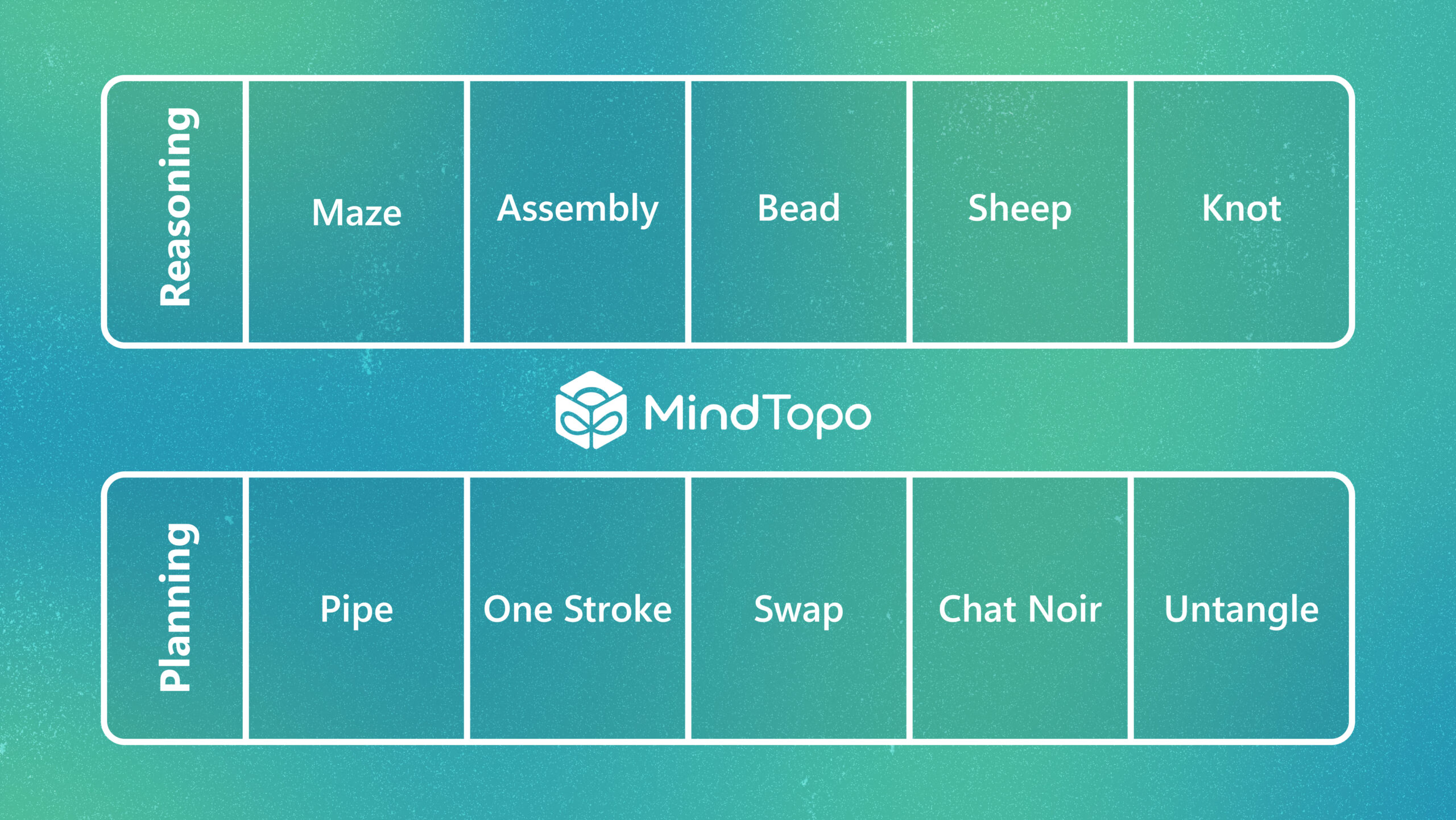
Meituan's technical team has announced the acceptance of six research papers at ACL 2026, a premier international conference for computational linguistics and natural language processing. These papers represent significant advancements in the field of AI, covering a diverse range of technical directions including large-scale model evaluation, complex process reasoning, and competition-level mathematical thinking optimization. Additionally, the research explores reinforcement learning optimization and generative recommendation systems. This selection underscores Meituan's strategic focus on building a new paradigm for generative AI, emphasizing both the rigorous assessment of model capabilities and the enhancement of inference efficiency for complex tasks.
Key Takeaways
- Academic Excellence: Meituan has successfully had six research papers accepted at ACL 2026, one of the most prestigious conferences in the field of Natural Language Processing (NLP).
- Diverse Technical Scope: The accepted research spans critical AI domains, including model evaluation, complex reasoning, mathematical optimization, and reinforcement learning.
- Focus on Inference: A significant portion of the work is dedicated to optimizing inference processes and enhancing the logical capabilities of large models.
- New Generative Paradigm: The collective research aims to establish a new framework for generative AI, moving from simple generation to structured, optimized, and evaluable outputs.
In-Depth Analysis
Advancing the Frontiers of Model Evaluation and Reasoning
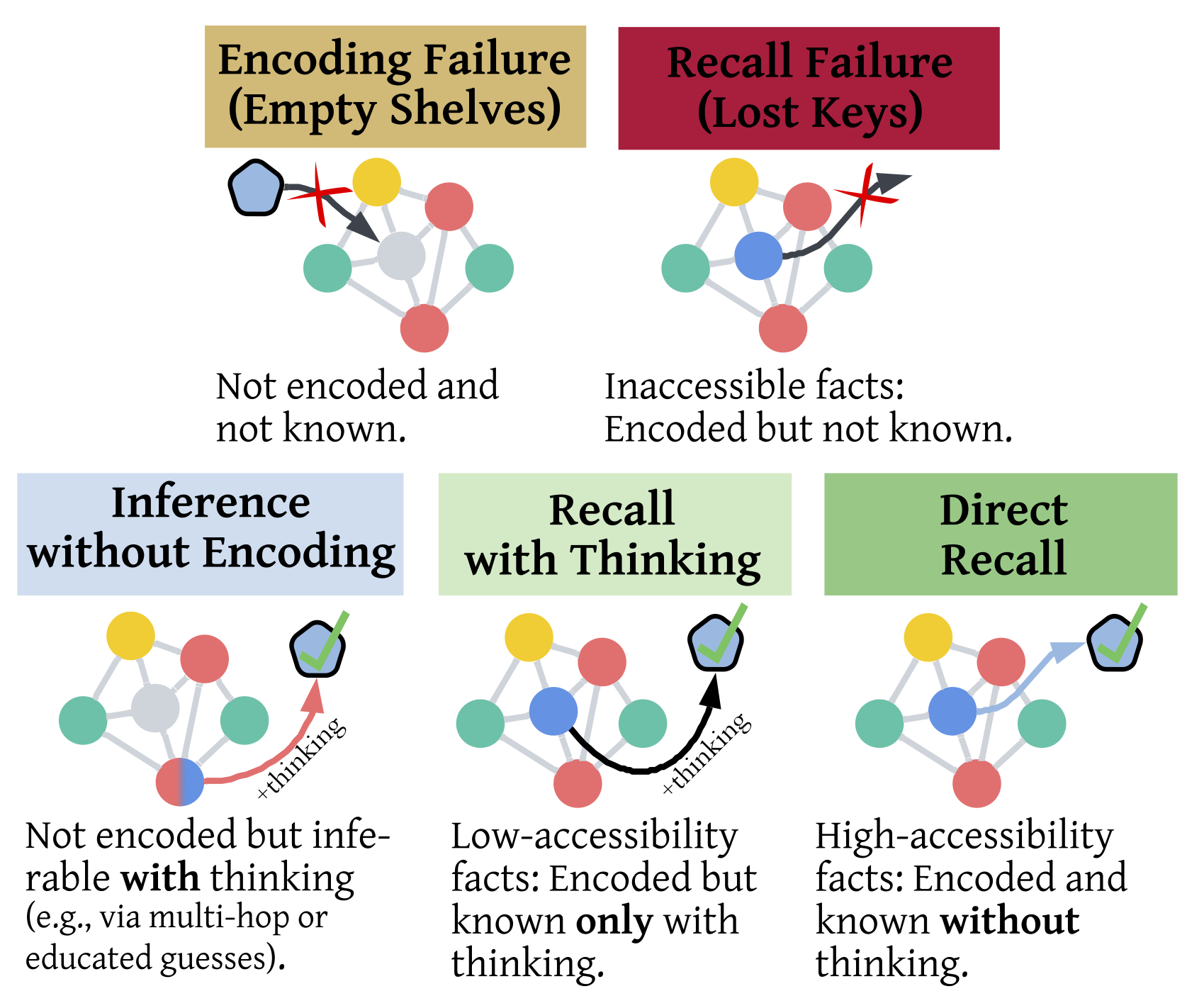
Meituan's contributions to ACL 2026 highlight a sophisticated approach to the current challenges facing Large Language Models (LLMs). By focusing on Large Model Evaluation, the research addresses the industry's need for more accurate and comprehensive benchmarks. As AI systems are integrated into more complex environments, the ability to measure their performance reliably becomes a foundational requirement for deployment. This evaluation research likely provides new methodologies for assessing how models handle diverse and nuanced linguistic tasks.
Furthermore, the emphasis on Complex Process Reasoning and Competition-level Mathematical Thinking Optimization suggests a shift toward high-order cognitive tasks. Rather than focusing solely on linguistic fluency, Meituan is exploring how models can be optimized to solve multi-step problems and mathematical challenges that require rigorous logic. This is particularly relevant for industries requiring high precision and structured problem-solving capabilities.
Optimization Through Reinforcement Learning and Generative Systems
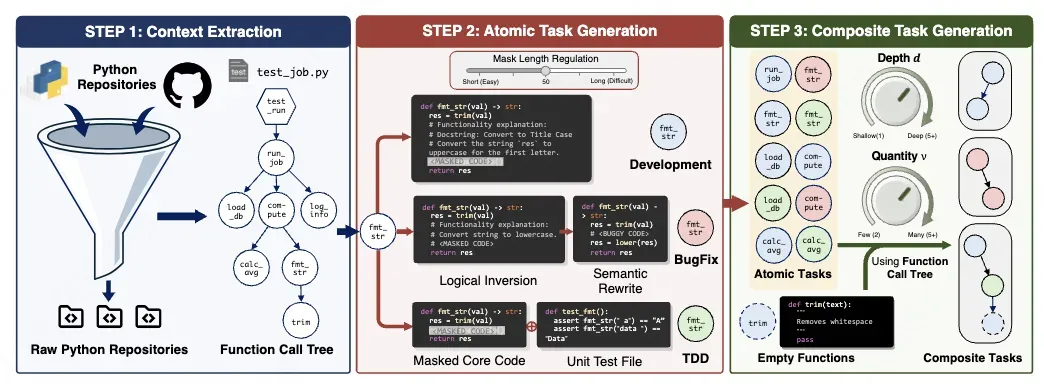
The research also delves into Reinforcement Learning (RL) Optimization, a key driver in aligning AI behavior with human intent and improving decision-making processes. By refining RL techniques, Meituan aims to enhance the efficiency and stability of model training. This technical direction is crucial for creating models that can adapt to feedback and improve over time without excessive computational overhead.
In the realm of application, the focus on Generative Recommendation represents a significant evolution in how users interact with digital platforms. Traditional recommendation systems often rely on collaborative filtering or content-based matching; however, a generative approach allows for more dynamic and personalized user experiences. By integrating generative capabilities into recommendation engines, Meituan is positioning itself at the forefront of the next generation of consumer-facing AI technologies.
Industry Impact
Setting New Standards for NLP Research
The acceptance of six papers at a top-tier venue like ACL 2026 reinforces Meituan's position as a leader in industrial AI research. For the broader AI industry, these developments signal a move toward more specialized and optimized models. The focus on inference optimization is particularly impactful, as it directly addresses the scalability and cost-efficiency of deploying large models in real-world scenarios.
Bridging the Gap Between Theory and Application
Meituan’s research directions—ranging from mathematical reasoning to generative recommendations—demonstrate a clear path from theoretical breakthrough to practical application. By optimizing mathematical thinking and complex reasoning, the industry can develop AI agents capable of handling sophisticated professional tasks. Meanwhile, advancements in generative recommendation systems could redefine the standard for user engagement in e-commerce and service platforms, making AI interactions more intuitive and contextually aware.
Frequently Asked Questions
Question: What is the significance of Meituan's papers being accepted at ACL 2026?
ACL (Association for Computational Linguistics) is a top-tier international academic conference in the NLP field. Having six papers accepted demonstrates that Meituan's technical research meets the highest global standards for innovation and scientific rigor in artificial intelligence and natural language processing.
Question: What specific technical areas do the Meituan ACL 2026 papers cover?
The papers cover six primary directions: large model evaluation, complex process reasoning, competition-level mathematical thinking optimization, reinforcement learning optimization, and generative recommendation systems. Together, these aim to build a new paradigm for generative AI.
Question: How does "Inference Optimization" benefit the AI industry?
Inference optimization focuses on making the process of generating outputs from an AI model faster and more efficient. This is critical for reducing the computational costs of running large models and improving the response times for end-users in real-time applications.