AI News on August 25, 2026

Japan Plans Additional $944 Million Investment for Chipmaker Rapidus to Strengthen Semiconductor Industry
Industry News

Japan Plans Additional $944 Million Investment for Chipmaker Rapidus to Strengthen Semiconductor Industry

The Japanese government has signaled a significant expansion of its support for the domestic semiconductor sector, with the Ministry of Economy, Trade and Industry (METI) planning to allocate an additional $944 million to the chipmaker Rapidus. This latest financial commitment is part of a broader, long-term strategy to bolster the nation's chip manufacturing capabilities. In addition to the immediate $944 million plan, METI has officially stated its intention to pursue further funding for Rapidus in the fiscal 2027 budget. This move highlights the government's sustained dedication to the project and its role in the global technology landscape, ensuring that Rapidus has the necessary capital to meet its developmental milestones over the coming years.


Tech in Asia
Replit CEO Amjad Masad to Headline Future of Programming Session at TechCrunch Disrupt 2026
Industry News

Replit CEO Amjad Masad to Headline Future of Programming Session at TechCrunch Disrupt 2026

Amjad Masad, the co-founder and CEO of Replit, has been officially announced as a featured speaker for the Disrupt Stage at TechCrunch Disrupt 2026. During the event, Masad will provide an in-depth look at the future of programming and discuss the strategic role Replit is playing in the evolution of software development. This appearance is expected to highlight the shifting paradigms in how code is created and the growing importance of accessible, cloud-native development environments. As a prominent figure in the developer tools industry, Masad's insights will offer a glimpse into the next generation of programming workflows and the technological advancements driving the industry forward.

TechCrunch AI
How Toyota North America Scales Enterprise AI: Deploying 50+ Production Agents with LangSmith and Deep Agents
Industry News

How Toyota North America Scales Enterprise AI: Deploying 50+ Production Agents with LangSmith and Deep Agents

Toyota North America has achieved a significant milestone in enterprise AI by successfully deploying over 50 production-ready agents. By utilizing Deep Agents and the LangSmith platform, the automotive giant has transformed its development lifecycle, reducing the time required to deliver AI solutions from a traditional six-month window to a mere four days. This transition highlights a shift toward high-velocity AI deployment and operational efficiency. Furthermore, Toyota is leveraging LangSmith to track the return on investment (ROI) of these AI initiatives, effectively integrating AI performance and value directly onto the company's balance sheet. This case study serves as a benchmark for how large-scale organizations can move beyond experimental AI to achieve measurable, rapid, and scalable production results.

LangChain
The Growing Conflict Over Robotaxi Expansion: New York’s Regulatory Pushback Explained
Industry News

The Growing Conflict Over Robotaxi Expansion: New York’s Regulatory Pushback Explained

The rapid expansion of robotaxi technology is encountering significant legal and social resistance, most notably in New York. Governor Kathy Hochul recently withdrew a legislative proposal that would have permitted driverless robotaxis to operate outside of New York City. This move came after a concerted effort from taxi drivers, labor unions, and state lawmakers who expressed concerns over the technology's impact. Consequently, commercial driverless services remain illegal in the state. This development highlights a broader national trend where the technical readiness of companies like Waymo, Zoox, and Tesla is being met with rigorous scrutiny from regulators and established transportation stakeholders. The standoff in New York serves as a critical case study in the tension between autonomous vehicle innovation and traditional labor protections.

The Verge
Microsoft Paint and Photos Found Embedding Invisible Server-Issued GUID Watermarks in Locally Generated AI Images
Industry News

Microsoft Paint and Photos Found Embedding Invisible Server-Issued GUID Watermarks in Locally Generated AI Images

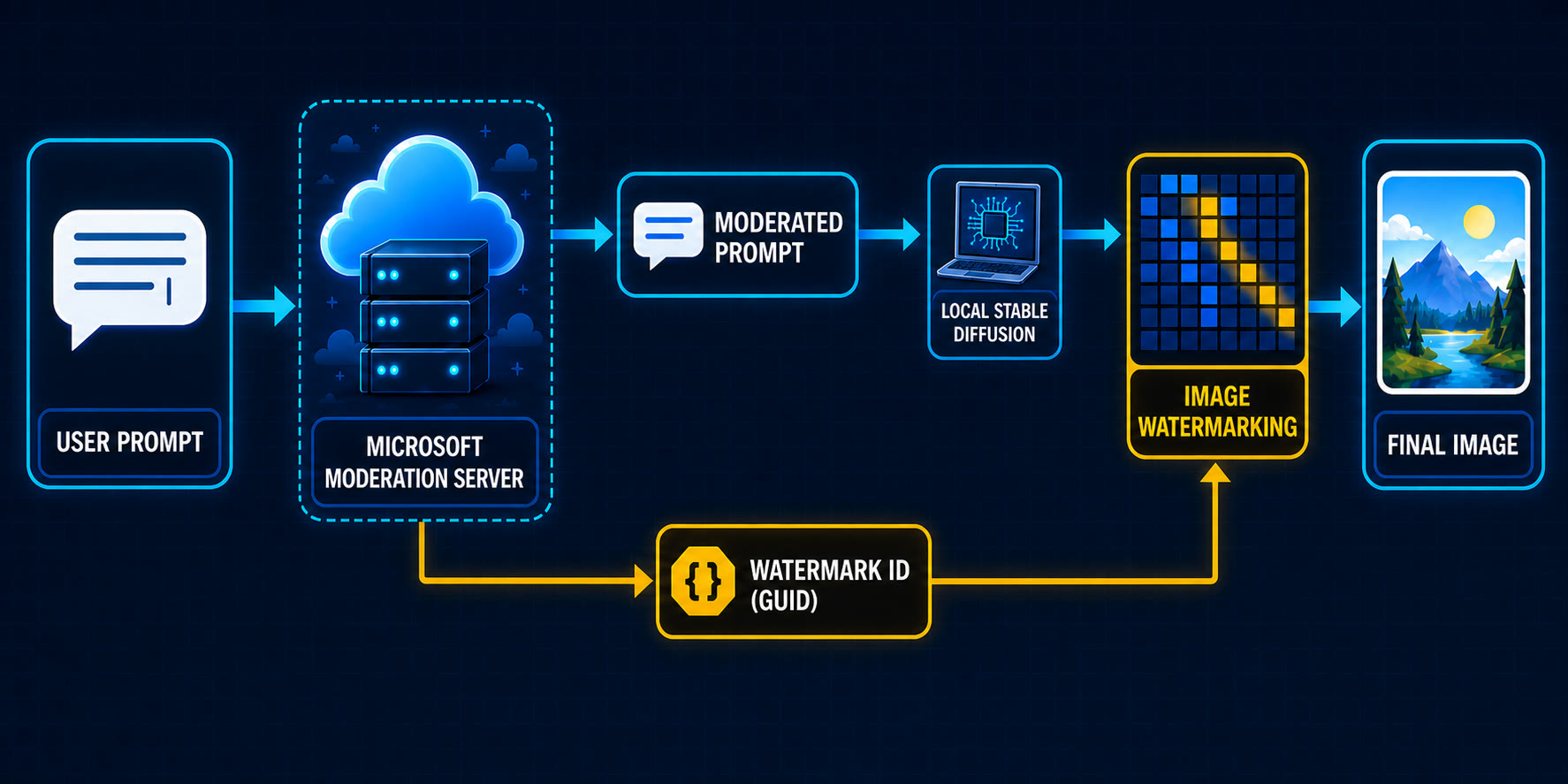
A recent reverse engineering investigation has uncovered that Microsoft Paint and Photos embed invisible, server-issued Global Unique Identifiers (GUIDs) into images generated locally via AI. While these applications utilize local ONNX models on Copilot+ PCs for image creation, the prompt moderation process remains tethered to remote servers. During this moderation phase, a GUID is generated and subsequently woven into the image pixels as a persistent, invisible watermark. This tracking mechanism operates independently of user-controlled visible watermark settings. Furthermore, Microsoft enforces the use of C2PA-compliant file formats, such as PNG and JPEG, to ensure that attribution metadata remains intact. The discovery highlights a sophisticated hybrid approach to AI content tracking where local execution is coupled with centralized oversight and persistent identification.

Hacker News
Xiaomi Xring O3 CPU Challenges Apple with Massive Multi-Threaded Performance and 44MB Cache
Industry News

Xiaomi Xring O3 CPU Challenges Apple with Massive Multi-Threaded Performance and 44MB Cache

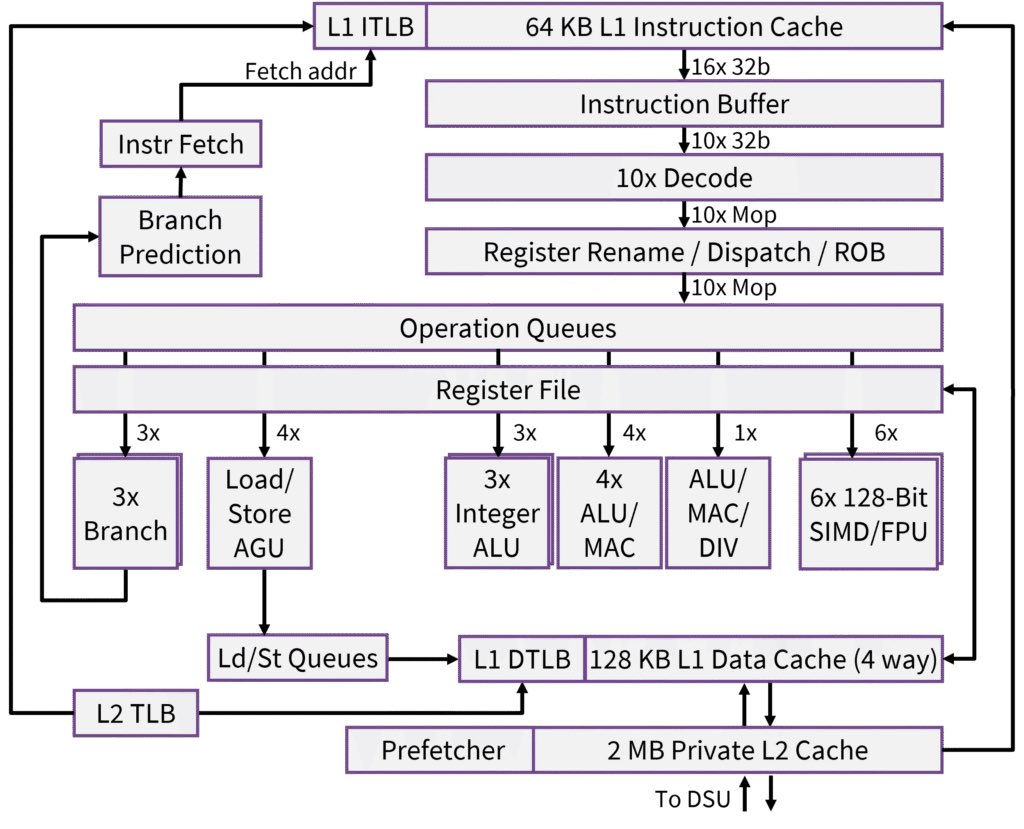
Xiaomi has introduced its latest processor, the Xring O3, marking a significant milestone in mobile computing. According to industry reports, the chip's high-performance C1-Ultra cores match Apple's single-threaded capabilities while delivering a substantial lead in multi-threaded execution. Benchmarks reveal a Geekbench single-core score of 3,945 and a record-breaking multi-core score of 15,221. A standout feature of the Xring O3 is its 44 MB of total cache, which exceeds the capacity found in many contemporary Intel laptop CPUs. Architecturally, the processor is designed for massive parallelism, featuring 21 execution ports and support for advanced extensions like SME2 and SVE2. This development highlights a growing industry trend where transistor budgets are increasingly allocated toward cache and parallel execution units to drive AI and data-intensive performance.

Hacker News
How XPUs Meet a World-Class AI Factory: Redefining the Economics of Large-Scale Intelligence Generation
Industry News

How XPUs Meet a World-Class AI Factory: Redefining the Economics of Large-Scale Intelligence Generation

NVIDIA's latest insights explore the transition from viewing AI hardware as individual accelerators to treating infrastructure as a comprehensive 'AI Factory.' To generate intelligence at scale, these factories must operate continuously, with their success defined by specific economic metrics: tokens per second, tokens per watt, and cost per token. As hyperscalers and AI-native companies develop custom XPUs (Accelerated Processing Units), they must move beyond component-level thinking. The focus is shifting toward a full-factory design that prioritizes high utilization and uptime. This strategic approach ensures that AI infrastructure is not merely a collection of parts but a synchronized system optimized for the efficient and cost-effective delivery of AI-generated output, fundamentally changing how the industry evaluates performance and ROI.

NVIDIA Newsroom
NVIDIA Advances Agentic AI Inference with Vera Rubin NVL72 and Groq 3 LPX Integration
Industry News

NVIDIA Advances Agentic AI Inference with Vera Rubin NVL72 and Groq 3 LPX Integration

NVIDIA has announced a significant expansion of its AI inference capabilities by bringing the Groq 3 LPX into full production and extending the Vera Rubin NVL72 rack-scale system. This strategic move is specifically designed to enhance fast token generation, a critical requirement for the next generation of agentic AI systems. By focusing on the "AI factory" model—where chips, networks, and systems are optimized as a single unit—NVIDIA aims to redefine how inference is handled at scale. The announcement underscores a shift from individual component breakthroughs to a holistic system-level architecture designed to support the complex demands of autonomous AI agents. The integration of these technologies represents a unified approach to the entire AI infrastructure stack.

NVIDIA Newsroom
NVIDIA Vera Rubin NVL72 Redefines Efficiency: Delivering 30x More Work Per Watt for Complex Agentic AI Workloads
Industry News

NVIDIA Vera Rubin NVL72 Redefines Efficiency: Delivering 30x More Work Per Watt for Complex Agentic AI Workloads

NVIDIA has announced the Vera Rubin NVL72, a next-generation AI infrastructure designed to address the massive computational demands of agentic AI. According to data from OpenRouter, agentic AI workloads are significantly more resource-intensive than standard chat requests, consuming up to 15x more tokens. This surge in demand is driven by the multi-step reasoning and external data integration required for autonomous tasks, such as financial research and investment modeling. The Vera Rubin NVL72 sets a new industry benchmark by providing up to 30x more work per watt, offering a sustainable and high-performance solution for scaling complex AI agents. By optimizing the energy efficiency of sub-agent orchestration and data synthesis, NVIDIA aims to enable the next era of autonomous digital intelligence.

NVIDIA Newsroom
NVIDIA Groq 3 LPX Enters Full Production: Accelerating Agentic AI with the Vera Rubin Platform
Product Launch

NVIDIA Groq 3 LPX Enters Full Production: Accelerating Agentic AI with the Vera Rubin Platform

NVIDIA has officially announced that the NVIDIA Groq 3 LPX, a specialized interactive AI inference accelerator, has moved into full production. Designed as a critical extension of the NVIDIA Vera Rubin platform, the Groq 3 LPX is engineered to address the growing demand for high-speed AI inference. By enabling ultrafast token generation, the hardware provides the necessary performance for highly responsive agentic systems. This transition to full production marks a significant milestone in NVIDIA's hardware roadmap, focusing specifically on the interactivity and speed required for the next generation of autonomous AI agents. The integration with the Vera Rubin platform ensures that the Groq 3 LPX fits into a broader ecosystem of high-performance computing, aimed at reducing latency and maximizing the efficiency of complex AI workflows.

NVIDIA Newsroom
SpaceXAI Adopts NVIDIA Vera CPU to Accelerate Agentic AI at Massive Scale
Industry News

SpaceXAI Adopts NVIDIA Vera CPU to Accelerate Agentic AI at Massive Scale

NVIDIA has announced a landmark partnership with SpaceXAI, which will see the deployment of the new NVIDIA Vera CPUs to power next-generation agentic AI applications. As the first CPU architecture specifically engineered for AI agents, the Vera processor is designed to meet the rigorous demands of one of the world’s most ambitious AI deployments. This move signifies a major shift in AI infrastructure, prioritizing specialized silicon to handle the complexities of autonomous agents at a massive scale. The collaboration aims to accelerate the performance and efficiency of SpaceXAI’s autonomous systems, marking a new era in the evolution of agent-centric computing power.

NVIDIA Newsroom
Xpeng’s Robotics Arm Secures Over $900 Million in Series A Funding to Advance Physical AI
Funding

Xpeng’s Robotics Arm Secures Over $900 Million in Series A Funding to Advance Physical AI

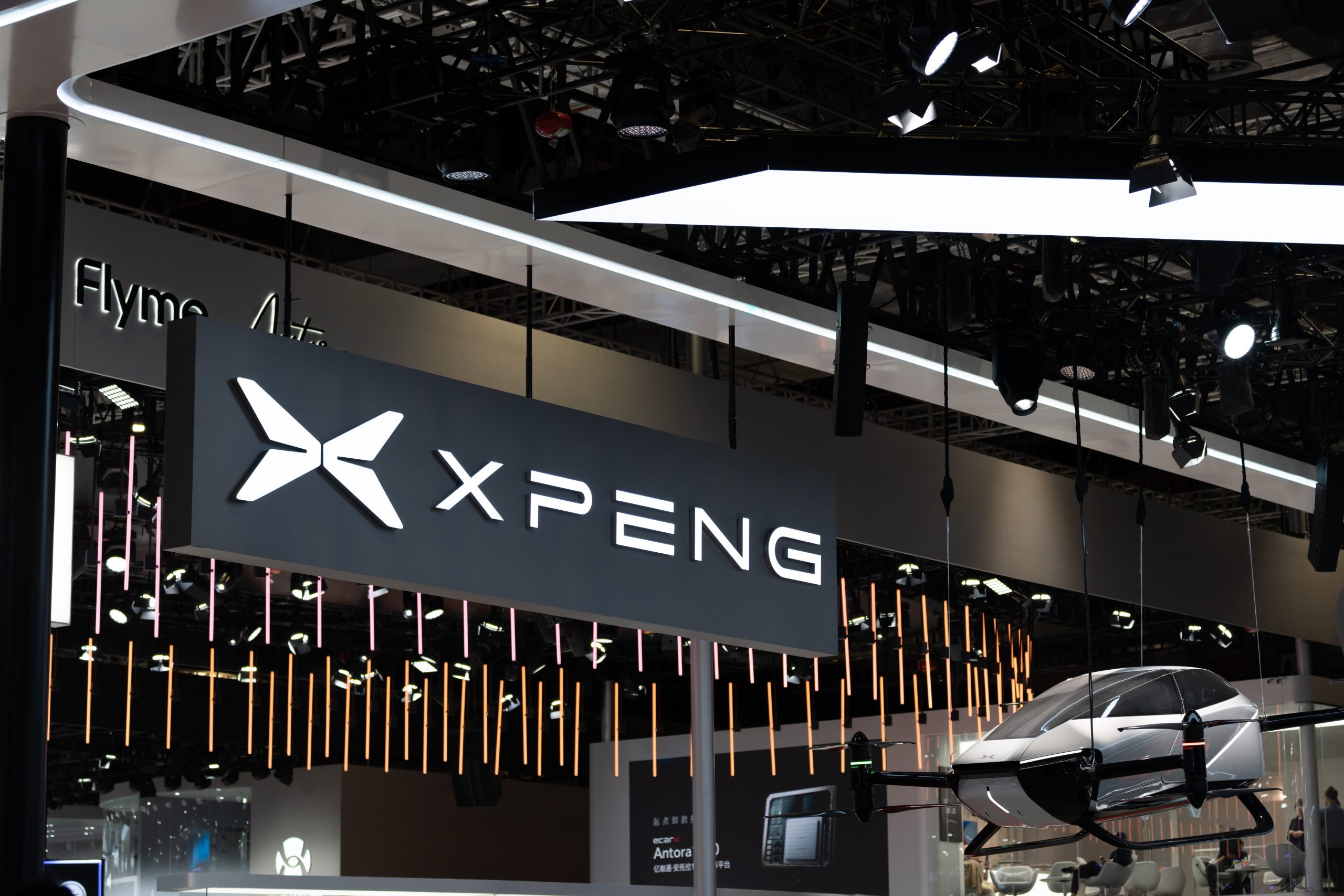
Xpeng’s robotics division has successfully completed a Series A funding round, raising more than $900 million. This significant capital injection is designated for several core strategic initiatives aimed at advancing the company's position in the robotics and artificial intelligence sectors. According to the company, the funds will be directed toward intensive hardware and software research and development (R&D), as well as the specialized field of physical AI training. Furthermore, the investment will support the development of smart manufacturing infrastructure and facilitate the company’s planned global expansion. This move underscores a major commitment to integrating AI with physical systems and scaling production capabilities to meet international demand.

Tech in Asia
Product Launch

OpenAI Launches GPT-5.6 in Kiro: Enhancing Price-Performance for the Software Development Lifecycle

OpenAI has announced the availability of GPT-5.6 within the Kiro platform, a strategic update aimed at optimizing the software development process. This release is specifically designed to assist developers in planning, building, reviewing, and testing software with a focus on superior price-performance. By integrating GPT-5.6 into Kiro, OpenAI provides a more cost-effective and efficient solution for technical workflows, ensuring that high-level AI intelligence is accessible for professional engineering tasks. The update highlights OpenAI's commitment to delivering tools that balance advanced computational power with economic efficiency, directly addressing the needs of the modern developer ecosystem.

OpenAI Blog
Mapping Australia's AI Sector: A Comprehensive Analysis of Trailblazing Startups, Investors, and Funding Trends
Industry News

Mapping Australia's AI Sector: A Comprehensive Analysis of Trailblazing Startups, Investors, and Funding Trends

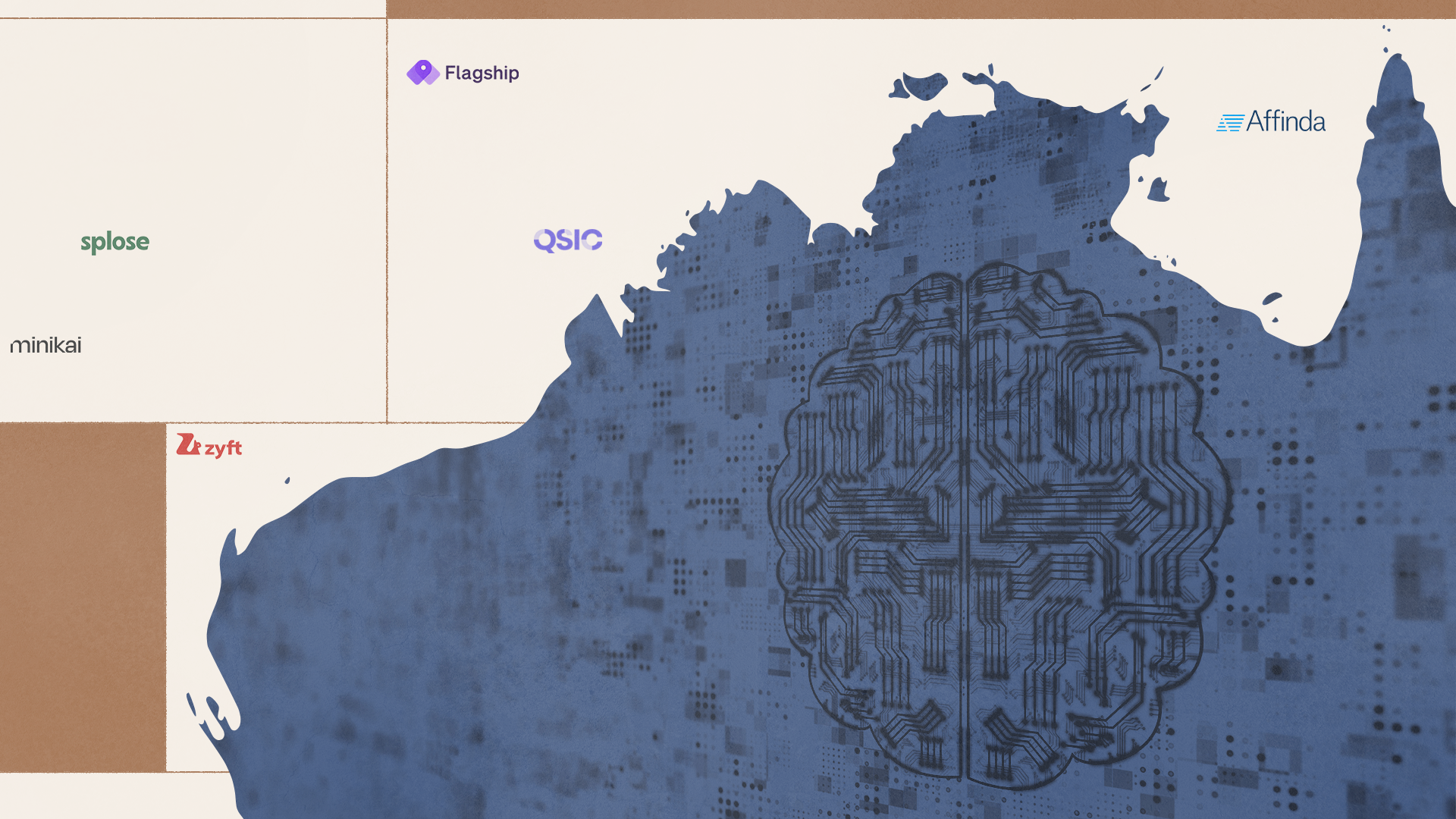
Tech in Asia has released a pivotal report titled "Mapping the trailblazing startups in Australia’s AI sector," providing a detailed overview of the burgeoning artificial intelligence landscape in the region. The report serves as a centralized resource, identifying the key players and trailblazing startups that are currently driving innovation. Beyond identifying individual companies, the analysis delves into the financial ecosystem, highlighting the top investors and providing critical funding insights that characterize the sector's growth. By consolidating data on startups, investors, and capital flow, the report offers a strategic map for stakeholders to understand the current state and future trajectory of AI development in Australia. This comprehensive mapping is essential for navigating the complexities of the Australian tech industry and identifying the primary drivers of AI-led economic transformation.

Tech in Asia
Indonesia’s Vidio to Launch Six AI-Generated Titles by 2027 to Slash Animation Costs and Expand Local IP
Industry News

Indonesia’s Vidio to Launch Six AI-Generated Titles by 2027 to Slash Animation Costs and Expand Local IP

Indonesian streaming giant Vidio has announced an ambitious roadmap to integrate artificial intelligence into its content production pipeline. By 2027, the platform aims to release six AI-generated titles, a move designed to significantly bolster its local intellectual property (IP) portfolio. The integration of AI technologies has already demonstrated substantial economic benefits, with the company reporting a reduction in animation production costs by as much as 40%. This strategic shift highlights Vidio's commitment to technological innovation and reflects a broader trend in the streaming industry to leverage AI for cost-efficiency and creative experimentation. As Vidio explores new formats, the move positions the platform as a frontrunner in the Southeast Asian digital entertainment landscape, focusing on scaling content while maintaining fiscal responsibility.

Tech in Asia
Exploring Awesome-GPT-Image-2: An Industrial-Grade Prompt Engine and Template Library for Advanced AI Image Generation
Open Source

Exploring Awesome-GPT-Image-2: An Industrial-Grade Prompt Engine and Template Library for Advanced AI Image Generation

Awesome-GPT-Image-2, a new repository by developer freestylefly, has emerged as a significant resource in the AI image generation space. Built on the philosophy that 'Prompt is Code,' this project functions as an industrial-grade prompt engine and template library. It features over 470 reverse-engineered cases and more than 20 sets of professional-grade templates designed for high-level output. By refining specific 'Skills' and maintaining a commitment to continuous updates, the repository aims to bridge the gap between casual prompting and professional engineering. This structured approach provides a comprehensive framework for users looking to achieve consistent, high-quality results in AI-driven visual creation through a systematic and refined methodology.

GitHub Trending
Matt Pocock Releases 'Skills' Repository: A New Resource for AI Agent Engineering for Real Engineers
Open Source

Matt Pocock Releases 'Skills' Repository: A New Resource for AI Agent Engineering for Real Engineers

Matt Pocock has unveiled a new GitHub repository titled 'skills,' which has quickly gained traction within the developer community. The project is described as a collection of skills specifically designed for 'real engineers,' sourced directly from the author's personal '.agents' directory. This release highlights a growing trend in the AI industry where developers are sharing the internal configurations and capabilities used to power autonomous AI agents. By focusing on practical, engineering-centric skills rather than theoretical concepts, the repository aims to provide high-utility resources for those building in the agentic AI space. The trending status of this repository underscores the high demand for authentic, battle-tested engineering tools in the rapidly evolving landscape of artificial intelligence and automated workflows.

GitHub Trending
New Open-Source Project 'Free-Claude-Code' Offers Access to 1.3 Billion Free Tokens Across Multiple Platforms
Open Source

New Open-Source Project 'Free-Claude-Code' Offers Access to 1.3 Billion Free Tokens Across Multiple Platforms

A new GitHub repository titled 'free-claude-code' has gained traction by offering users free access to high-performance AI models including Claude Code, Codex, Pi, and OpenCode. The project claims to provide over 1.3 billion free tokens, making advanced AI capabilities accessible through various interfaces such as terminals, IDEs, mobile devices, and standalone applications. Positioned as a tool similar to OpenClaw, it distinguishes itself by supporting voice interactions and maintaining compliance with service terms. This development marks a significant entry into the open-source AI space, aiming to provide developers and general users with a versatile, cost-effective way to integrate sophisticated coding and conversational AI into their daily workflows without the traditional barriers of API costs or platform limitations.

GitHub Trending
Apache Maka: Exploring the Local-First AI Agent Workspace and Its Append-Only Log Architecture
Open Source

Apache Maka: Exploring the Local-First AI Agent Workspace and Its Append-Only Log Architecture

Apache Maka, a project currently in the Apache Incubator, is introducing a specialized local-first workspace designed for AI agents. The core of the project revolves around a robust logging system where every critical interaction—including model messages, tool calls, tool results, permission decisions, and termination events—is recorded as an append-only log. This architecture emphasizes transparency and auditability, allowing developers and users to maintain a complete, immutable history of an AI agent's operations. By prioritizing a local-first approach, Apache Maka addresses key industry needs for data sovereignty and reliable tracking in autonomous AI workflows. This analysis examines the technical significance of its logging mechanism and its role within the open-source AI ecosystem.

GitHub Trending
OpenAI Codex CLI: A Lightweight Local Coding Agent for Terminal Environments
Product Launch

OpenAI Codex CLI: A Lightweight Local Coding Agent for Terminal Environments

OpenAI has introduced Codex CLI, a specialized coding agent designed to run locally on a user's computer within the terminal environment. Characterized as a "lightweight" solution, this tool brings OpenAI's coding intelligence directly to the command line, offering a streamlined alternative to more resource-intensive development environments. By focusing on local execution, Codex CLI addresses the needs of developers looking for fast, integrated, and terminal-centric AI assistance. This development signifies OpenAI's continued expansion into specialized developer tools that prioritize efficiency and local accessibility. The tool is designed to operate as a lightweight agent, ensuring that it does not over-encumber the user's system while providing powerful coding assistance directly where developers often spend most of their time: the terminal.

GitHub Trending
Buzz: A New Hive-Mind Communication Platform for Human and AI Agent Collaboration
Open Source

Buzz: A New Hive-Mind Communication Platform for Human and AI Agent Collaboration

Buzz is an emerging open-source project developed by 'block' that introduces a unique 'hive-mind' communication platform. Trending on GitHub, the project is designed as a collaborative workspace where humans and AI agents can build together. Unlike centralized communication tools, Buzz operates on relays owned by the users, emphasizing a decentralized approach to collective intelligence and project development. By integrating autonomous agents directly into the workspace, Buzz aims to facilitate a seamless synergy between human creativity and artificial intelligence. The platform's focus on user-owned infrastructure suggests a commitment to data sovereignty and decentralized networking, positioning it as a novel solution for the evolving landscape of AI-driven collaboration.

GitHub Trending