Mapping Australia's AI Sector: A Comprehensive Analysis of Trailblazing Startups, Investors, and Funding Trends
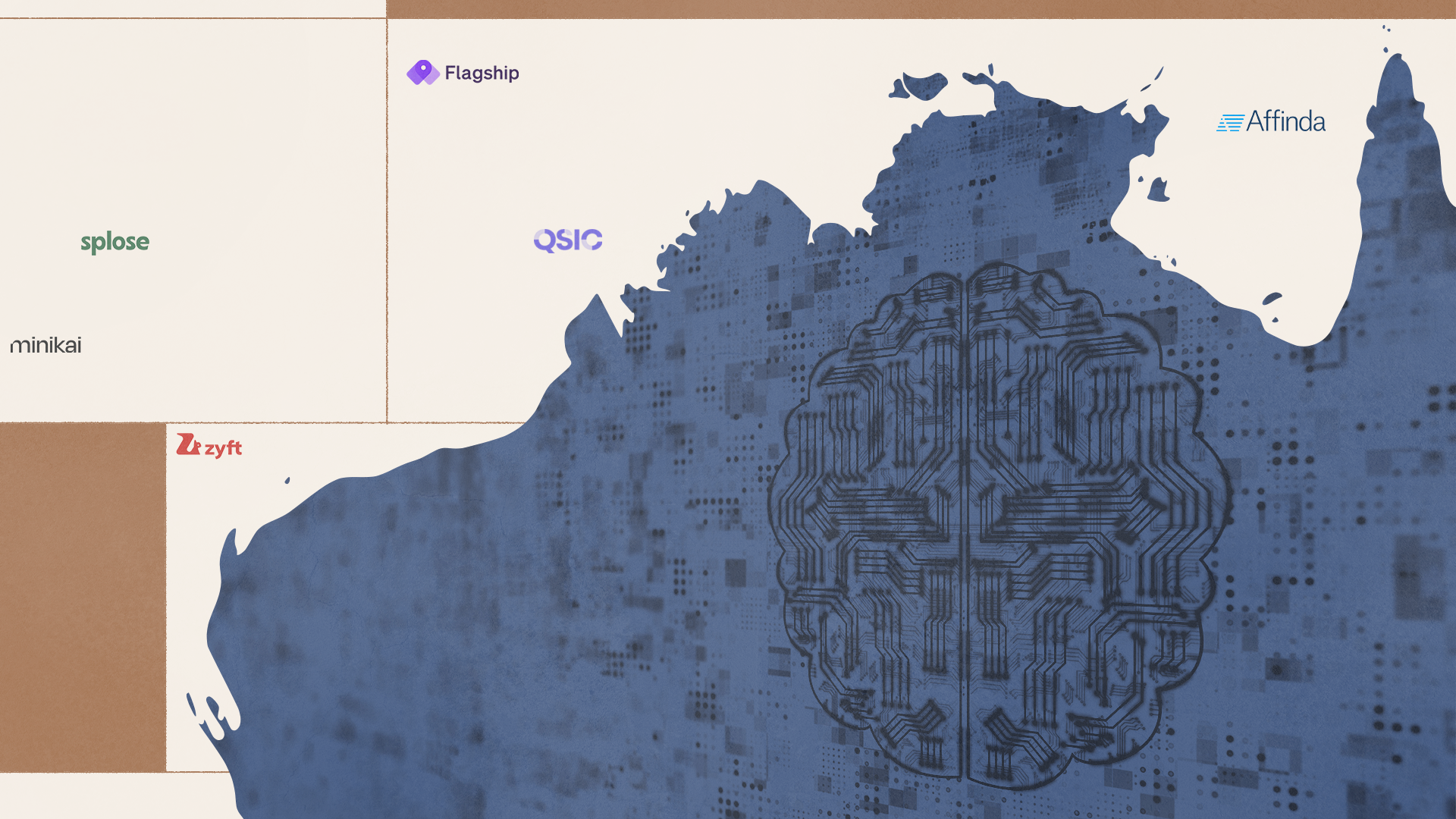
Tech in Asia has released a pivotal report titled "Mapping the trailblazing startups in Australia’s AI sector," providing a detailed overview of the burgeoning artificial intelligence landscape in the region. The report serves as a centralized resource, identifying the key players and trailblazing startups that are currently driving innovation. Beyond identifying individual companies, the analysis delves into the financial ecosystem, highlighting the top investors and providing critical funding insights that characterize the sector's growth. By consolidating data on startups, investors, and capital flow, the report offers a strategic map for stakeholders to understand the current state and future trajectory of AI development in Australia. This comprehensive mapping is essential for navigating the complexities of the Australian tech industry and identifying the primary drivers of AI-led economic transformation.
Key Takeaways
- Comprehensive Ecosystem Mapping: The report provides a detailed visual and analytical map of the Australian AI sector, identifying the primary startups and established players.
- Identification of Trailblazers: A core focus of the analysis is the identification of "trailblazing" startups that are leading innovation within the Australian artificial intelligence landscape.
- Investor Transparency: The report highlights the top investors who are actively participating in and funding the AI sector in Australia.
- Funding Insights: Critical data regarding funding trends and financial insights are consolidated to provide a clear picture of the capital flow within the industry.
In-Depth Analysis
The Scope of Australia's AI Mapping Project
The report published by Tech in Asia represents a significant effort to document and categorize the rapidly evolving artificial intelligence sector in Australia. By "mapping" the sector, the analysis provides a structured view of how various entities interact within the ecosystem. This mapping is not merely a list of companies but a strategic overview that identifies the "trailblazing" startups—those that are at the forefront of technological application and market disruption. The inclusion of these specific players suggests a focus on high-growth, high-impact entities that are defining the Australian AI narrative on a global scale.
The methodology behind this mapping involves identifying key players across different sub-sectors of AI. By centralizing this information, the report addresses the need for transparency in a market that is often fragmented. For stakeholders, including government bodies, corporate partners, and international observers, this map serves as a foundational document for understanding where innovation is concentrated and which companies are successfully scaling their operations within the Australian regulatory and economic environment.
Investor Influence and Funding Dynamics
A critical component of the report is its focus on the financial architecture supporting Australian AI startups. By identifying the "top investors," the analysis sheds light on the sources of capital that are fueling the sector's expansion. This includes a look at venture capital firms, corporate investors, and potentially institutional backers who have demonstrated a consistent interest in AI technologies. Understanding who these investors are is vital for startups seeking growth capital and for other investors looking to identify co-investment opportunities or market trends.
Furthermore, the "funding insights" provided in the report offer a quantitative look at the health of the industry. These insights likely encompass trends in deal sizes, funding rounds, and the overall volume of investment flowing into Australian AI. By analyzing these financial metrics, the report provides a clear indication of market confidence. The focus on funding insights suggests that the Australian AI sector is reaching a level of maturity where financial data can be used to predict future growth patterns and identify which segments of the AI market are attracting the most significant capital.
Industry Impact
The publication of this comprehensive map has several implications for the AI industry in Australia and beyond. Firstly, it provides much-needed visibility to startups that might otherwise struggle to gain international attention. By being categorized as "trailblazers," these companies receive a form of validation that can be instrumental in attracting talent, partners, and further investment. This visibility is crucial for the continued growth of the Australian tech hub, positioning it as a competitive player in the global AI race.
Secondly, the report acts as a strategic guide for the investment community. By highlighting top investors and funding trends, it creates a roadmap for capital allocation. This can lead to a more efficient market where investors can easily identify gaps and opportunities within the AI sector. For the broader industry, such reports foster an environment of data-driven decision-making, allowing for more accurate forecasting and policy development. Ultimately, the mapping of Australia's AI sector contributes to a more robust, transparent, and interconnected ecosystem that is better equipped to handle the challenges and opportunities of the AI era.
Frequently Asked Questions
Question: What is the primary focus of the Tech in Asia report on Australia's AI sector?
The report focuses on mapping the Australian AI landscape by identifying trailblazing startups, key industry players, top investors, and providing detailed funding insights to give a comprehensive view of the ecosystem.
Question: Why is the identification of "trailblazing" startups significant?
Identifying trailblazing startups is significant because it highlights the companies leading innovation and market disruption. This visibility helps these startups attract investment and talent while providing a benchmark for the rest of the industry.
Question: How does the report assist investors interested in the Australian AI market?
The report assists investors by identifying the top active investors in the space and providing funding insights. This information helps investors understand market trends, identify potential partners, and make informed decisions about capital allocation in the Australian AI sector.