
Back to list
Integrating LLM Translation into Your Scikit-Learn Pipelines with Scikit-LLM
Technical TutorialScikit-LLMScikit-LearnNLP

Integrating LLM Translation into Your Scikit-Learn Pipelines with Scikit-LLM

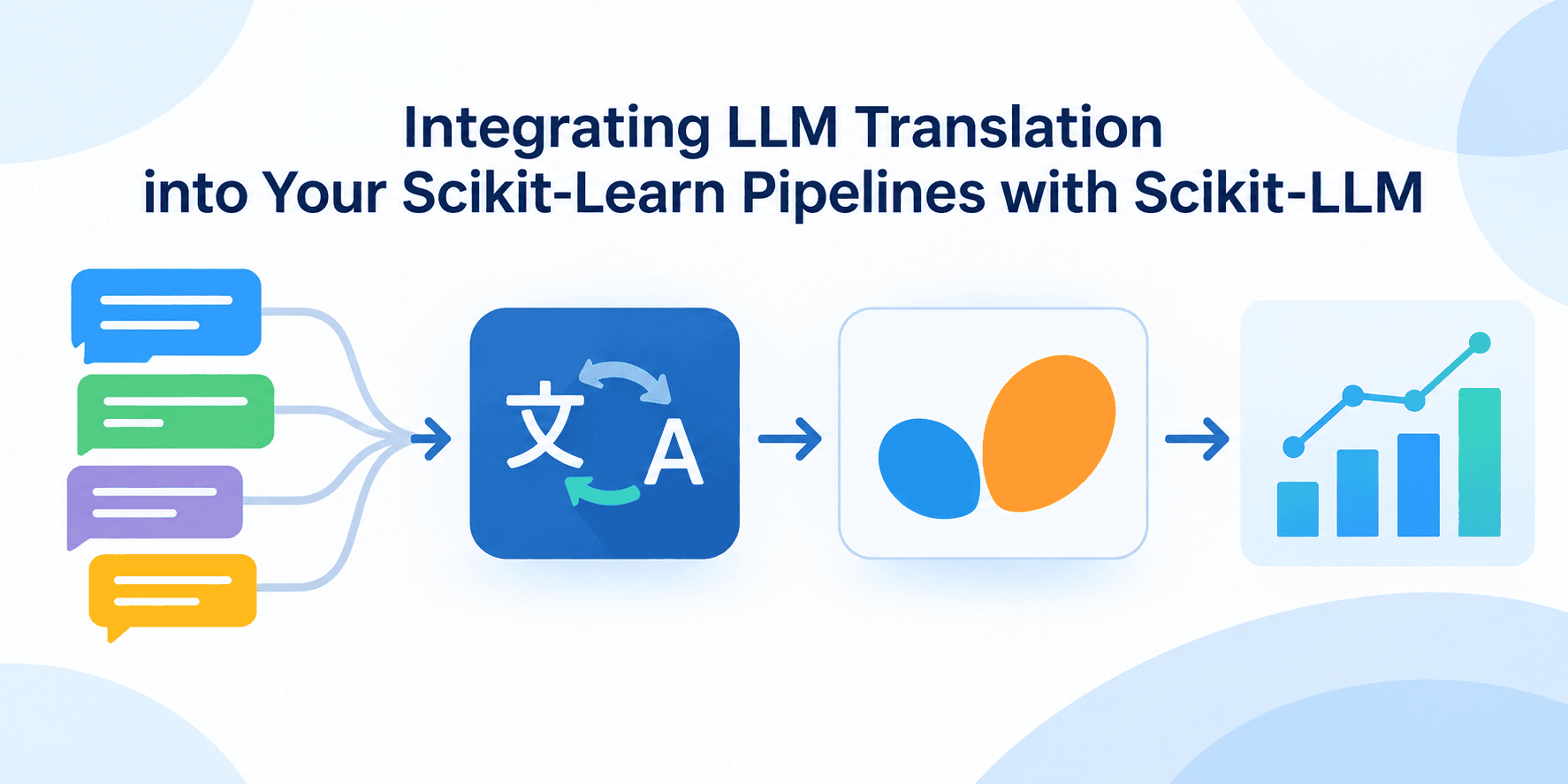
Discover how to construct a two-stage scikit-learn pipeline for multilingual text classification using Scikit-LLM. In a few simple steps, learn to integrate pre-trained language models handlers designed for translation and zero-shot classification to seamlessly process and analyze multilingual data within standard machine learning workflows.

KDnuggets

Key Takeaways

  • Build a two-stage scikit-learn pipeline for multilingual text classification.
  • Utilize Scikit-LLM to handle pre-trained language models for translation tasks.
  • Apply zero-shot classification capabilities within traditional machine learning workflows.
  • Follow a simple, step-by-step approach to handle multi-language text data efficiently.

In-Depth Analysis

Building a Two-Stage Scikit-Learn Pipeline

Traditional machine learning pipelines built with scikit-learn often struggle with native handling of unstructured multilingual text without complex preprocessing. By incorporating the Scikit-LLM library, developers can construct a streamlined, two-stage pipeline. This integration bridges the gap between classic machine learning workflows and modern natural language processing capabilities, allowing seamless execution of multi-step text processing tasks.

Leveraging Pre-Trained Language Models for Translation and Classification

The architecture relies on two distinct pre-trained language models managed through Scikit-LLM. The first stage handles text translation, converting multilingual inputs into a standardized format. The second stage executes zero-shot classification on the translated text. This combination empowers data scientists to address complex multilingual text classification challenges efficiently using a unified pipeline structure.

Industry Impact

The integration of large language model capabilities—such as translation and zero-shot classification—into traditional frameworks like scikit-learn represents a significant step forward for practical machine learning applications. It allows developers and data practitioners to leverage advanced generative and pre-trained models within familiar, production-ready pipelines without needing to overhaul existing software architectures.

Frequently Asked Questions

What is Scikit-LLM used for in this context?

Scikit-LLM is used to handle pre-trained language models that perform text translation and zero-shot classification within a scikit-learn pipeline.

How many stages are in the described classification pipeline?

The pipeline consists of two stages: one for translation and another for zero-shot classification of multilingual text.

Do I need separate models for every language?

By utilizing a translation stage powered by Scikit-LLM, text from multiple languages can be translated and processed through a unified classification workflow.
Related News

Technical Tutorial

AI Coding in Mission-Critical Distributed Storage: Meituan's Framework for Balancing Speed, Quality, and System Reliability

As AI coding tools and autonomous agents become commonplace across software engineering, applying generative models to mission-critical infrastructure presents distinct reliability challenges. Meituan's Infrastructure Technology Department has shared practical engineering insights from deploying AI across distributed storage systems, focusing on AI-assisted code review, troubleshooting, and automated development workflows. While AI accelerators enable engineers to draft implementations, generate test suites, and execute operational scripts significantly faster, delivering larger volumes of code inherently increases the absolute count of introduced defects unless verification standards are elevated. In distributed storage architectures where latent defects threaten data consistency and operational stability under stress, automated code generation requires multi-layered oversight. Meituan demonstrates that engineering teams must enforce rigorous empirical verification, positioning AI to broaden search spaces while human developers maintain strict ownership over design rationale and system semantics.

Optimizing Large Language Models: A Guide to Quantization and Pruning for Efficiency
Technical Tutorial

Optimizing Large Language Models: A Guide to Quantization and Pruning for Efficiency

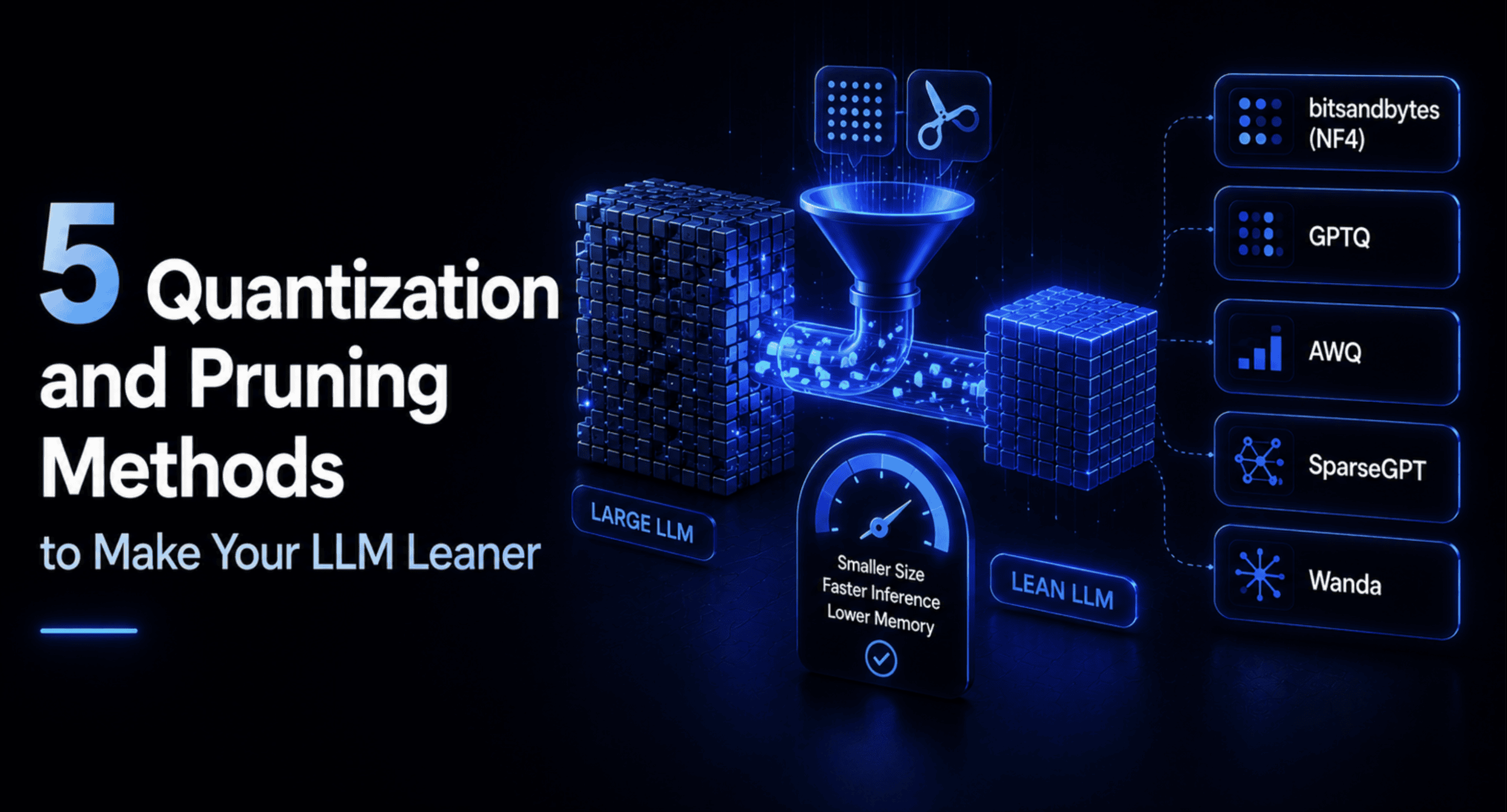
This analysis explores essential techniques for streamlining Large Language Models (LLMs) as detailed in a recent guide by Shittu Olumide for KDnuggets. The core focus is on quantization and pruning—two methodologies designed to make LLMs leaner and more efficient. The article emphasizes that neglecting these optimization steps leads to substantial real-world consequences, specifically regarding increased operational costs and higher latency. By examining five specific methods currently utilized in production environments, the guide provides a practical framework for developers to enhance model performance without sacrificing functional integrity. This structured overview highlights the critical balance between model size and computational efficiency in modern AI deployment.

Technical Tutorial

How agent.md Solves the Challenge of Maintaining High Code Quality in LLM-Assisted Development Workflows

In a detailed exploration of the evolving landscape of AI-assisted programming, developer Fabien Sanglard outlines the transition from the unreliable LLM outputs of 2025 to the more sophisticated but structurally flawed code of 2026. While modern AI can now handle complex tasks like identifying obscure bugs in Rust crates, the resulting 'spaghetti code' often negates productivity gains due to the extensive manual cleanup required. To address this, Sanglard introduces the concept of 'agent.md'—a configuration file injected into the coding harness at the start of a session. This method allows developers to persist coding style preferences, such as avoiding magic numbers and requiring specific commenting styles, effectively transforming the AI from a 'junior developer' into a production-ready assistant without repetitive manual prompting.