
Advancing AMIE: Google Research Targets Expert-Level Audio-Visual Clinical Consultations
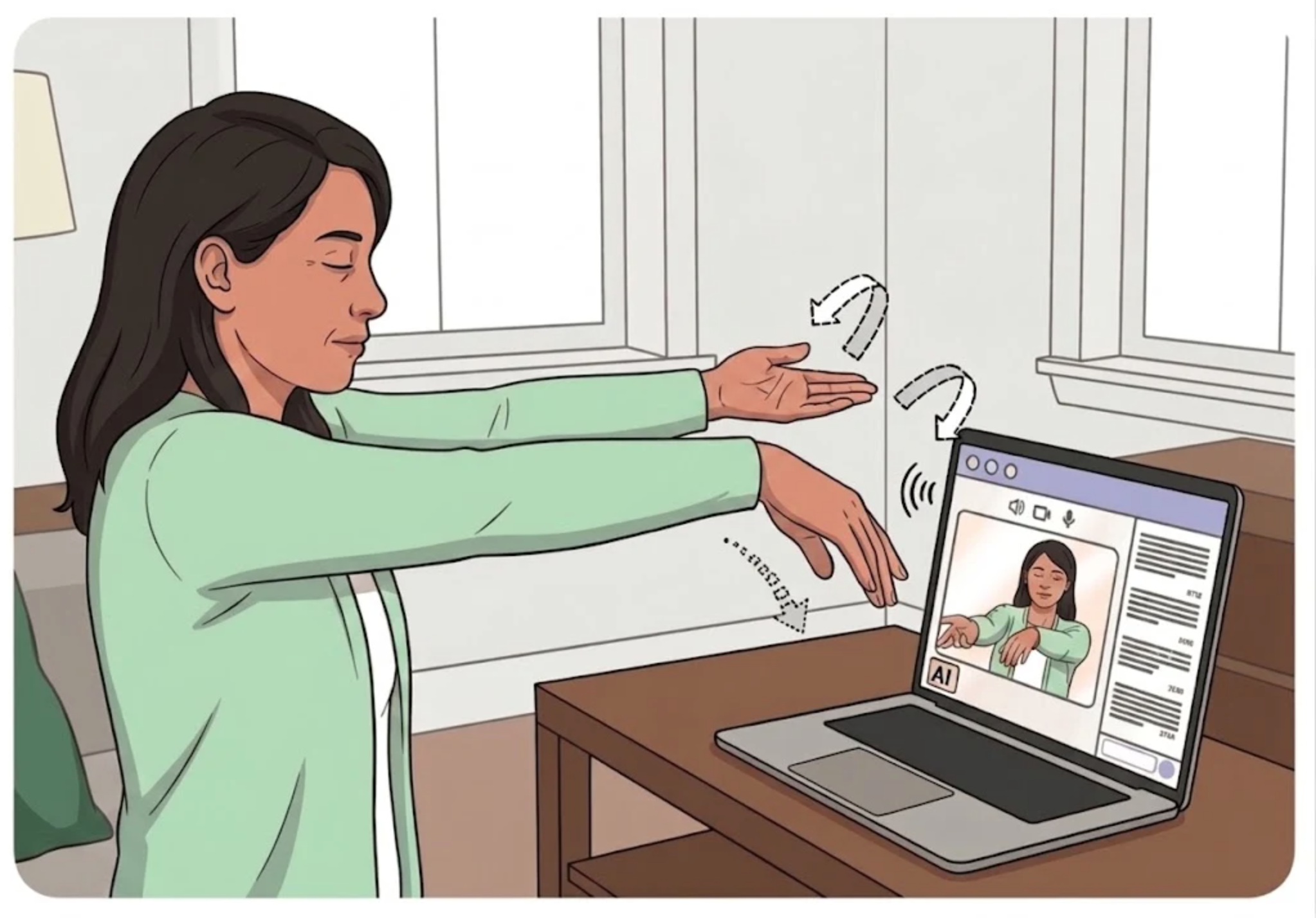
Google Research has announced a significant evolution in its Articulate Medical Intelligence Explorer (AMIE) project, moving the system toward expert-level audio-visual clinical consultations. This development, situated within the Health & Bioscience sector, marks a transition from text-based medical AI interactions to a more complex multi-modal approach. By integrating audio and visual capabilities, the research aims to replicate the depth and nuance of face-to-face clinical encounters. The advancement focuses on achieving a standard of performance comparable to human experts in medical consultations, potentially transforming how AI systems interact with patients and healthcare providers. This move underscores the industry's shift toward comprehensive, multi-sensory AI models designed for high-stakes medical environments.
Key Takeaways
- Google Research is evolving AMIE (Articulate Medical Intelligence Explorer) to support multi-modal audio-visual clinical consultations.
- The project aims to achieve "expert-level" performance, benchmarking AI against seasoned medical professionals.
- This advancement represents a shift from text-only medical AI to systems that can process and respond to audio and visual cues.
- The research is a core component of Google’s ongoing initiatives in the Health & Bioscience domain.
In-Depth Analysis
Transitioning to Multi-Modal Audio-Visual Consultations
The advancement of AMIE toward audio-visual clinical consultations represents a fundamental shift in the design of medical artificial intelligence. Previously, many AI diagnostic tools and conversational agents relied primarily on text-based inputs, which limited the scope of information the system could process. By incorporating audio and visual data, Google Research is enabling AMIE to engage in a more holistic form of clinical interaction. In a traditional medical setting, a significant portion of diagnostic information is conveyed through non-verbal channels, such as the patient's tone of voice, facial expressions, and physical movements. The integration of these modalities allows the AI to capture a more complete picture of the patient's state, moving closer to the reality of a physical or tele-health appointment.
Defining Expert-Level Performance in AI
A central goal of this research is the attainment of "expert-level" proficiency. This terminology implies that the AI is not merely performing basic triage or information retrieval but is being developed to match the diagnostic and communicative skills of experienced clinicians. Achieving this level of expertise in an audio-visual format requires the system to handle real-time data streams with high precision. It involves the ability to conduct a structured clinical interview, interpret spoken nuances, and maintain a professional and empathetic rapport—all while synthesizing complex medical knowledge. The focus on "expert-level" suggests a rigorous benchmarking process where the AI's outputs are evaluated against the standards of human medical experts in simulated or real-world consultation scenarios.
The Clinical Context and Technical Integration
The application of AMIE within clinical consultations highlights the practical intent of this research. Clinical consultations are the cornerstone of healthcare, serving as the primary point for diagnosis, patient education, and treatment planning. By focusing on this specific application, Google Research is addressing the complexities of human-centric medical care. The technical challenge lies in the seamless integration of audio-visual processing with medical reasoning. The system must be able to listen to the patient, observe visual symptoms or cues, and respond in a way that is both medically accurate and conversationally appropriate. This development within the Health & Bioscience category reflects a broader trend toward specialized, high-fidelity AI models that are tailored for the unique demands of the healthcare industry.
Industry Impact
The progression of AMIE toward expert-level audio-visual consultations has significant implications for the future of healthcare technology. First, it sets a new benchmark for multi-modal AI in medicine, encouraging the development of systems that go beyond simple text interfaces. This could lead to more effective telehealth platforms where AI assistants can support doctors by pre-analyzing audio-visual cues or even conducting preliminary consultations. Second, it highlights the increasing importance of "articulate" AI—systems that can communicate complex information clearly and empathetically. As these technologies mature, they may help bridge the gap in healthcare accessibility, providing high-quality clinical interactions in areas where human experts are in short supply. Finally, this research reinforces the role of large-scale AI models in solving specialized problems within the bioscience sector, signaling a move toward more integrated and human-like digital health solutions.
Frequently Asked Questions
What is AMIE in the context of Google Research?
AMIE stands for Articulate Medical Intelligence Explorer. It is a research initiative by Google focused on creating AI systems capable of conducting high-quality, expert-level clinical consultations through advanced communicative and diagnostic capabilities.
Why is the addition of audio-visual capabilities important for medical AI?
Audio-visual capabilities allow the AI to process non-verbal information, such as voice tone and visual symptoms, which are critical for accurate diagnosis and effective communication in a clinical setting. This makes the interaction more similar to a real-life doctor-patient encounter compared to text-only systems.
What does "expert-level" mean for this AI research?
"Expert-level" refers to the goal of the AI performing at a standard comparable to that of experienced human medical professionals. This includes not only the accuracy of medical advice but also the quality of the consultation process and the ability to handle complex, multi-modal interactions.

