The Evolution of Trade Secrets: From Historical Context to Future Bionic Technology Breakthroughs
This analysis explores the shifting landscape of trade secrets, bridging historical perspectives with a projected 2029 breakthrough in bionic technology. Based on insights from Klara Kofen and the Ramallah Institute of Advanced Prosthetics, the article examines how proprietary information remains a cornerstone of innovation. A key focus is placed on Dr. Layla Mansour’s development of a high-precision nerve-interface system for prosthetic limbs. While the advancement offers unprecedented sensory feedback for amputees, critical components—including neural mapping algorithms and biocompatible compositions—are being guarded as trade secrets. The narrative is supported by AI-generated visualizations that map out a future defined by global political fragmentation and technological acceleration, questioning the fundamental nature of secrecy in an increasingly complex world.
Key Takeaways
- Technological Milestone: The Ramallah Institute of Advanced Prosthetics has developed a breakthrough nerve-interface system for bionic limbs.
- Strategic Secrecy: Key innovations, specifically neural mapping algorithms and biocompatible material compositions, are being withheld as trade secrets rather than patented.
- AI-Driven Analysis: Author Klara Kofen utilized Anthropic’s Claude Sonnet 4.5 to generate complex diagrams mapping the future of global fragmentation and acceleration.
- Philosophical Definition: The nature of secrecy is framed through the lens of Moondog’s definition: "A secret is that which no one knows."
- Future Context: The intersection of trade secrets and innovation is set against a backdrop of "global political fragmentation" and the drive to "leave earth for space."
In-Depth Analysis
The Intersection of AI Visualization and Historical Secrecy
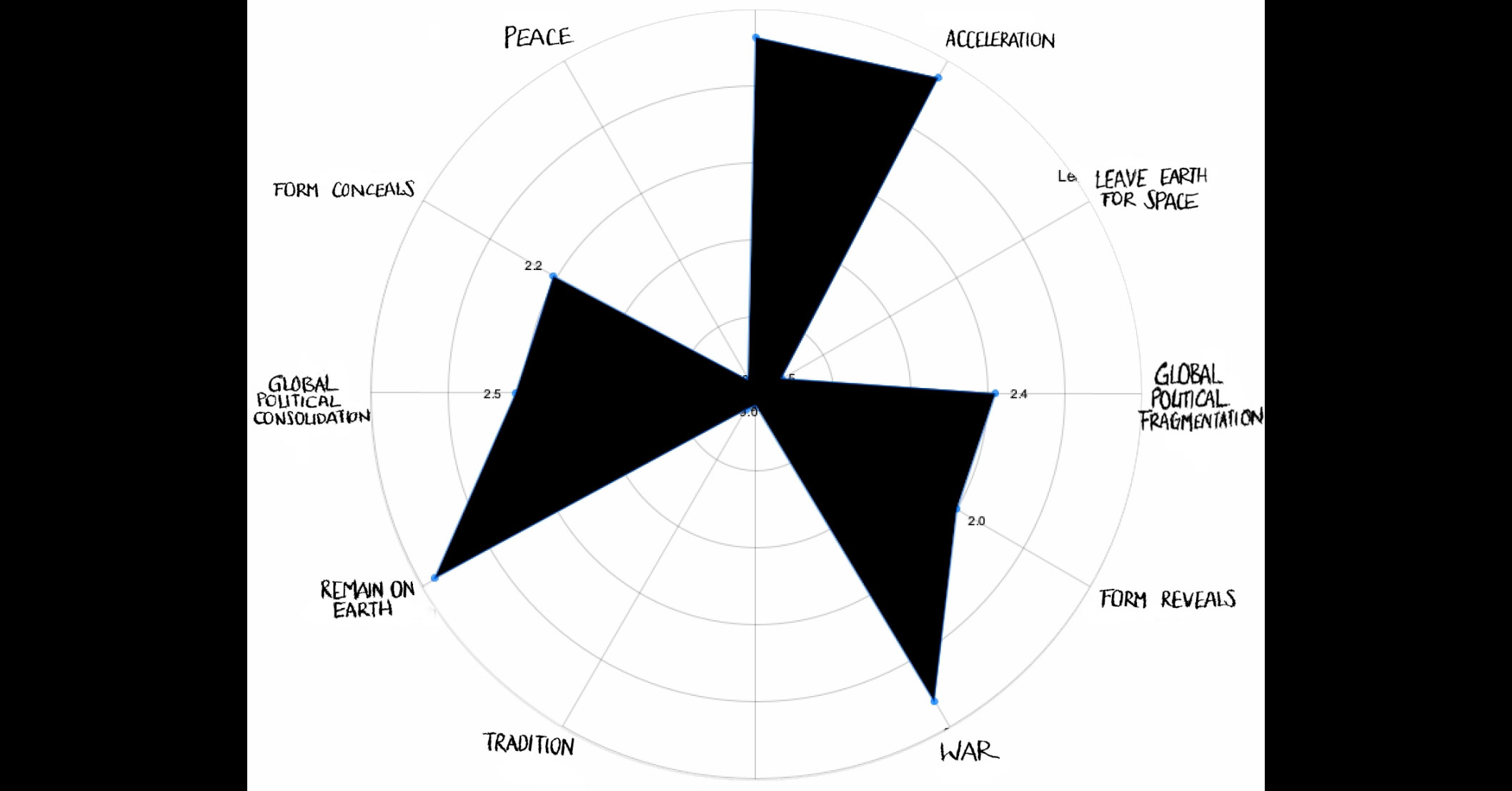
In exploring the "past and future of trade secrets," the role of modern analytical tools becomes central. Klara Kofen utilizes Anthropic’s Claude Sonnet 4.5 to produce diagrams that attempt to quantify and visualize abstract historical and future trends. One such visualization, a radar chart, identifies several critical vectors shaping the modern world: "acceleration," the impulse to "leave earth for space," and "global political fragmentation." These factors suggest a world where information is not only a commodity but a survival mechanism. The use of AI to map these trends highlights a shift in how history is interpreted—moving away from the "dry" traditional narratives toward data-driven, multi-dimensional models. This methodology underscores the complexity of tracking "secrets" in an era where technological acceleration often outpaces legal frameworks.
The 2029 Bionic Breakthrough: A Case Study in Proprietary Innovation
A pivotal moment in the future of medical technology is identified in 2029 at the Ramallah Institute of Advanced Prosthetics. Under the leadership of Dr. Layla Mansour, a team of biomedical engineers successfully developed a nerve-interface system that redefines the capabilities of prosthetic limbs. This system allows for "unprecedented precision and sensory feedback," effectively narrowing the gap between biological function and mechanical replacement. However, the announcement of this breakthrough was accompanied by a significant caveat: the most critical elements of the technology will remain trade secrets. By choosing to protect the "proprietary neural mapping algorithms" and the "specific composition of biocompatible" materials through secrecy rather than public patenting, the institute maintains a competitive and strategic advantage in a fragmented global political landscape.
The Philosophy and Mechanics of Modern Secrecy
The conceptual foundation of this analysis rests on the definition provided by Moondog: "A secret is that which no one knows." In the context of the 2029 bionic breakthrough, this definition takes on a practical, industrial meaning. Trade secrets serve as a barrier to entry and a method of preserving intellectual property without the disclosure requirements inherent in the patent process. The decision by Dr. Mansour to keep the neural mapping algorithms secret suggests that in the future of biomedical engineering, the "software" of the human-machine interface is as valuable, if not more so, than the physical hardware. This reliance on secrecy reflects the broader themes of the "wet world" and "acceleration" identified in Kofen’s radar charts, where the rapid pace of change makes traditional intellectual property protections feel insufficient or too slow.
Industry Impact
The implications for the AI and biomedical industries are profound. The decision to treat neural mapping algorithms as trade secrets sets a precedent for how high-stakes medical AI might be governed in the future. As global political fragmentation increases, institutions may move away from international patent cooperation in favor of localized, secret technological silos. This could lead to a bifurcated innovation landscape where breakthroughs are achieved but not shared, potentially slowing the universal adoption of life-changing technologies like bionic limbs while simultaneously protecting the economic interests of the developers. Furthermore, the integration of advanced AI models like Claude Sonnet 4.5 into the research and visualization process indicates that AI will be both a creator of new technology and a primary tool for analyzing the socio-political impact of that technology.
Frequently Asked Questions
Question: What specific technology did the Ramallah Institute of Advanced Prosthetics develop?
The institute developed a breakthrough nerve-interface system for bionic limbs. This technology allows amputees to control prosthetic limbs with high precision and receive sensory feedback, mimicking natural limb function more closely than previous systems.
Question: Why did Dr. Layla Mansour choose trade secrets over patents for the new bionic system?
While the original report does not detail the specific legal strategy, it notes that key aspects—specifically the neural mapping algorithms and the composition of biocompatible materials—will remain trade secrets. This approach allows the institute to protect its proprietary methods without disclosing the technical details to the public or competitors.
Question: How was AI used in the analysis of trade secrets mentioned in the article?
Author Klara Kofen used Anthropic’s Claude Sonnet 4.5 to generate all diagrams for the analysis. These diagrams, including radar charts, were used to visualize complex themes such as global political fragmentation, technological acceleration, and the future trajectory of human innovation.