Meituan Showcases AI Innovation at ACL 2026: From Model Evaluation to Advanced Reasoning and Generative Recommendations
Meituan's technical team has achieved significant recognition at ACL 2026, the premier international conference for computational linguistics and natural language processing. With six papers accepted, Meituan's research spans critical AI domains, including large language model (LLM) evaluation, complex process reasoning, and the optimization of competition-level mathematical thinking. The contributions also delve into reinforcement learning optimization and the emerging field of generative recommendation systems. These research breakthroughs aim to establish a new paradigm for generative AI, focusing on enhancing model intelligence and practical application efficiency. By addressing core challenges in reasoning and evaluation, Meituan continues to demonstrate its leadership in NLP research and its commitment to developing robust, high-performance AI solutions for the industry.
Key Takeaways
- Academic Excellence: Meituan successfully had six papers accepted at ACL 2026, a top-tier global conference in the field of Natural Language Processing (NLP).
- Diverse Research Scope: The accepted papers cover a broad spectrum of AI technologies, including LLM evaluation, complex reasoning, mathematical optimization, reinforcement learning, and generative recommendations.
- Focus on Reasoning: Significant emphasis was placed on optimizing complex process reasoning and competition-level mathematical thinking to push the boundaries of model intelligence.
- Generative Paradigm Shift: The research collectively works toward building a new paradigm for generative AI, moving beyond simple text generation to more structured and optimized outputs.
In-Depth Analysis
Advancing LLM Evaluation and Complex Reasoning
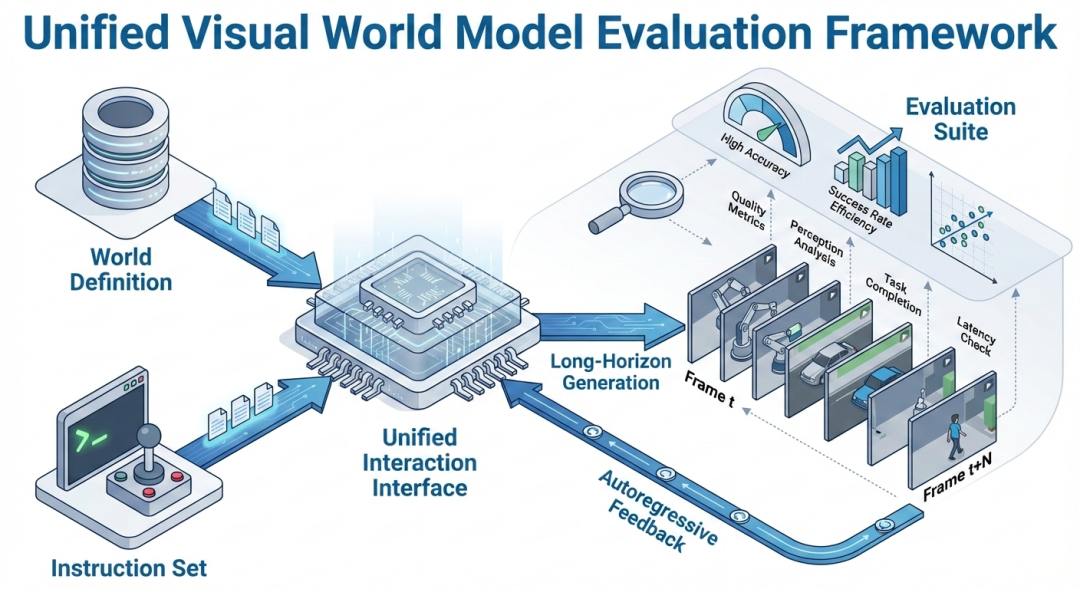
At the heart of Meituan's contributions to ACL 2026 is the critical challenge of evaluating and improving the reasoning capabilities of Large Language Models (LLMs). As the industry moves toward more autonomous and capable AI agents, the ability to accurately assess a model's performance becomes paramount. Meituan's research into large model evaluation provides new frameworks for understanding how these models process information and where their limitations lie.
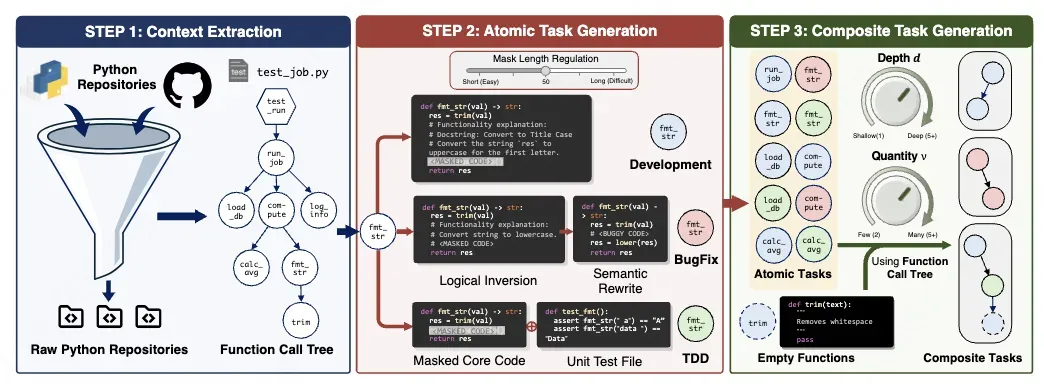
Furthermore, the focus on complex process reasoning addresses the need for models to handle multi-step tasks that require logical consistency. By developing methods to optimize how models navigate intricate workflows, Meituan is paving the way for AI that can assist in sophisticated decision-making processes. This research is particularly relevant for industries requiring high precision, such as logistics, technical support, and automated programming, where a single error in a reasoning chain can lead to significant failures.
Optimizing Mathematical Thinking and Reinforcement Learning
Another core pillar of Meituan's recent academic success is the optimization of competition-level mathematical thinking. Mathematical reasoning is often considered a benchmark for high-level intelligence in AI, as it requires strict adherence to logic and the ability to generalize from abstract concepts. Meituan's work in this area suggests a move toward models that can solve increasingly difficult problems, potentially rivaling human performance in specialized domains.
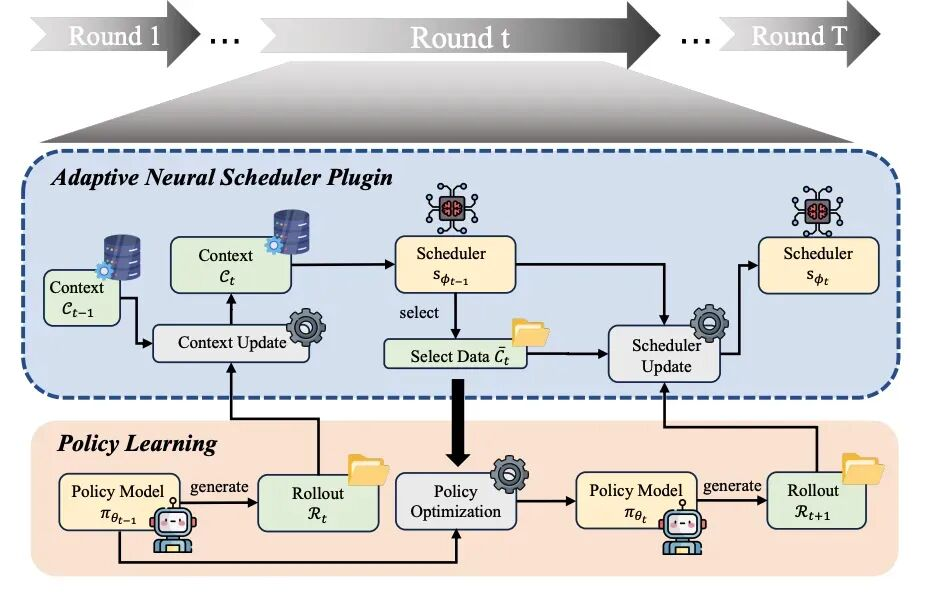
Parallel to this, the team's research into reinforcement learning (RL) optimization highlights a commitment to making AI training more efficient and effective. Reinforcement learning is essential for fine-tuning models based on feedback, and Meituan's innovations in this space likely focus on improving the stability and convergence of these algorithms. By refining RL techniques, the team can produce models that are better aligned with human intent and more capable of learning from complex environments, which is vital for the iterative improvement of generative systems.
The Rise of Generative Recommendation Systems
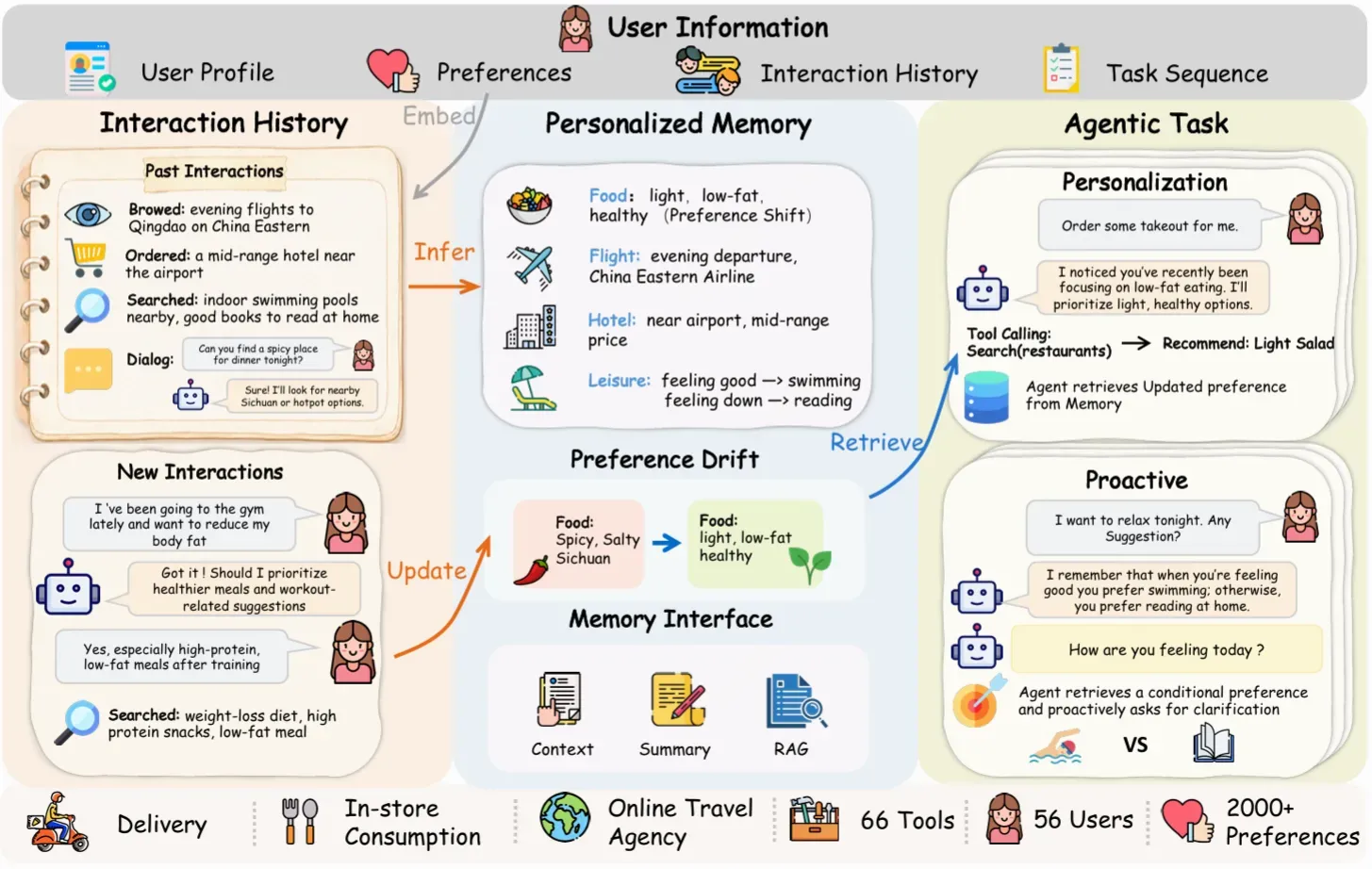
Meituan is also exploring the intersection of generative AI and recommendation engines. Traditional recommendation systems rely on ranking and filtering, but the shift toward generative recommendations represents a fundamental change in how users interact with platforms. This approach allows for more personalized, conversational, and context-aware suggestions, transforming the user experience from a passive list of options to an active dialogue.
By integrating generative capabilities into recommendation logic, Meituan aims to create systems that not only predict what a user might want but can also explain the reasoning behind a suggestion or adapt to nuanced user queries in real-time. This research is crucial for maintaining a competitive edge in the digital services market, where user engagement and satisfaction are directly tied to the relevance and quality of recommendations.
Industry Impact
The acceptance of these six papers at ACL 2026 signifies a major milestone for Meituan and the broader AI industry. By focusing on the "new paradigm" of generation, Meituan is addressing the shift from models that simply predict the next word to models that can reason, evaluate, and recommend with high degrees of accuracy.
For the AI industry, this research provides valuable insights into how large-scale commercial entities can bridge the gap between theoretical NLP research and practical application. The focus on evaluation and reasoning helps build trust in AI systems, while the advancements in mathematical thinking and reinforcement learning provide the tools necessary for the next generation of intelligent agents. As these technologies are integrated into real-world products, we can expect to see more reliable, efficient, and personalized AI services across various sectors.
Frequently Asked Questions
Question: What is the significance of Meituan's papers being accepted at ACL 2026?
ACL (Association for Computational Linguistics) is a top-tier international conference for NLP. Having six papers accepted demonstrates Meituan's high level of technical expertise and its significant contribution to the global academic and research community in the field of artificial intelligence.
Question: What specific areas of AI does Meituan's research cover?
The research covers six key areas: Large Model Evaluation, Complex Process Reasoning, Competition-level Mathematical Thinking Optimization, Reinforcement Learning Optimization, and Generative Recommendation systems.
Question: How does this research benefit the development of Generative AI?
By focusing on reasoning, evaluation, and optimization, Meituan's research helps create a more robust framework for generative AI. This leads to models that are not only better at generating content but are also more logical, easier to assess for quality, and more effective at providing personalized recommendations.