Meituan Showcases AI Innovation at ACL 2026 with Six Papers on LLM Evaluation and Reasoning Optimization
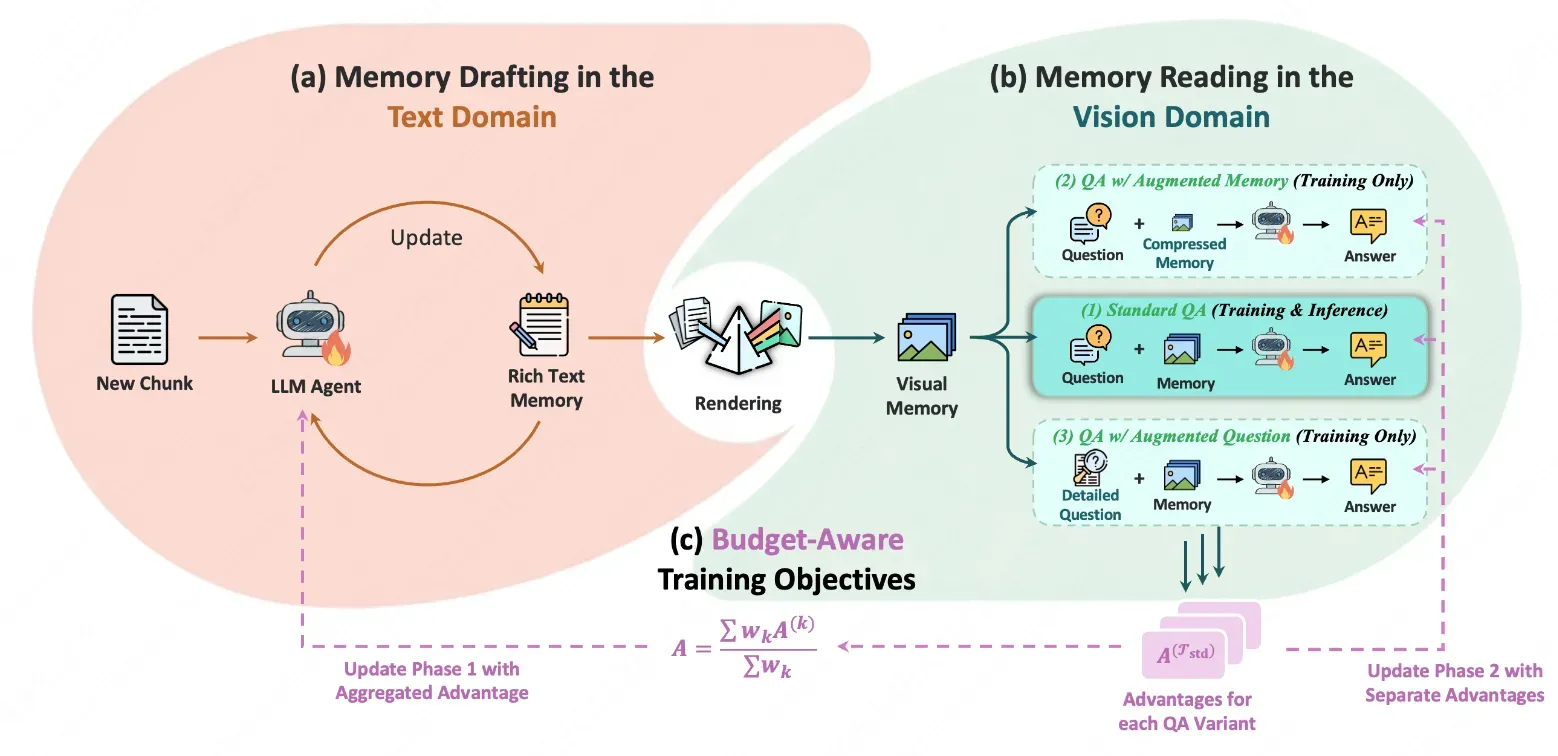
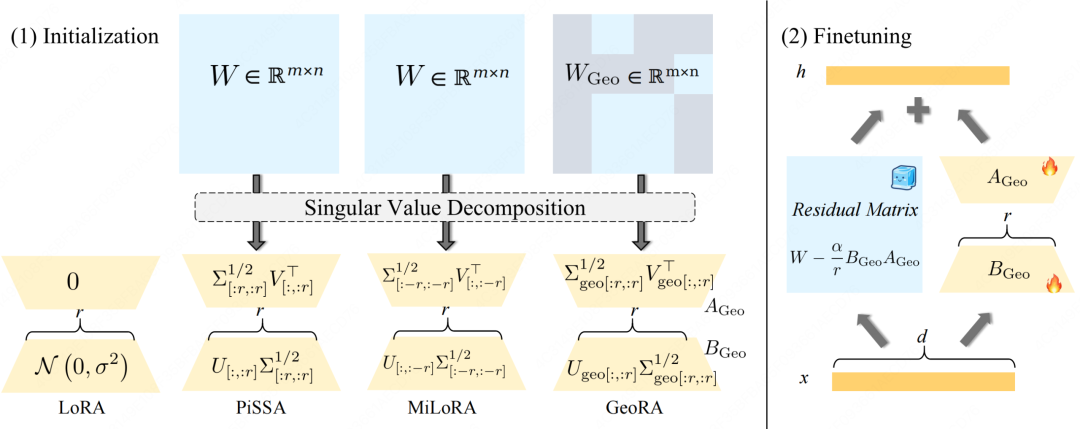
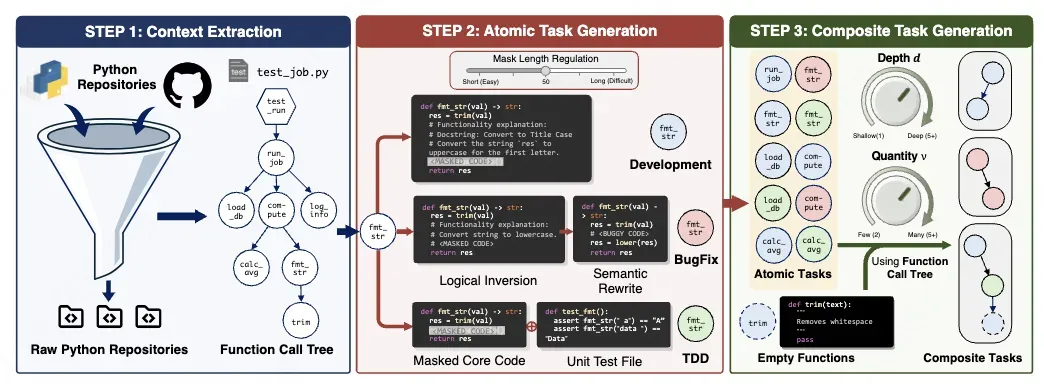
Meituan's technical team has achieved a significant milestone at the ACL 2026 conference, a premier global event for computational linguistics and natural language processing. The team successfully had six papers accepted, covering a diverse range of cutting-edge topics including large language model (LLM) evaluation, complex process reasoning, and competition-level mathematical thinking optimization. Additionally, the research delves into reinforcement learning optimization and generative recommendation systems. These contributions are designed to build a new paradigm for generative AI, focusing on both theoretical depth and practical application. By addressing critical bottlenecks in reasoning and evaluation, Meituan aims to enhance the robustness and efficiency of AI models in real-world scenarios, marking a major step forward in the industry's pursuit of more intelligent and reliable systems.
Key Takeaways
- Significant Academic Presence: Meituan's technical team contributed six high-impact papers to ACL 2026, highlighting their leadership in the NLP domain.
- Diverse Research Scope: The accepted papers span critical AI fields, including LLM evaluation, complex reasoning, and mathematical optimization.
- Focus on Reasoning and Logic: A major portion of the research focuses on competition-level mathematical thinking and complex process reasoning.
- Algorithmic Enhancements: The research explores advanced optimization techniques through reinforcement learning and generative recommendation paradigms.
- New Generative Paradigm: The collective goal of these studies is to establish a more robust and efficient framework for generative AI technologies.
In-Depth Analysis
Advancing LLM Evaluation and Complex Reasoning
The acceptance of Meituan’s research at ACL 2026 underscores a strategic shift toward the refinement of Large Language Models (LLMs). One of the primary pillars of their contribution involves the evaluation of large models and the optimization of complex process reasoning. As the AI industry moves beyond basic text generation, the ability to evaluate a model's performance accurately and ensure it can handle multi-step, logical tasks has become paramount. Meituan’s focus on these areas suggests a move toward creating AI that is not only more capable but also more verifiable in its output. By tackling complex reasoning, the research addresses the "black box" nature of current models, aiming to provide clearer pathways for how AI arrives at specific conclusions.
Optimization Through Mathematics and Reinforcement Learning
Another significant aspect of Meituan's research involves competition-level mathematical thinking and reinforcement learning (RL) optimization. Mathematical reasoning is often considered a benchmark for high-level cognitive abilities in AI. By optimizing for competition-level math, Meituan is pushing the boundaries of how models process abstract concepts and rigorous logic. Furthermore, the integration of reinforcement learning optimization indicates a focus on iterative improvement and goal-oriented behavior in AI agents. This technical direction is crucial for developing systems that can learn from feedback and refine their strategies in dynamic environments, which is essential for the complex logistics and service ecosystems that Meituan operates in.
Generative Recommendation and Industry Paradigms
The research also explores the intersection of generative AI and recommendation systems. Traditional recommendation engines often rely on discriminative models, but Meituan is exploring a generative approach. This could potentially revolutionize how users interact with platforms, moving from simple filtered lists to more intuitive, conversational, and context-aware suggestions. By combining this with their work on reasoning and evaluation, Meituan is effectively building a comprehensive ecosystem for a "new generative paradigm." This paradigm aims to integrate deep linguistic understanding with practical utility, ensuring that AI advancements translate directly into improved user experiences and operational efficiencies.
Industry Impact
The implications of Meituan's research at ACL 2026 are far-reaching for the AI industry. First, the focus on LLM evaluation addresses one of the most pressing challenges in the field: how to trust and verify the outputs of increasingly complex models. As companies integrate AI into critical infrastructure, standardized and rigorous evaluation frameworks become indispensable.
Second, the emphasis on complex reasoning and mathematical optimization signals a trend toward "System 2" thinking in AI—moving from fast, intuitive responses to slower, more logical processing. This is vital for applications in finance, engineering, and data science where accuracy is non-negotiable. Finally, the work on generative recommendation systems suggests a future where AI-driven platforms are more proactive and personalized, potentially setting a new standard for the retail and service industries. Meituan’s contributions demonstrate that the next phase of AI development will be defined by the ability to reason, optimize, and generate value in increasingly sophisticated ways.
Frequently Asked Questions
Question: What is the significance of the ACL conference in the AI field?
ACL (Association for Computational Linguistics) is considered one of the top-tier international academic conferences in the fields of computational linguistics and natural language processing (NLP). Being accepted at ACL is a mark of high-quality, innovative research that influences the global direction of AI and language technologies.
Question: What specific areas did Meituan's ACL 2026 papers cover?
Meituan's research covered six key areas: large model evaluation, complex process reasoning, competition-level mathematical thinking optimization, reinforcement learning optimization, and generative recommendation systems.
Question: How does "generative recommendation" differ from traditional methods?
While traditional recommendation systems typically rank or filter existing items based on user data, generative recommendation systems use generative AI to create or synthesize personalized suggestions and interactions, often leading to more contextually relevant and conversational user experiences.