Meituan Fulfillment AI Team Showcases LLM Agent Innovations and Research Breakthroughs at ACL 2026
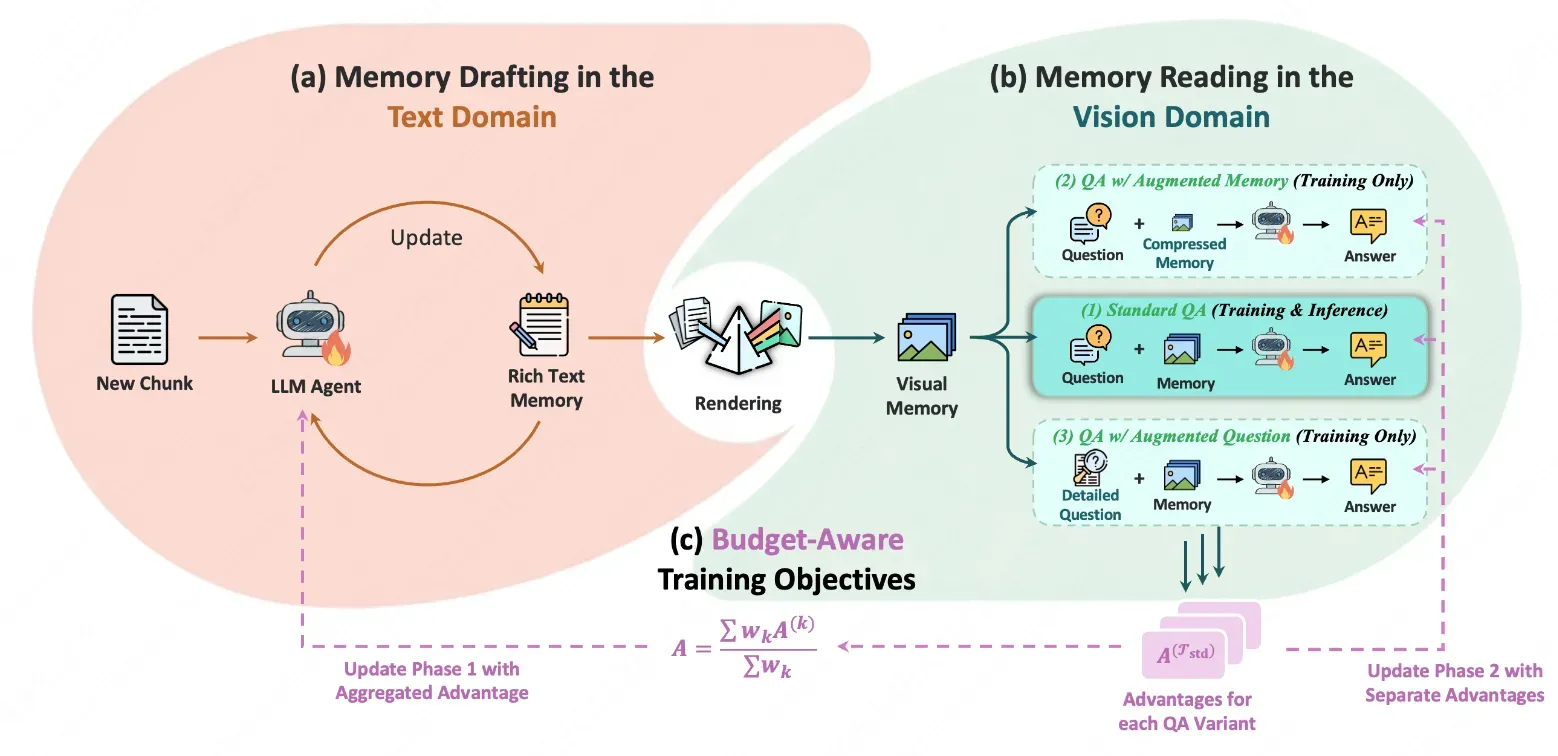
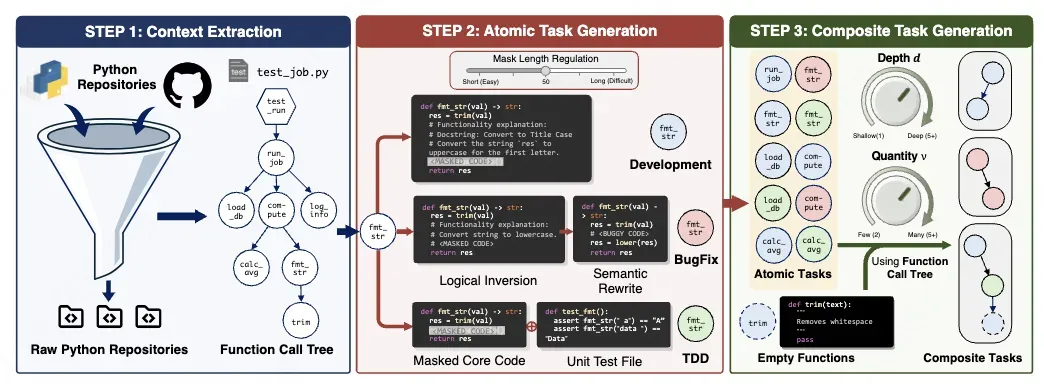
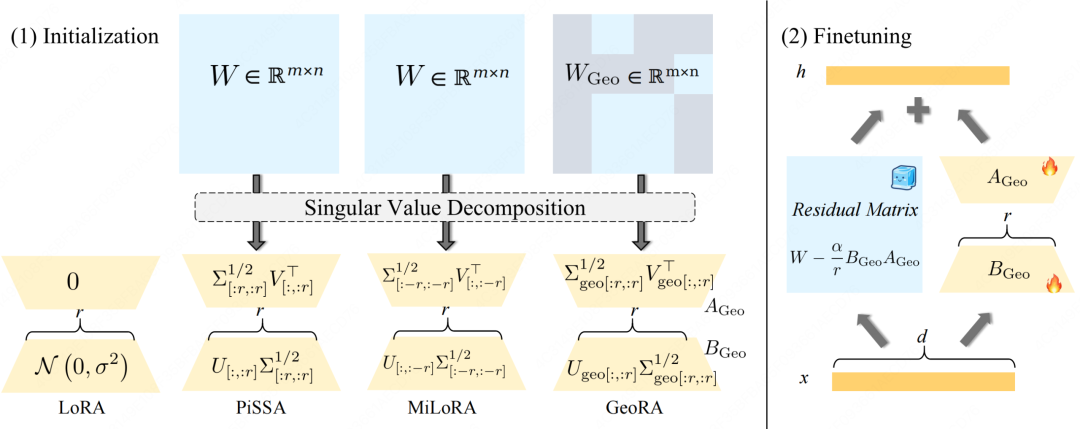
The Meituan Fulfillment AI Algorithm Team has presented its latest research and technological advancements at the ACL 2026 conference. Centered on building a Large Language Model (LLM)-based Agent system, the team aims to empower Meituan's fulfillment business through a self-evolving operational framework. Their research spans critical areas including Continual Pre-training (CPT), Post-training, Agentic Reinforcement Learning (RL), and Multimodal Understanding. With dozens of high-quality research results published in top-tier international AI conferences like ACL and EMNLP, Meituan continues to bridge the gap between theoretical AI research and practical industrial applications within the fulfillment sector. This session highlights the team's commitment to advancing Agent technology to optimize complex operational systems.
Key Takeaways
- Agent-Centric Architecture: Meituan is focusing on building a comprehensive Agent technology system based on Large Language Models (LLMs) to drive its fulfillment business.
- Self-Evolving Systems: A primary goal of the research is the creation of a self-evolving operating system that uses AI to continuously improve fulfillment operations.
- Core Research Frontiers: The team is deeply invested in Continual Pre-training (CPT), Post-training, Agentic Reinforcement Learning (RL), and Multimodal Understanding.
- Academic Leadership: The fulfillment AI team has established a strong presence in the global research community with dozens of papers published in prestigious conferences like ACL and EMNLP.
In-Depth Analysis
Building a Self-Evolving Agent System for Fulfillment
The Meituan Fulfillment AI Algorithm Team is pioneering the integration of Large Language Model (LLM) Agent technology into the core of its business operations. Unlike traditional static algorithms, the proposed Agent technology system is designed to be "self-evolving." In the context of Meituan's fulfillment business—which involves complex logistics, delivery scheduling, and real-time resource allocation—a self-evolving system suggests an AI framework that can learn from operational data and feedback loops to improve its decision-making processes over time. By leveraging LLMs as the foundational "brain" of these Agents, the team is moving toward a more autonomous and adaptive operational model. This approach allows the system to handle the nuances and unpredictability of real-world fulfillment scenarios more effectively than traditional rule-based or narrow AI systems.
Technical Pillars: From CPT to Agentic Reinforcement Learning
The research presented by the Meituan team at ACL 2026 highlights four critical technical directions that form the backbone of their Agent system. First, Continual Pre-training (CPT) and Post-training are utilized to ensure that the underlying LLMs are deeply specialized for the fulfillment domain, incorporating industry-specific knowledge that general-purpose models might lack. Second, Agentic Reinforcement Learning (RL) is employed to refine the decision-making capabilities of the Agents. By using RL, the Agents can explore different strategies within the fulfillment ecosystem and receive rewards based on efficiency and accuracy, leading to optimized performance in tasks like route planning or demand forecasting. Finally, Multimodal Understanding allows the Agents to process and interpret diverse data types—such as text, images, and potentially spatial data—which is essential for a business that operates in the physical world. These combined technologies enable the creation of sophisticated Agents capable of complex reasoning and execution.
Bridging Academic Research and Industrial Application
Meituan's consistent presence at top-tier AI conferences like ACL and EMNLP underscores the team's success in translating high-level academic research into practical industrial solutions. The publication of dozens of research papers indicates that the challenges faced in Meituan's fulfillment business are driving significant contributions to the broader field of Natural Language Processing (NLP) and Artificial Intelligence. By sharing their "Frontier Technology Practice" at ACL 2026, the team is not only showcasing their internal progress but also contributing to the global discourse on how LLMs and Agents can be deployed in large-scale, real-world environments. This synergy between academic rigor and industrial scale is a hallmark of Meituan's approach to AI development, ensuring that their technological stack remains at the cutting edge of the industry.
Industry Impact
The work of the Meituan Fulfillment AI team has significant implications for the broader AI and logistics industries. By demonstrating the viability of LLM-based Agents in a high-stakes, real-time business environment, Meituan is setting a benchmark for how other technology companies might approach the automation of complex operational systems. The focus on "self-evolving" systems points toward a future where industrial AI is not just a tool for human operators, but an autonomous partner capable of continuous self-improvement. Furthermore, the emphasis on Agentic RL and Multimodal Understanding suggests that the next generation of industrial AI will need to be more interactive and context-aware than ever before. As these technologies mature, we can expect to see a shift across the industry toward more resilient and intelligent fulfillment networks globally.
Frequently Asked Questions
Question: What is the main focus of the Meituan Fulfillment AI team at ACL 2026?
The team is focusing on sharing their research and practices regarding LLM-based Agent technology systems and how these technologies are used to build self-evolving operating systems for Meituan's fulfillment business.
Question: What specific AI technologies are mentioned in Meituan's research?
The core technical directions include Continual Pre-training (CPT), Post-training, Agentic Reinforcement Learning (RL), and Multimodal Understanding.
Question: Where has the Meituan Fulfillment AI team published its research results?
The team has published dozens of high-quality research papers in leading international AI conferences, specifically mentioning ACL (Association for Computational Linguistics) and EMNLP (Empirical Methods in Natural Language Processing).