How to Use AI Tools to Learn Data Science Faster in 2026: A Comprehensive Guide
Discover how to combine AI assistants, coding tools, and adaptive platforms to cut your learning curve and build practical skills more efficiently in 2026. This comprehensive analysis explores strategies shared by Vinod Chugani on KDnuggets, detailing how modern learners can leverage artificial intelligence to accelerate their data science education and master key competencies faster than ever before.
Key Takeaways
- Combine AI assistants, coding tools, and adaptive platforms to accelerate your education.
- Cut your learning curve significantly while mastering essential data science competencies.
- Build practical, real-world skills more efficiently using modern artificial intelligence technologies.
- Streamline your educational path with insights tailored for data science learners in 2026.
In-Depth Analysis
Leveraging AI Assistants and Coding Tools
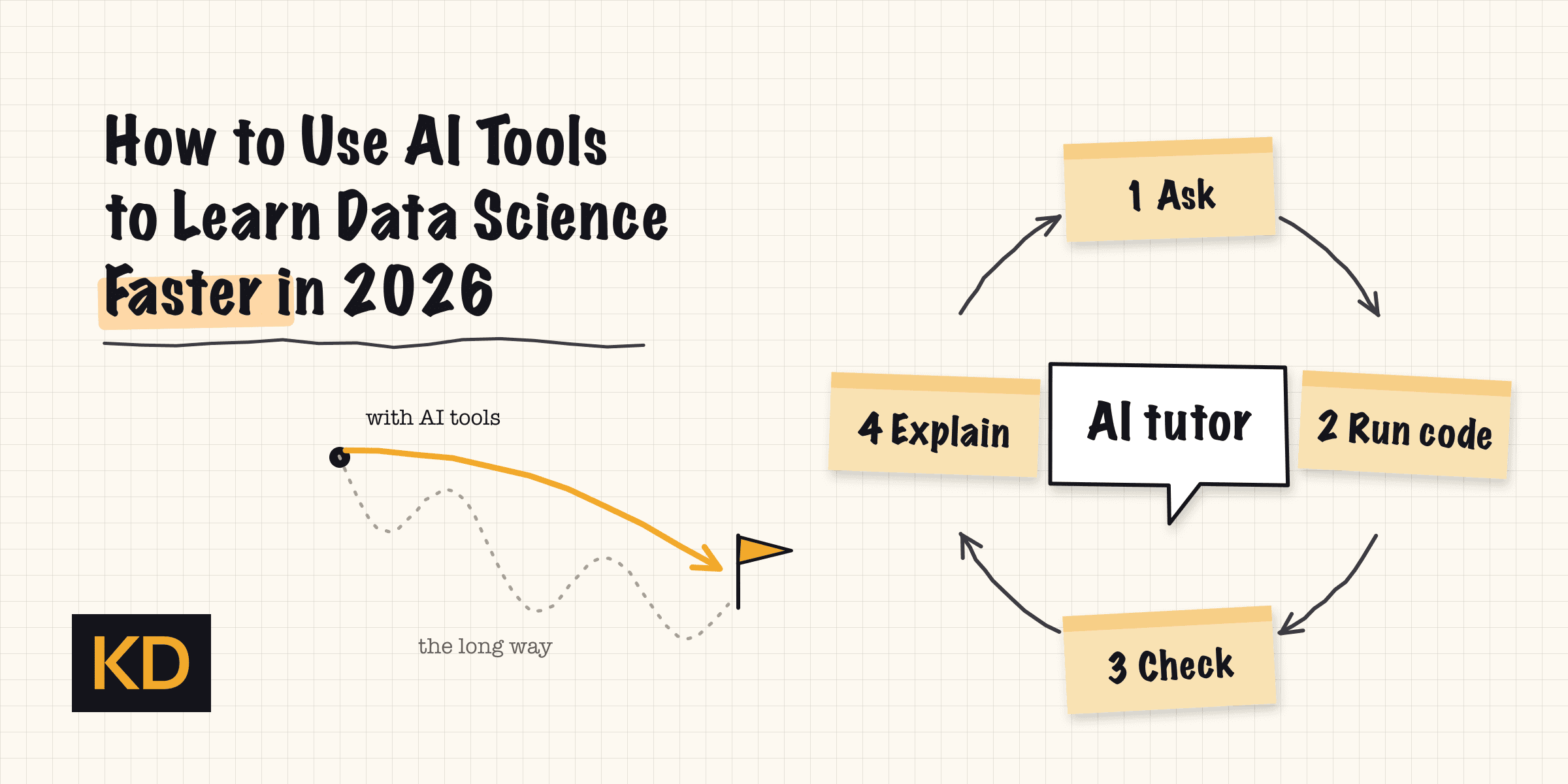
In 2026, mastering data science requires more than traditional textbooks and static online courses. According to Vinod Chugani's insights on KDnuggets, learners can drastically reduce their time-to-competency by integrating AI assistants and advanced coding tools into their daily workflows. These technologies act as personalized tutors, helping students debug code, explain complex mathematical concepts, and guide them through intricate machine learning algorithms with real-time feedback.
Accelerating Practical Skill Development through Adaptive Platforms
Adaptive learning platforms powered by artificial intelligence personalize the educational journey based on an individual's strengths and weaknesses. By combining these platforms with coding tools, learners focus less on repetitive syntax errors and more on practical skill building. This efficient approach ensures that aspiring data scientists can transition from theoretical knowledge to executing real-world data projects much faster than traditional methods allow.
Industry Impact
The integration of AI tools into data science education is reshaping how professionals upskill and enter the tech workforce. By lowering the barrier to entry and streamlining the learning curve, these technologies enable a more agile and efficient workforce capable of meeting the rapidly evolving demands of the data-driven economy in 2026.
Frequently Asked Questions
What tools are recommended for learning data science faster in 2026?
Based on the source, learners can combine AI assistants, coding tools, and adaptive platforms to build practical skills more efficiently.
How do AI tools help cut the learning curve?
AI tools provide personalized assistance, streamline coding practices, and offer adaptive learning experiences that target individual skill gaps.