How to Use Context7 to Provide Claude Code With Up-to-Date Documentation
This article discusses a method for optimizing Claude Code by integrating Context7. By ensuring the AI has access to current documentation, developers can avoid the common issue of wasting tokens on debugging outdated code.
Key Takeaways
- Claude Code can be enhanced by providing it with up-to-date documentation.
- Context7 is the identified tool for managing this documentation workflow.
- Implementing this update helps eliminate token waste caused by debugging outdated code.
In-Depth Analysis
Addressing Token Waste in AI Development
A significant challenge when utilizing AI coding agents like Claude Code is the consumption of tokens for tasks that are inherently inefficient. Specifically, debugging code that is outdated due to missing or incorrect documentation can lead to excessive token usage.
The Role of Context7
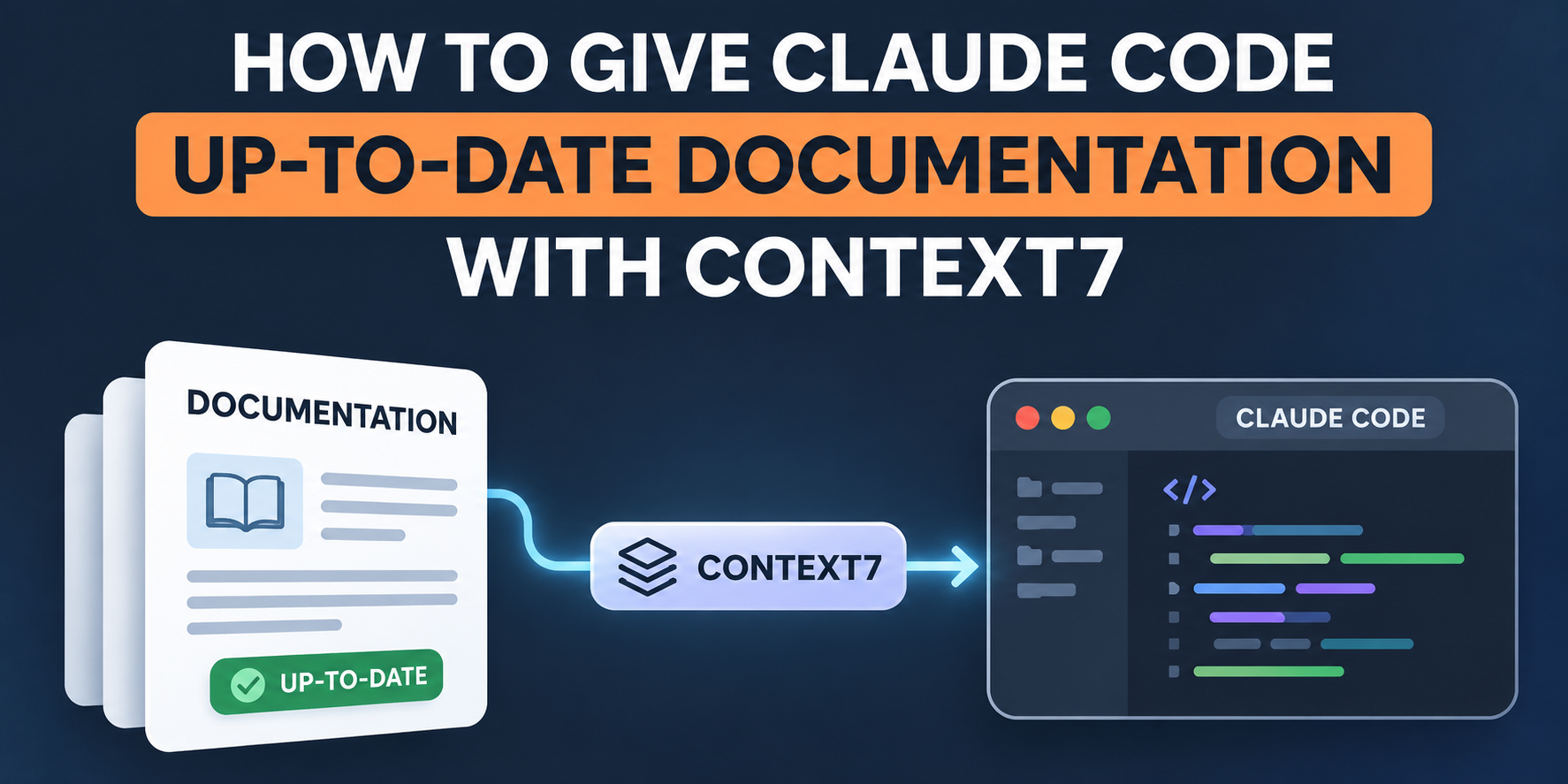
Context7 serves as a solution to bridge the gap between static knowledge and current codebase requirements. By giving Claude Code access to up-to-date documentation through Context7, users can ensure the AI is operating with the most relevant and accurate information available. This alignment reduces the likelihood of the AI attempting to debug or generate code based on obsolete references, thereby streamlining the development process.
Industry Impact
As AI agents become more deeply integrated into software development lifecycles, the importance of maintaining fresh context is paramount. Tools like Context7 that allow developers to feed real-time documentation into LLMs address a critical bottleneck in AI-assisted programming: the accuracy of the context provided to the model. This capability is essential for teams aiming to maximize efficiency and reduce operational costs associated with token consumption.
Frequently Asked Questions
What is the primary benefit of using Context7 with Claude Code?
The primary benefit is the ability to provide Claude Code with up-to-date documentation, which helps prevent the waste of tokens caused by debugging outdated code.
Why is outdated documentation a problem for AI coding agents?
When AI agents lack current documentation, they may attempt to debug or reference code that is no longer valid or updated, leading to inefficient token consumption and potentially incorrect results.