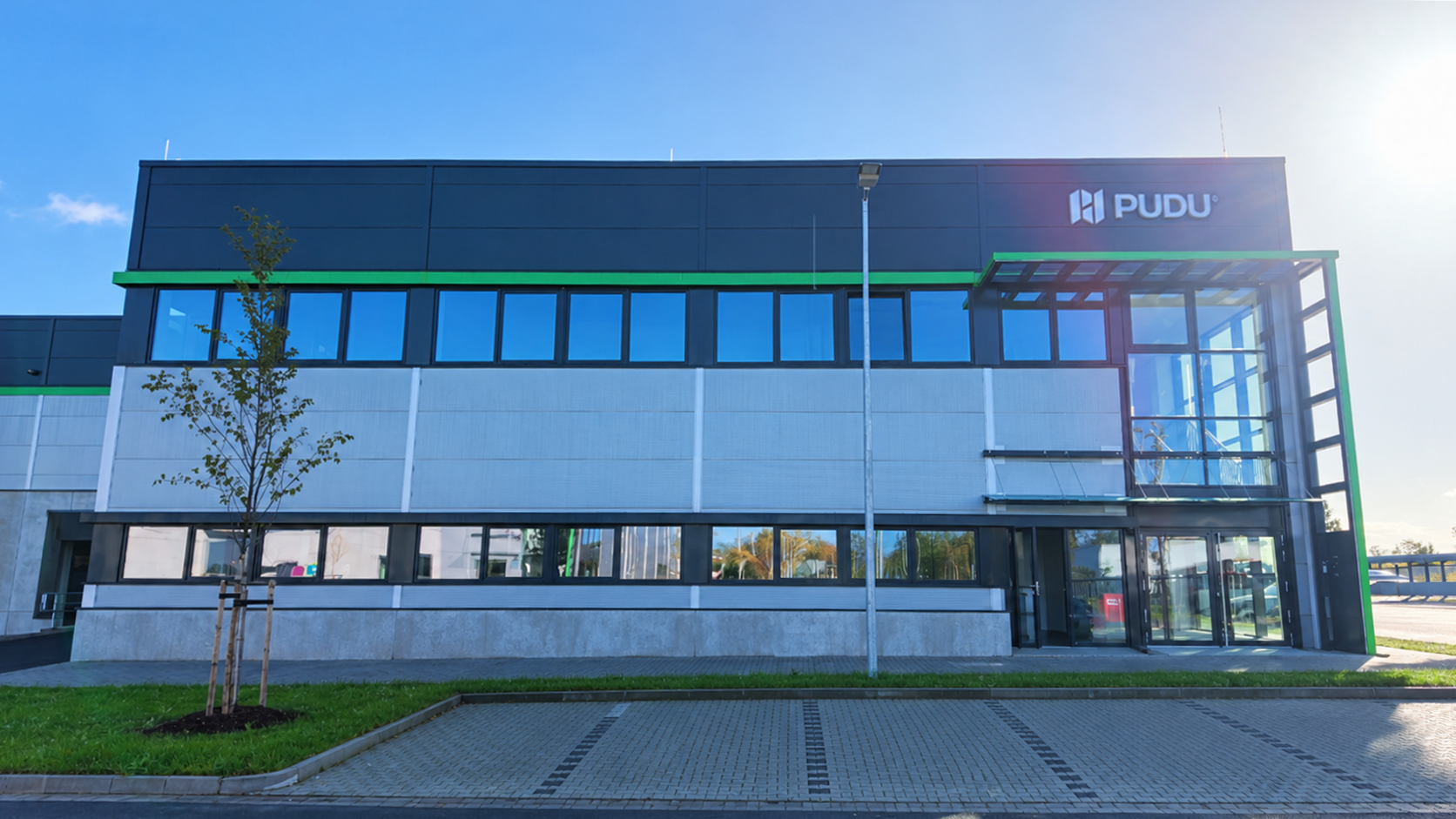
Chinese Robotics Firm Pudu Establishes European Headquarters in Germany to Anchor Expanding Continental Operations
Chinese robotics company Pudu has officially opened its European headquarters in Germany, marking a pivotal milestone in its global expansion strategy. According to reports from Tech in Asia, Pudu has established commercial operations in more than 20 European countries, demonstrating rapid regional adoption of its automated systems. By establishing a centralized corporate and operational headquarters in Germany, Europe's industrial and economic powerhouse, Pudu positions itself to better coordinate regional distribution, streamline customer support, and strengthen its competitive foothold across the continent. This development reflects a broader maturation within the commercial robotics sector, where leading manufacturers are increasingly transitioning from cross-border hardware exports to localized regional management. This analysis explores Pudu's strategic move, the operational requirements of serving over twenty distinct European markets, and the broader implications for the global robotics and automation industry.
Key Takeaways
- European Headquarters Established: Chinese robotics developer Pudu has formally opened its regional headquarters in Germany to direct its growing continental operations.
- Extensive Regional Footprint: The company confirmed that its commercial reach currently spans across more than 20 European nations.
- Strategic Continental Anchor: Selecting Germany places Pudu at the economic and geographic heart of Europe, enabling stronger operational coordination and market responsiveness.
- Shift Toward Deep Localization: The establishment of a dedicated regional headquarters marks a decisive transition from remote export distribution to an institutionalized, on-the-ground operational infrastructure.
In-Depth Analysis
Strategic Centralization: Germany as the Operational Anchor for Europe
The decision by Chinese robotics firm Pudu to establish its European headquarters in Germany represents a deliberate strategic calculation. Germany represents Europe's largest national economy and serves as a premier hub for engineering, logistics, and industrial innovation. For an international robotics enterprise seeking to manage multi-country operations, a German base provides critical geographic and logistical advantages. Positioned centrally within the continent, a German headquarters allows Pudu to interface seamlessly with major commercial corridors across Western, Central, and Northern Europe.
Establishing a centralized headquarters in Germany is more than a prestige move; it establishes an administrative and operational nexus capable of managing regulatory compliance, localized customer relations, and business development across diverse markets. As European businesses increasingly adopt automated solutions for service and industrial tasks, proximity to regional clients becomes indispensable. Operating an official European entity allows Pudu to bridge timezone differences, reduce communication friction, and offer direct executive engagement to institutional clients, partners, and corporate buyers.
Managing Market Complexity Across More Than 20 European Countries
Pudu's disclosure that it currently operates in more than 20 European countries highlights both the scale of its regional success and the organizational complexity it must now navigate. The European market is not monolithic; each country presents distinct regulatory standards, labor dynamics, language requirements, and industry expectations. Managing commercial operations across twenty-plus sovereign jurisdictions requires sophisticated supply chain coordination, multi-language technical documentation, and adaptable regional partner networks.
In the robotics industry, hardware delivery is only the first stage of customer engagement. Commercial deployments require routine maintenance, firmware updates, replacement part logistics, and technical staff training. By anchoring its European operations in a centralized German headquarters, Pudu creates a command structure capable of standardizing service quality across all 20+ active countries. This central hub can coordinate regional distributors, oversee localized system integrations, and ensure that service level agreements (SLAs) are consistently met, thereby preventing operational fragmentation as business volume scales.
Moving from Product Export to Institutional Localization
Pudu's European expansion reflects a broader evolution in how high-tech robotics firms scale globally. In the initial phases of internationalization, many hardware companies rely on third-party value-added resellers (VARs) and direct export models. While this approach allows for rapid, asset-light market entry, it often limits a company's ability to build lasting enterprise brand equity or deliver deep technical support.
By establishing a formal European headquarters, Pudu demonstrates a long-term commitment to the continent. This institutional commitment signals stability and dependability to European enterprise clients, who are often cautious about integrating critical automated systems from foreign vendors without established domestic legal and operational entities. Operating through an established German headquarters mitigates vendor risk, assures local enterprise customers of continued technical support, and positions Pudu as an embedded participant within the European commercial ecosystem rather than an opportunistic foreign exporter.
Industry Impact
Accelerating Global Competition in Commercial Automation
Pudu's establishment of a German headquarters signals intensifying competition within Europe's commercial and service robotics sectors. European enterprises across retail, hospitality, logistics, and healthcare are facing ongoing labor shortages and structural wage pressures, accelerating the demand for autonomous and semi-autonomous robotic systems. Pudu's strengthened local presence puts direct competitive pressure on domestic European robotics integrators and international rivals alike, driving faster innovation cycles and more competitive service models.
Setting Standards for Localized Robotics Infrastructure
As AI-driven robotics transitions from pilot projects into core enterprise workflows, the standard of customer evaluation is shifting from novelty to reliability. The establishment of dedicated regional headquarters demonstrates that long-term success in the robotics industry requires deep localized infrastructure. Companies must provide readily accessible support, localized data governance frameworks, and prompt physical maintenance. Pudu's expansion across 20+ countries, supported by a central German hub, underscores that physical operational presence is now a baseline requirement for any robotics firm competing at global scale.
Frequently Asked Questions
What has Pudu officially announced regarding its European operations?
Pudu has announced the opening of its European headquarters in Germany, establishing a centralized corporate base to support and oversee its ongoing expansion across the European continent.
What is the current extent of Pudu's presence in Europe?
Pudu confirmed that it currently maintains operational activities across more than 20 European countries, representing a broad geographic footprint in the regional commercial automation market.
Why is establishing a European headquarters in Germany significant for Pudu?
Establishing a German headquarters provides Pudu with a centralized operational, logistical, and administrative anchor. This localized corporate presence helps the company navigate complex regulatory frameworks, coordinate support across more than 20 national markets, and foster trust with European enterprise clients.