Japanese Humanoid Robot Startup O-ID Secures $1.2 Million Pre-Seed Round to Advance Modular Connector Technology
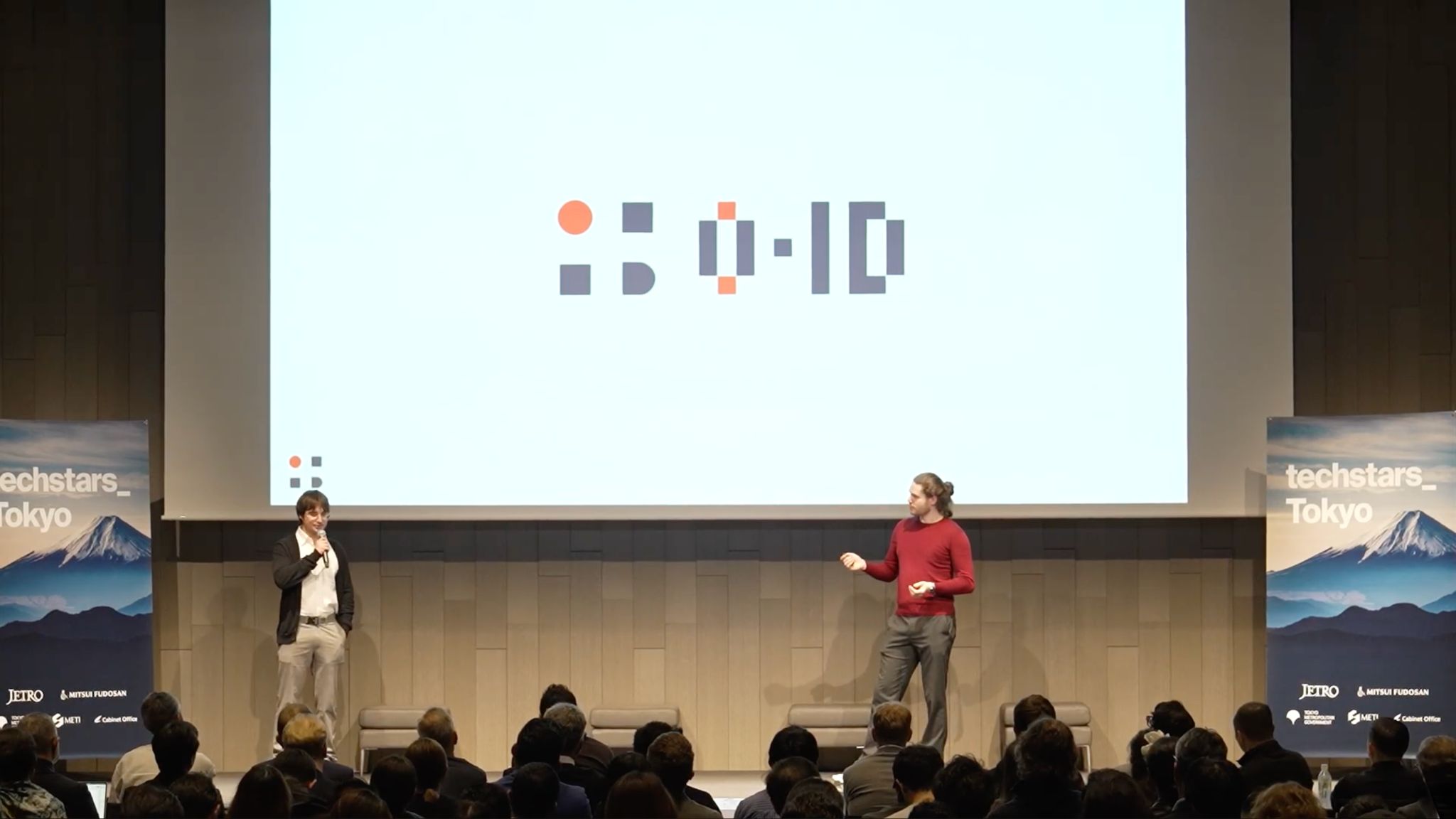
Tokyo-based robotics venture O-ID has officially secured $1.2 million in pre-seed financing to advance its modular humanoid robotics architecture. Alongside the early-stage funding milestone, the Japanese startup confirmed that it has filed a provisional patent application in the United States covering its proprietary modular connector technology. By targeting modular hardware connections, O-ID aims to solve critical engineering and maintenance bottlenecks in the humanoid robotics sector. The pre-seed capital will support the company's technical roadmap as it establishes intellectual property protections in major international markets. This development marks a significant step forward for Japanese robotics innovation, highlighting growing investor appetite for specialized mechanical architectures, hardware modularity, and cross-border commercialization strategies in modern robotics.
Key Takeaways
- Funding Milestone: Japanese robotics venture O-ID has successfully closed a $1.2 million pre-seed funding round to support the development of its humanoid robotics platform.
- Intellectual Property Expansion: The startup has officially filed a provisional patent application in the United States focused on its proprietary modular connector technology.
- Architectural Focus: O-ID is emphasizing modularity within humanoid robotics, addressing conventional hardware limitations through swappable, interconnected component design.
- Strategic International Positioning: Seeking patent protection in the U.S. demonstrates an early cross-border commercialization and IP defense strategy originating from the Japanese robotics ecosystem.
In-Depth Analysis
Advancing Modularity in Humanoid Robotics Architecture
The humanoid robotics landscape has historically grappled with issues surrounding rigid hardware design, complex maintenance procedures, and prolonged operational downtime. When conventional humanoid robots encounter component wear or mechanical degradation, standard repair protocols frequently require specialized facilities, comprehensive disassembly, and lengthy lead times. O-ID’s focal point—centered around proprietary modular connector technology—represents an architectural pivot aimed at transforming how humanoid robotic assemblies interconnect and operate.
By filing a provisional patent in the United States for this connector technology, O-ID indicates that its core mechanical differentiation lies in the physical and electrical interfaces linking sub-assemblies. Modular connectors are fundamental for realizing hot-swappable or rapidly serviceable hardware modules, such as actuated joints, specialized end-effectors, power conduits, and processing nodes. If robotic sub-units can be quickly detached and replaced via standardized, highly reliable modular connectors, industrial operators can dramatically reduce system maintenance overhead. This engineering direction aligns with broader industrial demands for high uptime, field serviceability, and simplified lifecycle management in automated environments.
Early-Stage Capital Allocation and Pre-Seed Acceleration
Securing $1.2 million at the pre-seed stage provides O-ID with crucial financial runway to transition early conceptual models and functional prototypes toward refined mechanical iterations. Early hardware development in robotics requires intensive resource allocation across precision engineering, rapid prototyping, endurance testing, and physical validation. For a nascent startup, securing institutional and early-stage investor backing validates the fundamental thesis that modularity solves a pressing, unaddressed gap in the current robotics paradigm.
Pre-seed capital serves as the vital fuel necessary to conduct empirical stress testing on connector durability, validate signal integrity across modular joints, and optimize manufacturing tolerances. Robotics startups operating in Japan benefit from proximate access to deep precision-manufacturing supply chains, mechatronic engineering expertise, and specialized industrial vendors. O-ID's successful capital raise reflects investor confidence in focused, hardware-level problem solving, demonstrating that addressing structural bottlenecks in robotics can attract meaningful seed-stage capital even amid a selective global venture landscape.
Cross-Border Intellectual Property Protection via U.S. Patent Filings
The decision by a Japanese robotics entity to file a provisional patent application specifically with the United States Patent and Trademark Office (USPTO) underscores a proactive global commercialization strategy. The United States represents one of the largest potential end-markets for advanced industrial robotics, logistics automation, and physical AI platforms. By staking out priority claims on its modular connector technology in the U.S., O-ID is safeguarding its core innovations against replication and establishing an international intellectual property perimeter early in its corporate lifecycle.
A provisional patent filing provides key tactical benefits: it establishes an immediate priority filing date while allowing the engineering team a 12-month window to continue refining the connector design before finalizing formal non-provisional claims. This legal and technical flexibility ensures that ongoing prototyping adjustments can be incorporated into the permanent patent portfolio. Furthermore, possessing defensible proprietary IP in the United States significantly enhances a startup's valuation and strategic positioning during subsequent financing rounds and international expansion negotiations.
Industry Impact
The emergence of modular humanoid initiatives like O-ID carries notable implications for the broader artificial intelligence and robotics ecosystem. As artificial intelligence models, spatial computing frameworks, and embodiment algorithms mature, the physical machines that host these cognitive systems must achieve equivalent levels of industrial-grade reliability. Software adaptability must be matched by hardware modularity.
In conventional industrial automation, high capital expenditure and rigid configurations have constrained broader adoption across variable work environments. If humanoid platforms adopt robust modular connectors, the barrier to enterprise deployment decreases substantially. Maintenance teams can replace degraded actuators or upgrade sensing arrays without decommissioning an entire unit. O-ID’s $1.2 million pre-seed round signals to the market that foundational mechanical components—such as durable, high-throughput connectors—are just as critical to the commercialization of physical AI as the neural networks driving locomotion and perception. This funding underscores a healthy recalibration within tech venture ecosystems toward tangible, mission-critical engineering solutions.
Frequently Asked Questions
What specific milestone did Japanese startup O-ID announce?
Japanese humanoid robot startup O-ID announced that it has successfully raised $1.2 million in pre-seed funding. In addition to the capital raise, the company revealed that it has filed a provisional patent application in the United States covering its modular connector technology.
Why is modular connector technology significant for humanoid robots?
Modular connector technology addresses one of the primary vulnerabilities of complex robotic systems: hardware rigidity and lengthy repair times. Standardized, reliable modular connectors enable rapid replacement and servicing of components such as limbs, joints, and sensors, reducing downtime and streamlining field maintenance in industrial environments.
What is the strategic significance of filing a provisional patent in the United States?
Filing a provisional patent in the U.S. establishes an early priority filing date in one of the world's most lucrative robotics and automation markets. This step protects O-ID's core mechanical design, strengthens its intellectual property defense against international competitors, and enhances its valuation as it prepares for future commercial deployment.