
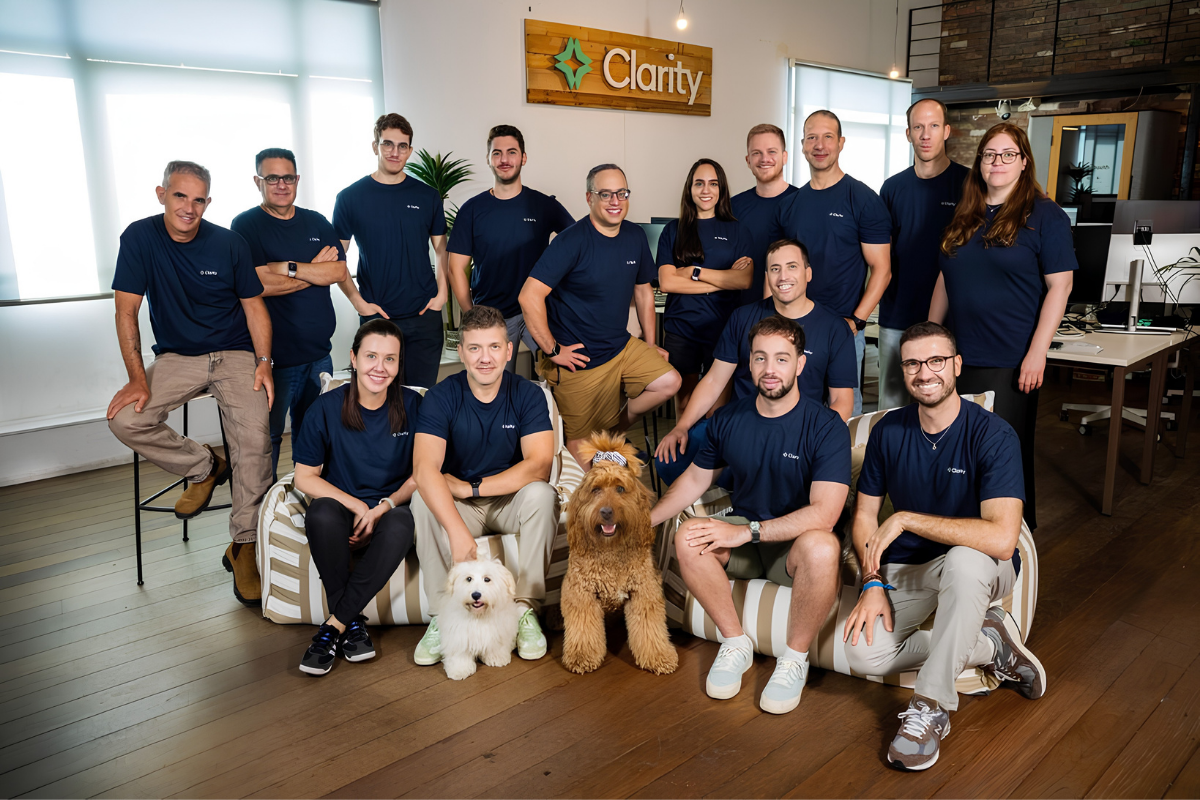
Deel Acquires Deepfake Technology Startup Clarity to Enhance Global HR Security
US-based HR and payroll platform Deel has announced the acquisition of Clarity, a startup specializing in deepfake technology. Founded in 2022, Clarity had quickly gained traction in the tech space, securing $16 million in funding from investors prior to the acquisition. This strategic move by Deel highlights the growing importance of addressing synthetic media and identity verification challenges within the human resources and remote work sectors. By integrating Clarity’s specialized capabilities, Deel aims to bolster its security infrastructure against the rising threat of deepfakes in digital hiring and corporate communications. The acquisition underscores a significant trend of HR platforms investing in advanced AI-driven security tools to protect global operations.
Key Takeaways
- Strategic Acquisition: Deel has officially acquired Clarity, a startup dedicated to deepfake technology.
- Rapid Growth: Clarity was founded in 2022, reaching an acquisition milestone in a relatively short timeframe.
- Significant Funding: Prior to the deal, Clarity successfully raised $16 million from various investors.
- Security Focus: The move signals a shift in the HR industry toward prioritizing advanced identity verification and synthetic media detection.
In-Depth Analysis
Deel's Strategic Expansion into Deepfake Detection
The acquisition of Clarity by Deel marks a pivotal moment for the HR technology industry. Deel, a prominent US-based platform specializing in global hiring and payroll, is expanding its reach beyond administrative services into the realm of advanced security. By bringing Clarity into its ecosystem, Deel is directly addressing the emerging risks associated with deepfake technology. As remote hiring becomes the standard for many global companies, the ability to verify the authenticity of individuals and their communications is becoming a critical requirement. Clarity’s focus on deepfake technology provides Deel with the tools necessary to safeguard its platform against sophisticated identity fraud and synthetic media manipulation.
The Rise and Valuation of Clarity
Clarity’s trajectory from its founding in 2022 to its acquisition by a major player like Deel is a testament to the urgent demand for deepfake detection solutions. In just a few years, the startup managed to raise $16 million in capital, indicating strong investor confidence in its technological approach. This funding allowed Clarity to develop specialized expertise in identifying and managing synthetic media, a field that has seen rapid evolution due to advancements in generative AI. The acquisition by Deel suggests that the market for deepfake security is maturing, with established platforms seeking to integrate these specialized capabilities rather than developing them from scratch. The $16 million investment served as a foundation for Clarity to build a product that is now deemed essential for a global HR infrastructure.
Industry Impact
The integration of Clarity’s technology into Deel’s platform is expected to set a new benchmark for security in the HR tech industry. As deepfakes become more accessible and harder to detect, the risk of fraudulent activity in recruitment and corporate governance increases. This acquisition highlights a growing necessity for AI-driven security measures that can keep pace with the evolution of synthetic media. For the broader AI industry, this move demonstrates the commercial viability of deepfake detection startups and suggests that we may see more consolidations as larger platforms look to secure their digital environments. Furthermore, it emphasizes the intersection of human resources and cybersecurity, where protecting the integrity of human identity is paramount to the success of global business operations.
Frequently Asked Questions
What is the primary focus of the startup Clarity?
Clarity is a startup founded in 2022 that specializes in deepfake technology, focusing on the detection and management of synthetic media to prevent identity fraud.
How much capital did Clarity raise before being acquired by Deel?
Clarity raised a total of $16 million from investors, which supported its development and growth leading up to the acquisition.
Why would an HR platform like Deel acquire a deepfake startup?
Deel acquired Clarity to enhance its security and identity verification processes, protecting its global HR and payroll services from the risks posed by deepfakes and synthetic media in remote work environments.


