Meituan Showcases AI Innovation at ACL 2026 with Six Research Papers on LLM Evaluation and Reasoning Optimization
The Meituan technical team has announced the acceptance of six research papers at ACL 2026, a premier international conference for computational linguistics and natural language processing. These papers represent significant advancements in several cutting-edge AI domains, including large language model (LLM) evaluation, complex process reasoning, and competition-level mathematical thinking. Additionally, the research delves into reinforcement learning optimization and generative recommendation systems. By focusing on building a new paradigm for generative AI, Meituan aims to bridge the gap between theoretical research and practical application. The selection highlights Meituan's commitment to enhancing the efficiency and intelligence of AI-driven services through rigorous academic contribution and technical optimization across diverse fields of natural language processing.
Key Takeaways
- Top-Tier Recognition: Meituan has successfully had six papers accepted by ACL 2026, one of the most prestigious conferences in the field of Computational Linguistics and Natural Language Processing (NLP).
- Diverse Research Scope: The research spans critical AI frontiers, including LLM capability evaluation, complex process reasoning, and competition-level mathematical thinking optimization.
- Algorithmic Advancements: The papers explore sophisticated techniques in reinforcement learning optimization and the development of generative recommendation systems.
- New Generative Paradigm: The collective work aims to establish a new framework for generative AI, moving from basic capability assessment to advanced reasoning and optimization.
In-Depth Analysis
Advancing LLM Evaluation and Complex Reasoning
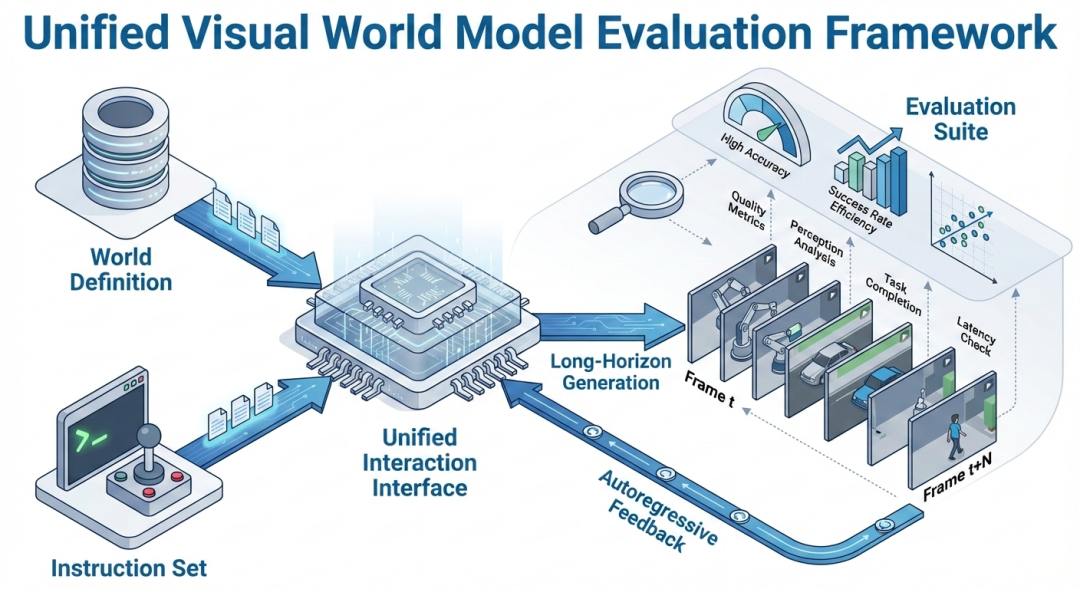
Meituan's contributions to ACL 2026 emphasize the critical need for robust evaluation frameworks in the era of Large Language Models (LLMs). As these models become more integrated into daily services, the ability to accurately assess their capabilities is paramount. The research focuses on moving beyond simple benchmarks to evaluate how models handle complex process reasoning. This involves understanding the step-by-step logic required to solve multi-faceted problems, ensuring that AI systems are not just predicting the next token but are demonstrating a coherent understanding of the task at hand. By refining these evaluation metrics, Meituan is helping to set higher standards for model reliability and performance in real-world applications.
Optimization of Mathematical Thinking and Reinforcement Learning
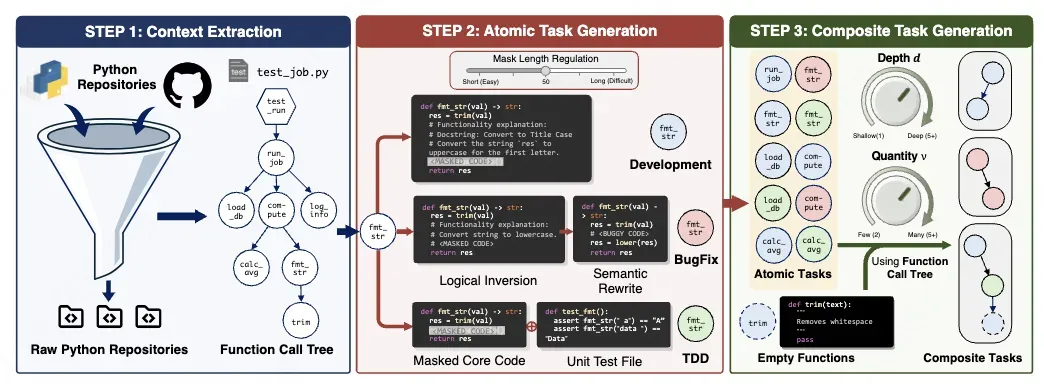
Another significant pillar of Meituan's research involves competition-level mathematical thinking. This area of study focuses on enhancing the model's ability to solve high-level mathematical problems, which serves as a proxy for advanced logical reasoning capabilities. To achieve this, the technical team has utilized reinforcement learning (RL) optimization. Reinforcement learning allows models to learn from feedback and improve their decision-making processes over time. By applying these optimizations to mathematical reasoning, Meituan is pushing the boundaries of what generative models can achieve in terms of structured, logical output, which has broad implications for automated problem-solving and technical assistance.
Building a New Paradigm for Generative Recommendations
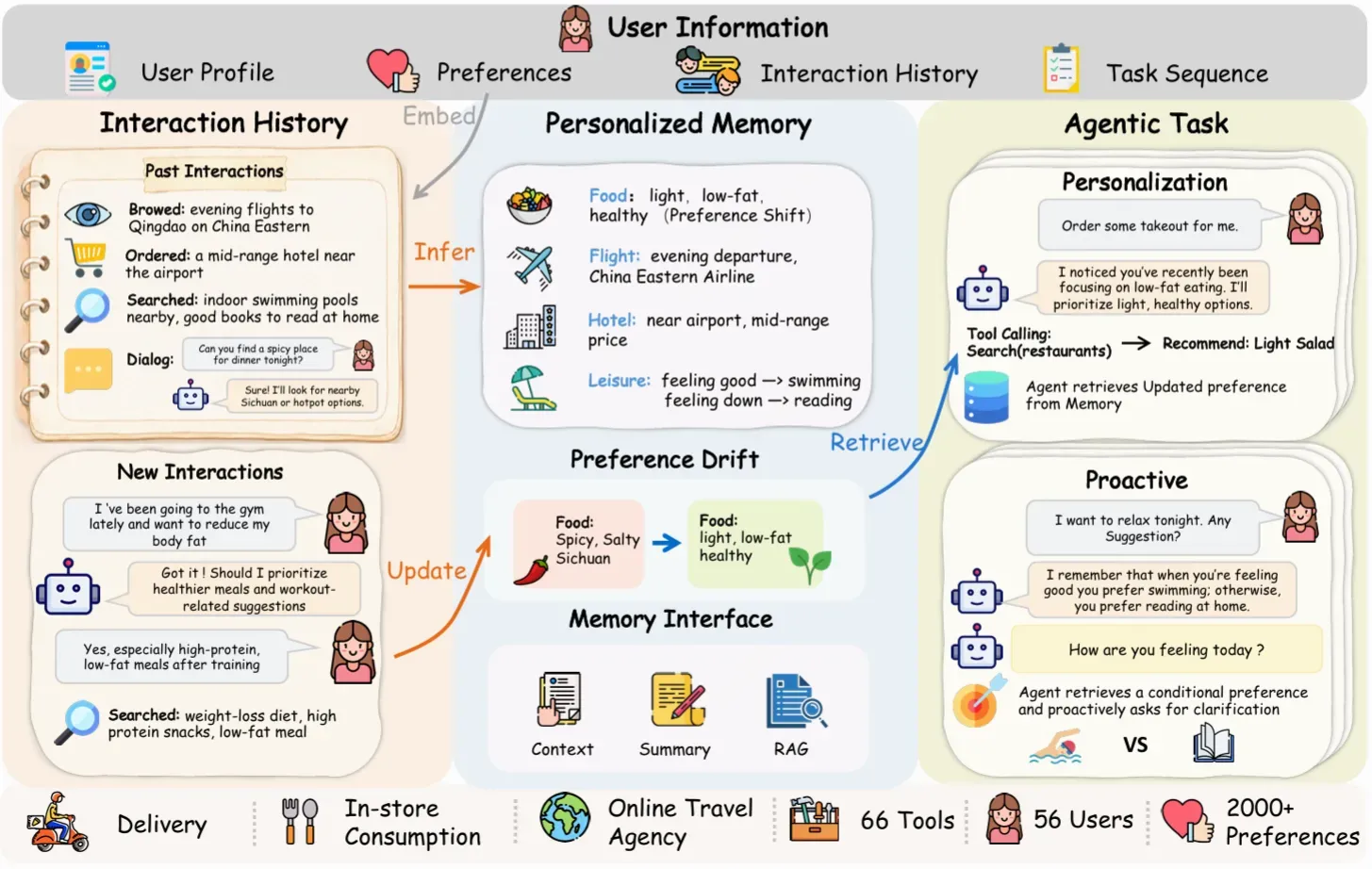
The research also addresses the evolution of recommendation systems through a generative lens. Traditional recommendation engines often rely on discriminative models to rank items; however, Meituan is exploring generative recommendation as a new paradigm. This approach leverages the creative and contextual power of LLMs to provide more personalized and intuitive suggestions to users. By integrating generative capabilities into recommendation workflows, the goal is to create a more seamless and engaging user experience. This shift represents a broader trend in the industry where generative AI is not just a standalone tool but a foundational component of core service infrastructures.
Industry Impact
The acceptance of these six papers at ACL 2026 underscores the growing influence of industrial research teams in shaping the future of NLP. Meituan’s focus on practical yet high-level challenges—such as reasoning optimization and generative recommendations—signals a shift toward AI that is both theoretically sound and commercially viable. For the AI industry, this research provides a roadmap for transitioning from general-purpose LLMs to specialized systems capable of handling complex, domain-specific tasks. Furthermore, the emphasis on reinforcement learning and rigorous evaluation frameworks contributes to the global effort of making AI more transparent, efficient, and capable of sophisticated logical thought, which is essential for the next generation of digital services.
Frequently Asked Questions
Question: What is the significance of ACL 2026 in the AI community?
ACL (Association for Computational Linguistics) is considered a top-tier international academic conference in the fields of computational linguistics and natural language processing. Being selected for this conference indicates that the research meets the highest standards of academic rigor and provides significant contributions to the global AI knowledge base.
Question: What specific areas of AI did Meituan's papers cover?
Meituan's research covered six key areas: Large Language Model (LLM) evaluation, complex process reasoning, competition-level mathematical thinking optimization, reinforcement learning optimization, and generative recommendation systems.
Question: How does Meituan's research aim to change generative AI?
Meituan is working toward building a "new paradigm" for generative AI. This involves moving from simple generation to more complex reasoning and optimized performance, ensuring that generative models can be effectively applied to specialized tasks like mathematical problem-solving and personalized recommendations.