Meituan Unveils Six ACL 2026 Papers: Pioneering New Paradigms in Large Model Reasoning and Evaluation
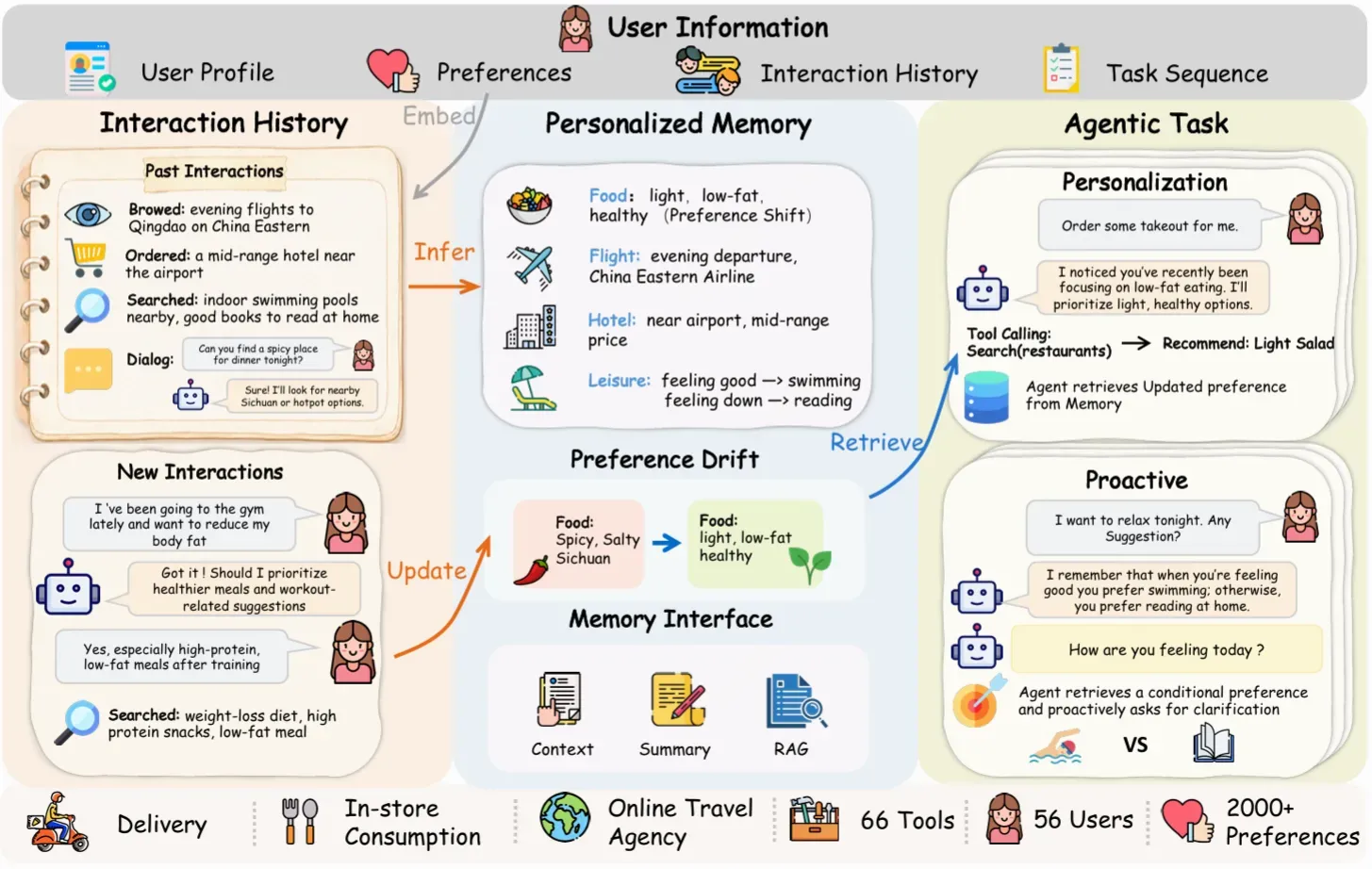
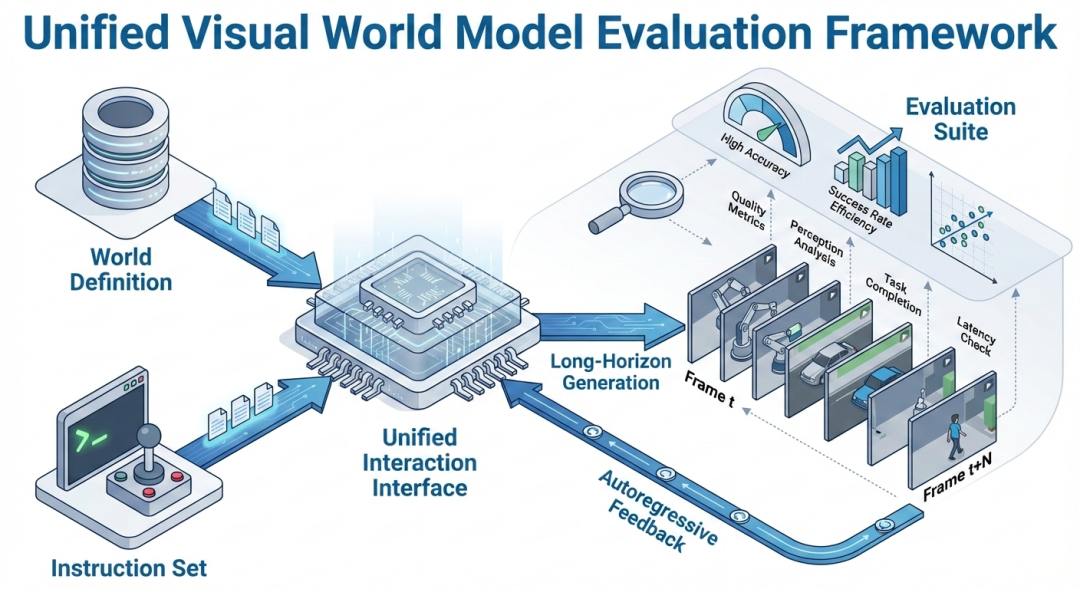
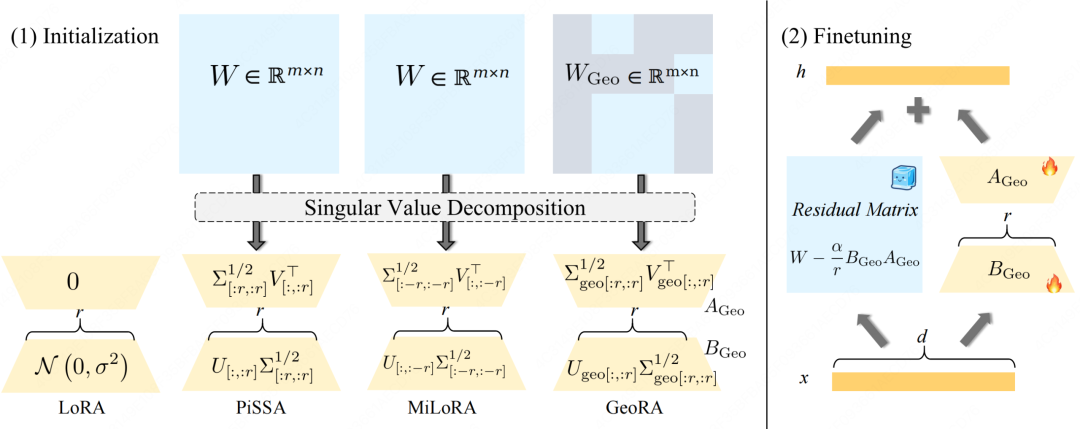
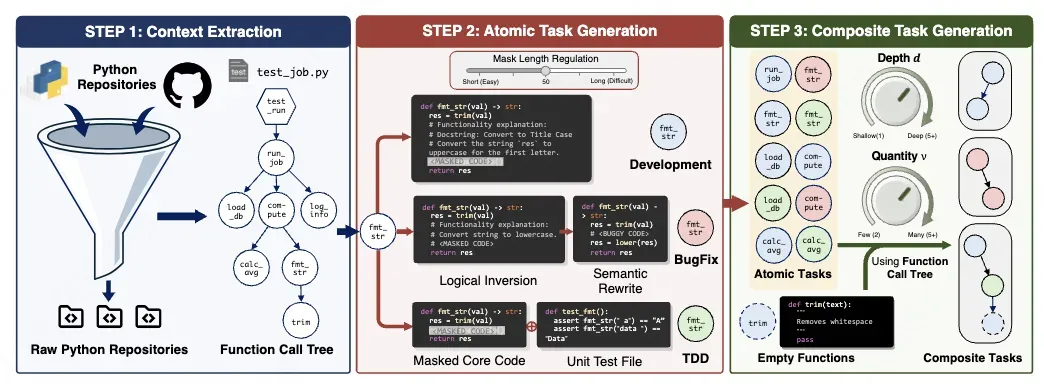
Meituan's technical team has announced the acceptance of six research papers at ACL 2026, a premier international conference in computational linguistics and natural language processing. The research covers a broad spectrum of cutting-edge AI domains, including large model capability evaluation, complex process reasoning, and competition-level mathematical thinking optimization. Additionally, the papers explore advancements in reinforcement learning and the emerging field of generative recommendation systems. This collection of work highlights Meituan's strategic focus on building a new generation of generative AI paradigms, emphasizing both the theoretical frameworks and practical optimizations necessary for sophisticated NLP applications. The contributions reflect a significant step forward in enhancing the reasoning capabilities and evaluative standards for modern large language models.
Key Takeaways
- Meituan successfully had six papers accepted at ACL 2026, covering diverse and critical fields within Natural Language Processing (NLP).
- The research focuses on two primary pillars: capability evaluation and reasoning optimization for large-scale models.
- Technical directions include complex process reasoning, competition-level mathematical optimization, and reinforcement learning.
- Innovations in generative recommendation systems suggest a shift in how AI-driven suggestions are structured and delivered.
- The collective research aims to establish a "new paradigm" for generative AI, moving beyond simple text generation to structured, reasoned output.
In-Depth Analysis
Redefining Evaluation and Reasoning Frameworks
The core of Meituan's contribution to ACL 2026 lies in its dual focus on how large models are evaluated and how they process complex information. As large language models (LLMs) become more integrated into commercial ecosystems, the ability to accurately assess their capabilities becomes paramount. Meituan's research into "capability evaluation" suggests a move toward more rigorous, multi-dimensional benchmarking that goes beyond standard accuracy metrics. This is complemented by their work on "complex process reasoning," which addresses the challenge of multi-step logic. By optimizing how models navigate intricate workflows, the research aims to reduce hallucinations and improve the reliability of AI in tasks that require sequential decision-making.
Optimization for High-Stakes Intelligence
A significant portion of the accepted papers focuses on high-precision domains, specifically competition-level mathematical thinking and reinforcement learning (RL). Mathematical optimization at a competition level requires a model to possess not just linguistic fluency, but deep logical consistency and the ability to solve non-trivial problems. Meituan’s focus here indicates a push toward "system 2" thinking in AI—deliberate, logical, and analytical. Furthermore, the integration of reinforcement learning optimization points to a commitment to refining model behavior through iterative feedback loops. This approach is essential for aligning model outputs with complex human intentions and technical constraints, ensuring that the generative process is both efficient and goal-oriented.
The Emergence of Generative Recommendation Paradigms
One of the most industry-relevant aspects of Meituan's ACL 2026 papers is the exploration of generative recommendation systems. Traditional recommendation engines often rely on discriminative models to rank items. Meituan’s research into a "generative" approach suggests a paradigm shift where the model can synthesize and explain recommendations in a more natural, conversational, or context-aware manner. This technical direction aligns with the broader industry trend of moving toward "Generative AI for Everything" (GAIE), where the generative model acts as the primary interface for user interaction. By applying this to recommendations, Meituan is likely looking to enhance user engagement through more personalized and transparent AI-driven suggestions.
Industry Impact
The inclusion of these six papers in a top-tier conference like ACL 2026 underscores the growing influence of industrial research teams in shaping the academic discourse of AI. For the NLP industry, Meituan’s focus on reasoning and evaluation provides a roadmap for moving from "chatbots" to "reasoning agents." The emphasis on mathematical optimization and reinforcement learning suggests that the next wave of AI development will prioritize precision and logical depth over mere scale. Furthermore, the work on generative recommendations could redefine the standards for e-commerce and service platforms, forcing a transition from static list-based interfaces to dynamic, generative user experiences. This research collectively signals that the industry is maturing, with a clear focus on the reliability and specialized utility of large-scale generative models.
Frequently Asked Questions
Question: What are the primary technical areas covered by Meituan's ACL 2026 papers?
Meituan's research covers six key areas: large model capability evaluation, complex process reasoning, competition-level mathematical thinking optimization, reinforcement learning optimization, and generative recommendation systems.
Question: What does Meituan mean by "building a new generative paradigm"?
This refers to a shift in AI development that focuses on enhancing the reasoning, logic, and evaluative frameworks of models. Instead of just generating text, the new paradigm emphasizes structured reasoning, high-level mathematical logic, and more sophisticated recommendation methods.
Question: Why is competition-level mathematical thinking important for AI research?
Optimizing for competition-level math forces models to develop deep logical reasoning and multi-step problem-solving skills. This research is critical for improving the overall reliability and analytical capabilities of AI in various complex, real-world applications.