
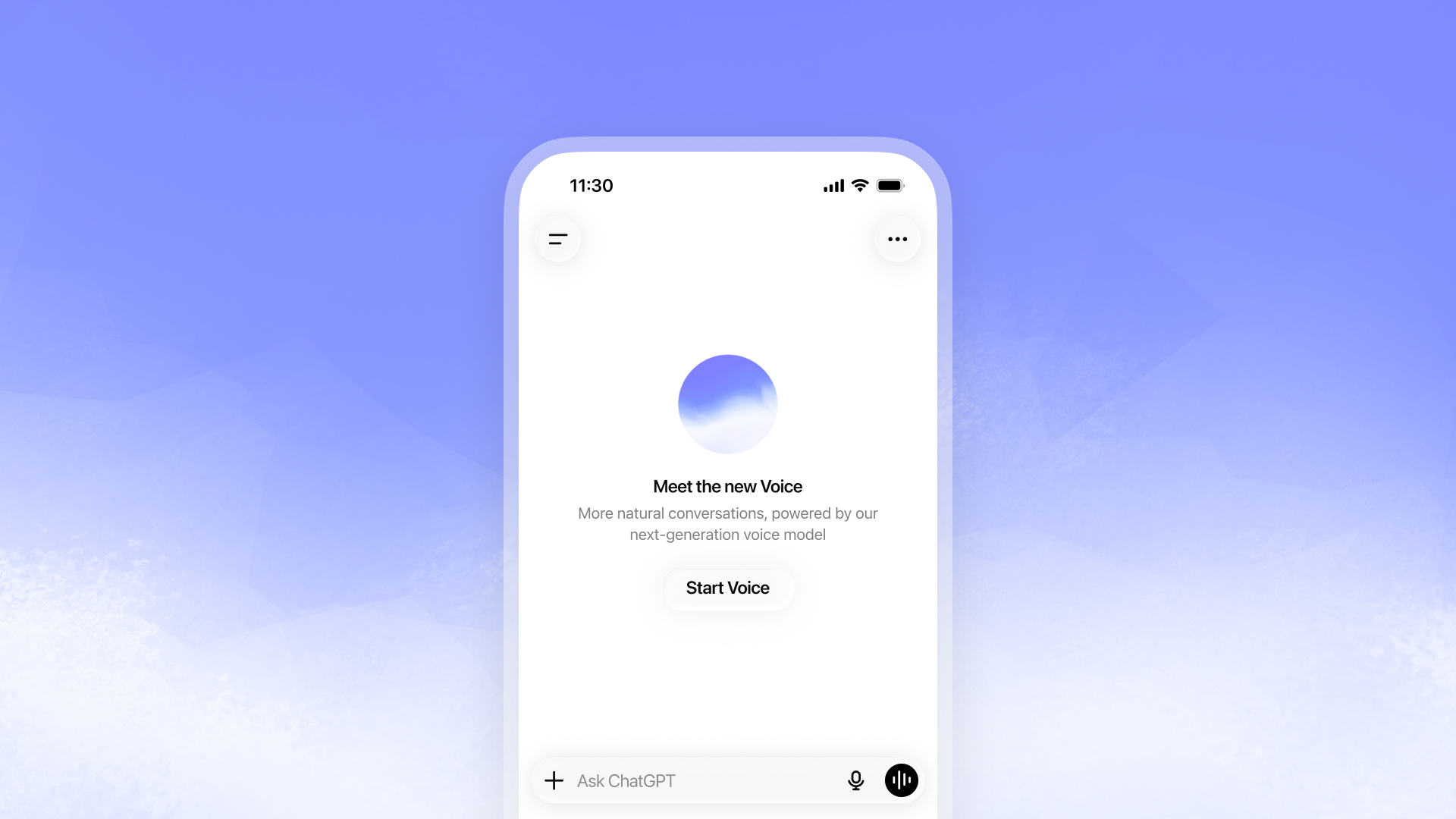
OpenAI Launches GPT-Live-1: A New Real-Time Voice Model for ChatGPT Enhancing Conversational Intelligence
OpenAI has officially introduced GPT-Live-1, a next-generation voice model designed to function with the fluidity of a phone call. Replacing the previous Advanced Voice system as the default for ChatGPT, GPT-Live-1 integrates real-time processing capabilities with enhanced intelligence. This transition marks a significant shift in how users interact with AI, moving toward more natural, low-latency verbal communication. The update aims to provide a more seamless and intelligent user experience by combining high-level reasoning with immediate response times, effectively setting a new standard for voice-based artificial intelligence interactions within the ChatGPT ecosystem.
Key Takeaways
- OpenAI has launched GPT-Live-1, a new voice model for ChatGPT.
- The model is designed to operate with the fluidity and speed of a phone call.
- GPT-Live-1 replaces the previous "Advanced Voice" as the default voice model.
- The update combines real-time capabilities with increased intelligence.
In-Depth Analysis
Transition to GPT-Live-1
OpenAI's introduction of GPT-Live-1 represents a strategic evolution in its voice interface technology. By replacing the existing Advanced Voice model, OpenAI is positioning GPT-Live-1 as the primary method for verbal interaction within ChatGPT. This shift suggests a focus on creating a more unified and capable default experience for users who rely on voice commands and conversations. The move indicates that the technology has reached a level of maturity where real-time interaction is no longer an experimental feature but the standard for the platform.
Real-Time Capabilities and Intelligence
The core value proposition of GPT-Live-1 lies in its ability to function "like a phone call." This implies a significant focus on reducing latency, allowing for more natural, back-and-forth dialogue without the awkward pauses often found in previous AI voice iterations. Furthermore, the model is reported to bring together these real-time capabilities with greater intelligence. This suggests that the AI can process complex queries and provide sophisticated, context-aware responses without sacrificing the speed of the delivery, bridging the gap between high-level reasoning and immediate verbal feedback.
Industry Impact
The launch of GPT-Live-1 signals a move toward more human-centric AI interfaces across the tech landscape. By prioritizing real-time, phone-call-like interactions, OpenAI is setting a new benchmark for latency and conversational flow in the industry. This development likely pressures competitors to enhance their own voice models, focusing not just on the accuracy of the text generated, but on the speed and naturalness of the delivery. As voice becomes a more dominant interface for AI, the integration of intelligence with real-time performance will be a critical differentiator for consumer-facing products.
Frequently Asked Questions
Question: What is GPT-Live-1?
GPT-Live-1 is OpenAI's latest voice model for ChatGPT, designed to provide real-time, intelligent verbal interactions that mimic the experience of a phone call.
Question: What happened to the Advanced Voice model?
GPT-Live-1 has officially replaced Advanced Voice as the default voice model for ChatGPT, serving as the new standard for voice interactions.
Question: How does GPT-Live-1 improve the user experience?
It combines real-time processing for faster, more natural responses with greater intelligence for more complex and capable conversational interactions.
