
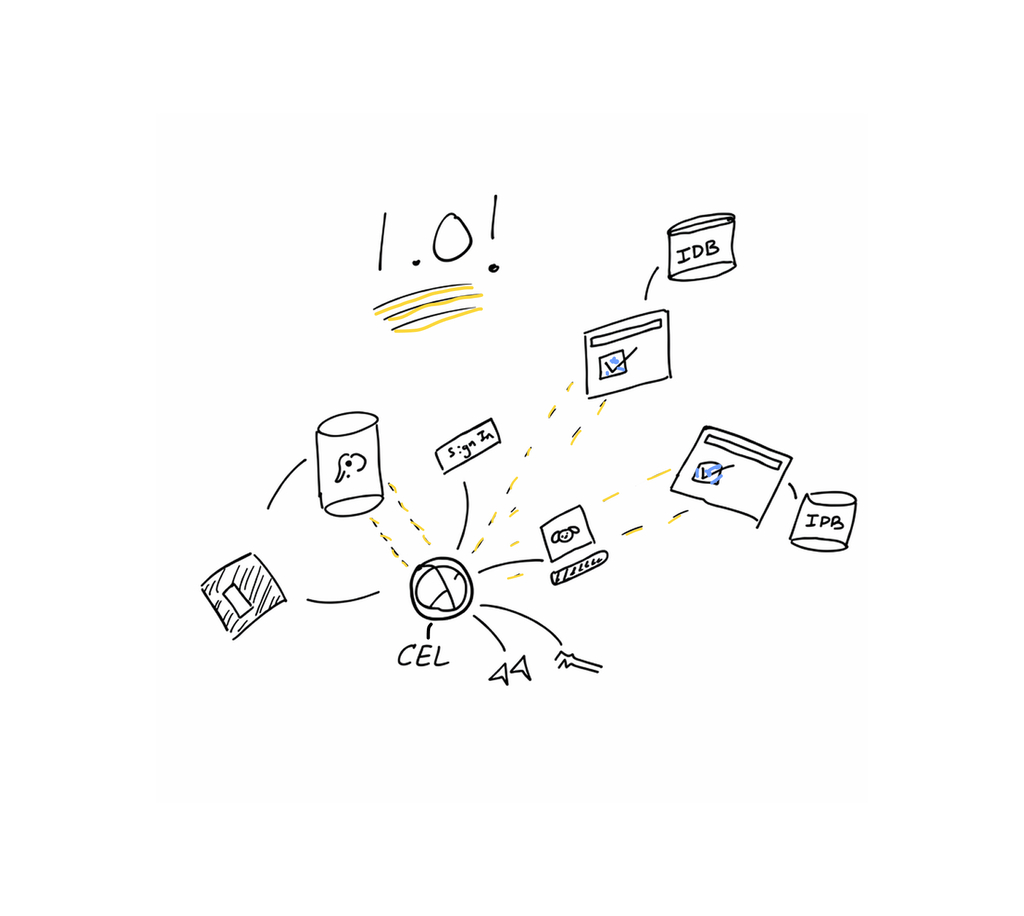
Instant 1.0 Launch: A New Open Source Backend Designed Specifically for AI-Coded Applications
Instant 1.0 has been officially released as a fully open-source backend solution aimed at transforming AI coding agents into comprehensive full-stack app builders. Developed over four years by Joe, Stepan, Daniel, and Drew, the platform addresses common developer pain points by offering a multi-tenant architecture built on Postgres and a sync engine written in Clojure. Key features include the ability to host unlimited apps without the risk of them being frozen during idle periods, real-time synchronization, and offline functionality. By utilizing a row-based multi-tenant system rather than individual virtual machines, Instant 1.0 ensures that inactive apps incur zero compute or memory costs, providing a high-performance environment for modern application development.
Key Takeaways
- Instant 1.0 Release: After four years of development, Instant 1.0 is now available as a fully open-source backend for AI-coded apps.
- Multi-Tenant Architecture: Built on Postgres and Clojure, the system uses a multi-tenant database approach to allow unlimited apps without freezing idle projects.
- Integrated Sync Engine: Features a built-in sync engine that enables real-time updates, offline capabilities, and high-speed performance.
- Comprehensive Services: Includes built-in support for authentication, file storage, presence, and data streams.
- Efficiency: Inactive apps consume no compute or memory resources, while active apps require only a few kilobytes of RAM overhead.
In-Depth Analysis
Architecture and Design Philosophy
The core of Instant 1.0 is designed to solve the constraints of real-time, relational, and multi-tenant backends. The team made specific design choices to optimize for AI-driven development, moving away from traditional VM-based hosting. By building a multi-tenant database on top of Postgres and utilizing Clojure for the sync engine, Instant allows developers to spin up projects instantly. Instead of provisioning a new virtual machine for every project—which often leads to high costs or "frozen" apps that take 30 seconds or more to wake up—Instant simply inserts new database rows. This architecture ensures that when an app is inactive, it costs nothing in terms of compute or memory, yet remains ready to respond instantly when accessed.
Enhancing AI-Coded App Development
Instant 1.0 positions itself as a bridge that turns coding agents into full-stack builders. The platform provides three primary benefits to developers: unlimited project creation, a robust sync engine, and integrated essential services. The sync engine is particularly critical for modern user experiences, as it ensures apps work offline and feel fast through real-time data handling. Furthermore, the inclusion of built-in services like auth, file storage, and presence means developers don't have to piece together disparate tools to create a functional, feature-rich application. This integrated approach is specifically tailored to complement the workflow of AI coding tools, allowing for faster iteration and deployment.
Industry Impact
The launch of Instant 1.0 represents a significant shift in how backend infrastructure can support the growing ecosystem of AI-generated software. By removing the technical and financial barriers associated with hosting multiple small-scale or experimental projects, Instant 1.0 enables a more fluid development cycle. Its open-source nature and efficient multi-tenant model challenge existing cloud hosting paradigms that rely on resource-heavy VM provisioning. For the AI industry, this provides a scalable foundation where AI agents can not only write code but also deploy and maintain functional backends with minimal overhead, potentially accelerating the time-to-market for new applications.
Frequently Asked Questions
Question: How does Instant 1.0 handle idle applications compared to traditional services?
Unlike many services that cap free apps or freeze them when idle—leading to long wake-up times—Instant 1.0 never freezes apps. Because it is multi-tenant, an inactive app uses no compute or memory resources, and active apps only require a few kilobytes of RAM overhead.
Question: What technologies power the Instant 1.0 backend?
Instant 1.0 is built using a multi-tenant database layer on top of Postgres, with a synchronization engine developed in Clojure to handle real-time and offline capabilities.
Question: Is Instant 1.0 open source?
Yes, the team has confirmed that Instant 1.0 is fully open source, allowing developers to inspect, modify, and contribute to the platform.

