AI News on April 10, 2026

Andrej Karpathy-Inspired Claude Code Guide: Enhancing LLM Programming via CLAUDE.md Configuration
Open Source

Andrej Karpathy-Inspired Claude Code Guide: Enhancing LLM Programming via CLAUDE.md Configuration

A new technical resource inspired by Andrej Karpathy's insights into Large Language Model (LLM) programming has emerged on GitHub. Developed by user forrestchang, the project provides a specialized CLAUDE.md file designed to optimize the behavior of Claude Code. This guide translates Karpathy’s documented observations on how AI models interact with code into a functional configuration file. By implementing these specific instructions, developers can refine how Claude Code processes programming tasks, ensuring the tool aligns with high-level industry observations regarding LLM efficiency and accuracy. The repository serves as a practical bridge between theoretical AI programming observations and the functional application of AI coding assistants.

GitHub Trending
SEO Machine: A Dedicated Claude Code Workspace for Long-Form Content Optimization and Research
Open Source

SEO Machine: A Dedicated Claude Code Workspace for Long-Form Content Optimization and Research

The newly released 'SEO Machine' project on GitHub, developed by TheCraigHewitt, introduces a specialized Claude Code workspace designed to streamline the creation of long-form, SEO-optimized blog content. This system provides a comprehensive framework for businesses to conduct research, write, analyze, and optimize content specifically tailored to rank well in search engines while effectively serving target audiences. By leveraging the capabilities of Claude Code, SEO Machine aims to bridge the gap between automated content generation and high-quality search engine performance, offering a structured environment for end-to-end content strategy execution.

GitHub Trending
Google AI Edge Gallery: A New Hub for On-Device Machine Learning and Generative AI Applications
Product Launch

Google AI Edge Gallery: A New Hub for On-Device Machine Learning and Generative AI Applications

Google AI Edge has launched the 'Gallery,' a dedicated platform designed to showcase on-device Machine Learning (ML) and Generative AI (GenAI) application cases. This repository serves as a centralized hub where developers and users can explore, try, and implement models locally. By focusing on edge computing, the gallery highlights the practical utility of running sophisticated AI models directly on hardware rather than relying on cloud infrastructure. The project, hosted on GitHub, provides a curated collection of examples that demonstrate the capabilities of Google's AI Edge ecosystem, offering a hands-on approach for those looking to integrate local AI functionalities into their own projects and devices.

GitHub Trending
NVIDIA Releases PersonaPlex: Advanced Speech and Character Control for Full-Duplex Conversational Voice Models
Open Source

NVIDIA Releases PersonaPlex: Advanced Speech and Character Control for Full-Duplex Conversational Voice Models

NVIDIA has introduced PersonaPlex, a specialized codebase designed to enhance speech and character control within full-duplex conversational voice models. Published on GitHub, this project focuses on the nuances of real-time, bidirectional voice interaction, allowing for more sophisticated management of persona attributes and vocal delivery. By providing tools for precise control over how AI voices sound and behave during continuous dialogue, PersonaPlex addresses the technical challenges of maintaining consistent character identity in fluid, human-like conversations. The repository includes access to weights hosted on Hugging Face, signaling a significant step forward in the development of interactive AI agents that can listen and speak simultaneously while adhering to specific stylistic and personality constraints.

GitHub Trending
Google Launches LiteRT-LM: A Production-Ready Open Source Framework for Edge Device Large Language Model Deployment
Open Source

Google Launches LiteRT-LM: A Production-Ready Open Source Framework for Edge Device Large Language Model Deployment

Google's google-ai-edge team has introduced LiteRT-LM, a high-performance, production-ready open-source inference framework specifically designed for deploying Large Language Models (LLMs) on edge devices. This framework aims to bridge the gap between complex AI models and resource-constrained hardware, providing a streamlined path for developers to implement on-device intelligence. By focusing on performance and production readiness, LiteRT-LM offers a robust solution for local AI execution, ensuring that large-scale models can run efficiently outside of centralized data centers. The project, hosted on GitHub, represents a significant step in Google's strategy to empower the AI edge computing ecosystem with accessible, high-speed tools for modern model deployment.

GitHub Trending
Superpowers: A Comprehensive Agent Skill Framework and Software Development Methodology for AI Coding
Open Source

Superpowers: A Comprehensive Agent Skill Framework and Software Development Methodology for AI Coding

Superpowers, a new project hosted on GitHub by author 'obra', introduces a robust framework and software development methodology specifically designed for coding agents. The project provides a complete software development workflow that enables the creation and management of AI agents through a modular system of composable 'skills'. Built upon a solid set of initial foundations, Superpowers aims to streamline how developers interact with and build autonomous coding entities. By focusing on composability and structured workflows, the framework offers a systematic approach to agentic software engineering, allowing for more efficient development cycles and the integration of specialized capabilities into AI-driven programming tasks.

GitHub Trending
Newton: A New Open-Source GPU-Accelerated Physics Engine Built on NVIDIA Warp for Robotics Research
Open Source

Newton: A New Open-Source GPU-Accelerated Physics Engine Built on NVIDIA Warp for Robotics Research

Newton has emerged as a specialized open-source physics simulation engine designed specifically for the needs of roboticists and simulation researchers. Developed by the newton-physics team and hosted on GitHub, the project leverages NVIDIA Warp to provide high-performance GPU acceleration. By focusing on the intersection of physical simulation and robotics, Newton aims to provide a robust framework for complex research tasks. The engine's architecture is built to handle intensive computational demands while remaining accessible through its open-source license. As a GPU-accelerated tool, it represents a significant development for researchers seeking to optimize simulation workflows and enhance the fidelity of robotic modeling within a high-performance computing environment.

GitHub Trending
OpenAI Launches New $100 Per Month ChatGPT Pro Subscription Tier for High-Effort Coding Tasks
Product Launch

OpenAI Launches New $100 Per Month ChatGPT Pro Subscription Tier for High-Effort Coding Tasks

OpenAI has officially introduced a new premium subscription tier for ChatGPT, priced at $100 per month. Positioned above the existing $20 Plus plan, the ChatGPT Pro subscription is specifically designed to cater to intensive users, particularly those engaged in complex development work. The primary highlight of this new tier is the significantly increased access to OpenAI's Codex tool, offering five times the usage limits compared to the standard Plus subscription. According to OpenAI, this tier is optimized for longer, high-effort sessions, providing the necessary bandwidth for professional-grade coding projects and sustained technical workflows. This move marks a strategic expansion of OpenAI's monetization model, targeting power users who require more robust resources than the entry-level paid plan provides.

The Verge
OpenAI Bridges Subscription Gap with New $100 Per Month ChatGPT Pro Plan for Power Users
Product Launch

OpenAI Bridges Subscription Gap with New $100 Per Month ChatGPT Pro Plan for Power Users

OpenAI has officially announced the launch of a new subscription tier for ChatGPT, priced at $100 per month. This strategic move addresses a significant gap in the company's previous pricing structure, which saw a sharp jump from the $20 Plus plan to the $200 Team or Enterprise-level offerings. By introducing this mid-tier 'Pro' plan, OpenAI aims to satisfy the demands of power users who require more than the basic subscription but found the top-tier pricing inaccessible. The announcement, made on Thursday, reflects the company's responsiveness to user feedback and its ongoing efforts to monetize its AI platform across different segments of the market.

TechCrunch AI
Florida Attorney General Launches Investigation Into OpenAI Following Fatal Shooting Incident Linked to ChatGPT
Industry News

Florida Attorney General Launches Investigation Into OpenAI Following Fatal Shooting Incident Linked to ChatGPT

Florida's Attorney General has officially announced an investigation into OpenAI following a tragic shooting at Florida State University. Reports indicate that ChatGPT was allegedly utilized to plan the attack, which resulted in two fatalities and five injuries last April. This legal scrutiny comes as the family of one victim prepares to file a lawsuit against the AI company. The investigation aims to examine the role of the generative AI platform in the orchestration of the violence. This case marks a significant moment in the intersection of AI technology and public safety, highlighting potential legal liabilities for developers when their tools are implicated in criminal activities. The outcome could set a major precedent for how AI companies are held accountable for the outputs and applications of their software.

TechCrunch AI
Reverse Engineering Google Gemini's SynthID: Researchers Discover Methods to Detect and Remove AI Watermarks
Research Breakthrough

Reverse Engineering Google Gemini's SynthID: Researchers Discover Methods to Detect and Remove AI Watermarks

A new open-source project has successfully reverse-engineered Google's SynthID, the invisible watermarking system used in images generated by Gemini. By utilizing signal processing and spectral analysis without access to Google's proprietary tools, researchers identified that the watermark relies on resolution-dependent carrier frequencies. The project has developed a detector with 90% accuracy and a sophisticated 'V3 bypass' method. This bypass achieves significant reductions in carrier energy and phase coherence while maintaining high image quality (43+ dB PSNR). The researchers are currently seeking community contributions of specific generated images to expand their 'SpectralCodebook' and improve the tool's robustness across various image resolutions.

Hacker News
Mercor Faces Legal Action and Customer Loss Following Major Data Breach at $10B Startup
Industry News

Mercor Faces Legal Action and Customer Loss Following Major Data Breach at $10B Startup

Mercor, the high-profile AI startup recently valued at $10 billion, is navigating a turbulent period following a significant security breach. After falling victim to a cyberattack, the company is now reportedly facing multiple lawsuits and the departure of several high-profile clients. The incident marks a critical turning point for the unicorn company as it deals with the legal and commercial fallout of the compromise. While the full extent of the data exposure remains under scrutiny, the immediate impact has manifested in a loss of market confidence and a challenging legal landscape that could influence the company's trajectory in the competitive AI recruitment and talent sector.

TechCrunch AI
Meta AI App Surges to Top 5 on App Store Following Muse Spark Model Launch
Industry News

Meta AI App Surges to Top 5 on App Store Following Muse Spark Model Launch

Meta AI has experienced a dramatic rise in App Store rankings following the release of its latest model, Muse Spark. Previously positioned at No. 57, the application has rapidly climbed to the No. 5 spot on the charts. This significant jump in user acquisition and visibility highlights the immediate impact of Meta's new AI capabilities on consumer interest. As the app continues its upward trajectory, the launch of Muse Spark appears to be a pivotal moment for Meta's mobile AI strategy, successfully driving the platform into the top tier of the most downloaded applications on the App Store.

TechCrunch AI
Anthropic Restricts Mythos Model Release Citing Advanced Cybersecurity Risks and Software Exploit Capabilities
Industry News

Anthropic Restricts Mythos Model Release Citing Advanced Cybersecurity Risks and Software Exploit Capabilities

Anthropic has announced a limited release for its latest AI model, Mythos, citing significant concerns regarding its advanced capabilities. According to the company, the model possesses a high proficiency in identifying security exploits within software systems used globally. This decision has sparked a debate within the tech community regarding the true motivation behind the restriction. While Anthropic frames the move as a necessary safety precaution to protect global digital infrastructure, questions have emerged about whether these cybersecurity concerns are the primary driver or if they serve as a cover for internal challenges or strategic shifts at the frontier AI laboratory. The situation highlights the growing tension between rapid AI advancement and the potential risks posed by highly capable models to international software security.

TechCrunch AI
Instant 1.0 Launch: A New Open Source Backend Designed Specifically for AI-Coded Applications
Product Launch

Instant 1.0 Launch: A New Open Source Backend Designed Specifically for AI-Coded Applications

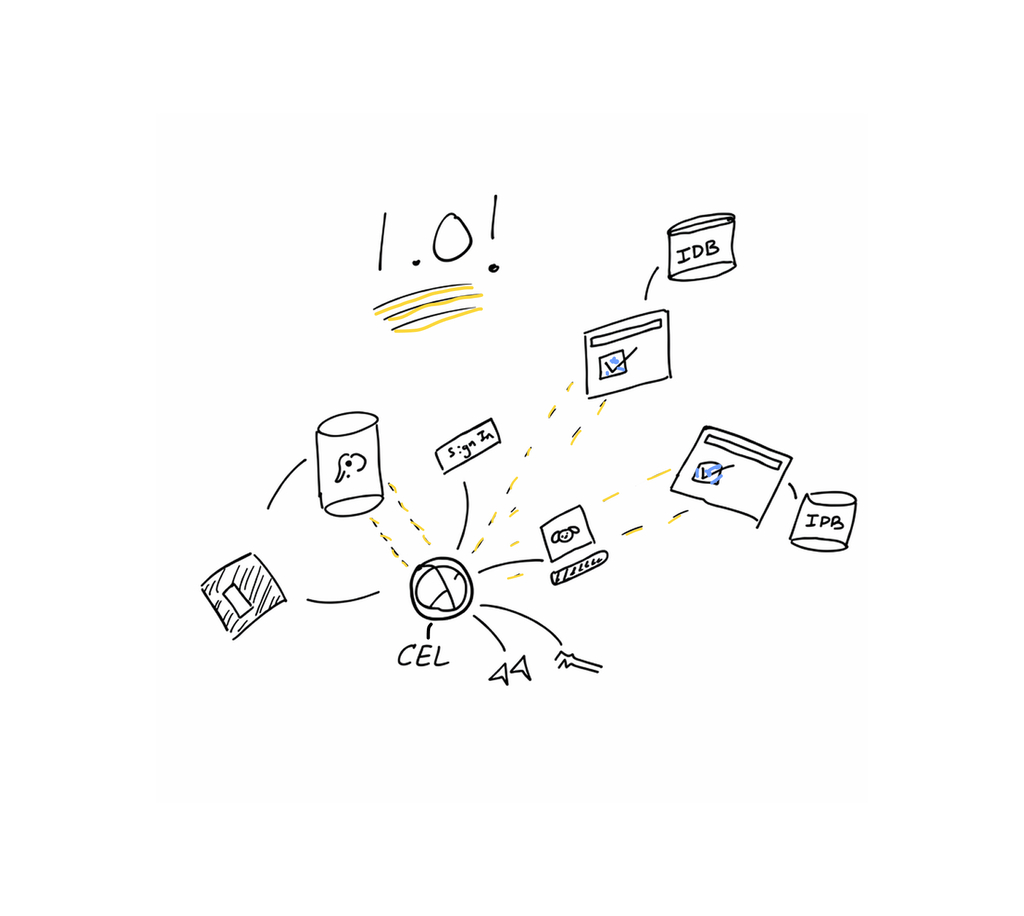
Instant 1.0 has been officially released as a fully open-source backend solution aimed at transforming AI coding agents into comprehensive full-stack app builders. Developed over four years by Joe, Stepan, Daniel, and Drew, the platform addresses common developer pain points by offering a multi-tenant architecture built on Postgres and a sync engine written in Clojure. Key features include the ability to host unlimited apps without the risk of them being frozen during idle periods, real-time synchronization, and offline functionality. By utilizing a row-based multi-tenant system rather than individual virtual machines, Instant 1.0 ensures that inactive apps incur zero compute or memory costs, providing a high-performance environment for modern application development.

Hacker News
Google and Intel Expand Strategic Partnership to Co-Develop Custom AI Infrastructure Chips Amid Global CPU Shortage
Industry News

Google and Intel Expand Strategic Partnership to Co-Develop Custom AI Infrastructure Chips Amid Global CPU Shortage

Tech giants Google and Intel have announced a significant deepening of their partnership focused on AI infrastructure. The collaboration centers on the co-development of custom chips designed to meet the evolving needs of the artificial intelligence sector. This move comes at a critical juncture for the industry, as a growing global shortage has driven the demand for CPUs to unprecedented levels. By combining their expertise, the two companies aim to address supply chain constraints and enhance the hardware capabilities required for modern computing. The partnership highlights a shift toward custom silicon solutions as major technology firms seek to secure their hardware pipelines and optimize performance for specialized AI workloads in a competitive and resource-constrained market.

TechCrunch AI
Sierra CEO Bret Taylor Declares End of Button-Clicking Era with New Ghostwriter Agent Platform
Product Launch

Sierra CEO Bret Taylor Declares End of Button-Clicking Era with New Ghostwriter Agent Platform

Sierra, the AI startup co-founded by Bret Taylor, is challenging the traditional paradigm of web interaction with the launch of Ghostwriter. This innovative "agent as a service" tool is designed to build other specialized agents, effectively replacing manual, click-based web applications with natural language processing. By allowing users to simply describe their needs, Ghostwriter autonomously creates and deploys agents to execute specific tasks. This shift marks a significant move toward a future where software interaction is driven by conversation rather than traditional user interface elements like buttons and menus, potentially transforming how businesses and individuals interact with digital services and automate complex workflows.

TechCrunch AI
Interrupt 2026 Preview: LangChain Announces Enterprise-Scale AI Agent Conference in San Francisco
Industry News

Interrupt 2026 Preview: LangChain Announces Enterprise-Scale AI Agent Conference in San Francisco

LangChain has officially announced the return of its premier event, Interrupt 2026, scheduled for May 13–14 at The Midway in San Francisco. This year's conference marks a significant expansion in scale and scope, focusing on the deployment of AI agents at an enterprise level. According to the announcement, the 2026 iteration features an upgraded lineup and format compared to previous years, reflecting the rapid evolution of the AI industry. The event aims to bring together professionals to explore the complexities and advancements of scaling agentic workflows within large-scale organizational frameworks. As the industry shifts toward production-ready AI, Interrupt 2026 serves as a critical gathering point for developers and enterprise leaders navigating the transition from experimental models to robust, scalable agent systems.

LangChain
New Future of Work: Microsoft Research Explores AI's Rapid Change and Uneven Benefits
Research Breakthrough

New Future of Work: Microsoft Research Explores AI's Rapid Change and Uneven Benefits

The Microsoft Research report titled 'New Future of Work: AI is driving rapid change, uneven benefits,' published on April 9, 2026, examines the transformative impact of artificial intelligence on the modern workplace. Authored by a multidisciplinary team including Jaime Teevan and Sonia Jaffe, the publication highlights how AI integration is accelerating shifts in professional environments. While the technology offers significant advancements in productivity and workflow, the report underscores a critical disparity in how these benefits are distributed across different sectors and demographics. This research serves as a foundational analysis of the evolving relationship between human labor and automated systems, emphasizing the need to address the uneven landscape of AI-driven progress.

Microsoft Research
Ideas: Steering AI Toward the Work Future We Want - Insights from Microsoft Research
Research Breakthrough

Ideas: Steering AI Toward the Work Future We Want - Insights from Microsoft Research

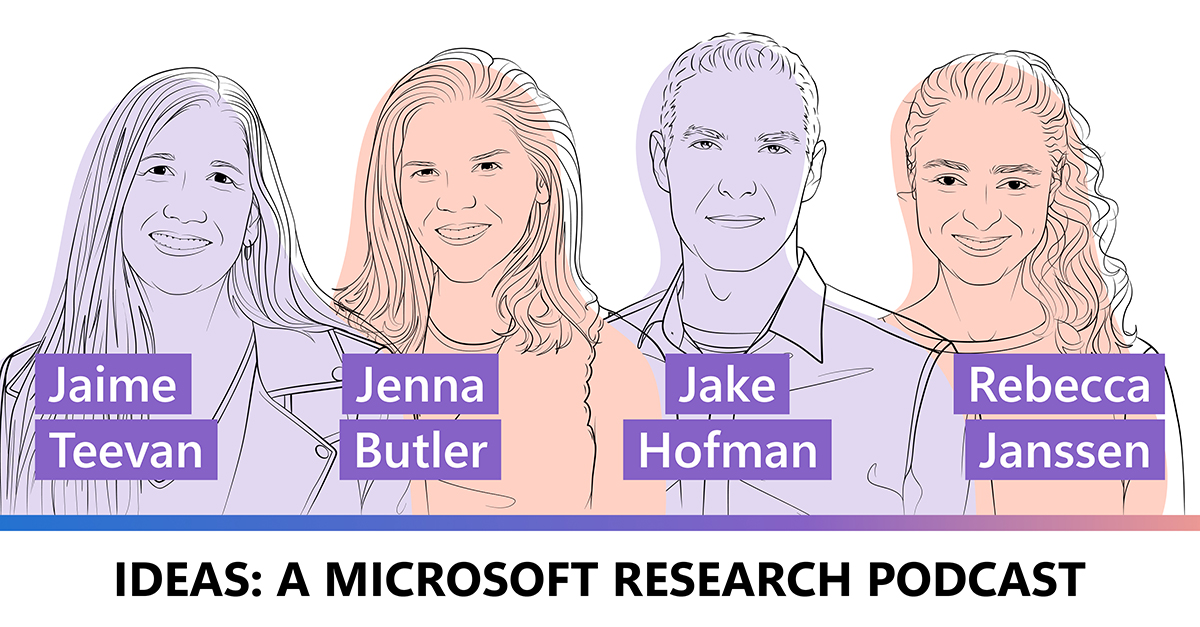
This article explores the collaborative efforts of Microsoft Research experts Jaime Teevan, Jenna Butler, Jake Hofman, and Rebecca Janssen as they discuss the future of work in the age of artificial intelligence. The discussion focuses on the proactive measures and research-driven strategies required to steer AI development toward a future that benefits the workforce. By examining the intersection of technology and human productivity, the researchers highlight the importance of intentional design in AI systems. The content emphasizes that the trajectory of AI in the workplace is not predetermined but can be shaped through rigorous study and thoughtful implementation to ensure a positive impact on how people work and collaborate.

Microsoft Research