Ideas: Steering AI Toward the Work Future We Want - Insights from Microsoft Research
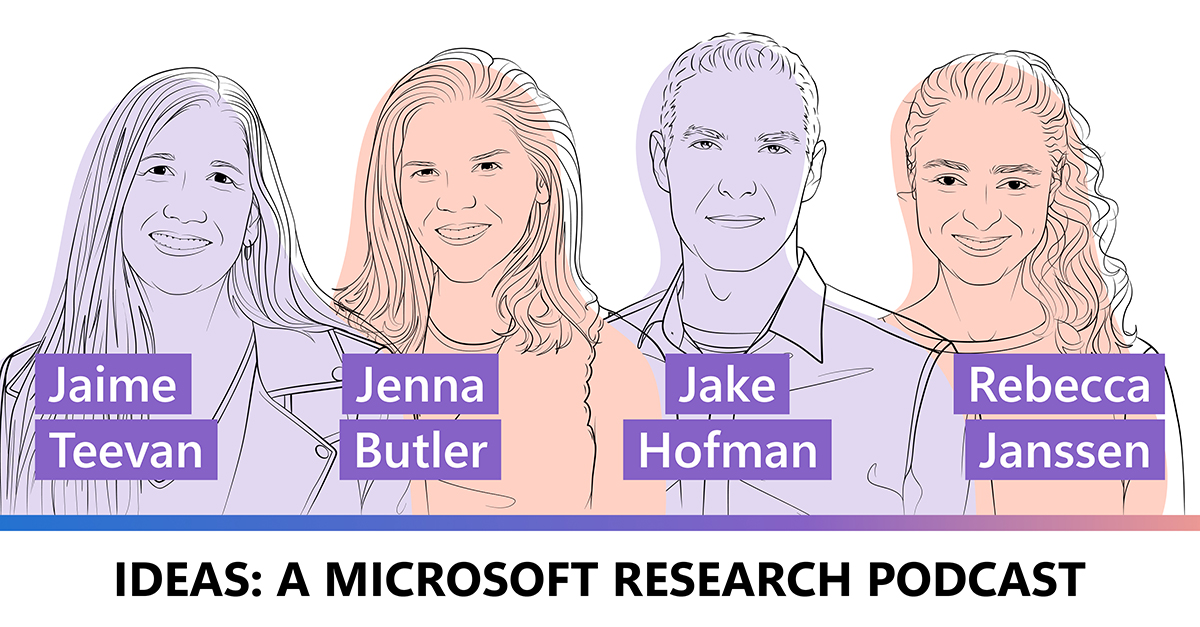
This article explores the collaborative efforts of Microsoft Research experts Jaime Teevan, Jenna Butler, Jake Hofman, and Rebecca Janssen as they discuss the future of work in the age of artificial intelligence. The discussion focuses on the proactive measures and research-driven strategies required to steer AI development toward a future that benefits the workforce. By examining the intersection of technology and human productivity, the researchers highlight the importance of intentional design in AI systems. The content emphasizes that the trajectory of AI in the workplace is not predetermined but can be shaped through rigorous study and thoughtful implementation to ensure a positive impact on how people work and collaborate.
Key Takeaways
- Intentional AI Development: The future of work with AI is a path that can be actively steered through research and deliberate design choices.
- Expert Collaboration: Insights are provided by a multidisciplinary team including Jaime Teevan, Jenna Butler, Jake Hofman, and Rebecca Janssen.
- Human-Centric Focus: The core objective is to align AI advancements with a future of work that is desirable and productive for humans.
- Research-Driven Insights: Microsoft Research is actively investigating how AI tools can be optimized to enhance rather than replace human capabilities.
In-Depth Analysis
Steering the Trajectory of AI in the Workplace
The discussion led by Jaime Teevan and her colleagues centers on the philosophy that the impact of AI on work is not an inevitable force of nature. Instead, it is a trajectory that can be managed. By focusing on "steering" AI, the researchers suggest that through proactive intervention and policy-making based on empirical data, organizations can avoid negative outcomes and instead foster an environment where AI acts as a catalyst for positive change. This involves understanding the nuances of how different AI models interact with various professional tasks.
Collaborative Research for Future Workflows
The inclusion of researchers like Jenna Butler, Jake Hofman, and Rebecca Janssen highlights a multifaceted approach to the problem. Their work involves looking at the data behind productivity and the psychological aspects of how workers adapt to new tools. The analysis suggests that for AI to be truly effective, it must be integrated into workflows in a way that respects human cognitive limits and enhances creative output. The research aims to identify the specific areas where AI provides the most value, ensuring that the "work future we want" is grounded in practical, research-backed methodologies.
Industry Impact
The implications of this research are significant for the broader AI and technology industries. As companies race to integrate generative AI into their product suites, the frameworks suggested by Microsoft Research provide a blueprint for responsible innovation. By prioritizing the "work future we want," the industry may shift from a focus on pure automation to a focus on augmentation. This shift could lead to higher job satisfaction, reduced burnout, and more sustainable economic growth as AI tools are tailored to support the human element of the workforce rather than competing with it.
Frequently Asked Questions
Question: Who are the key contributors to this research on the future of work?
The primary contributors mentioned are Jaime Teevan, Jenna Butler, Jake Hofman, and Rebecca Janssen from Microsoft Research.
Question: What is the main goal of steering AI in the context of work?
The goal is to intentionally guide the development and implementation of AI technologies to ensure they create a future of work that is beneficial, productive, and aligned with human needs.
Question: Is the future of AI in the workplace already determined?
No, the research suggests that the future is not predetermined and can be actively shaped through deliberate research, design, and steering efforts.