AI News on September 1, 2026

Huawei Reports 36% Profit Decline in First Half as R&D Investment in AI and Smart Devices Surges
Industry News

Huawei Reports 36% Profit Decline in First Half as R&D Investment in AI and Smart Devices Surges

Huawei's financial results for the first half of the year reveal a significant 36% drop in profit, primarily driven by escalating costs and a substantial increase in research and development (R&D) expenditure. The company's R&D spending has reached 25.9% of its total revenue, reflecting a strategic pivot toward advanced technologies. This intensive investment is specifically targeted at the artificial intelligence (AI) sector and the development of smart devices. While the profit margin has narrowed due to these rising operational costs, the financial data underscores Huawei's commitment to long-term technological leadership through heavy capital allocation in emerging high-tech markets. The report highlights a clear trade-off between immediate profitability and the aggressive pursuit of innovation in the AI and hardware ecosystems.

Tech in Asia
Pentagon Expands AI Capabilities by Integrating Custom Versions of OpenAI's ChatGPT and SpaceXAI's Grok
Industry News

Pentagon Expands AI Capabilities by Integrating Custom Versions of OpenAI's ChatGPT and SpaceXAI's Grok

The U.S. Department of Defense has significantly broadened its artificial intelligence toolkit by integrating specialized versions of OpenAI's ChatGPT and SpaceXAI's Grok into its central AI portal. These high-profile generative AI models join Google's Gemini, which was already accessible through the Pentagon's centralized platform. This strategic move highlights the military's increasing reliance on private-sector innovation to enhance its technological infrastructure. By hosting these diverse models on a single portal, the Pentagon aims to provide its personnel with a variety of advanced natural language processing tools, facilitating a multi-model approach to defense-related AI applications. The integration marks a notable collaboration between the Department of Defense and leading AI developers, signaling a new phase in the deployment of commercial AI technologies within government frameworks.

TechCrunch AI
Instagram Implements New Reach Restrictions on Undisclosed AI Influencer Profiles to Address User Frustration
Industry News

Instagram Implements New Reach Restrictions on Undisclosed AI Influencer Profiles to Address User Frustration

In a significant move to bolster platform transparency, Instagram has begun limiting the reach of AI-generated profiles that fail to disclose their synthetic nature. This policy shift is a direct response to the mounting frustration among users regarding the presence of undisclosed AI influencers. By restricting the visibility of these accounts, Instagram aims to ensure that the distinction between human creators and artificial entities remains clear. The decision highlights a growing trend in social media management where algorithmic visibility is used as a tool to enforce disclosure standards. As AI technology becomes more integrated into content creation, Instagram's latest measures represent a proactive step in managing the impact of synthetic media on user engagement and trust.

TechCrunch AI
Harvard Law Dropout Secures $6 Million to Develop Blue Voice, a Specialized AI Assistant for Law Enforcement Officers
Industry News

Harvard Law Dropout Secures $6 Million to Develop Blue Voice, a Specialized AI Assistant for Law Enforcement Officers

Blue Voice, a startup founded by a former Harvard Law student, has successfully raised $6 million in funding to create a specialized AI platform tailored specifically for police officers. Positioned as a 'Harvey for police,' the tool distinguishes itself from general-purpose AI models by utilizing department-specific laws, local ordinances, and internal protocols that are typically inaccessible via the public internet. This targeted approach aims to provide law enforcement with precise, localized legal and procedural guidance that general AI tools cannot offer. The funding marks a significant step in bringing high-level legal AI technology to the public safety sector, focusing on the nuances of local jurisdiction and specific departmental guidelines to ensure accuracy and compliance in the field.

TechCrunch AI
Google Research Unveils TimesFM-3: A Revolutionary Zero-Shot Foundation Model for Multivariate Forecasting and Data Management
Research Breakthrough

Google Research Unveils TimesFM-3: A Revolutionary Zero-Shot Foundation Model for Multivariate Forecasting and Data Management

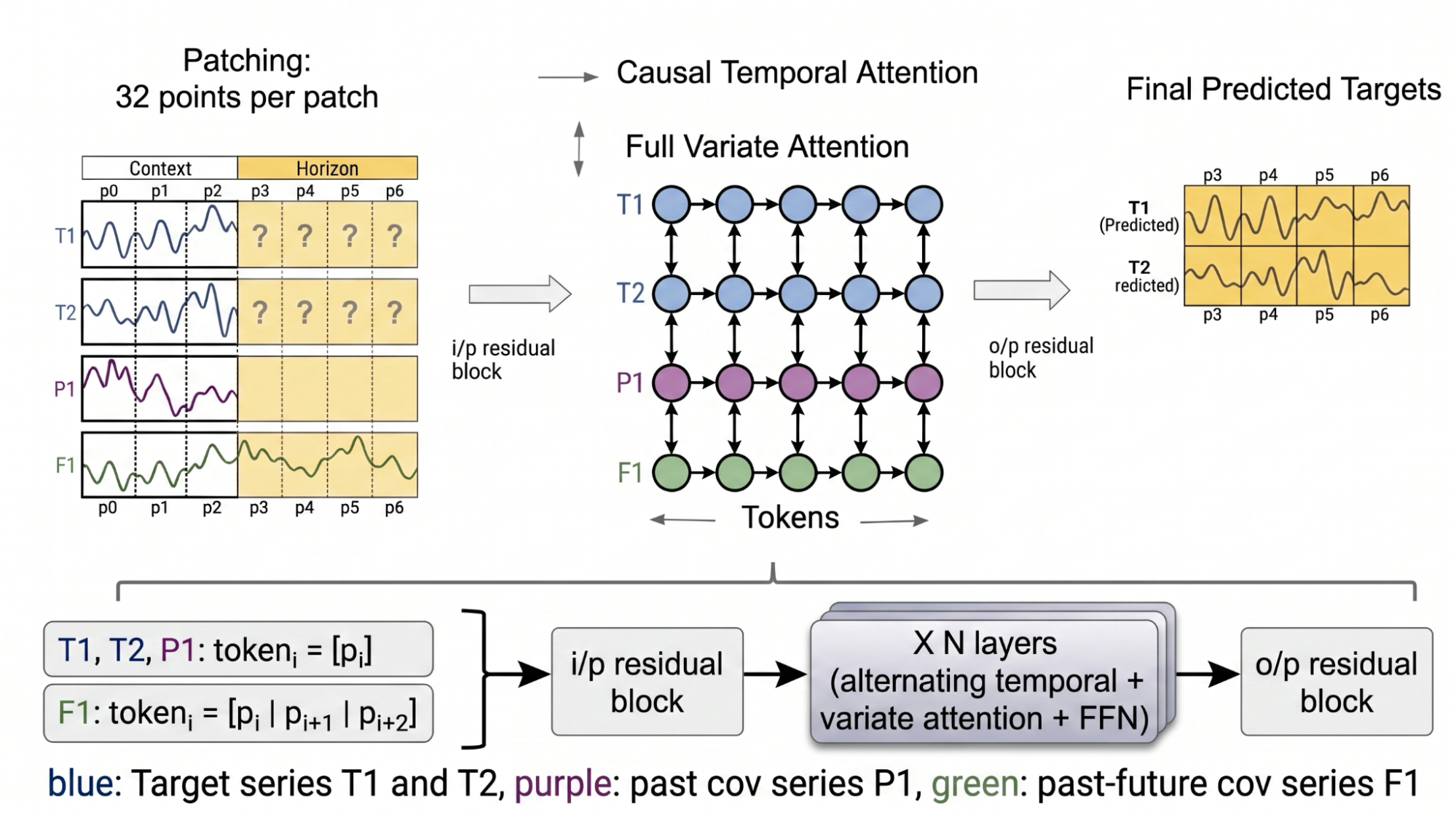
Google Research has announced the release of TimesFM-3, a cutting-edge foundation model specifically engineered for multivariate time-series forecasting. Unlike traditional models that require extensive retraining for specific datasets, TimesFM-3 utilizes a zero-shot approach, allowing it to perform accurate predictions on unseen data immediately. This development marks a significant milestone in the field of predictive analytics, focusing on the complexities of multivariate data where multiple interdependent variables must be analyzed simultaneously. The core of this breakthrough lies in advanced data management techniques that enable the model to handle diverse and large-scale datasets efficiently. By providing a robust framework for zero-shot learning, TimesFM-3 aims to streamline forecasting workflows across various industries, reducing the need for specialized model development while maintaining high levels of accuracy and reliability in complex data environments.

Google Research Blog
JD Power Survey Reveals Car Owners Prefer Subtle Technology Over Intrusive Screens and Glitchy Software
Industry News

JD Power Survey Reveals Car Owners Prefer Subtle Technology Over Intrusive Screens and Glitchy Software

A comprehensive survey conducted by JD Power, involving 68,084 car owners, highlights a significant disconnect between automotive manufacturers and their customers. While automakers continue to integrate increasingly complex technology, including expansive screens and sophisticated software, consumers are expressing growing frustration with these features. The study suggests that drivers are becoming "fed up" with glitchy software and the physical dominance of large displays. Instead, the highest levels of owner appreciation are reserved for "invisible" technologies—features that function seamlessly in the background without requiring active attention. This shift in consumer sentiment indicates a demand for reliability and subtlety over high-tech flashiness, challenging the current industry trajectory of software-heavy vehicle design.

The Verge
I Turned My Security Cameras Into an Automatic Bird Identification System
Industry News

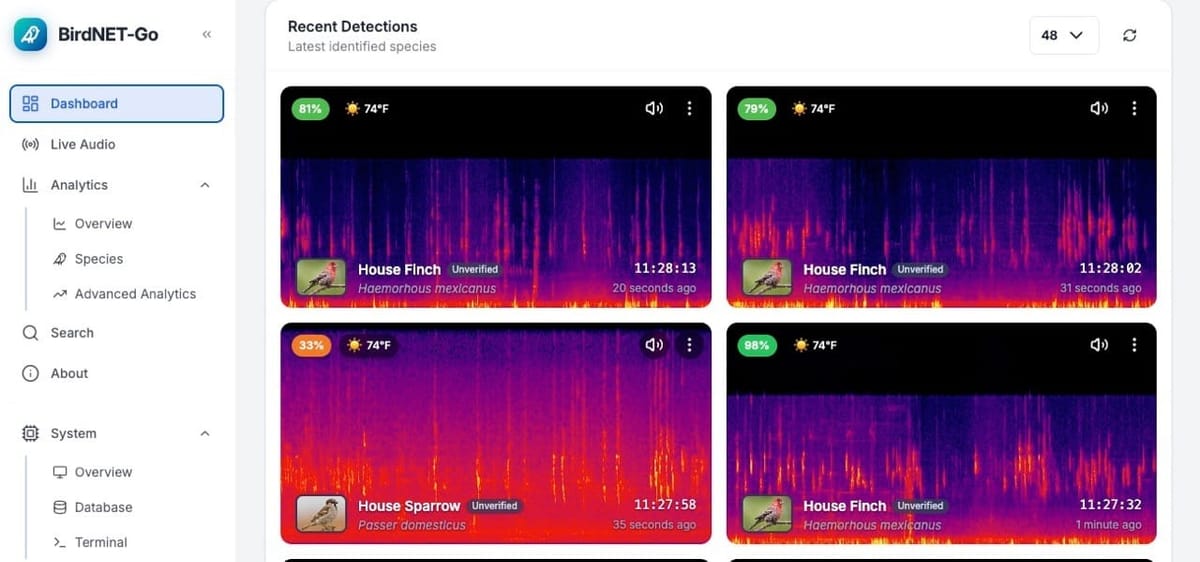
I Turned My Security Cameras Into an Automatic Bird Identification System

In a significant move toward data sovereignty and self-hosting, tech enthusiast Jason Tucker successfully migrated a massive library of 51,000 photos and videos from Apple's iCloud to a private Immich server. This transition was facilitated by a specialized tool known as ImmiBridge, which managed the high-volume transfer over the course of a single weekend. The project highlights the growing capability of homelab environments to handle enterprise-scale personal datasets, offering a viable alternative to proprietary cloud storage. By moving away from the iCloud ecosystem, the migration demonstrates how open-source tools like Immich are empowering users to reclaim control over their digital memories while maintaining the performance and accessibility typically associated with major tech providers.

Hacker News
Microsoft Research Unveils GigaPath-Flash and GigaTIME-Flash: Efficient Foundation Models for Population-Scale Pathology
Research Breakthrough

Microsoft Research Unveils GigaPath-Flash and GigaTIME-Flash: Efficient Foundation Models for Population-Scale Pathology

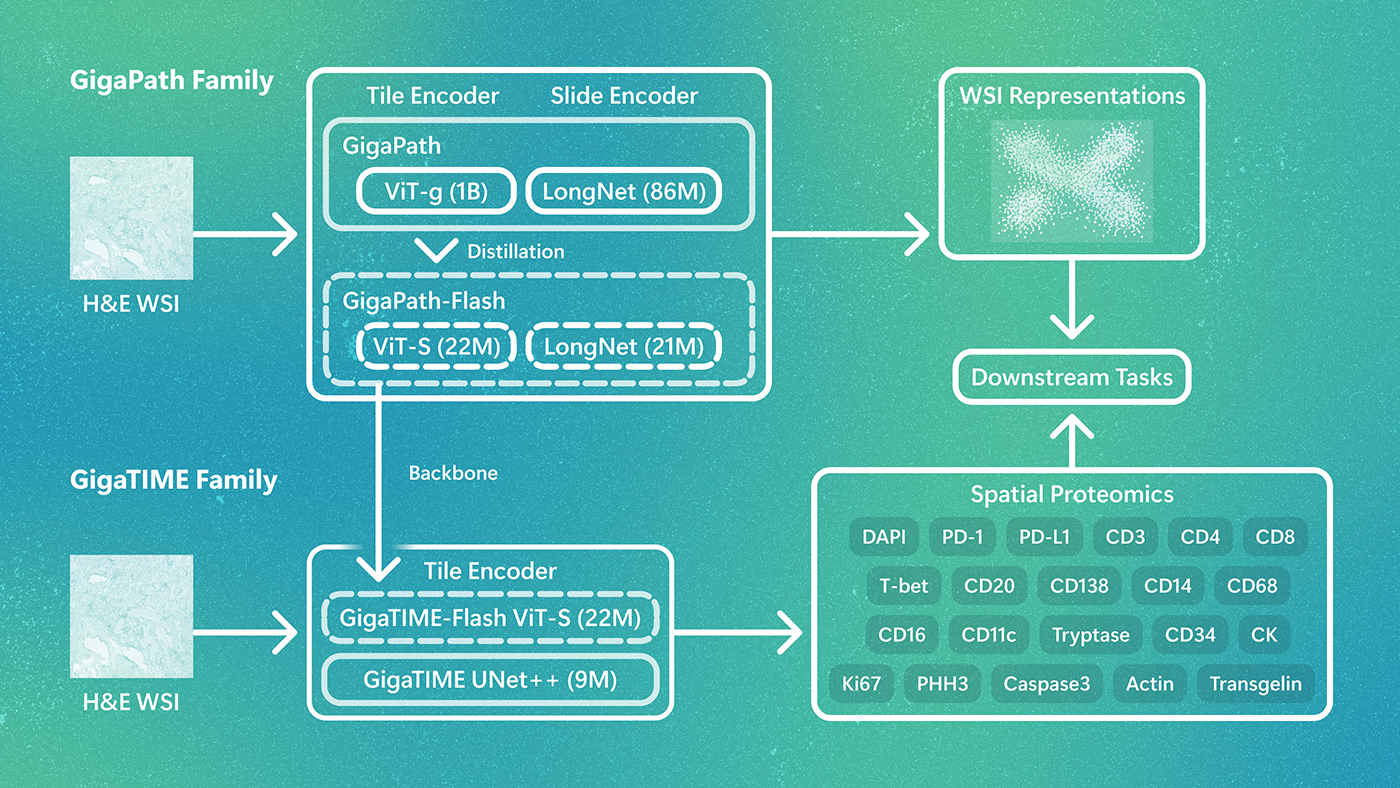
Microsoft Research has announced the release of GigaPath-Flash and GigaTIME-Flash, two groundbreaking pathology foundation models designed to bring high-performance AI to population-scale medical discovery. By utilizing advanced distillation techniques and efficient architectures like LongNet, GigaPath-Flash achieves 97% of the performance of its billion-parameter predecessor while requiring 50x less computational power. Simultaneously, GigaTIME-Flash revolutionizes tumor microenvironment analysis by predicting spatial proteomics from routine H&E slides 6x faster than previous methods. These models, released under an open-source Apache-2.0 license, aim to democratize advanced computational pathology, enabling researchers to analyze massive real-world datasets and accelerate the development of precision medicine and cancer diagnostics without the prohibitive costs of traditional large-scale AI infrastructure.

Microsoft Research
AI Video Search Startup Clipto Reaches $250 Million Valuation Following $15 Million Funding Round and Profitability Milestone
Industry News

AI Video Search Startup Clipto Reaches $250 Million Valuation Following $15 Million Funding Round and Profitability Milestone

Clipto, a three-year-old AI startup specializing in searching vast amounts of video data, has achieved a valuation of $250 million. The company recently secured $15 million in a new funding round, a move that follows its impressive financial performance. Notably, Clipto reached an Annual Recurring Revenue (ARR) of $15 million and attained profitability prior to this latest investment. By leveraging artificial intelligence to navigate terabytes of video content, Clipto has positioned itself as a significant player in the media search space. This growth highlights the increasing demand for efficient video data management tools in an era of exploding digital content and demonstrates a rare level of fiscal discipline for a high-growth AI firm.

TechCrunch AI
Debian Project Officially Permits Generative AI Tools for Linux Distribution Development, Maintenance, and Documentation Tasks
Industry News

Debian Project Officially Permits Generative AI Tools for Linux Distribution Development, Maintenance, and Documentation Tasks

The Debian Project has formally adopted a policy allowing developers to utilize generative AI tools in the creation and upkeep of its Linux distribution. Following a project-wide vote, the new guidelines permit AI usage across three core areas: development, maintenance, and documentation. The policy is rooted in the belief that the "responsible" application of AI can serve as a catalyst for developer productivity. Notably, Debian has opted not to create a separate regulatory framework for AI-generated content. Instead, the project maintains that AI contributions are neither exempt from nor subject to unique rules, requiring them to meet the same established standards and quality benchmarks as human-authored code and documentation. This decision marks a significant integration of AI into one of the world's most prominent open-source ecosystems.

The Verge
Nvidia Invests $3.5 Billion in MediaTek to Secure AI Infrastructure Dominance Against Big Tech Chip Initiatives
Industry News

Nvidia Invests $3.5 Billion in MediaTek to Secure AI Infrastructure Dominance Against Big Tech Chip Initiatives

Nvidia has announced a strategic $3.5 billion investment in Taiwanese chipmaker MediaTek, a move aimed at maintaining its dominance in the AI infrastructure market. As major technology corporations increasingly pivot toward developing their own proprietary AI silicon to reduce external dependencies, Nvidia is proactively strengthening its partnerships. This multi-billion dollar deal underscores Nvidia's strategy to remain an essential component of the global AI hardware ecosystem. By aligning with MediaTek, Nvidia seeks to ensure its technology remains foundational to the industry's growth, even as the competitive landscape shifts toward custom in-house solutions by Big Tech firms.

TechCrunch AI
NVIDIA and MediaTek Deepen Strategic Partnership to Build Next-Generation AI Edge-to-Cloud Computing Platforms
Industry News

NVIDIA and MediaTek Deepen Strategic Partnership to Build Next-Generation AI Edge-to-Cloud Computing Platforms

NVIDIA and MediaTek have officially announced a significant expansion of their long-standing collaboration, aiming to develop next-generation AI computing platforms. This strategic deepening of their relationship covers a comprehensive spectrum of technology, ranging from cloud-based AI infrastructure to local edge computing and the automotive sector. By aligning their expertise, the two companies intend to create a seamless AI computing environment that spans from the data center to the end-user device. The partnership focuses on three critical areas: AI infrastructure, local AI computing, and automotive applications, signaling a unified effort to advance the capabilities of artificial intelligence across diverse hardware ecosystems and industry verticals.

NVIDIA Newsroom
The Rise of the Teenage Developer: How a 16-Year-Old Builder Captured the Attention of Fintech Giant Stripe
Industry News

The Rise of the Teenage Developer: How a 16-Year-Old Builder Captured the Attention of Fintech Giant Stripe

A recent report from Tech in Asia has spotlighted a 16-year-old builder who has successfully garnered the attention of Stripe, a global leader in financial infrastructure. This development serves as a significant marker in the evolving technology landscape, where the barriers to high-level software development and entrepreneurship are rapidly diminishing. While specific details regarding the builder's project remain focused on the recognition itself, the event underscores a broader industry trend: the emergence of a new generation of developers who are bypassing traditional career paths to build impactful tools. Stripe’s engagement with such young talent highlights the company's commitment to its developer-first ethos and its proactive approach to identifying the next wave of innovation within the global tech ecosystem.

Tech in Asia
Why Token Pricing is a Misleading Metric for AI Value: Insights from Factory’s Eno Reyes
Industry News

Why Token Pricing is a Misleading Metric for AI Value: Insights from Factory’s Eno Reyes

In a recent discussion, Eno Reyes from Factory challenged the prevailing industry standard of using token prices to evaluate artificial intelligence performance. Reyes argues that judging AI based solely on the cost per token is a misleading approach that fails to capture the actual economic utility of the technology. Instead, he advocates for a shift in perspective toward measuring the 'true cost of finished work.' This shift emphasizes the importance of the final output and the total resources required to achieve a completed task, rather than the raw data units processed. By focusing on the end result, businesses and developers can gain a more accurate understanding of AI efficiency and value, moving beyond superficial pricing models that do not reflect the complexity or quality of the work performed.

Tech in Asia
How Influencees Uses AI to Help Brands Evaluate Content Creators Based on Performance Signals
Industry News

How Influencees Uses AI to Help Brands Evaluate Content Creators Based on Performance Signals

Influencees is a new AI-powered platform designed to transform how brands assess and select content creators for marketing collaborations. Moving beyond traditional metrics like follower counts, which can often be misleading, the platform provides an intelligence layer that focuses on actual performance signals. By leveraging artificial intelligence, Influencees enables brands to make more data-driven decisions when partnering with influencers. This shift toward performance-based evaluation aims to improve the effectiveness of influencer marketing strategies by ensuring that brands collaborate with creators who deliver tangible results rather than just high visibility. The platform represents a growing trend in the industry to prioritize substantive engagement data over vanity metrics.

Tech in Asia
Industry News

Polimill Leverages OpenAI GPT and Codex to Revolutionize Japan's Public AI Infrastructure

Polimill has announced a strategic initiative to build Japan's next-generation public AI infrastructure by integrating OpenAI's GPT models and Codex. This project is specifically designed to assist municipalities in navigating and utilizing vast repositories of administrative knowledge. By deploying GPT models for sophisticated search capabilities and Codex to streamline the software development lifecycle, Polimill aims to significantly accelerate the digital transformation of local government services. The initiative represents a major step forward in applying generative AI to public sector challenges, focusing on increasing operational efficiency and the accessibility of critical administrative data for Japanese government entities.

OpenAI Blog
OpenMAIC: An Open Multi-Agent Interaction Classroom for Immersive Learning Experiences Developed by THU-MAIC
Open Source

OpenMAIC: An Open Multi-Agent Interaction Classroom for Immersive Learning Experiences Developed by THU-MAIC

OpenMAIC, a project developed by THU-MAIC, has emerged as a trending repository on GitHub, offering an "Open Multi-Agent Interaction Classroom." The project is designed to provide users with a streamlined, "one-click" method to access immersive multi-agent learning experiences. By focusing on the interaction between multiple agents within a structured environment, OpenMAIC aims to simplify the complexities associated with multi-agent systems (MAS). As an open-source initiative, it emphasizes accessibility and engagement, allowing researchers and developers to explore collaborative agent behaviors more effectively. The project's appearance on GitHub Trending highlights the growing interest in interactive and immersive platforms for AI development, specifically within the niche of multi-agent coordination and learning environments.

GitHub Trending
Crawl4AI: The Emerging Open-Source Web Crawler Designed Specifically for Large Language Model Integration
Open Source

Crawl4AI: The Emerging Open-Source Web Crawler Designed Specifically for Large Language Model Integration

Crawl4AI has emerged as a significant open-source tool in the AI development landscape, specifically designed to function as an LLM-friendly web crawler and scraper. Developed by the user unclecode and gaining traction on GitHub Trending, the project addresses the growing need for specialized data acquisition tools that can seamlessly feed web content into Large Language Models. By focusing on compatibility with AI workflows, Crawl4AI distinguishes itself from traditional scraping tools that often require extensive post-processing. The project's rise in popularity is further supported by an active community presence on Discord, where developers collaborate on optimizing web data extraction. This tool represents a pivotal step in streamlining the pipeline between raw internet data and the sophisticated requirements of modern AI applications and research.

GitHub Trending
Heretic: The Emergence of Fully Automatic Censorship Removal for Large Language Models
Open Source

Heretic: The Emergence of Fully Automatic Censorship Removal for Large Language Models

The GitHub repository "heretic," developed by the user p-e-w, has surfaced as a significant project on GitHub Trending, focusing on the fully automatic removal of censorship from language models. The project addresses a growing demand within the developer community for tools that can bypass or eliminate the built-in safety filters and alignment constraints typically found in modern Large Language Models (LLMs). By offering an automated approach to censorship removal, "heretic" positions itself at the center of the ongoing debate regarding model neutrality and the control of AI outputs. This development highlights a technical shift toward user-driven model modification, where the goal is to restore unrestricted functionality to AI systems. As the project gains traction, it underscores the technical challenges and community interest surrounding the modification of pre-trained models to remove developer-imposed restrictions.

GitHub Trending
Archify: A New AI Agent Skill for Creating Verifiable and Animated Architecture Diagrams
Open Source

Archify: A New AI Agent Skill for Creating Verifiable and Animated Architecture Diagrams

Archify, a newly trending project on GitHub by developer tt-a1i, introduces a specialized AI agent skill designed to revolutionize technical visualization. The tool enables the creation of aesthetic and verifiable diagrams, including architecture, workflow, sequence, data flow, and lifecycle diagrams. Unlike traditional static imagery, Archify focuses on generating self-contained HTML files that support animations and clear exports. This development marks a significant step in AI-assisted documentation, providing a bridge between automated reasoning and professional-grade visual communication. By prioritizing verifiability and portability, Archify addresses the growing need for precise, interactive technical assets within the AI ecosystem.

GitHub Trending
K-Dense-AI Launches Scientific-Agent-Skills: A Comprehensive Library to Transform AI Agents into Specialized Scientific Researchers
Open Source

K-Dense-AI Launches Scientific-Agent-Skills: A Comprehensive Library to Transform AI Agents into Specialized Scientific Researchers

K-Dense-AI has released "scientific-agent-skills," a groundbreaking repository designed to transition standard AI agents into highly capable AI scientists. Currently ranked as the top scientific agent skill library globally, the project has already gained traction with over 190,000 scientists. The library provides 165 pre-verified, out-of-the-box skills and access to more than 100 specialized databases covering critical fields such as biology, chemistry, medicine, and drug discovery. Designed for seamless integration, the toolkit is compatible with leading AI development environments and models, including Cursor, Claude Code, Codex, and Pi. This release marks a significant step in providing researchers with automated, data-driven tools to accelerate scientific discovery and laboratory workflows.

GitHub Trending
Last30days-Skill: A Specialized AI Agent Tool for Comprehensive Multi-Platform Research and Automated Information Synthesis
Open Source

Last30days-Skill: A Specialized AI Agent Tool for Comprehensive Multi-Platform Research and Automated Information Synthesis

The 'last30days-skill' is a newly trending AI agent capability developed by GitHub user mvanhorn, designed to revolutionize how information is gathered across the digital landscape. This tool empowers AI agents to conduct deep research on any given topic by scanning a diverse array of platforms, including Reddit, X (formerly Twitter), YouTube, Hacker News (HN), and Polymarket, in addition to the general web. The core functionality of the skill lies in its ability to not only aggregate data from these disparate sources but also to synthesize the findings into a cohesive, well-documented summary. By bridging the gap between real-time social sentiment, video content, and prediction market data, last30days-skill offers a streamlined approach for users to stay informed on complex topics through automated, multi-channel research.

GitHub Trending
Industry News

OpenAI Reaches $1 Billion Annualized Revenue Run Rate with ChatGPT Ads to Expand Global AI Access

OpenAI has announced a major financial and strategic milestone: its ChatGPT Ads platform has reached a $1 billion annualized revenue run rate. This achievement is coupled with a global expansion of the advertising service, which is designed to support the company's mission of broadening access to artificial intelligence. By leveraging this significant revenue stream, OpenAI aims to maintain and enhance its offerings of free and affordable AI options for a worldwide audience. This move highlights a successful transition toward a sustainable commercial model that prioritizes accessibility, ensuring that advanced AI technology remains available to users regardless of their financial capacity, while establishing a robust economic foundation for future development.

OpenAI Blog