AI News on June 6, 2026

Meituan Open Sources LongCat-Video-Avatar 1.5: Bridging the Gap Between Research and Commercial Digital Humans
Open Source

Meituan Open Sources LongCat-Video-Avatar 1.5: Bridging the Gap Between Research and Commercial Digital Humans

The Meituan technical team has officially announced the open-source release of LongCat-Video-Avatar 1.5, a significant upgrade designed to transition digital human technology from experimental research to commercial-grade application. This latest iteration focuses on five critical pillars: lip-sync precision, physical plausibility, long-form video stability, multi-person interaction, and inference efficiency. By addressing the common pitfalls of high-fidelity models—such as instability in complex environments—LongCat-Video-Avatar 1.5 enables the generation of natural, high-quality digital human content tailored for diverse commercial stages. This release represents a shift from "perfect rehearsals" in controlled settings to robust, real-world performance, offering a scalable solution for the burgeoning digital human industry.
美团技术团队
Meituan LongCat Unveils General 365: A Rigorous New Standard for AI Reasoning Evaluation
Industry News

Meituan LongCat Unveils General 365: A Rigorous New Standard for AI Reasoning Evaluation

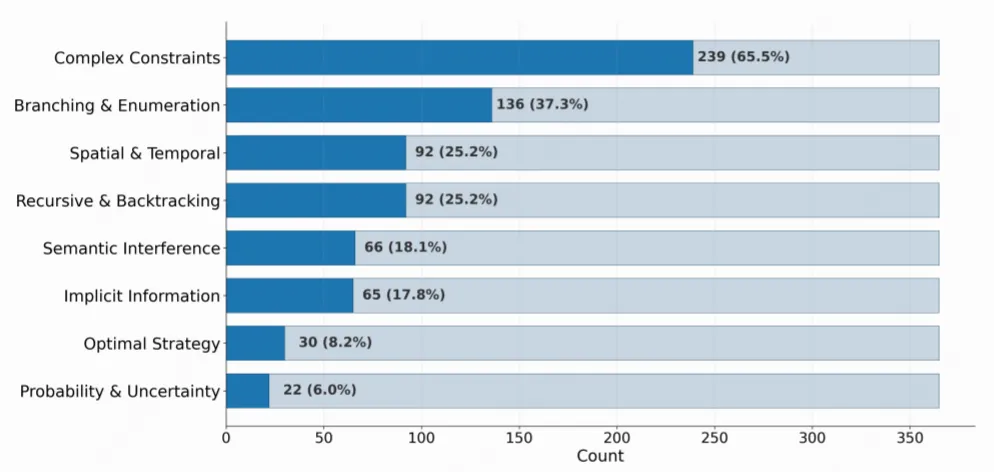
Meituan's LongCat team has officially released General 365, a new benchmark designed to evaluate the reasoning capabilities of artificial intelligence models. The initial testing phase involved 26 mainstream models, revealing a significant performance gap in the industry. According to the results, the top-performing model, Gemini 3 Pro, achieved an accuracy rate of only 62.8%. More strikingly, the vast majority of the models tested failed to reach the 60% accuracy threshold, which is considered a basic passing mark. This release by Meituan aims to provide a more challenging and accurate metric for assessing how well modern AI can handle complex reasoning tasks, highlighting that even the most advanced systems currently struggle with the demands of the General 365 evaluation.

美团技术团队
Managing AI Coding with Agent Evaluation Logic: Insights from a 310,000-Line Code Refactoring Practice
Industry News

Managing AI Coding with Agent Evaluation Logic: Insights from a 310,000-Line Code Refactoring Practice

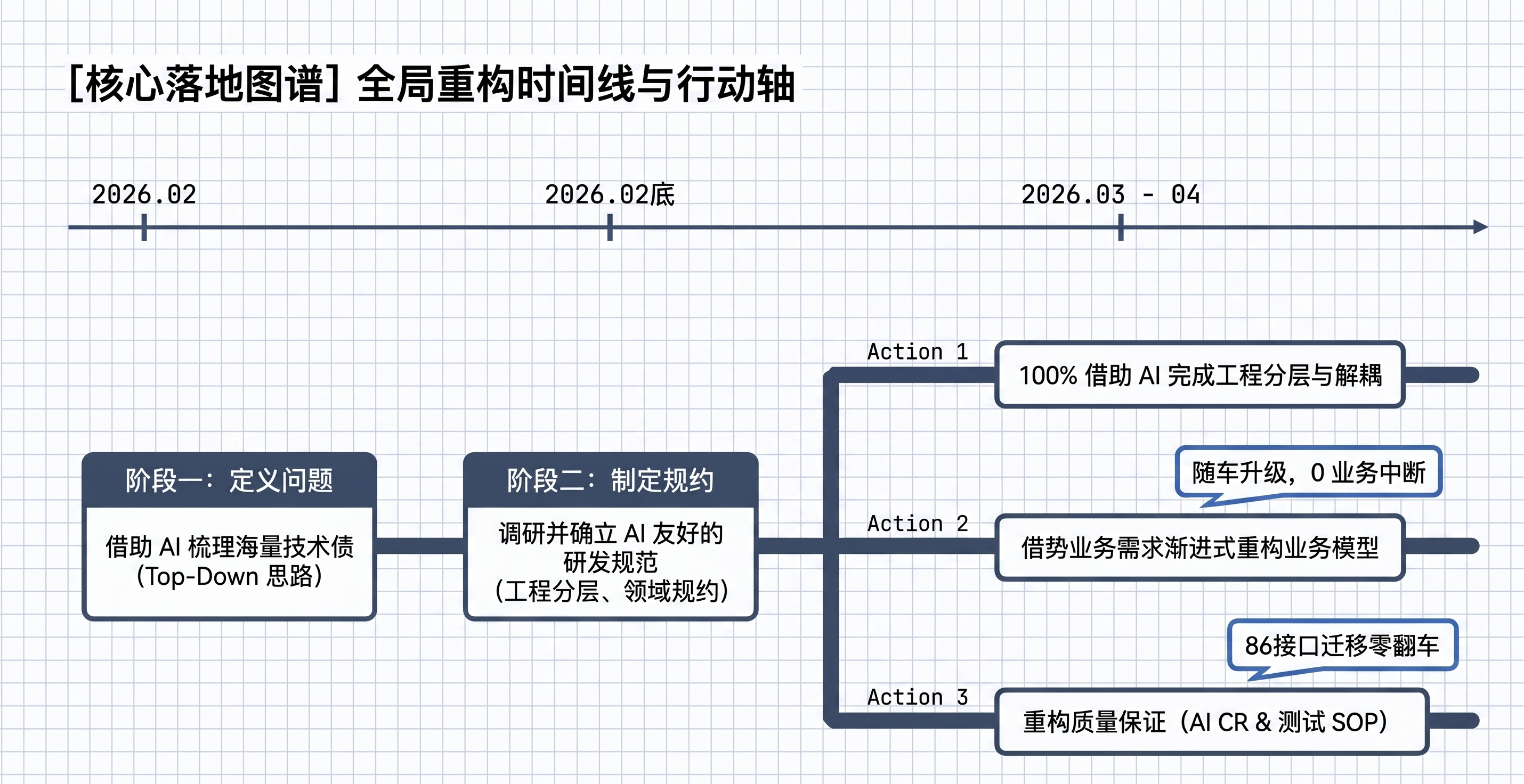
As AI-generated code begins to comprise over 90% of modern systems, the technical challenge shifts from speed to governance. Meituan's technical team has shared a comprehensive framework for managing AI coding based on their experience refactoring 310,000 lines of code. The core of their approach involves using an 'Agent evaluation' mindset to prevent AI from amplifying system chaos. By implementing technical debt sorting, rule construction, standardized operating procedures (SOPs), and a Pre-PR mechanism, the team successfully transitioned large-scale refactoring from a high-cost, specialized project into a sustainable, daily iterative process. This shift emphasizes that the ultimate trajectory of a system is determined by the constraints placed on AI rather than the speed of code generation.

美团技术团队
LARYBench Released: Defining the ImageNet for Embodied Action Representation and Measuring Generalization from Human Videos
Research Breakthrough

LARYBench Released: Defining the ImageNet for Embodied Action Representation and Measuring Generalization from Human Videos

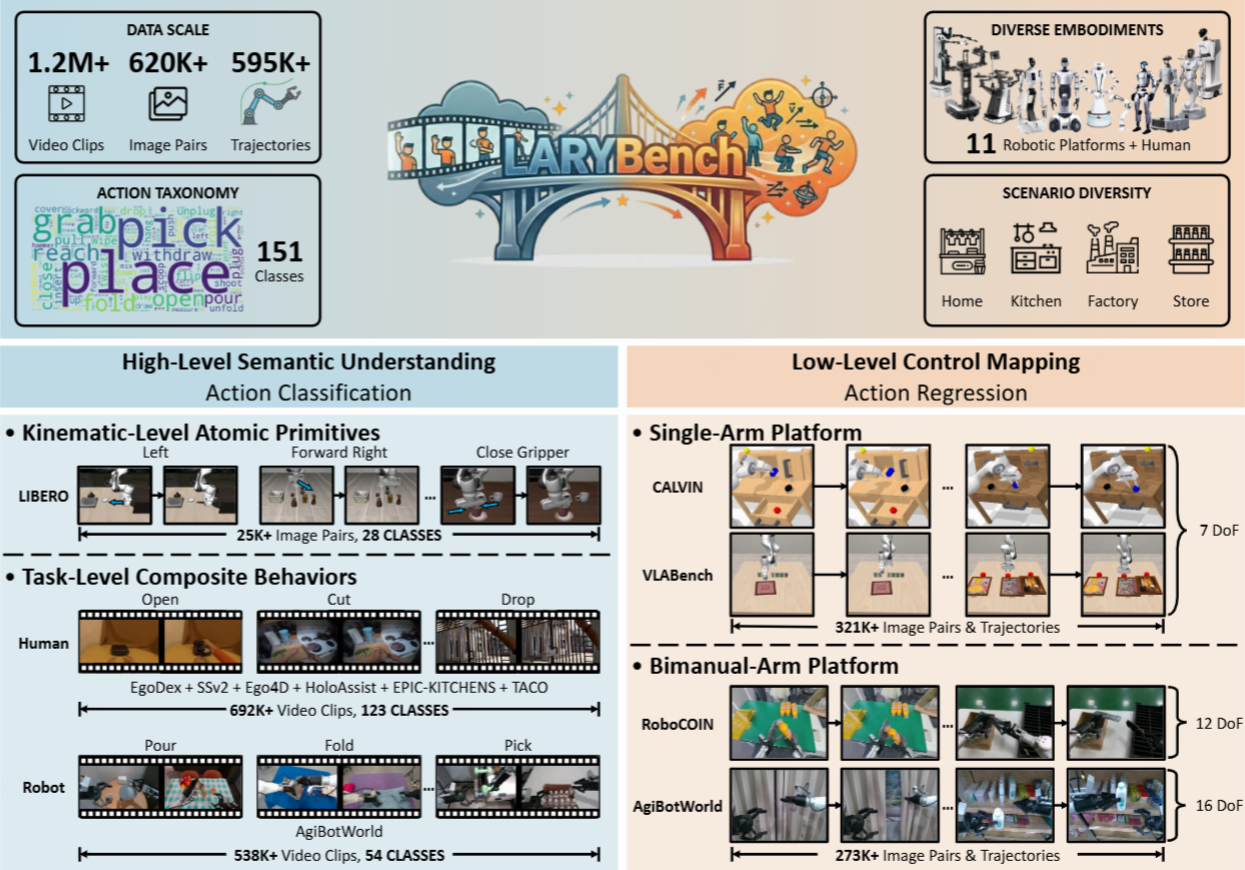
The Meituan Technical Team has officially released LARYBench (Latent Action Representation Yielding Benchmark), a systematic evaluation framework designed to guide the learning of general latent action representations from large-scale visual data. This benchmark marks a significant milestone in embodied AI, often referred to as the 'ImageNet' for action representation. Experimental findings within the benchmark reveal that general vision models significantly outperform specialized embodied AI action expert models in both action generalization and control precision. Crucially, the research demonstrates that embodied action representations can emerge directly from large-scale human video data, providing a new methodology for measuring how AI systems translate visual observation into physical action capabilities.

美团技术团队
LongCat Powers OpenClaw with Efficiency Engine: Boosting Automation Performance by 30% via Official API
Industry News

LongCat Powers OpenClaw with Efficiency Engine: Boosting Automation Performance by 30% via Official API

The LongCat team has officially introduced a stable and compliant free API for OpenClaw, aimed at significantly enhancing the efficiency of automated tasks. By providing a direct official channel, LongCat addresses the inherent risks associated with third-party subscriptions, such as account security vulnerabilities and service instability. This new efficiency engine allows developers to optimize their automation workflows, potentially increasing speed by 30%. The initiative by the Meituan Technical Team emphasizes the importance of using official, secure pathways to maintain the integrity of developer tools and ensure consistent service performance in complex automation environments.

美团技术团队
Meituan LongCat-AudioDiT: Redefining Zero-Shot TTS Voice Cloning via Waveform Latent Diffusion
Research Breakthrough

Meituan LongCat-AudioDiT: Redefining Zero-Shot TTS Voice Cloning via Waveform Latent Diffusion

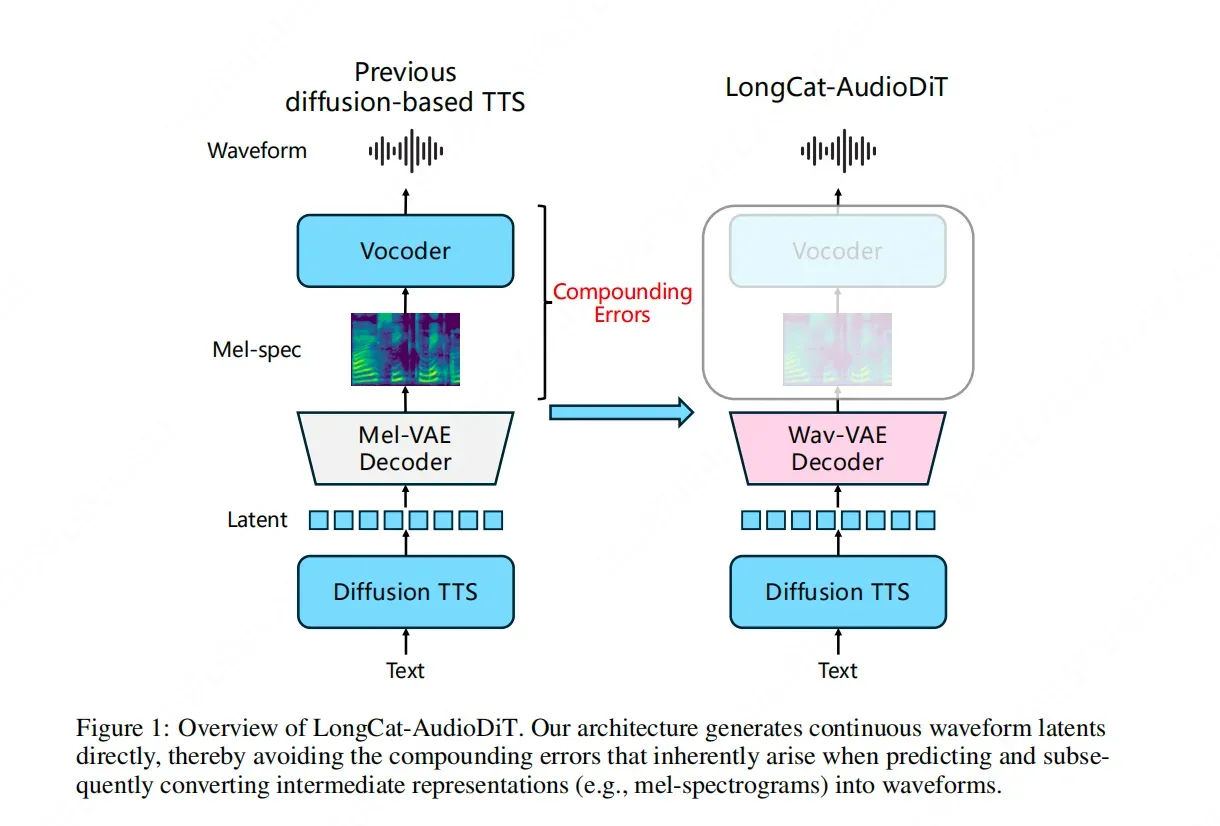
The Meituan LongCat team has officially unveiled LongCat-AudioDiT, a pioneering model designed to push the boundaries of zero-shot Text-to-Speech (TTS) voice cloning. By fundamentally reimagining the audio synthesis pipeline, the model abandons traditional intermediate representations like Mel-spectrograms in favor of direct operation within the waveform latent space. Utilizing a Diffusion Transformer (DiT) architecture, LongCat-AudioDiT aims to eliminate the cascade errors typically associated with multi-stage data conversion. This approach allows the AI to learn the intrinsic laws of sound directly, offering a more robust and high-fidelity solution for cloning voices without prior training on specific target speakers. The release marks a significant technical shift toward end-to-end waveform generation in the field of AI-driven speech synthesis.

美团技术团队
Meituan Technical Team Releases LongCat-Flash-Prover to Advance Rigorous AI Mathematical Theorem Proving
Open Source

Meituan Technical Team Releases LongCat-Flash-Prover to Advance Rigorous AI Mathematical Theorem Proving

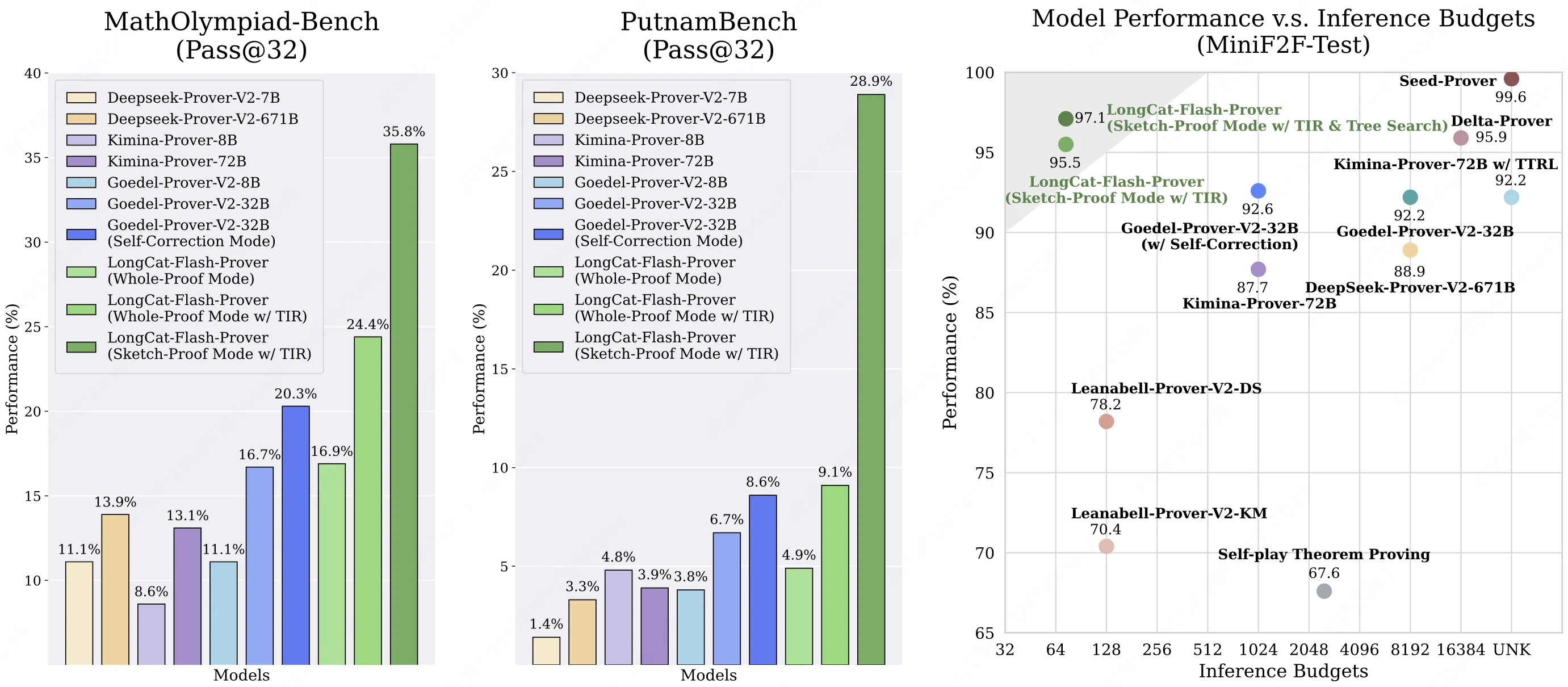
The Meituan Technical Team has officially introduced LongCat-Flash-Prover, an open-source model specifically engineered for mathematical formalization and theorem proving. Unlike traditional AI models that focus primarily on reaching a correct numerical result, LongCat-Flash-Prover addresses the critical need for rigorous logical chains in mathematical reasoning. The model aims to transition AI from merely 'guessing' answers to providing verifiable, structured proofs. By tackling the inherent ambiguity of natural language that often leads to the collapse of complex proofs, this release represents a significant step forward in the field of formal mathematical verification and complex reasoning, offering a specialized tool for the global research community.

美团技术团队
Meituan Releases LongCat-Next: A Native Multimodal Model Designed for Physical World AI Perception
Open Source

Meituan Releases LongCat-Next: A Native Multimodal Model Designed for Physical World AI Perception

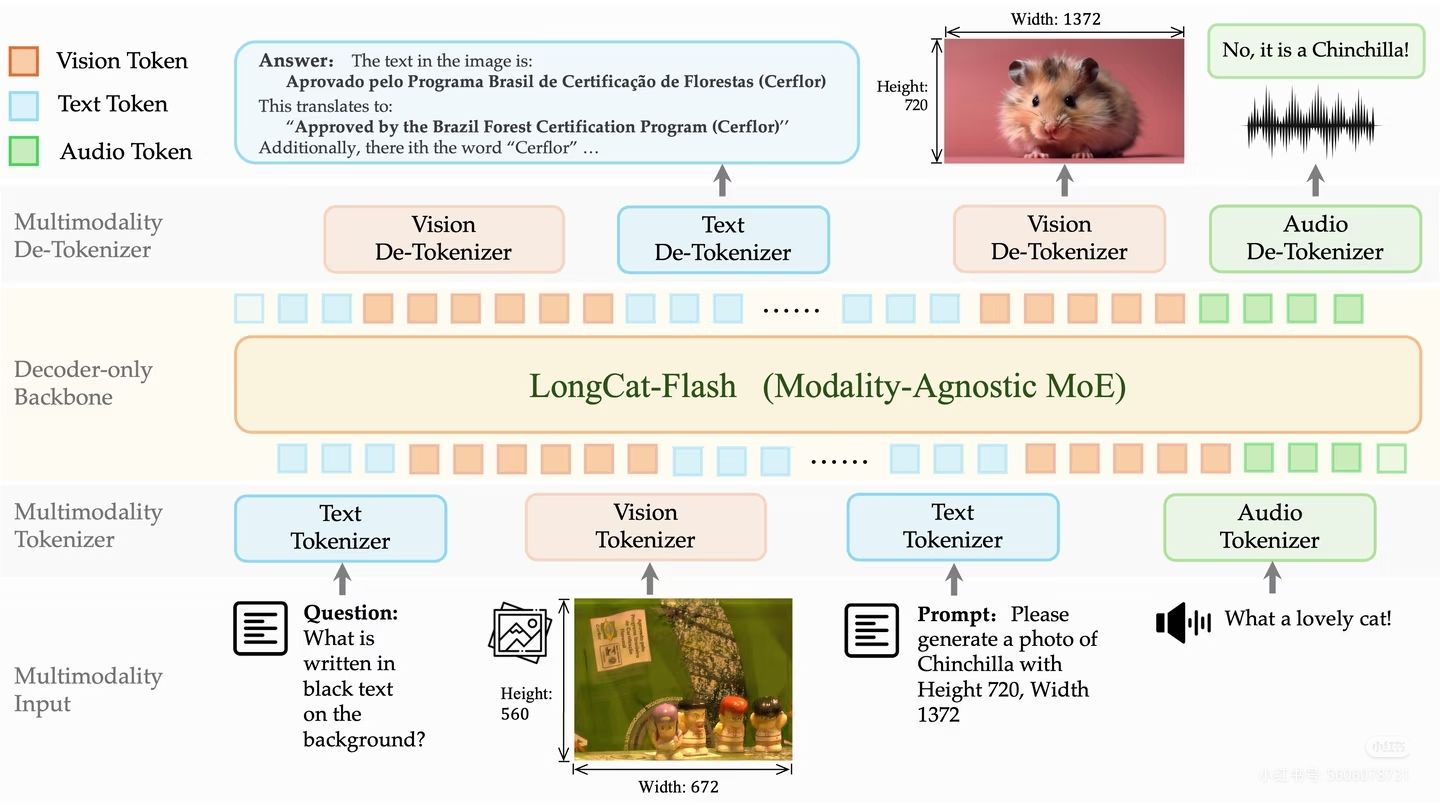
Meituan's technical team has officially announced the release and open-sourcing of LongCat-Next, a native multimodal model that marks a significant step toward AI capable of interacting with the physical world. By treating vision and speech as "native languages" (mother tongues) rather than secondary inputs, LongCat-Next aims to bridge the gap between digital intelligence and real-world perception. Alongside the model, Meituan has open-sourced its discrete tokenizer, providing developers with the core tools necessary to build AI systems that can perceive, understand, and act within physical environments. This move highlights Meituan's commitment to open-source collaboration and its strategic focus on embodied AI and multimodal integration.

美团技术团队
Meituan Data Platform Revolutionizes BI Architecture with Metric-Centric Design and Enhanced Computing Capabilities
Industry News

Meituan Data Platform Revolutionizes BI Architecture with Metric-Centric Design and Enhanced Computing Capabilities

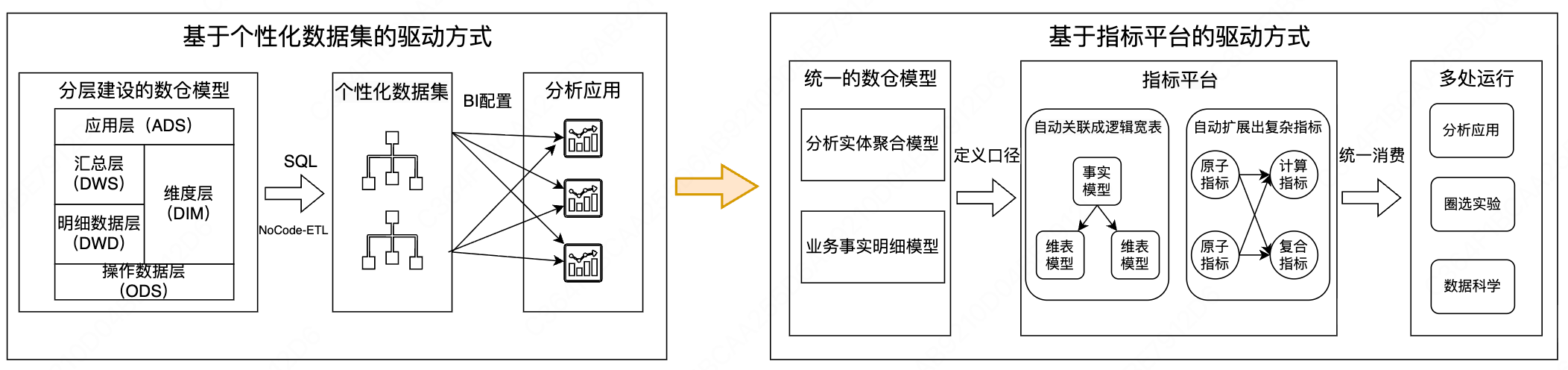
Meituan's technical team has unveiled a new generation of Business Intelligence (BI) architecture centered on a dedicated metric platform. By implementing two core capabilities—automatic semantics and enhanced computing—the platform addresses long-standing challenges in traditional BI systems. These challenges often include inconsistent data definitions (data mouthpieces) and degraded query performance resulting from fragmented, personalized datasets. This strategic shift aims to unify data logic and optimize computational efficiency, ensuring that business decisions are based on accurate, high-performance data analysis. The transition marks a significant evolution from traditional dataset-driven models to a more robust, metric-driven framework within Meituan's data ecosystem, focusing on solving the core pain points of data chaos and slow response times in large-scale enterprise environments.

美团技术团队
Open-LLM-VTuber: Advancing AI Interaction through Hands-Free Voice and Local Live2D Integration
Open Source

Open-LLM-VTuber: Advancing AI Interaction through Hands-Free Voice and Local Live2D Integration

Open-LLM-VTuber is an emerging open-source project designed to transform how users interact with Large Language Models (LLMs). By integrating hands-free voice communication and voice interruption capabilities, the project facilitates a more natural and fluid conversational experience. A standout feature is its support for Live2D facial animation, which runs locally across multiple platforms, providing a visual embodiment for AI personas. This tool allows users to connect virtually any LLM to a dynamic avatar, bridging the gap between text-based AI and interactive digital beings. The project emphasizes local execution, which enhances privacy and reduces reliance on cloud-based visual rendering, marking a significant step forward for the open-source AI avatar community.

GitHub Trending
PaddleOCR: Bridging the Gap Between Visual Documents and Large Language Models with Multilingual Support
Open Source

PaddleOCR: Bridging the Gap Between Visual Documents and Large Language Models with Multilingual Support

PaddleOCR, a prominent project from the PaddlePaddle ecosystem, has gained significant attention for its ability to transform PDF and image documents into structured data suitable for AI applications. As a powerful yet lightweight OCR toolkit, it serves as a critical bridge between unstructured visual media and Large Language Models (LLMs). By supporting over 100 languages, PaddleOCR addresses the global need for efficient document digitization and data extraction. This toolkit simplifies the process of converting complex document formats into machine-readable information, thereby facilitating the integration of diverse data sources into modern AI workflows and enhancing the capabilities of LLM-driven systems.

GitHub Trending
NVIDIA Cosmos: A New Open Platform for World Models and Physical AI Innovation
Open Source

NVIDIA Cosmos: A New Open Platform for World Models and Physical AI Innovation

NVIDIA has introduced Cosmos, a comprehensive open platform designed to advance the field of Physical AI. By providing a suite of world models, datasets, and specialized tools, Cosmos aims to empower developers working on robotics, autonomous vehicles, and smart infrastructure. This initiative represents a significant step in providing the foundational building blocks necessary for machines to understand and interact with the physical world. The platform focuses on bridging the gap between digital intelligence and physical execution, offering a structured environment for creating more sophisticated and capable autonomous systems across various industrial and technological sectors. As an open platform, Cosmos is positioned to become a central hub for developers seeking to integrate complex physical understanding into their AI-driven projects.

GitHub Trending
Headroom: An Open-Source Solution for Compressing LLM Tokens by Up to 95 Percent Without Quality Loss
Open Source

Headroom: An Open-Source Solution for Compressing LLM Tokens by Up to 95 Percent Without Quality Loss

Headroom is an innovative open-source project designed to optimize Large Language Model (LLM) interactions by compressing data before it reaches the model. By targeting tool outputs, logs, files, and Retrieval-Augmented Generation (RAG) chunks, Headroom claims to reduce token consumption by a significant margin of 60% to 95%. Crucially, the developer asserts that this substantial reduction in token usage does not compromise the quality of the model's answers. The tool is highly versatile, offering support for libraries, AI agents, and Model Context Protocol (MCP) servers. This makes it a potentially vital resource for developers looking to reduce API costs and improve efficiency in AI-driven applications by managing context windows more effectively.

GitHub Trending
NousResearch Unveils Hermes Agent: A New Paradigm for AI Entities That Grow with Users
Industry News

NousResearch Unveils Hermes Agent: A New Paradigm for AI Entities That Grow with Users

NousResearch has officially introduced 'Hermes Agent,' a project signaling a shift toward adaptive and evolving artificial intelligence. Described as an 'agent that grows with you,' the project has quickly gained traction on GitHub Trending. Unlike traditional static models, Hermes Agent emphasizes a dynamic relationship between the user and the AI entity, focusing on long-term development and synergy. As a product of NousResearch, a collective known for high-performance open-source models, this release represents a strategic move into the agentic AI space. The project's debut highlights a growing industry interest in personalized, autonomous systems that move beyond simple task execution toward a model of continuous co-evolution. This analysis explores the conceptual foundations of Hermes Agent and its potential implications for the future of human-AI interaction.

GitHub Trending
ECC: A Performance Optimization System for AI Agent Frameworks and Leading Coding Tools
Industry News

ECC: A Performance Optimization System for AI Agent Frameworks and Leading Coding Tools

ECC (Agent Framework Performance Optimization System) has emerged as a specialized solution designed to enhance the capabilities of prominent AI-driven development tools, including Claude Code, Codex, Opencode, and Cursor. Developed by affaan-m, the system focuses on optimizing five core dimensions of AI agents: skills, instincts, memory, security, and research-priority development. By providing a structured framework for these elements, ECC aims to improve the efficiency and reliability of intelligent agents within the software development lifecycle. The project emphasizes a research-first approach, ensuring that the integration of AI into coding environments is both high-performing and secure. This development represents a significant step in the evolution of agentic workflows, offering a specialized layer of optimization for the next generation of AI coding assistants.

GitHub Trending
Open-Notebook: A New Open-Source Implementation of NotebookLM with Enhanced Flexibility
Open Source

Open-Notebook: A New Open-Source Implementation of NotebookLM with Enhanced Flexibility

A new open-source project titled "open-notebook" has emerged on GitHub, developed by lfnovo. This project serves as an open-source implementation of the NotebookLM concept, designed to offer users significantly higher flexibility and a broader range of features compared to existing proprietary solutions. By providing a customizable framework for AI-driven document interaction and note-taking, open-notebook addresses the increasing demand for transparent and adaptable AI tools within the developer and research communities. The project aims to democratize the technology behind document-grounded language model interactions, allowing for a more versatile user experience in managing and analyzing complex information sets.

GitHub Trending
Thousand Token Wood: Implementing a Multi-Agent Economy on a 3B Parameter Model
Industry News

Thousand Token Wood: Implementing a Multi-Agent Economy on a 3B Parameter Model

Hugging Face has introduced "Thousand Token Wood," a project focused on shipping a multi-agent economy powered by a 3-billion (3B) parameter model. This initiative explores the intersection of small language models (SLMs) and complex agentic simulations. By utilizing a 3B model, the project demonstrates the potential for sophisticated, multi-agent interactions and economic behaviors without the need for massive computational resources. The project, shared via the Hugging Face Blog, highlights a shift toward efficient, decentralized AI systems where multiple agents can interact within a structured environment. This development is significant for the AI industry as it showcases the viability of running complex, multi-agent workflows on smaller, more accessible hardware, potentially democratizing the use of agentic AI in various economic and social simulations.

Hugging Face Blog
Microsoft Internal Strategy Revealed: Designing Scout AI Assistant for User Addiction and Dependency
Industry News

Microsoft Internal Strategy Revealed: Designing Scout AI Assistant for User Addiction and Dependency

An internal Microsoft strategy document, recently uncovered by 404 Media, reveals a calculated plan for the company's new AI personal assistant, "Scout." The roadmap outlines a three-phase transition designed to move the tool from an "addictive app" to a comprehensive "agentic platform." This strategy emphasizes fostering user addiction before introducing broader functionalities. The report draws significant parallels between this AI-centric approach and Microsoft's historical tactics with the Windows operating system, where gradual software lock-ins and lock-outs created a state of deep user dependency. As Microsoft prepares to roll out Scout, the focus appears to be on establishing a behavioral habit that ensures users remain within the Microsoft ecosystem, mirroring the controversial evolution of Windows 11 and its predecessors.

Hacker News
Google to Pay SpaceX $920 Million Monthly for Compute Power Amid Surging AI Product Demand
Industry News

Google to Pay SpaceX $920 Million Monthly for Compute Power Amid Surging AI Product Demand

Google has entered into a massive infrastructure agreement with SpaceX, committing to a monthly payment of $920 million for compute resources. This significant financial arrangement is a direct response to what Google describes as "unexpected demand" for its recently launched artificial intelligence products. The deal, revealed in June 2026, highlights the extreme scaling requirements of modern AI ecosystems and the necessity for tech giants to seek external computational capacity to maintain service stability. By leveraging SpaceX's resources, Google aims to bridge the gap between its internal infrastructure and the massive processing needs of its growing user base. This partnership underscores the high costs and strategic shifts occurring within the AI industry as companies race to meet consumer needs.

TechCrunch AI
How to Stop Shipping Low-Quality RL Environments: Critical Insights on Model Degradation
Industry News

How to Stop Shipping Low-Quality RL Environments: Critical Insights on Model Degradation

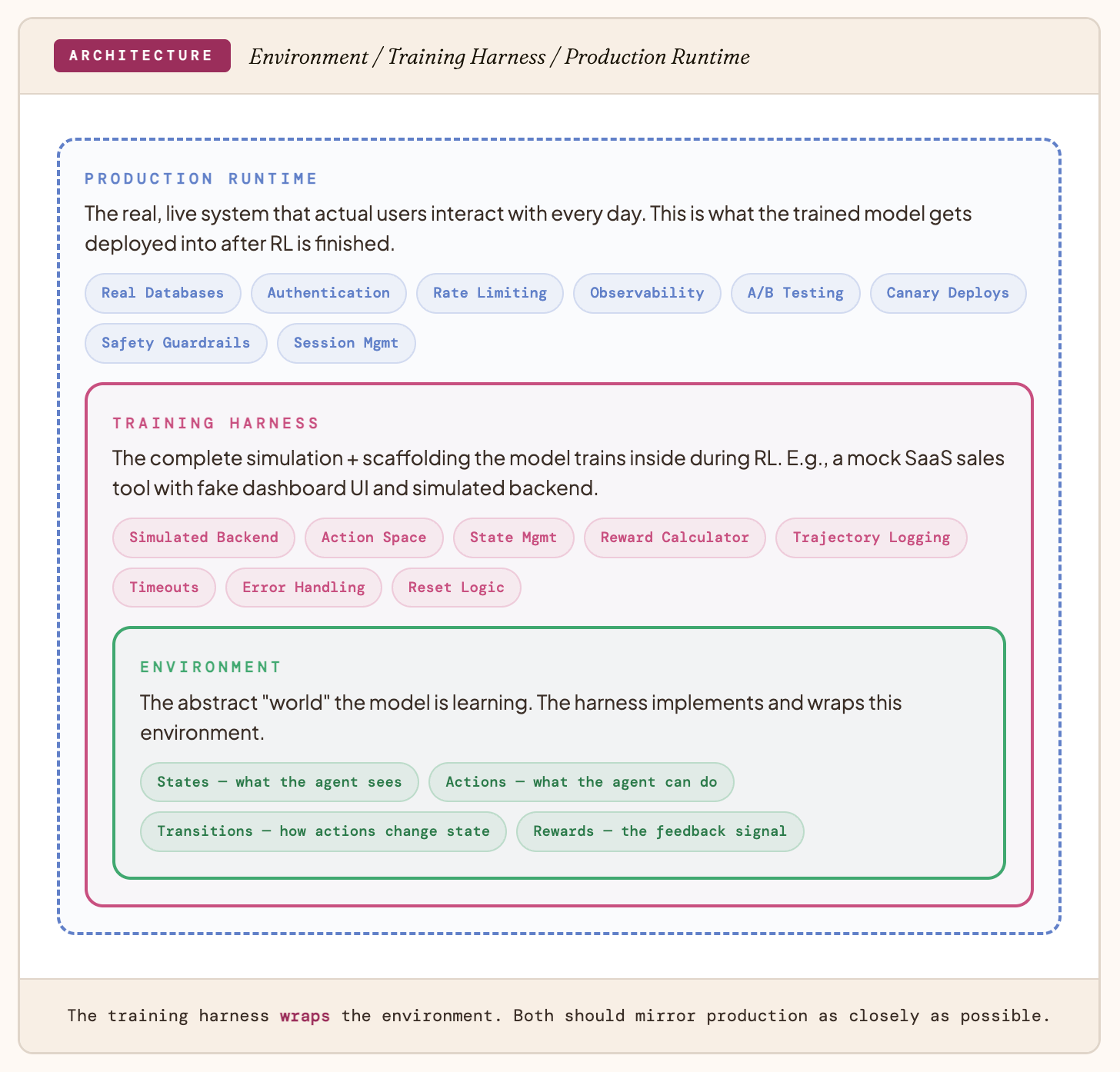
In a recent analysis published by Latent Space, author Auriel Wright addresses a significant bottleneck in Reinforcement Learning (RL): the deployment of low-quality environments and broken harnesses. Wright argues that these faulty training setups are not merely neutral but are actively making AI models worse. Drawing from years of experience in 'eyeballing' trajectories—the step-by-step paths models take through an environment—the author highlights that many developers overlook fundamental flaws in their training infrastructure. The article serves as a call to action for AI practitioners to prioritize the integrity of their RL harnesses and environment designs to prevent performance regression and ensure more robust model development.

Latent Space
Nvidia's Jensen Huang Reimagines the Laptop Experience Amidst a Surge in AI-Driven Developer Conferences
Industry News

Nvidia's Jensen Huang Reimagines the Laptop Experience Amidst a Surge in AI-Driven Developer Conferences

The current developer conference season has become a stage for Big Tech's unified vision: a future where artificial intelligence fundamentally alters every aspect of human activity. Central to this shift is Nvidia's Jensen Huang, who recently articulated a transformative vision for personal computing. Huang described a completely new paradigm for laptop usage, moving away from traditional methods toward an AI-integrated experience. This sentiment is echoed across the industry, with major players like Google and Microsoft signaling a relentless conviction that AI will redefine the functional essence of hardware. As the 'Vergecast' highlights, the transition to AI-centric laptops marks a pivotal moment in the evolution of consumer technology, suggesting that the devices we use daily are on the verge of a total functional overhaul.

The Verge
Google DeepMind Launches Gemma 4 QAT Models to Enhance AI Efficiency on Mobile and Laptop Devices
Industry News

Google DeepMind Launches Gemma 4 QAT Models to Enhance AI Efficiency on Mobile and Laptop Devices

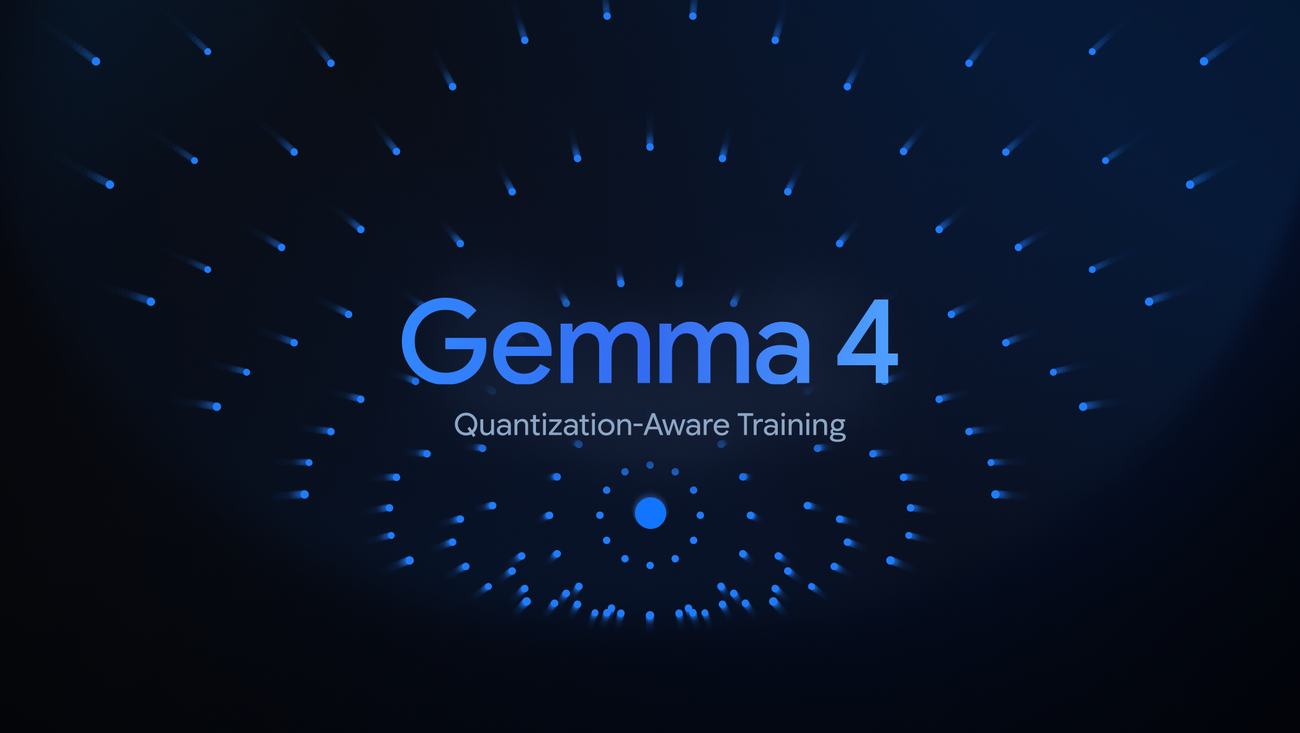
Google DeepMind has announced the release of new Gemma 4 model checkpoints optimized with Quantization-Aware Training (QAT). This development follows the recent introduction of Multi-Token Prediction and a 12B model variant designed to bridge the gap between the E4B and 26B MOE models. By integrating quantization into the training process rather than applying it afterward, QAT significantly reduces memory requirements while maintaining high model quality. A standout feature of this release is a novel mobile-specialized quantization format that has reduced the Gemma 4 E2B model's footprint to just 1GB. These advancements are specifically engineered to facilitate the local execution of large language models on consumer GPUs and edge devices, ensuring high performance without the typical degradation associated with standard compression methods.

Hacker News