Neural Drive Revolutionizes Assistive Communication by Reducing Costs by 90 Percent Without Surgical Implants
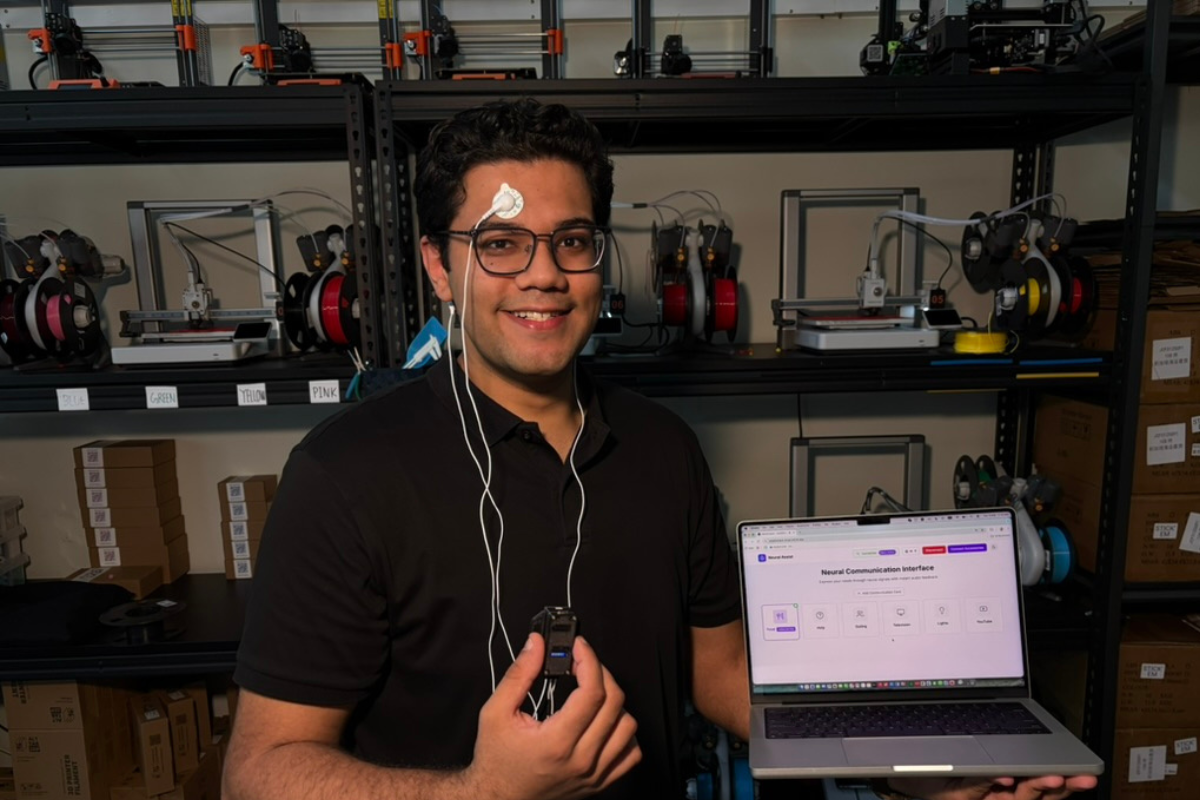
Neural Drive is a startup focused on restoring communication through the use of neural signals. The company's approach significantly disrupts the current market by reducing the cost of assistive communication devices by 90%. Unlike many existing solutions in the field of neural interfaces, Neural Drive’s technology does not require surgical implants, nor does it necessitate complex clinical calibration. This combination of affordability and ease of use positions the startup as a potential leader in the democratization of assistive technology. By removing the physical and financial barriers associated with traditional neural communication tools, Neural Drive aims to provide a more accessible path for individuals to regain their ability to communicate effectively, marking a significant milestone in non-invasive neural signal processing.
Key Takeaways
- Significant Cost Reduction: Neural Drive has successfully reduced the cost of assistive communication devices by 90% compared to traditional solutions.
- Non-Invasive Technology: The system operates without the need for surgical implants, lowering the medical risk and barrier to entry for users.
- Simplified Setup: The technology removes the requirement for complex clinical calibration, streamlining the user experience and reducing professional labor needs.
- Neural Signal Integration: The startup utilizes neural signals as the primary medium for restoring communication capabilities for those in need.
In-Depth Analysis
Disrupting the Economics of Assistive Technology
The most striking aspect of Neural Drive's emergence in the tech landscape is its claim to reduce the cost of assistive communication devices by 90%. In the current market, high-end assistive technology often serves as a prohibitive barrier for individuals who require these tools to interact with the world. These costs are typically driven by specialized hardware, the need for medical professionals, and the bespoke nature of the devices. By achieving such a drastic price reduction, Neural Drive is not merely offering a cheaper alternative; it is potentially shifting the market dynamic from high-cost, niche medical equipment to more accessible health technology. This cost efficiency is a direct result of the startup's ability to bypass the most expensive elements of traditional neural interfaces, namely the surgical procedures and the extensive clinical hours usually required for device setup.
Eliminating Surgical and Clinical Barriers
Traditional Brain-Computer Interfaces (BCIs) or neural communication tools often rely on invasive procedures, where electrodes are surgically implanted into the brain or nervous system to capture high-quality signals. Neural Drive’s approach removes this necessity entirely. By utilizing neural signals through a non-invasive method, the startup eliminates the medical risks associated with surgery, such as infection, recovery time, or tissue rejection. Furthermore, the removal of "complex clinical calibration" suggests a significant advancement in the software's ability to interpret neural data. Typically, these devices require hours of professional adjustment to map a user's specific neural patterns to communication outputs. Neural Drive’s ability to bypass this step implies a more robust signal processing framework that can adapt to the user with minimal professional intervention, making the technology more "plug-and-play" than previous generations of neural interfaces.
Industry Impact
The implications for the AI and medical technology industries are profound. Neural Drive’s model suggests a future where neural interfaces are accessible rather than exclusive. For the broader industry, this highlights the growing importance of sophisticated signal processing that can extract clean, actionable data from non-invasive sources. If a startup can provide 90% cost savings while maintaining efficacy without surgery, it sets a new benchmark for competitors and researchers alike. This could lead to an acceleration in the development of non-invasive sensors and more generalized neural decoding models that do not require individual clinical calibration. Ultimately, this technology represents a move toward the democratization of life-changing communication tools, potentially reaching a much larger global population that was previously excluded due to cost or medical constraints.
Frequently Asked Questions
How does Neural Drive reduce the cost of communication devices?
Neural Drive reduces costs by 90% by eliminating the need for expensive surgical implants and the specialized clinical labor required for complex device calibration and setup.
Is surgery required to use Neural Drive’s technology?
No, one of the core features of Neural Drive is that it removes the need for surgical implants, utilizing neural signals through non-invasive means to restore communication.
What makes Neural Drive different from traditional neural interfaces?
Unlike traditional interfaces that often require invasive surgery and lengthy clinical calibration sessions with specialists, Neural Drive offers a non-surgical solution that is significantly more affordable and easier to implement for the end user.