AI-Powered Game Creation: Can Roblox and PixVerse Turn Player Prompts into Quality Gaming Experiences?
The gaming industry is witnessing a significant shift as platforms like Roblox and PixVerse integrate AI-driven creation tools directly into the player experience. By allowing users to generate game content through simple text prompts, these platforms aim to democratize game development. However, recent reporting from Tech in Asia suggests a growing skepticism regarding the results of this technological leap. While the barrier to entry for creators is lower than ever, the ease of creation does not inherently guarantee the production of high-quality or engaging gameplay. The core challenge remains whether these AI-generated titles can offer enough depth and value to attract and retain a player base, or if the market will simply be flooded with accessible but ultimately unrewarding content.
Key Takeaways
- Direct Player Integration: Roblox and PixVerse are leading the movement to put AI game creation tools directly into the hands of their users.
- Prompt-Based Development: The transition toward using text prompts for game design aims to simplify the development process for non-technical players.
- The Quality Paradox: There is a significant concern that making games easier to create may lead to a decrease in the overall quality and playability of the content.
- Player Engagement Uncertainty: It remains unclear if the gaming community will find AI-generated games compelling enough to invest their time and attention.
In-Depth Analysis
The Democratization of Game Design via AI
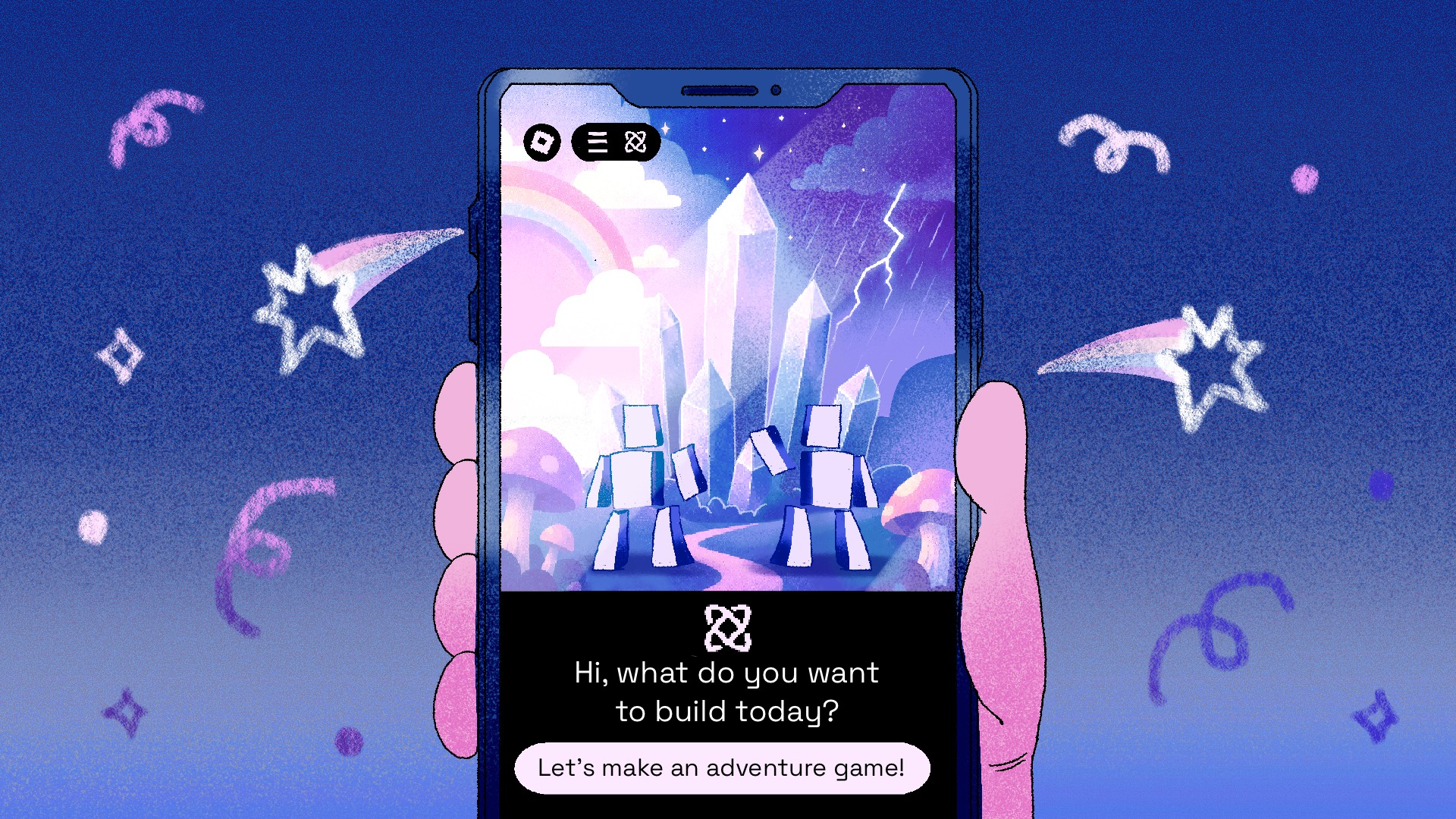
The landscape of user-generated content (UGC) is undergoing a fundamental transformation as major platforms like Roblox and PixVerse implement AI-driven creation suites. By moving AI game creation "straight to players," these companies are attempting to remove the traditional hurdles of coding, 3D modeling, and complex logic design. The use of prompts allows a broader demographic to participate in the creative process, potentially turning every player into a developer. This shift represents a move toward a more inclusive creator economy where the primary requirement for game design is an idea rather than a technical skill set.
However, the reporting indicates that this accessibility comes with a caveat. The focus on "easier creation" is a double-edged sword. While it expands the pool of creators, it also shifts the focus from craftsmanship to rapid generation. The platforms are betting on the idea that by empowering more people, a few high-quality gems will naturally emerge, but the immediate result is a surge in content that may lack the nuance of traditionally developed titles.
The Quality Gap: Why Ease of Creation Isn't Everything
A critical point raised in the analysis of these new AI tools is the potential disconnect between the ease of making a game and the actual enjoyment derived from playing it. The reporting suggests that "easier creation may not produce games worth playing." This highlights a fundamental tension in game design: the difference between a functional environment and an engaging experience.
Game development traditionally requires a deep understanding of mechanics, pacing, and player psychology—elements that a simple text prompt may struggle to replicate. When the process of creation is automated or simplified to a high degree, the resulting games risk becoming derivative or shallow. If the market becomes saturated with low-effort AI games, players may find it increasingly difficult to discover meaningful experiences, leading to a potential "bite" problem where the audience refuses to engage with the content regardless of how easy it was to produce.
Industry Impact
The move by Roblox and PixVerse to prioritize AI creation tools could redefine the standards for UGC platforms. If successful, it could force other competitors to adopt similar prompt-based systems to remain relevant. However, the industry must also grapple with the risk of content devaluations. If AI-generated games fail to meet player standards, it could lead to a decline in platform trust and a shift back toward curated or professionally developed content. The long-term impact will likely depend on whether AI tools can evolve from simple generators into sophisticated assistants that help creators refine quality rather than just increasing quantity.
Frequently Asked Questions
Question: Which platforms are currently bringing AI game creation to players?
Based on the report, Roblox and PixVerse are the primary platforms mentioned as taking AI game creation tools directly to their player bases.
Question: What is the main concern regarding AI-generated games?
The primary concern is that making games easier to create through AI and prompts might result in a surplus of content that is not actually worth playing, potentially lacking the quality and depth of traditional games.
Question: How does prompt-based creation change the role of the player?
It transforms the player from a passive consumer into a potential creator by allowing them to generate game elements or experiences using simple text instructions, bypassing the need for traditional technical expertise.