
AI-Driven Hardware Exploitation: Researcher Uses AI Agents to Reverse Engineer and Control Peripherals
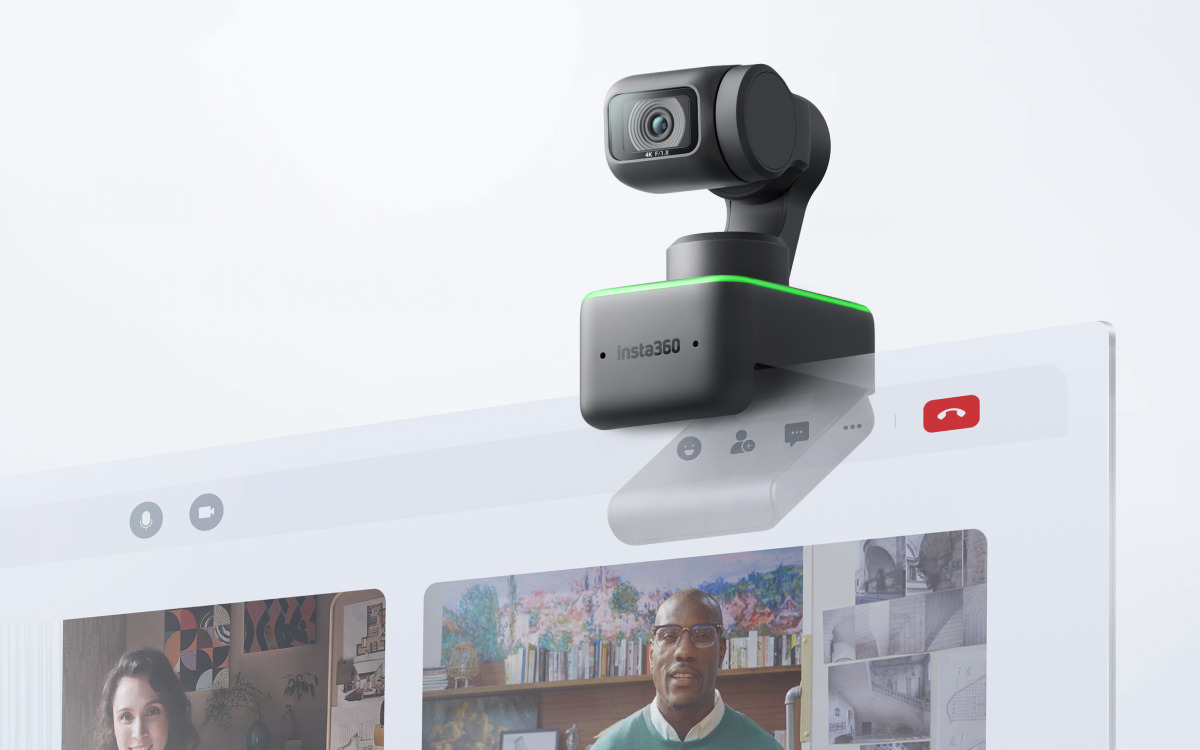
A security researcher has demonstrated the power of agent-driven reverse engineering by gaining unauthorized control over common hardware peripherals. Using Claude Opus 5, the researcher successfully analyzed the firmware of a microphone, a webcam, and a key light. The results include discovering a plaintext command shell within a microphone, the ability to disable a webcam's activity LED during recording, and enabling unauthorized memory writes on a key light via WiFi. This experiment underscores the efficacy of using AI agents to iterate against firmware update mechanisms and protocol surfaces, transforming peripherals—essentially 'tiny computers'—into accessible targets for automated security analysis and exploitation.
Key Takeaways
- Automated Reverse Engineering: The use of AI agents like Claude Opus 5 significantly accelerates the reverse engineering of hardware firmware.
- Peripheral Vulnerabilities: Common devices such as microphones and webcams were found to have significant security flaws, including hidden command shells and LED manipulation.
- Agentic Methodology: By providing AI with firmware and update utilities, researchers can automate the documentation and cross-validation of complex protocols.
- Security Bypass: The process successfully identified and bypassed security properties such as checksums and signature validations in firmware update protocols.
In-Depth Analysis
The Rise of Agent-Driven Reverse Engineering
The researcher's approach marks a shift in security analysis, moving from manual inspection to "agent-driven reverse engineering" (RE). By utilizing a reverse engineering environment paired with Claude Opus 5, the researcher was able to automate the analysis of peripherals that are often overlooked as security risks. These devices are described as "tiny computers" attached to a host, featuring their own data connections and firmware update mechanisms. This combination makes them ideal targets for AI agents, which can rapidly iterate through data structures and protocols to find weaknesses. The process involved feeding the AI the device's firmware and the manufacturer's update tool, then setting specific goals for the agent to achieve through static and dynamic analysis.
Exploiting the Peripheral Ecosystem
The findings from this experiment reveal critical vulnerabilities in everyday hardware. For the microphone, the researcher achieved a full plaintext command shell, providing a high level of internal access. In the case of the webcam, the researcher managed to switch off the activity LED while the device was actively recording, a significant privacy concern. Furthermore, a key light was found to allow memory writes to any user on the same WiFi network. These exploits were made possible by the AI's ability to exhaustively document the firmware update format and protocol, implement custom update utilities, and determine the security properties of the boot process, including secure boot and signature validation.
The Workflow of AI-Assisted Security Research
The researcher's methodology was consistent across different devices, highlighting a repeatable framework for AI-driven exploitation. The AI agent was tasked with interacting with the computer and the attached devices in non-mutating ways to cross-validate findings. Key objectives included the complete enumeration of protocol surfaces and the discovery of hidden or debug functionality. By instructing the AI to find and access these hidden features, the researcher was able to uncover capabilities that are not documented for the end-user. The output of this process resulted in GitHub repositories containing generated documentation and scripts that were validated against the physical hardware.
Industry Impact
The success of this project demonstrates that AI agents are becoming a force multiplier in the field of cybersecurity. For the hardware industry, this highlights a pressing need for more robust security in peripheral firmware, as the barrier to entry for complex reverse engineering is being lowered by AI. The ability for an agent to "churn" through firmware and identify flaws in update protocols suggests that traditional security measures like simple checksums or obfuscated update formats may no longer be sufficient. As AI agents become more sophisticated, the industry may see a surge in discovered vulnerabilities within the vast ecosystem of connected hardware devices.
Frequently Asked Questions
Question: What tools were used in this reverse engineering process?
The researcher utilized a specialized reverse engineering environment and the Claude Opus 5 AI agent. The primary inputs provided to the AI were the device's firmware and the associated update utility provided by the manufacturer.
Question: What specific devices were successfully compromised?
The experiment successfully targeted three types of peripherals: a microphone (gaining a command shell), a webcam (disabling the recording LED), and a key light (enabling WiFi-based memory writes).
Question: How does the AI agent find vulnerabilities in the firmware?
The agent is tasked with exhaustively documenting the firmware update protocol, performing static and dynamic analysis of protocol surfaces, and identifying hidden debug functionalities. It iterates against the firmware to understand security properties like signature validation and secure boot mechanisms.

