
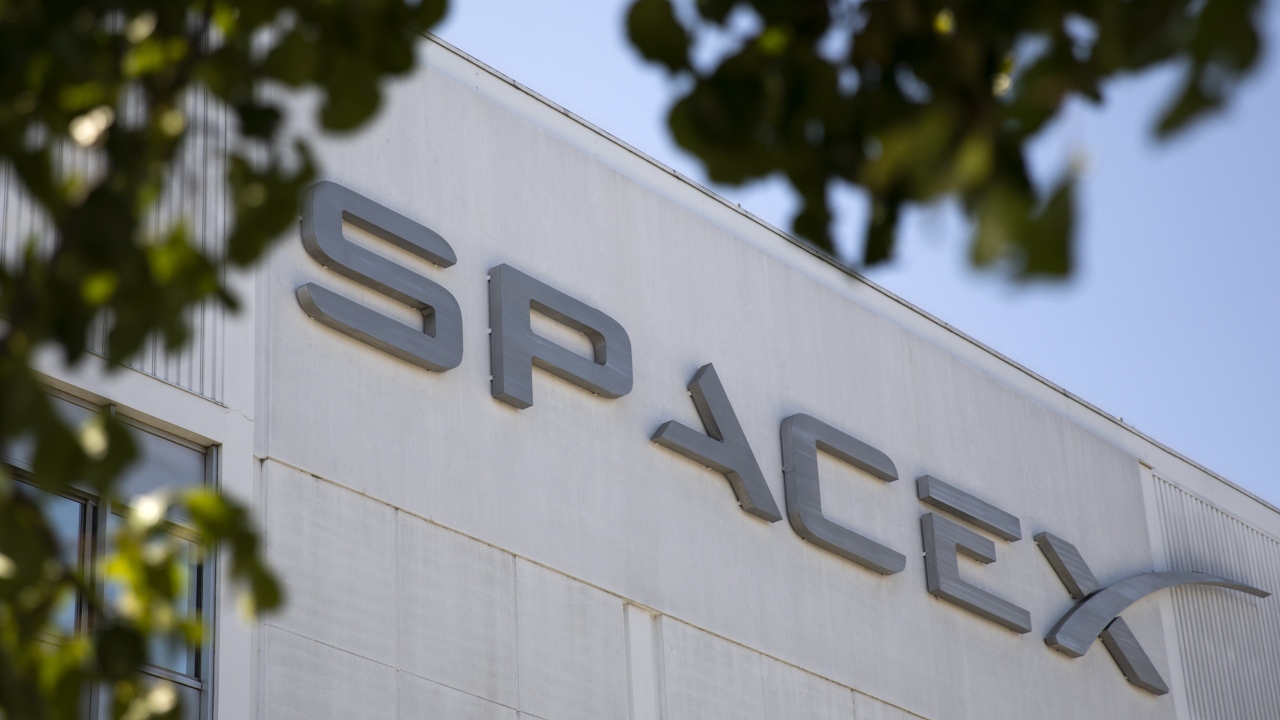
SpaceX Completes Landmark $60 Billion Acquisition of AI-Powered Coding Tool Cursor
SpaceX has officially finalized the acquisition of Cursor, a specialized coding tool developed by the San Francisco-based startup Anysphere. The transaction, valued at $60 billion, marks a significant milestone for Anysphere, which was founded in 2022 by four students from the Massachusetts Institute of Technology (MIT). This acquisition brings the innovative software development tool under the SpaceX umbrella, highlighting a massive investment in high-end coding infrastructure. The deal reflects the high valuation of modern software tools and the rapid growth of the startup, which transitioned from a student-led project to a multi-billion dollar asset in just four years. The completion of this buy-out underscores the strategic importance of advanced programming environments in the current technological landscape, particularly for organizations managing complex engineering and software requirements.
Key Takeaways
- Massive Valuation: SpaceX has completed the acquisition of the coding tool Cursor for a total of $60 billion.
- Startup Origins: Cursor was developed by Anysphere, a startup founded in 2022 by four students from the Massachusetts Institute of Technology (MIT).
- Rapid Growth: The company scaled from its founding in 2022 to a $60 billion acquisition by 2026.
- Strategic Location: Anysphere is based in the technology hub of San Francisco, California.
- Ownership Transition: The deal officially moves the ownership of the Cursor coding tool from Anysphere to SpaceX.
In-Depth Analysis
The $60 Billion Acquisition Framework
The completion of the $60 billion acquisition of Cursor by SpaceX represents one of the most significant transactions in the software tool industry. By acquiring Cursor, SpaceX has secured a primary asset developed by Anysphere, a company that has quickly risen to prominence since its inception. The $60 billion price tag indicates a substantial premium placed on the specific capabilities of the Cursor coding tool. This transaction is not merely a purchase of software but an acquisition of a platform that has been deemed worth a multi-billion dollar investment by one of the world's leading aerospace and technology firms. The scale of this deal suggests that the underlying technology within Cursor provides critical value that justifies such a high capital expenditure.
The Rapid Rise of Anysphere and the MIT Pedigree
The background of Anysphere is central to understanding the value of this acquisition. Founded in 2022, the startup was the creation of four students from the Massachusetts Institute of Technology (MIT). The transition from a student-founded startup to a $60 billion entity within four years is a testament to the perceived utility and technical sophistication of the Cursor tool. Based in San Francisco, Anysphere operated within a high-density environment of software innovation, allowing it to develop Cursor into a tool that eventually attracted the attention of SpaceX. The academic roots of the founders at MIT likely contributed to the technical foundation of the tool, which has now been fully integrated into the SpaceX portfolio. This trajectory highlights the speed at which modern software startups can achieve massive scale when their products address specific, high-value needs in the coding and development sector.
Strategic Integration and Geographic Significance
Anysphere’s location in San Francisco has placed it at the heart of the software development world, providing the necessary ecosystem for Cursor to evolve. The completion of this buy-out by SpaceX signifies a strategic move to internalize advanced coding tools. While the original news focuses on the financial and foundational aspects of the deal, the geographic and chronological context is vital. Moving from a 2022 founding to a 2026 exit at a $60 billion valuation shows a condensed lifecycle of extreme growth. SpaceX’s decision to finalize this purchase suggests a long-term commitment to the development environment that Cursor provides, ensuring that the tool's future evolution is directed by SpaceX’s internal requirements and strategic goals.
Industry Impact
The acquisition of Cursor for $60 billion sends a powerful signal to the broader technology and software industry. It establishes a new benchmark for the valuation of specialized coding tools and development environments. For the AI and software industry, this deal demonstrates that tools which enhance the efficiency and capability of developers are currently among the most valuable assets in the market. The fact that a company primarily known for aerospace and satellite communications, like SpaceX, is willing to invest $60 billion in a coding tool suggests that software infrastructure is now viewed as a foundational pillar for all high-tech industries. Furthermore, the success of Anysphere’s founders provides a clear example of the impact that specialized, high-level technical expertise from institutions like MIT can have on the market in a very short period.
Frequently Asked Questions
Question: Who founded the company that developed Cursor?
Anysphere, the developer of Cursor, was founded by four students from the Massachusetts Institute of Technology (MIT).
Question: What was the total cost of the SpaceX acquisition of Cursor?
SpaceX completed the acquisition of the Cursor coding tool for a total of $60 billion.
Question: When was Anysphere founded and where is it located?
Anysphere was founded in 2022 and is based in San Francisco, California.

