Meituan's ACL 2026 Research: Pioneering New Paradigms in Large Model Evaluation and Reasoning
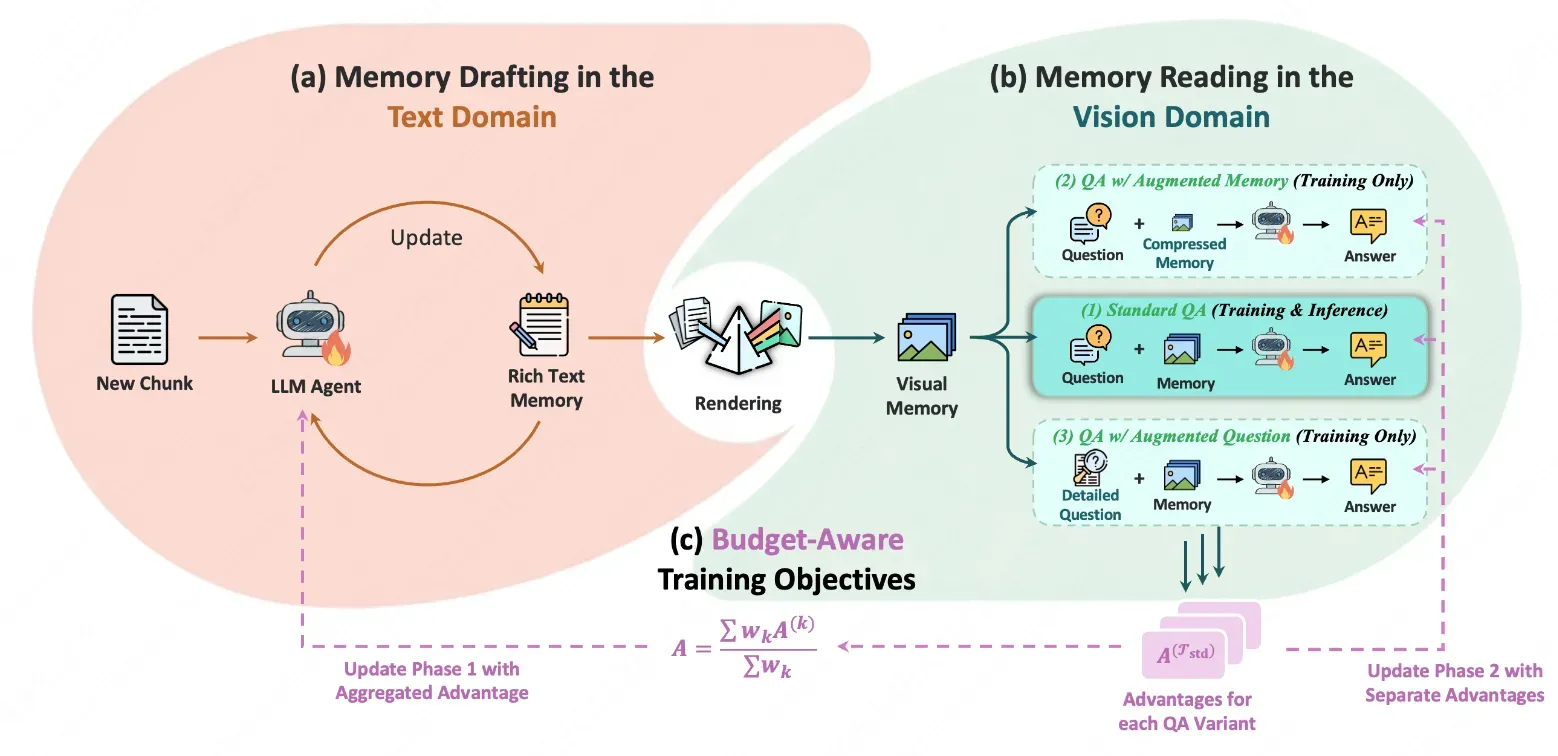
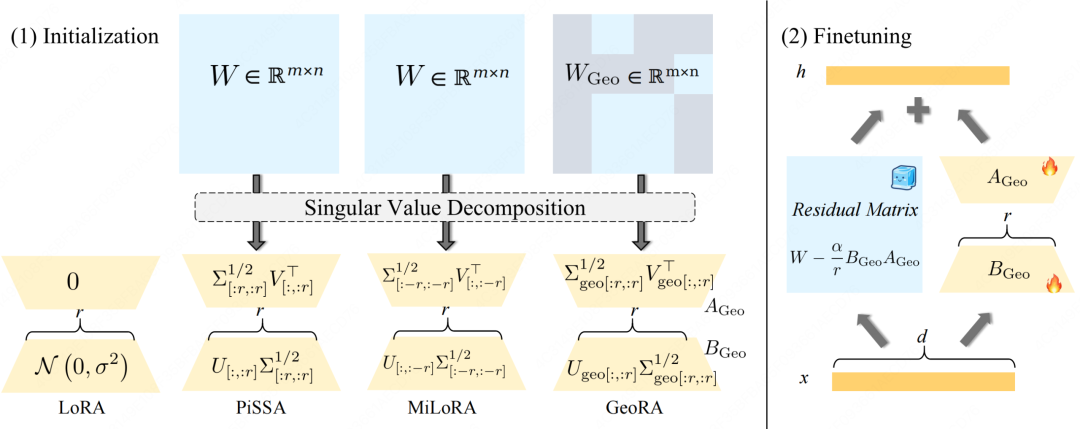
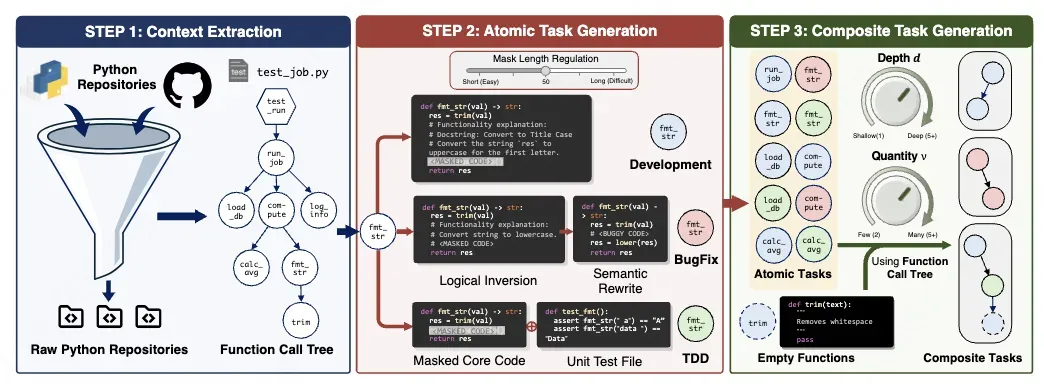
Meituan's technical team has achieved a significant milestone with six papers accepted at ACL 2026, a top-tier international conference in computational linguistics and natural language processing. The research spans critical AI domains, including large model evaluation, complex process reasoning, and competition-level mathematical thinking optimization. By also addressing reinforcement learning and generative recommendation, Meituan is actively shaping the future of generative AI. This selection of papers highlights the company's focus on building robust, intelligent systems capable of handling sophisticated tasks, marking a shift toward more advanced generative paradigms in the industry.
Key Takeaways
- Top-Tier Recognition: Meituan successfully had six research papers accepted at ACL 2026, reinforcing its position in the global NLP research community.
- Diverse Technical Scope: The research covers high-impact areas such as large model evaluation, complex reasoning, and generative recommendation systems.
- Focus on Reasoning: A significant portion of the work is dedicated to optimizing mathematical thinking and complex process reasoning for AI models.
- Generative Paradigm Shift: The contributions aim to establish new standards for how generative models are evaluated and deployed in real-world scenarios.
In-Depth Analysis
Advancing Evaluation and Reasoning Frameworks
The acceptance of Meituan's papers at ACL 2026 highlights a strategic focus on the foundational challenges of modern AI: evaluation and reasoning. As large language models (LLMs) become more integrated into commercial applications, the ability to accurately assess their capabilities is paramount. Meituan’s research into large model evaluation suggests a move toward more rigorous and nuanced benchmarking. By developing frameworks that can handle complex process reasoning, the team is addressing the limitations of current models in following multi-step instructions and maintaining logical consistency over long sequences.
Furthermore, the focus on competition-level mathematical thinking optimization indicates a push toward "System 2" thinking in AI—moving beyond simple pattern matching to genuine problem-solving. This level of reasoning is essential for high-stakes environments where accuracy and logical derivation are non-negotiable. By optimizing these specific cognitive tasks, Meituan is contributing to the development of models that can act as more reliable assistants in technical and analytical fields.
Optimization through Reinforcement Learning and Generative Recommendations
Beyond pure reasoning, Meituan is exploring the intersection of reinforcement learning (RL) and generative models. Reinforcement learning optimization is a critical component in aligning AI behavior with human intent and improving the efficiency of model training. This research likely explores how models can learn from feedback loops to refine their outputs over time, making them more adaptive to specific user needs or operational constraints.
In the realm of generative recommendation, Meituan is redefining how users interact with digital platforms. Traditional recommendation systems often rely on collaborative filtering or content-based matching; however, the shift toward generative paradigms allows for more conversational, context-aware, and personalized suggestions. This approach not only improves user engagement but also represents a significant technical evolution in how e-commerce and service platforms leverage AI to understand and predict consumer behavior.
Industry Impact
Meituan's contributions to ACL 2026 signal a broader trend where major industrial players are driving the frontier of NLP research. The focus on practical yet advanced topics like reasoning optimization and generative recommendations suggests that the industry is moving past the initial "hype" phase of generative AI and into a phase of deep optimization and functional integration.
For the AI industry, these advancements mean that future models will likely be more specialized and capable of handling complex, multi-faceted tasks that were previously reserved for human experts. The emphasis on evaluation also sets a precedent for transparency and reliability, which is crucial for the widespread adoption of AI in sensitive sectors. As Meituan implements these research findings into its own ecosystem, we can expect to see more intelligent, reasoning-capable interfaces in local services and logistics.
Frequently Asked Questions
Question: What is the significance of ACL 2026 in the AI field?
Answer: ACL (Association for Computational Linguistics) is considered one of the most prestigious international conferences for natural language processing and computational linguistics. Having papers accepted there indicates that the research meets the highest standards of academic and technical excellence.
Question: How does mathematical thinking optimization benefit AI models?
Answer: Optimizing mathematical thinking allows AI models to perform better at logical deduction and complex problem-solving. This is particularly useful for tasks that require precision, such as coding, financial analysis, and scientific research, where simple linguistic prediction is insufficient.
Question: What is generative recommendation?
Answer: Generative recommendation is an emerging approach that uses generative AI to create personalized suggestions. Unlike traditional systems that pick from a list, generative systems can synthesize information to provide more contextually relevant and conversational recommendations to users.