Meituan Unveils Six ACL 2026 Papers: Advancing Large Model Evaluation, Reasoning, and Generative Recommendation Paradigms
Meituan's technical team has announced the acceptance of six research papers at ACL 2026, a premier global conference for computational linguistics. These papers span critical technical domains including large model evaluation, complex process reasoning, competition-level mathematical thinking optimization, reinforcement learning, and generative recommendation systems. This selection underscores Meituan's role in shaping the "new paradigm" of generative AI. By addressing both theoretical challenges and practical optimization, the research aims to improve how AI models reason, learn, and interact with users, marking a significant contribution to the international NLP community. The focus remains on building a structured approach to generation that bridges the gap between raw model capabilities and sophisticated, real-world application requirements.
Key Takeaways
- Prestigious Recognition: Meituan has successfully had six papers accepted by ACL 2026, a top-tier international conference in the field of computational linguistics and natural language processing (NLP).
- Diverse Technical Scope: The research covers five primary areas: large model evaluation, complex process reasoning, competition-level mathematical thinking optimization, reinforcement learning optimization, and generative recommendation.
- New Generative Paradigm: The collective goal of these papers is to establish and refine a new paradigm for generative AI, moving beyond simple text generation toward structured, logical, and optimized outputs.
- Practical Optimization: A significant portion of the research focuses on optimization techniques, particularly in reasoning and reinforcement learning, to enhance the performance of AI in high-stakes or complex scenarios.
In-Depth Analysis
Advancing Model Evaluation and Complex Reasoning
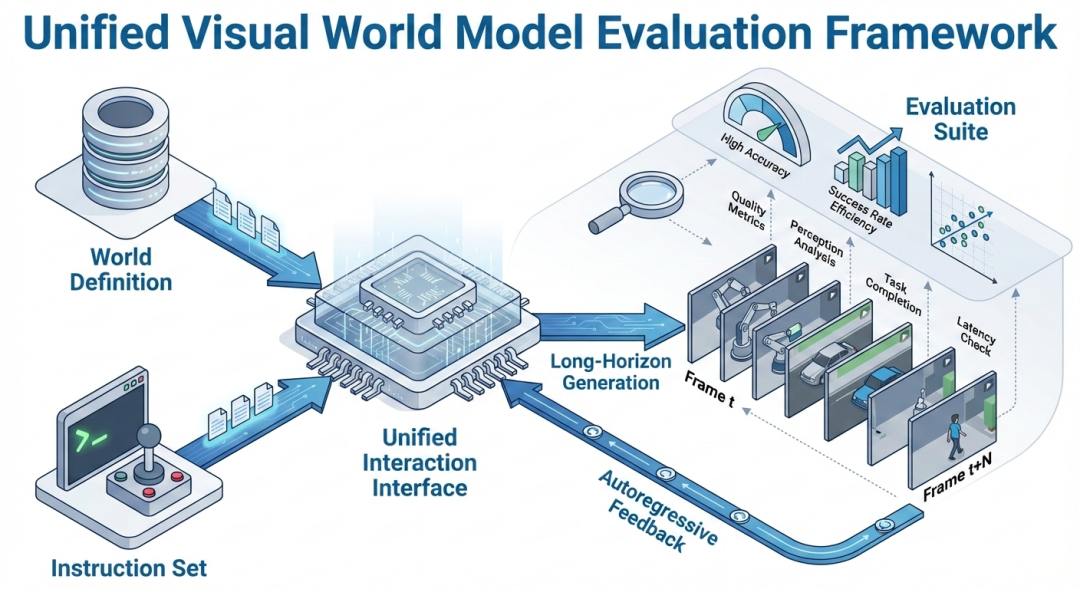
One of the core pillars of Meituan's research presented at ACL 2026 is the focus on large model evaluation and complex process reasoning. As large language models (LLMs) become more integrated into commercial and technical workflows, the ability to accurately assess their performance becomes paramount. Meituan's research into evaluation suggests a move toward more rigorous and multi-dimensional metrics that go beyond basic accuracy.
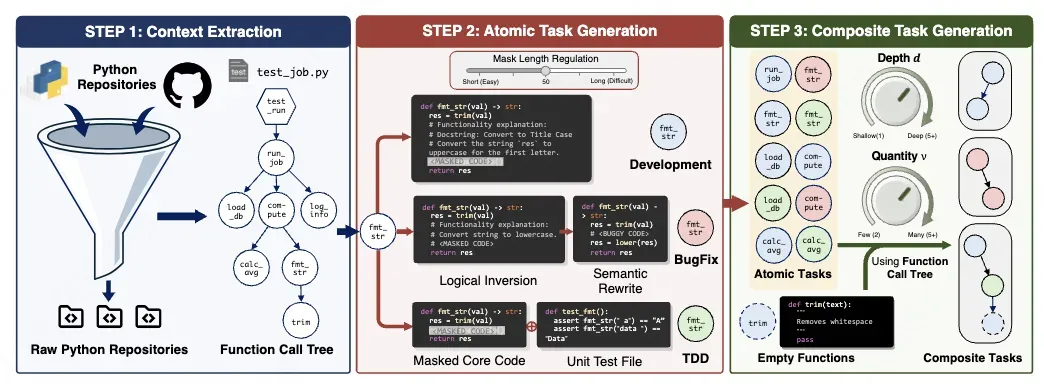
Parallel to evaluation is the challenge of complex process reasoning. This area involves teaching models to handle multi-step tasks that require a high degree of logical consistency. By focusing on these two areas, the research aims to ensure that generative models are not only capable of producing human-like text but are also reliable enough to follow intricate instructions and maintain logical integrity throughout a process. This is essential for applications where a single error in a reasoning chain can lead to a complete failure of the task.
Optimization through Mathematics and Reinforcement Learning
Meituan's technical team has also delved into the optimization of competition-level mathematical thinking and reinforcement learning (RL). Mathematical reasoning is often considered a benchmark for the highest levels of AI logic. By optimizing for competition-level math, the research pushes the boundaries of how models handle abstract concepts and structured problem-solving.
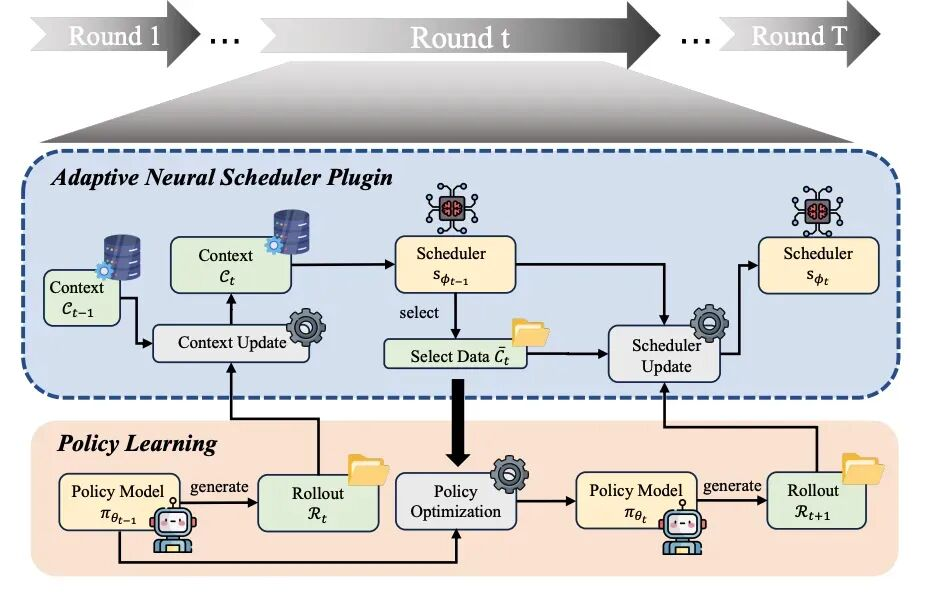
Furthermore, the focus on reinforcement learning optimization indicates a commitment to refining how models learn from feedback. Reinforcement learning is a critical component in aligning AI behavior with human expectations and optimizing performance in dynamic environments. The integration of these optimization techniques suggests a shift toward models that are more efficient, more logical, and better able to adapt to specific, high-difficulty domains. This "optimization-first" approach is a key component of the new generative paradigm Meituan is advocating.
The Evolution of Generative Recommendation Systems
Another significant area of exploration is generative recommendation. Traditional recommendation systems often rely on discriminative models to predict user preferences. However, Meituan's research explores the potential of generative models to transform this field. Generative recommendation systems can potentially offer more personalized, context-aware, and interactive experiences by generating recommendations in a more natural and fluid manner. This shift represents a major change in how users interact with platforms, moving from static lists to dynamic, AI-driven suggestions that can explain their reasoning or adapt in real-time to user input. This direction highlights the practical application of Meituan's theoretical research in enhancing user engagement and service quality.
Industry Impact
The acceptance of these six papers at ACL 2026 signifies a major contribution to the global AI and NLP landscape. For the industry, Meituan's focus on evaluation and reasoning addresses the growing need for "trustworthy AI." As companies look to deploy LLMs in critical infrastructure, the methodologies for testing and ensuring logical reasoning will become industry standards.
Moreover, the work on mathematical optimization and reinforcement learning provides a blueprint for developing more specialized and high-performing models. This could lead to a reduction in the computational resources required to achieve high-level reasoning, making advanced AI more accessible. Finally, the move toward generative recommendation systems could redefine the user experience in e-commerce and digital services, setting a new benchmark for how AI-driven platforms operate. Collectively, these advancements push the NLP field toward a more mature, structured, and application-oriented future.
Frequently Asked Questions
Question: What is the significance of ACL in the AI research community?
ACL (Association for Computational Linguistics) is one of the most prestigious international academic conferences in the fields of natural language processing and computational linguistics. Being accepted at ACL is a mark of high-quality, innovative research that has undergone rigorous peer review by global experts.
Question: What are the main technical directions covered by Meituan's ACL 2026 papers?
Meituan's research covers five key areas: large model evaluation, complex process reasoning, competition-level mathematical thinking optimization, reinforcement learning optimization, and generative recommendation systems.
Question: How does "generative recommendation" differ from traditional recommendation systems?
While traditional systems typically rank or predict items based on historical data, generative recommendation uses generative AI to create more interactive, contextually rich, and personalized suggestions, often allowing for a more conversational or explanatory interface between the system and the user.