Meituan Open Sources AIGC Poster Generation Technology Featuring a Complete Technical Closed Loop for Intelligent Creation
Meituan's Intelligent Creation Team has officially announced the development and open-sourcing of a comprehensive technical system for AIGC (Artificial Intelligence Generated Content) poster generation. The framework is built upon a sophisticated "generation-editing-evaluation" technical closed loop, designed to streamline the entire creative workflow from initial conception to final quality assessment. Currently, this technology has been successfully implemented within Meituan's core business sectors, specifically Meituan Waimai (food delivery) and brand IP development scenarios. By making the entire technical system open-source, Meituan aims to contribute to the broader AI community and provide robust tools for automated visual content creation. This move highlights Meituan's commitment to integrating advanced AI into practical industrial applications while fostering an open collaborative environment for technical innovation in the field of intelligent design.
Key Takeaways
- Comprehensive Technical System: Meituan has established a full-stack AIGC architecture specifically optimized for the automated generation of promotional posters.
- Technical Closed Loop: The system operates on a unique "generation-editing-evaluation" cycle, ensuring that AI-generated content is not only created but also refined and quality-checked.
- Real-World Application: The technology is already in active use within Meituan Waimai and various brand IP scenarios, proving its industrial viability.
- Open Source Commitment: Meituan has fully open-sourced this technical system, allowing the global developer community to access and build upon their AIGC innovations.
In-Depth Analysis
The "Generation-Editing-Evaluation" Technical Closed Loop
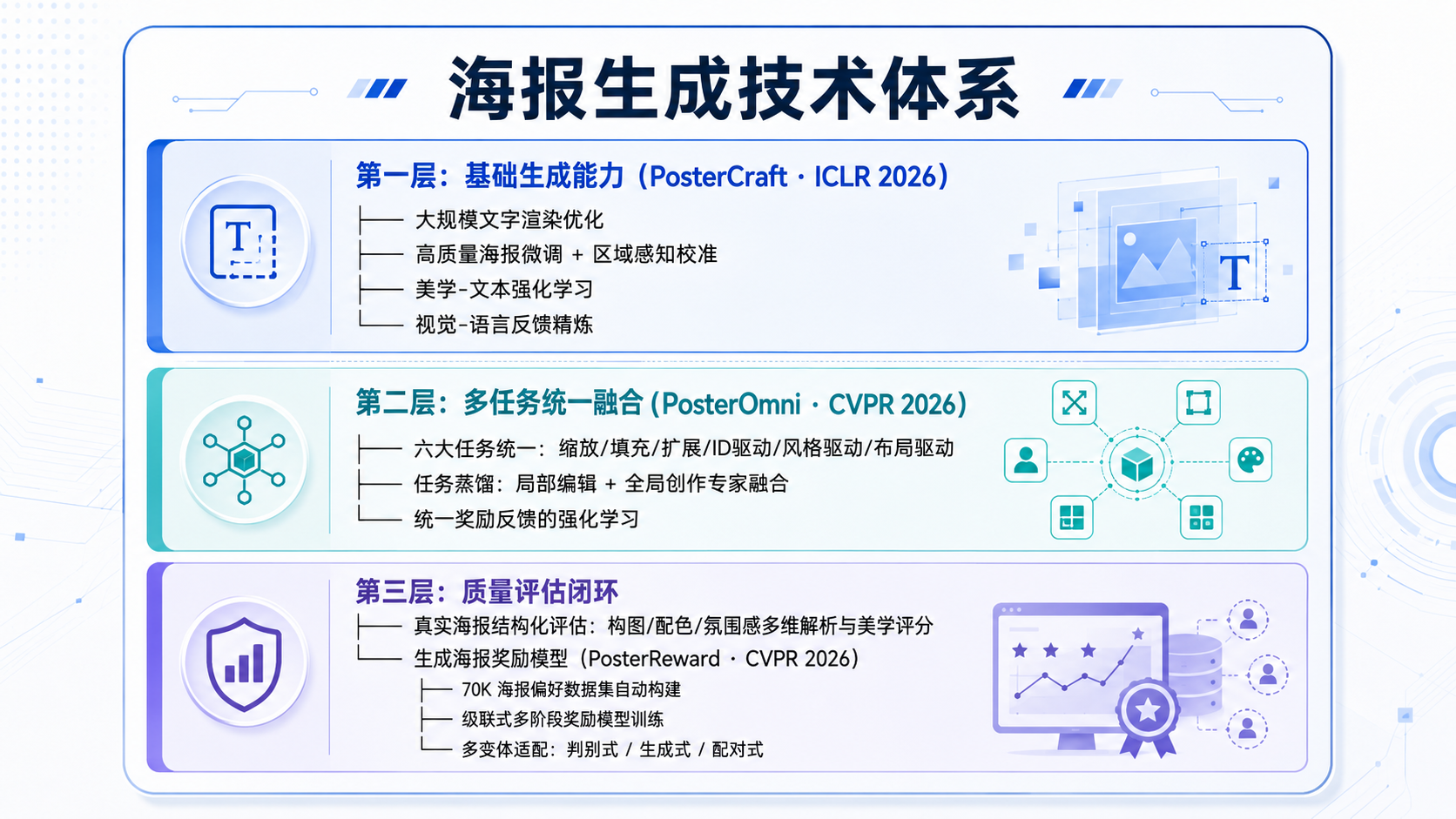
The core of Meituan's innovation lies in its structured approach to AIGC, which moves beyond simple content generation to a more holistic "closed loop" methodology. This system is divided into three critical phases: generation, editing, and evaluation.
In the generation phase, the system utilizes AIGC models to produce initial poster designs based on specific parameters or creative briefs. However, recognizing that raw AI output often requires fine-tuning for commercial use, Meituan integrated an editing component. This allows for the adjustment of elements within the generated posters, ensuring they align with specific brand guidelines or promotional requirements. The final and perhaps most crucial stage is evaluation. By incorporating an automated evaluation mechanism, the system can judge the quality, aesthetic appeal, and compliance of the posters before they are deployed. This closed loop ensures a high standard of output and reduces the need for manual intervention, significantly increasing the efficiency of the creative process.
Practical Deployment in Meituan Waimai and Brand IP
Meituan's AIGC poster technology is not merely a theoretical exercise; it is a functional tool currently driving value in high-traffic scenarios. The application in Meituan Waimai suggests that the system is capable of handling diverse and high-volume content needs, such as merchant promotions and seasonal food delivery campaigns. In these contexts, the ability to rapidly generate and iterate on visual assets is vital for maintaining user engagement and supporting merchant marketing efforts.
Furthermore, the application in brand IP scenarios indicates the system's versatility in handling more complex creative tasks that require consistency with established brand identities. By automating the production of IP-related posters, Meituan can maintain a cohesive visual language across various platforms while drastically reducing the time and resources typically required for professional graphic design. The successful landing of this technology in these specific areas demonstrates its readiness for large-scale industrial use.
Industry Impact
The decision by Meituan to open-source its AIGC poster generation system marks a significant milestone in the AI industry. By sharing a complete "generation-editing-evaluation" framework, Meituan provides a blueprint for other organizations looking to implement AIGC in professional workflows. This transparency helps lower the barrier to entry for smaller enterprises and independent developers who may lack the resources to build such complex systems from scratch.
Moreover, this move signals a shift in the AI landscape from focusing solely on model generation to focusing on the entire lifecycle of content production. The emphasis on "editing" and "evaluation" addresses common pain points in the industry, such as the lack of control over AI outputs and the difficulty of maintaining quality at scale. As more companies adopt and contribute to this open-source framework, it is likely to accelerate the standardization of AIGC tools in the marketing and design sectors, leading to more efficient and creative digital ecosystems.
Frequently Asked Questions
Question: What are the three main components of Meituan's AIGC poster system?
The system is built on a technical closed loop consisting of three stages: Generation (creating the initial design), Editing (refining and adjusting the content), and Evaluation (assessing the quality and suitability of the final product).
Question: In which specific business areas has Meituan applied this technology?
Meituan has successfully implemented the AIGC poster generation system in its food delivery service, Meituan Waimai, as well as in various brand IP (Intellectual Property) development scenarios.
Question: Is the Meituan AIGC poster generation technology available to the public?
Yes, the Meituan Intelligent Creation Team has fully open-sourced the technical system, making it available for the developer community to use and study.