Meituan Fulfillment AI Team Showcases LLM-Based Agent Technology and ACL 2026 Research Breakthroughs
Meituan's Fulfillment AI Algorithm Team is advancing the integration of Large Language Model (LLM) Agent systems into its core business operations. By focusing on a self-evolving Agent operating system, the team leverages cutting-edge techniques such as Continuous Pre-Training (CPT), Post-training, Agentic Reinforcement Learning (RL), and multi-modal understanding. Their research has gained significant international recognition, with dozens of papers published at top-tier AI conferences including ACL and EMNLP. This latest technical session highlights their contributions to ACL 2026, demonstrating how AI-driven agents are being utilized to optimize fulfillment services. The team's work represents a major step in applying theoretical AI research to solve real-world logistics and operational challenges through autonomous, evolving systems.
Key Takeaways
- Agent-Centric Architecture: Meituan is building a comprehensive Agent technology system based on Large Language Models (LLMs) to drive its fulfillment business.
- Self-Evolving Systems: A primary goal of the research is the creation of a self-evolving operating system that allows AI agents to improve through operational experience.
- Core Technical Focus: The team is specializing in Continuous Pre-Training (CPT), Post-training, Agentic Reinforcement Learning (RL), and multi-modal understanding.
- Academic Excellence: The fulfillment AI team has published dozens of high-quality papers in premier venues such as ACL and EMNLP, showcasing their leadership in the field.
In-Depth Analysis
Building Self-Evolving Agent Systems for Fulfillment
Meituan's Business Development Platform and Fulfillment AI Algorithm Team have pivoted toward a strategy that centers on Agent technology. Unlike static models, the Agent system described is designed to be "self-evolving." In the context of Meituan's fulfillment business—which involves complex logistics, delivery coordination, and real-time decision-making—a self-evolving system suggests an AI framework that can learn from the vast amounts of data generated during daily operations. By leveraging LLMs as the cognitive core, these agents are tasked with empowering the fulfillment process, potentially automating intricate workflows that previously required manual intervention or rigid algorithmic rules.
The transition to an Agent-based operating system represents a shift from simple automation to autonomous intelligence. This system is not merely executing tasks but is designed to function as an integrated part of the business infrastructure, where the AI can adapt its strategies based on the evolving needs of the fulfillment ecosystem. This approach ensures that the technology remains relevant and increasingly efficient as the scale of the business grows.
Technical Pillars: CPT, Agentic RL, and Multi-modal Understanding
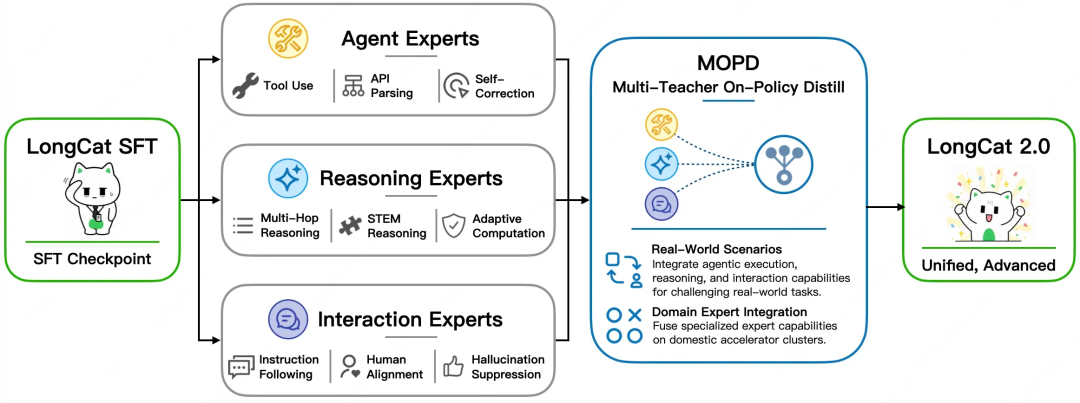
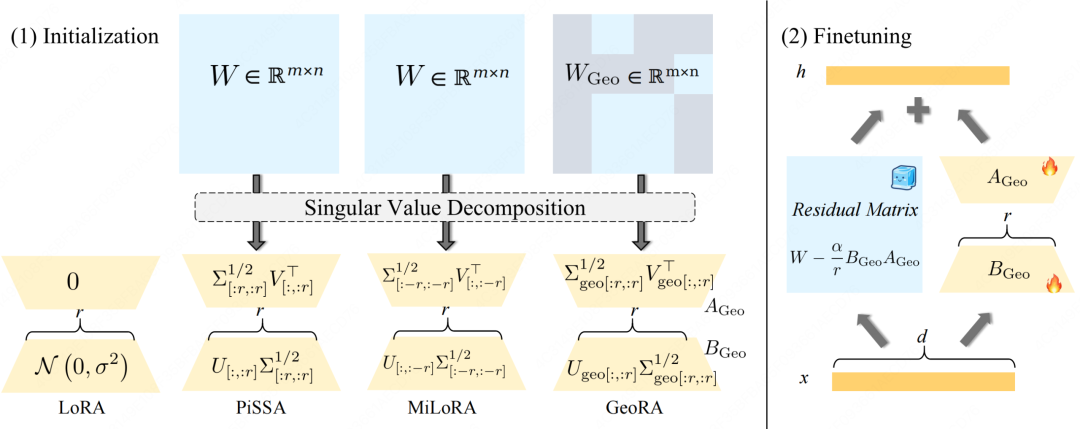
The technical foundation of Meituan's Agent system rests on several sophisticated AI methodologies. Continuous Pre-Training (CPT) is utilized to ensure that the underlying models are consistently updated with domain-specific knowledge relevant to the fulfillment industry. This is complemented by Post-training techniques that refine the models for specific operational tasks, ensuring high precision in execution.
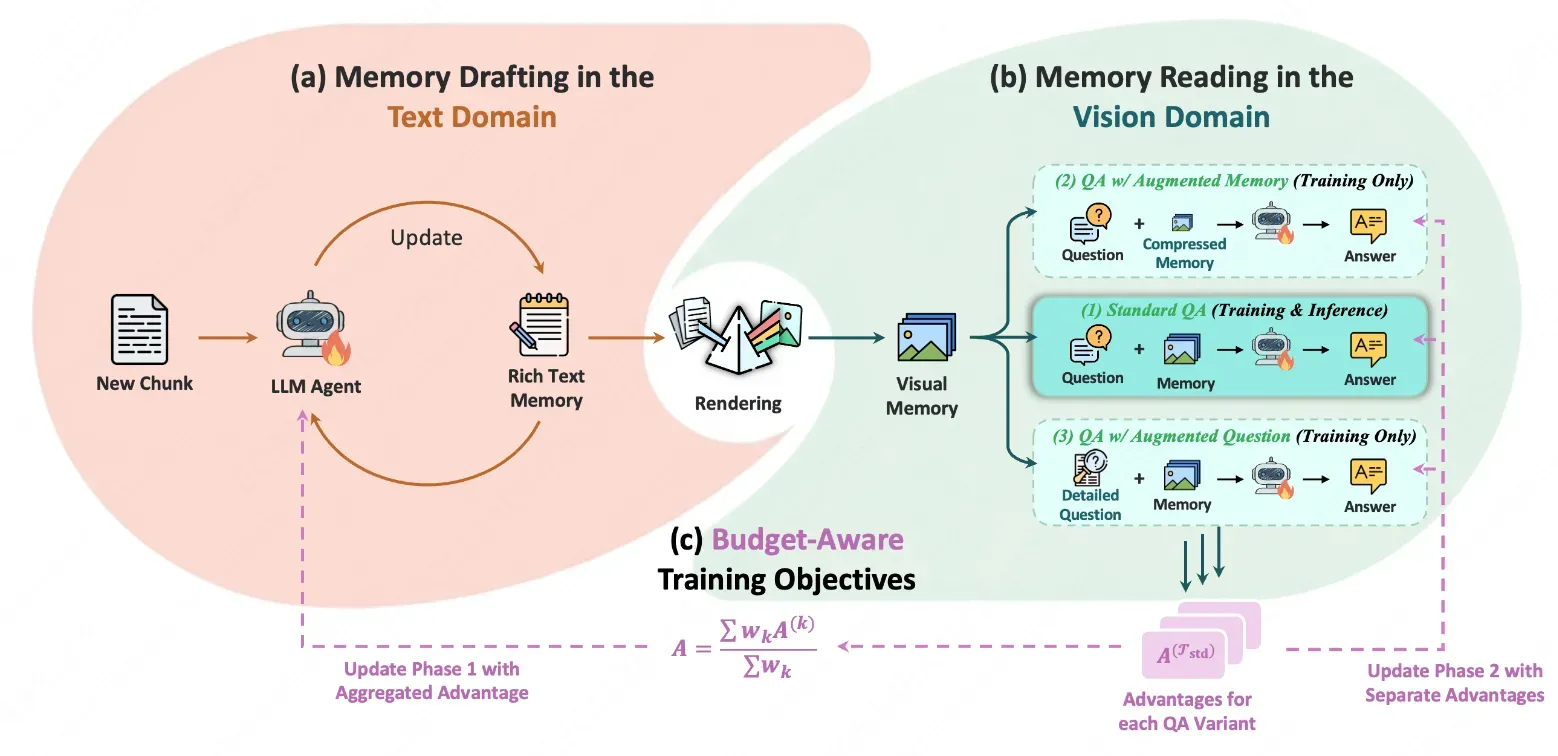
Furthermore, the team is heavily invested in Agentic Reinforcement Learning (RL). This is a critical component for agents that must operate in dynamic environments, as it allows the AI to learn optimal policies through trial and error and feedback loops within the fulfillment cycle. Coupled with multi-modal understanding, the agents are capable of processing not just text, but various forms of data inputs, which is essential for understanding the physical and spatial complexities inherent in delivery and logistics. These combined technologies form a robust framework for creating agents that are both intelligent and practically capable in a real-world business setting.
Industry Impact
The work presented by Meituan's fulfillment team has significant implications for both the AI research community and the broader industry. By successfully publishing dozens of papers at top-tier conferences like ACL (Association for Computational Linguistics) and EMNLP (Empirical Methods in Natural Language Processing), Meituan is demonstrating that industrial AI teams can contribute as much to theoretical advancement as they do to practical application.
For the AI industry, Meituan’s focus on "Agentic RL" and "self-evolving systems" highlights the next major trend: the move from general-purpose LLMs to specialized, autonomous agents that manage specific business verticals. This research proves that LLMs can be more than just chatbots; they can serve as the backbone for complex, real-world operating systems. As fulfillment and logistics become increasingly data-driven, the integration of multi-modal understanding and continuous learning will likely become the standard for any large-scale service platform looking to maintain a competitive edge through AI.
Frequently Asked Questions
Question: What is the main objective of Meituan's Fulfillment AI team?
The team aims to build an Agent technology system based on Large Language Models to empower Meituan's fulfillment business and develop a self-evolving operating system that improves over time.
Question: Which specific AI technologies is Meituan focusing on for its Agent system?
Meituan is focusing on four core areas: Continuous Pre-Training (CPT), Post-training, Agentic Reinforcement Learning (RL), and multi-modal understanding.
Question: How has Meituan's research been recognized in the academic community?
The team has published dozens of high-quality research papers in leading international AI conferences, specifically mentioning ACL and EMNLP, and recently held a special session for ACL 2026 papers.