SpaceX Secures Massive Compute Deal with Reflection AI for Nvidia GB300 Access at Colossus 2 Data Center
Reflection AI, an open-source AI laboratory, has entered into a significant compute agreement with SpaceX. Starting July 1, 2026, Reflection AI will pay $150 million monthly through 2029 to gain immediate access to Nvidia's cutting-edge GB300 AI chips. This infrastructure is hosted at SpaceX's Colossus 2 data center located near Memphis, Tennessee. The deal highlights the growing demand for high-performance computing resources and the strategic role SpaceX is playing in the AI hardware landscape. By securing this multi-year partnership, Reflection AI ensures it has the necessary hardware to advance its open-source initiatives using the latest generation of Nvidia's AI processing technology, marking a major milestone in the commercialization of SpaceX's data center capabilities.
Key Takeaways
- Substantial Financial Commitment: Reflection AI will pay $150 million per month to SpaceX starting July 1, 2026.
- Long-term Partnership: The agreement is set to run through 2029, ensuring multi-year access to high-end compute resources.
- Cutting-edge Hardware: The deal provides immediate access to Nvidia's latest GB300 AI chips and supporting hardware.
- Strategic Location: Compute operations will be centered at SpaceX's Colossus 2 data center located near Memphis, Tennessee.
In-Depth Analysis
The Financial and Strategic Scale of the Agreement
The partnership between SpaceX and Reflection AI represents one of the most significant compute-as-a-service deals in the current AI landscape. With a monthly price tag of $150 million, the total value of the contract from July 2026 through the end of 2029 is estimated to exceed $6 billion. This level of investment by Reflection AI, an open-source AI lab, underscores the extreme capital requirements currently necessary to remain competitive in the field of large-scale model training and inference. By securing this deal, Reflection AI is effectively bypassing the traditional cloud provider queue, gaining "immediate access" to the hardware required for their next generation of open-source projects.
For SpaceX, this deal signals a robust expansion of its business model beyond aerospace and satellite communications. By leveraging its Colossus 2 data center near Memphis, Tennessee, SpaceX is positioning itself as a major landlord and provider for the AI industry. The ability to host and manage Nvidia’s latest GB300 chips at scale suggests that SpaceX has developed the necessary power and cooling infrastructure to support the most demanding AI workloads currently available on the market.
Infrastructure and Technical Specifications
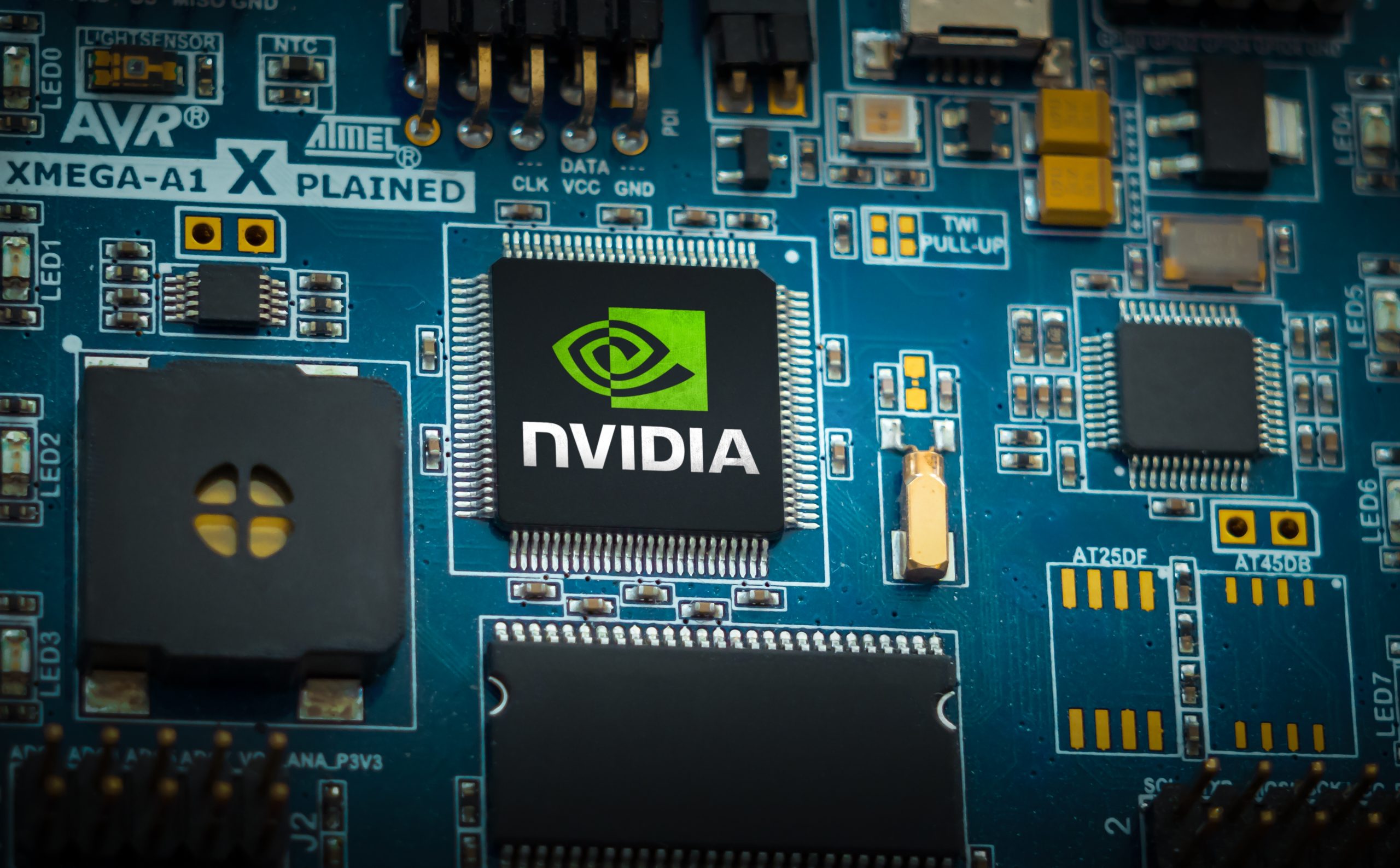
The core of this agreement revolves around Nvidia's GB300 AI chips. As the latest iteration of Nvidia's high-performance computing architecture, the GB300 represents the pinnacle of AI processing power. The "immediate access" clause in the contract is particularly noteworthy, as global demand for high-end GPUs often leads to significant lead times and supply chain bottlenecks. Reflection AI’s willingness to pay a premium ensures that they are at the front of the line for these resources.
The choice of the Colossus 2 data center in Memphis is also significant. Data centers of this magnitude require massive electrical grids and advanced thermal management systems. The fact that SpaceX is utilizing this specific facility for a multi-billion dollar compute deal suggests that the Memphis site has become a primary hub for SpaceX's burgeoning AI infrastructure business. The supporting hardware mentioned in the deal likely includes high-speed networking and storage solutions optimized for the GB300 clusters, providing a turnkey environment for Reflection AI to deploy its models.
Industry Impact
This deal has profound implications for the AI industry, particularly regarding the relationship between hardware providers and AI researchers. First, it establishes SpaceX as a formidable competitor in the specialized AI cloud market, challenging established players by offering direct access to the latest Nvidia hardware in dedicated facilities. The scale of the Colossus 2 project suggests that SpaceX is betting heavily on the continued growth of AI compute demand.
Second, the deal highlights a shift in how open-source AI labs operate. Traditionally, open-source projects have relied on distributed computing or smaller grants. Reflection AI’s multi-billion dollar commitment shows that open-source AI is entering a "big iron" phase, where the ability to compete with proprietary models requires infrastructure parity with the world’s largest tech companies. This could set a precedent for other AI labs to seek similar dedicated hardware partnerships to ensure their research remains at the cutting edge of the industry.
Frequently Asked Questions
Question: How much will Reflection AI pay SpaceX for the compute access?
Reflection AI will pay $150 million per month starting July 1, 2026. The agreement is scheduled to last through 2029.
Question: What specific hardware is included in the SpaceX-Reflection AI deal?
The deal provides access to Nvidia's latest GB300 AI chips along with the necessary supporting hardware required for high-performance AI tasks.
Question: Where is the data center located for this partnership?
The compute resources are located at SpaceX's Colossus 2 data center, which is situated near Memphis, Tennessee.