Microsoft Launches AI Agents for Beginners: A Comprehensive 12-Lesson Curriculum for Aspiring Developers
Microsoft has released a new educational resource titled 'AI Agents for Beginners' on GitHub, designed to provide a structured learning path for individuals interested in building autonomous AI systems. The curriculum consists of 12 comprehensive lessons that guide users through the fundamental concepts and practical steps of developing AI agents. As the demand for agentic workflows grows within the technology sector, this open-source initiative aims to lower the barrier to entry for developers. The repository includes visual guides and instructional materials, positioning it as a foundational starting point for those looking to transition from basic AI integration to creating sophisticated, goal-oriented agents using modern development frameworks.
Key Takeaways
- Structured Learning Path: A dedicated 12-lesson curriculum designed specifically for beginners to master AI agent development.
- Microsoft-Backed Initiative: Developed and hosted by Microsoft, ensuring high-quality educational standards and industry relevance.
- Open-Source Accessibility: The full course is available via GitHub, promoting community-driven learning and accessibility for global developers.
- Foundational Focus: Covers the essential building blocks required to start constructing functional AI agents from scratch.
In-Depth Analysis
A Comprehensive Curriculum for Agentic AI
The 'AI Agents for Beginners' repository by Microsoft represents a strategic move to formalize the education of autonomous system development. By breaking down the complex subject of AI agents into 12 distinct lessons, the curriculum provides a logical progression for learners. This structured approach is essential in a field that is rapidly evolving, as it allows developers to move beyond simple prompt engineering into the realm of creating agents capable of reasoning, planning, and executing tasks independently.
Bridging the Knowledge Gap in AI Development
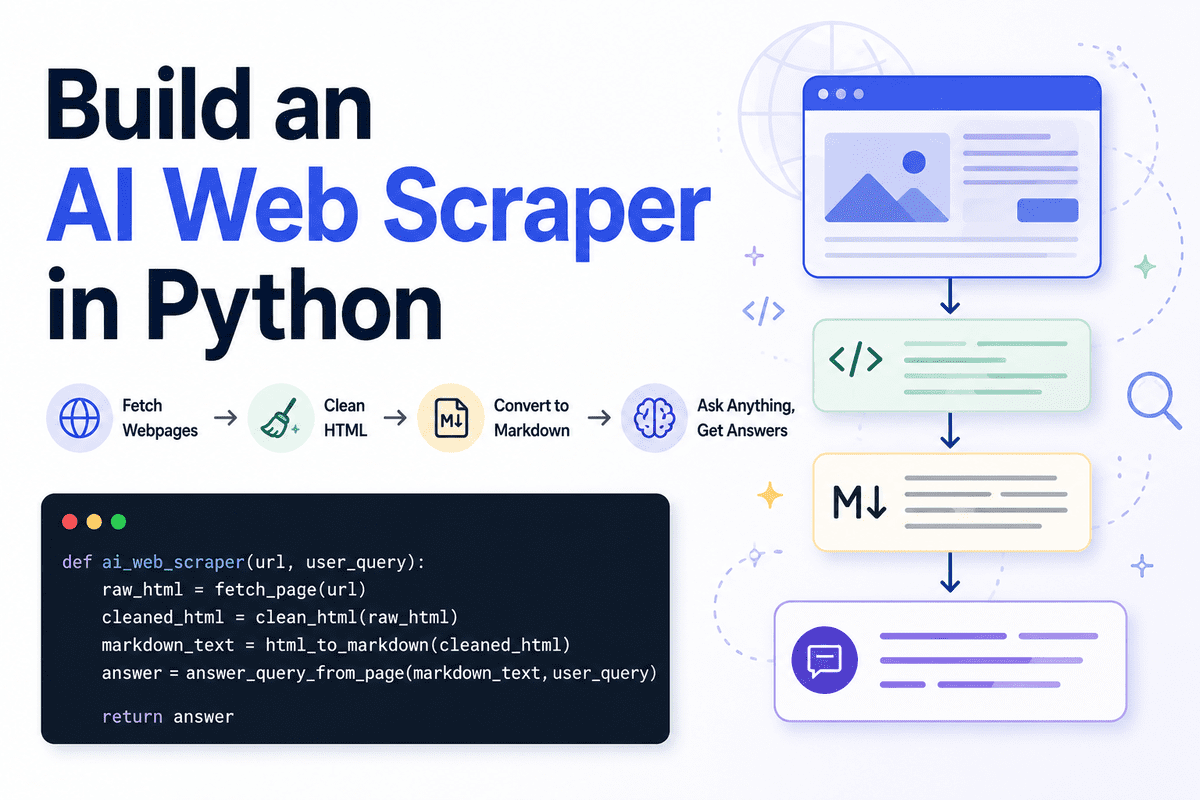
As AI technology shifts from passive chatbots to active agents, there is a significant need for educational resources that explain the underlying architecture of these systems. Microsoft's initiative addresses this gap by providing clear, beginner-friendly content. The inclusion of visual assets, such as the repository thumbnail and instructional images, suggests a focus on multi-modal learning, making the technical concepts of agent loops, tool usage, and memory management more digestible for those new to the field.
Industry Impact
The release of this curriculum is significant for the AI industry as it standardizes the entry point for agent development. By providing a free, high-quality roadmap, Microsoft is likely to accelerate the adoption of agentic workflows across various sectors. This move not only strengthens the ecosystem around Microsoft's AI tools but also empowers a new generation of developers to build applications that can operate with higher levels of autonomy, potentially leading to a surge in innovative AI-driven products and services.
Frequently Asked Questions
Question: How many lessons are included in the AI Agents for Beginners course?
There are a total of 12 lessons included in the curriculum, designed to take a learner from the basics to building their own AI agents.
Question: Who is the primary audience for this GitHub repository?
The course is specifically tailored for beginners who are looking to start building AI agents and need a structured educational framework.
Question: Is this course free to access?
Yes, the curriculum is hosted on GitHub by Microsoft as an open-source resource, making it freely available to the public.