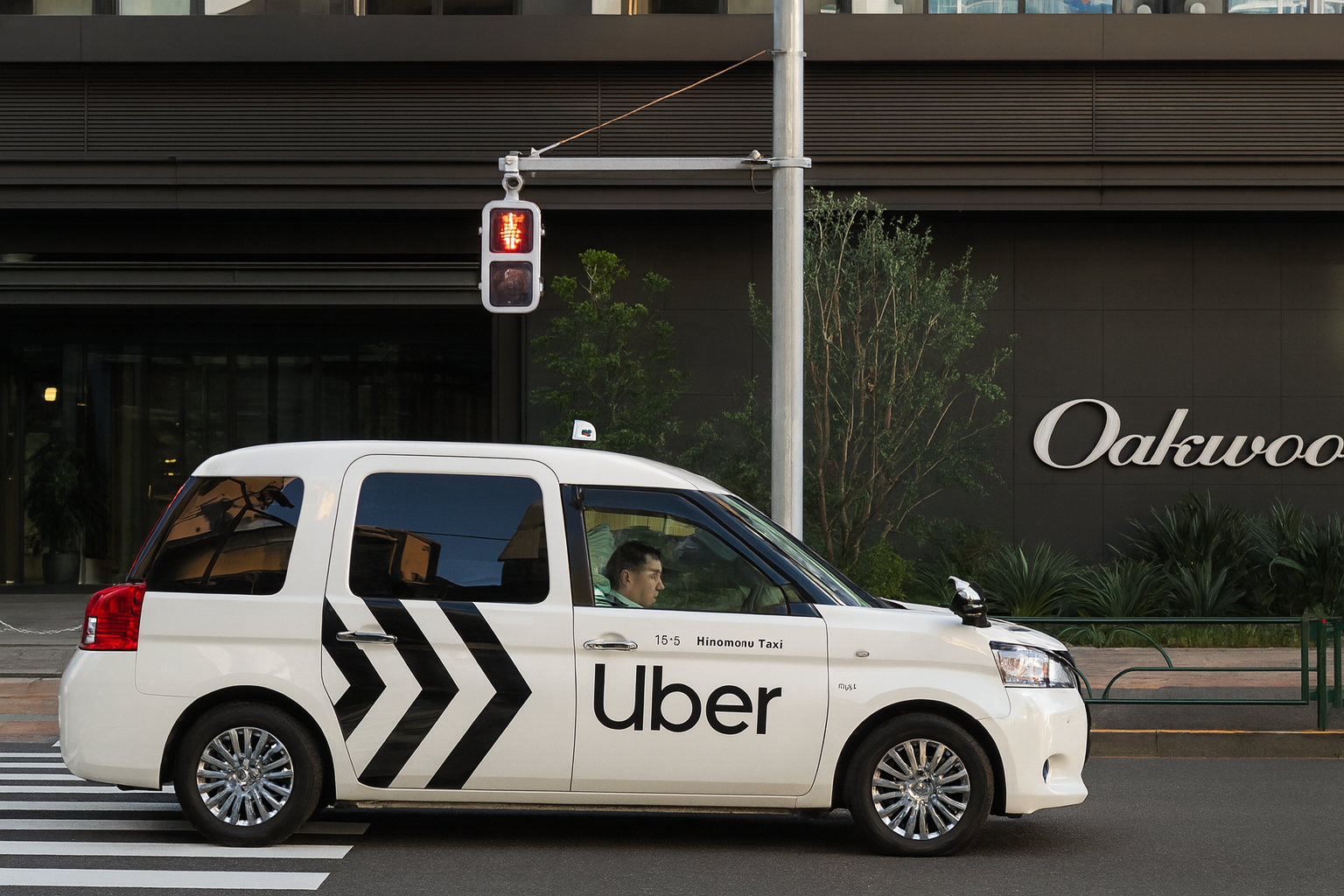
Uber and Nuro Launch Robotaxi Testing in San Francisco Following Strategic Investment Rounds
Uber and Nuro have officially commenced testing for robotaxi rides in San Francisco, marking a significant milestone in their autonomous vehicle partnership. This development follows a series of strategic financial moves by Uber, including a US$300 million investment in Lucid in July 2025 and a separate, undisclosed investment in Nuro valued at hundreds of millions of dollars. The collaboration aims to integrate Nuro's autonomous technology into Uber's ride-hailing ecosystem. While specific technical details of the San Francisco pilot remain limited to the testing phase, the financial backing underscores Uber's commitment to diversifying its autonomous vehicle portfolio through high-value partnerships with specialized EV and robotics manufacturers.
Key Takeaways
- Uber has initiated robotaxi ride testing in San Francisco in collaboration with Nuro.
- The move follows a US$300 million investment by Uber into Lucid in July 2025.
- Uber has also committed an undisclosed sum, worth hundreds of millions of dollars, specifically to Nuro.
- The testing phase represents a practical application of Uber’s multi-million dollar investments in autonomous and electric vehicle technology.
In-Depth Analysis
Strategic Financial Backing
The testing of robotaxis in San Francisco is the culmination of significant capital allocation by Uber. In July 2025, Uber solidified its position in the future of mobility by investing US$300 million in Lucid. This was followed by a substantial, though undisclosed, investment in Nuro. These financial commitments, totaling hundreds of millions of dollars, indicate a shift in Uber's strategy toward fostering deep partnerships with hardware and autonomous software providers rather than relying solely on in-house development.
San Francisco Testing Operations
The deployment of Nuro-powered robotaxis on the streets of San Francisco serves as a critical testing ground for the partnership. By utilizing one of the most complex urban environments for autonomous driving, Uber and Nuro are evaluating the integration of Nuro’s technology within the Uber platform. This phase is essential for validating the safety and efficiency of the vehicles before any potential wider commercial rollout. The collaboration leverages Nuro's specialized robotics expertise alongside Uber's massive ride-hailing network.
Industry Impact
This partnership signals a consolidating trend in the autonomous vehicle (AV) sector, where ride-hailing giants provide the demand and scale while specialized robotics firms provide the technology. Uber’s dual investment strategy—backing both Lucid and Nuro—suggests a diversified approach to the EV and AV market. For the industry, this move highlights San Francisco's continued status as the primary hub for robotaxi innovation and suggests that large-scale capital injections are becoming the prerequisite for entering the competitive autonomous ride-sharing space.
Frequently Asked Questions
Question: How much has Uber invested in Nuro?
While the exact figure of the specific investment in Nuro remains undisclosed, it is confirmed to be worth hundreds of millions of dollars, separate from Uber's US$300 million investment in Lucid.
Question: Where is the Uber and Nuro robotaxi testing taking place?
The current testing phase for the robotaxi rides is being conducted in San Francisco.
Question: When did Uber's investment in Lucid occur?
Uber invested US$300 million in Lucid in July 2025 as part of its broader strategy to support autonomous and electric vehicle infrastructure.