Nvidia Denies Rumors of PC Maker Acquisition Following Market Surge for Dell and HP Shares
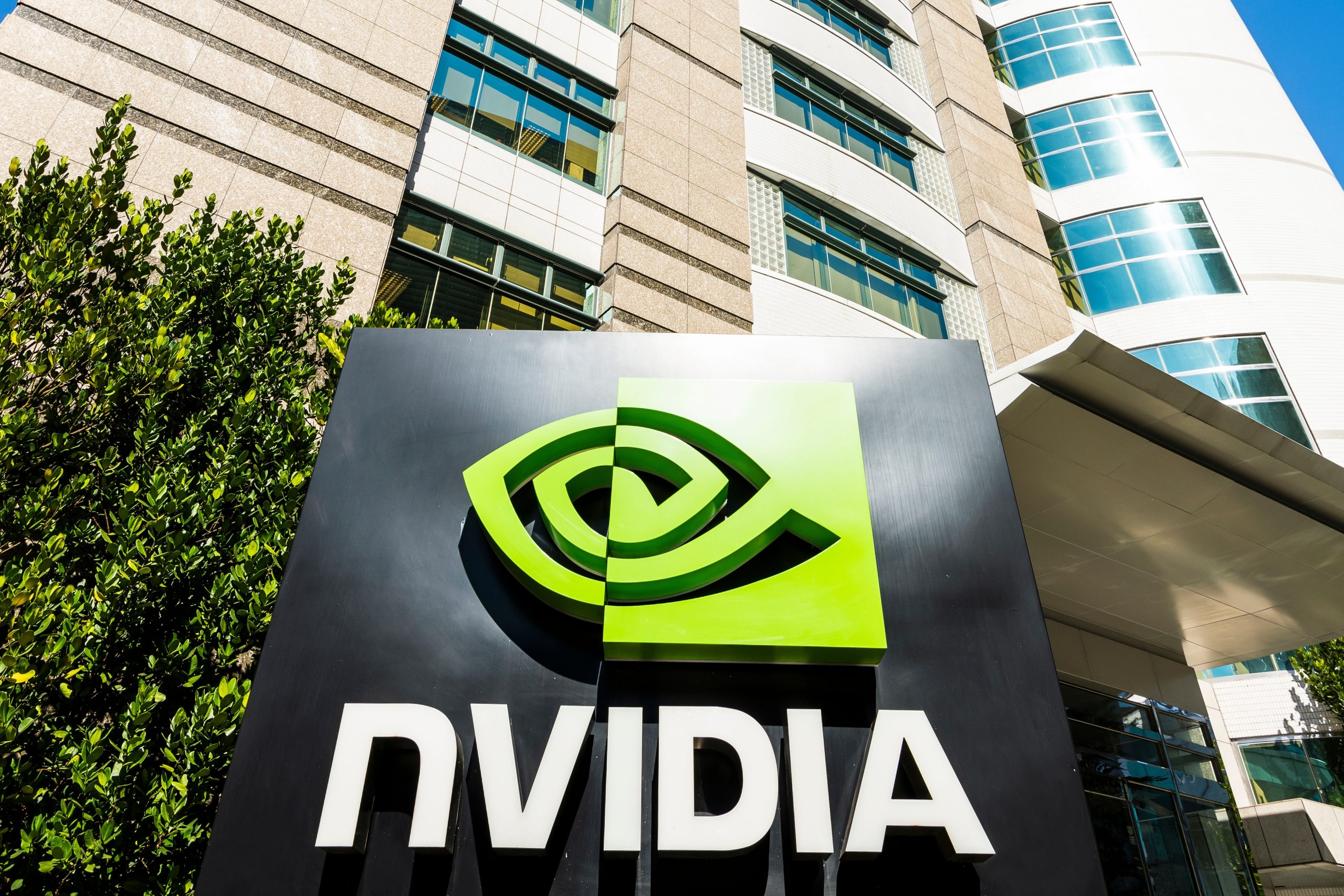
Nvidia has officially addressed and refuted market rumors suggesting the company was in talks to acquire a major PC manufacturer. The speculation had previously triggered a notable rise in the share prices of industry leaders Dell and HP. However, a spokesperson for Nvidia clarified to Bloomberg that the semiconductor giant is not currently engaged in any discussions to purchase a PC maker. This statement aims to stabilize market expectations and clarify Nvidia's current strategic focus, which remains independent of direct hardware manufacturing in the PC sector. The denial comes at a time of heightened sensitivity regarding consolidation within the technology and AI hardware industries.
Key Takeaways
- Official Denial: Nvidia has explicitly stated it is not in talks to acquire any PC manufacturer.
- Market Impact: The initial rumors led to a temporary increase in the stock prices of Dell and HP.
- Source Confirmation: The clarification was provided by an Nvidia spokesperson via Bloomberg.
- Strategic Clarity: The statement puts an end to speculation regarding Nvidia's immediate expansion into direct PC brand ownership.
In-Depth Analysis
Clarifying the Acquisition Rumors
In a direct response to circulating market speculation, Nvidia has moved to clarify its position regarding potential mergers and acquisitions within the PC sector. The company's spokesperson told Bloomberg that Nvidia is not currently engaged in discussions to acquire any PC maker. This statement serves as a definitive rebuttal to rumors that had suggested a shift in Nvidia's business model toward vertical integration with hardware manufacturers. By addressing these claims directly, Nvidia aims to manage investor expectations and reduce market volatility based on unverified reports.
Market Reaction and Stock Performance
Prior to Nvidia's official denial, the rumors had a tangible impact on the financial markets, specifically benefiting major PC vendors. Shares of Dell and HP saw an upward movement as investors weighed the possibility of a high-profile acquisition by the world's leading AI chipmaker. Such rumors often trigger speculative buying in the tech sector, as an acquisition by Nvidia would represent a significant shift in the industry landscape. However, the subsequent denial by Nvidia provides a necessary correction to the market's trajectory, refocusing attention on the companies' independent operations.
Industry Impact
The denial of these acquisition rumors maintains the current status quo between semiconductor designers and hardware integrators. Had such a deal been in progress, it would have signaled a massive consolidation in the tech supply chain, potentially altering the competitive dynamics for other PC manufacturers and chip rivals. For the AI and computing industry, Nvidia’s choice to remain a supplier rather than a direct competitor in the PC brand space ensures that the existing ecosystem of partnerships with companies like Dell and HP remains stable. This clarity allows stakeholders to focus on actual product roadmaps rather than speculative structural changes.
Frequently Asked Questions
Question: Did Nvidia confirm any interest in buying Dell or HP?
No. An Nvidia spokesperson specifically told Bloomberg that the company is not engaged in discussions to acquire any PC maker, which includes major players like Dell and HP.
Question: How did the stock market react to the initial rumors?
The rumors caused a lift in the share prices of PC manufacturers, specifically Dell and HP, before Nvidia issued its formal denial.
Question: Who provided the official statement regarding the rumors?
The clarification was provided by an Nvidia spokesperson during a communication with Bloomberg.