Moonlake Unveils Causal World Models: A Multimodal and Interactive Approach with Chris Manning and Fan-yun Sun
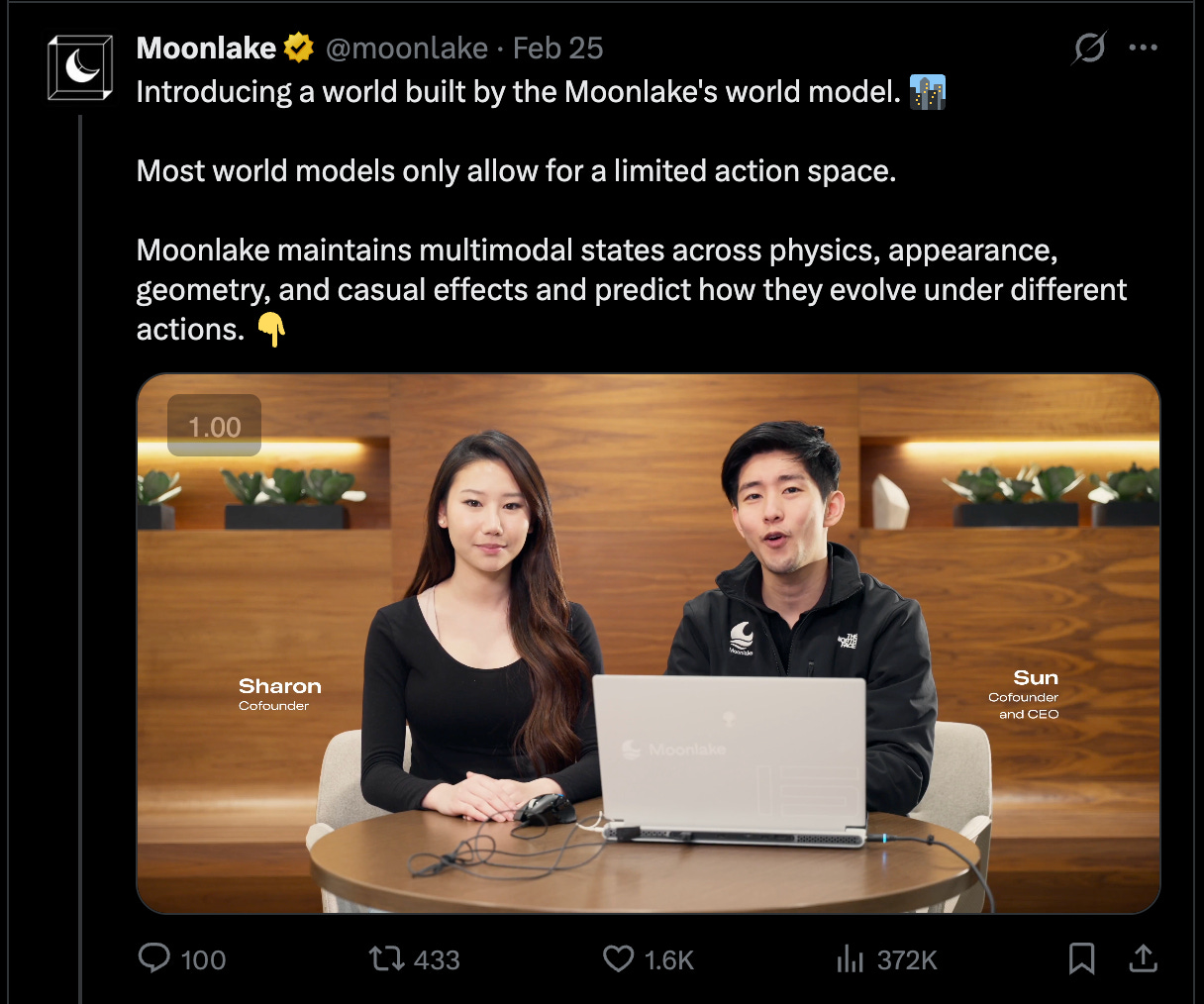
In a recent exploration of the evolving AI landscape, Latent Space highlights Moonlake, a pioneering approach to world models. Featuring insights from Chris Manning and Fan-yun Sun, the project emphasizes that causal world models must be multimodal, interactive, and efficient. The initiative focuses on long-running, multiplayer environments where world models are constructed using agents bootstrapped directly from game engines. This methodology represents a significant shift in how AI systems understand and interact with complex environments, moving beyond static data to dynamic, agent-driven simulations. By leveraging the robust frameworks of game engines, Moonlake aims to create more sophisticated and responsive AI architectures that can navigate and influence interactive digital spaces effectively.
Key Takeaways
- Multimodal Integration: Moonlake asserts that next-generation world models must integrate multiple modes of data to be truly effective.
- Interactive Environments: The approach focuses on long-running, multiplayer, and interactive world models rather than static simulations.
- Game Engine Bootstrapping: Agents within these models are developed and bootstrapped using existing game engine technologies.
- Efficiency and Causality: A core focus is placed on making these causal models both computationally efficient and functionally interactive.
In-Depth Analysis
The Shift Toward Interactive World Models
Moonlake, as discussed by Chris Manning and Fan-yun Sun, represents a strategic pivot in the development of AI world models. The core philosophy suggests that for a model to truly understand causality, it cannot remain a passive observer. Instead, it must be interactive and multimodal. By focusing on long-running and multiplayer scenarios, Moonlake seeks to replicate the complexity of real-world interactions within a digital framework. This approach ensures that the AI agents are not just processing information but are actively participating in a dynamic environment where their actions have consequences, thereby reinforcing the causal links within the model.
Bootstrapping Agents via Game Engines
A distinctive feature of the Moonlake methodology is the use of game engines to bootstrap AI agents. Game engines provide a rich, physics-based environment that is inherently designed for interaction and real-time feedback. By leveraging these existing frameworks, Moonlake can create sophisticated world models that are efficient and scalable. This method allows for the creation of multiplayer environments where multiple agents can interact simultaneously, providing a diverse set of data points and interaction patterns that are essential for training robust causal models. This synergy between gaming technology and AI research marks a new frontier in building efficient, large-scale simulations.
Industry Impact
The introduction of Moonlake's approach has significant implications for the AI industry, particularly in the realms of reinforcement learning and autonomous systems. By demonstrating that world models can be efficiently built using game engine-bootstrapped agents, Moonlake provides a blueprint for creating more complex and interactive AI environments. This could lead to breakthroughs in how AI understands cause-and-effect relationships, potentially reducing the data requirements for training by using more structured, interactive simulations. Furthermore, the emphasis on multimodality and efficiency addresses two of the biggest hurdles in current AI development, paving the way for more versatile and resource-conscious intelligent systems.
Frequently Asked Questions
Question: What makes Moonlake's world models different from traditional ones?
Moonlake focuses on making world models multimodal, interactive, and efficient. Unlike traditional models that might rely on static datasets, Moonlake utilizes long-running, multiplayer environments where agents are bootstrapped from game engines to ensure dynamic interaction and causal understanding.
Question: Who are the key contributors to this research?
The approach features insights and development from Chris Manning and Fan-yun Sun, as highlighted in the coverage by Latent Space.
Question: Why are game engines used in this process?
Game engines are used because they offer a ready-made, interactive, and physics-compliant environment. This allows researchers to bootstrap agents in a way that is computationally efficient while providing the necessary complexity for multiplayer and long-running simulations.