Baidu Apollo Go Secures Road Test Approval in Hong Kong with 20,000 Kilometers Logged
Hong Kong has officially approved road testing for Baidu’s autonomous driving unit, Apollo Go, marking a significant step for robotaxi operations in the region. According to recent reports, the Apollo Go fleet has already successfully logged 20,000 kilometers of travel within the city as of August. This development highlights the growing momentum of autonomous vehicle testing in major Asian financial hubs. While the original report mentions WeRide's interest in Hong Kong and Singapore, the confirmed data focuses on Baidu's established testing milestones. The approval signifies Hong Kong's commitment to integrating advanced AI-driven transportation solutions into its urban infrastructure, positioning the city as a competitive testing ground for leading autonomous driving technologies.
Key Takeaways
- Regulatory Approval: Hong Kong has officially granted road test permissions for Baidu’s Apollo Go autonomous driving fleet.
- Operational Milestone: As of August, Apollo Go has successfully logged 20,000 kilometers of road testing within Hong Kong.
- Regional Expansion: The move signifies a growing interest from major autonomous driving players in the Hong Kong and Singapore markets.
In-Depth Analysis
Baidu Apollo Go's Progress in Hong Kong
The autonomous driving landscape in Hong Kong has reached a new milestone with the formal approval of road tests for Baidu’s Apollo Go. This regulatory green light allows the tech giant to deploy its fleet for real-world data collection and system refinement in one of the world's most densely populated urban environments. By August, the fleet had already accumulated 20,000 kilometers of travel, demonstrating a consistent testing phase aimed at adapting autonomous software to the unique traffic conditions of the city.
Strategic Market Targeting
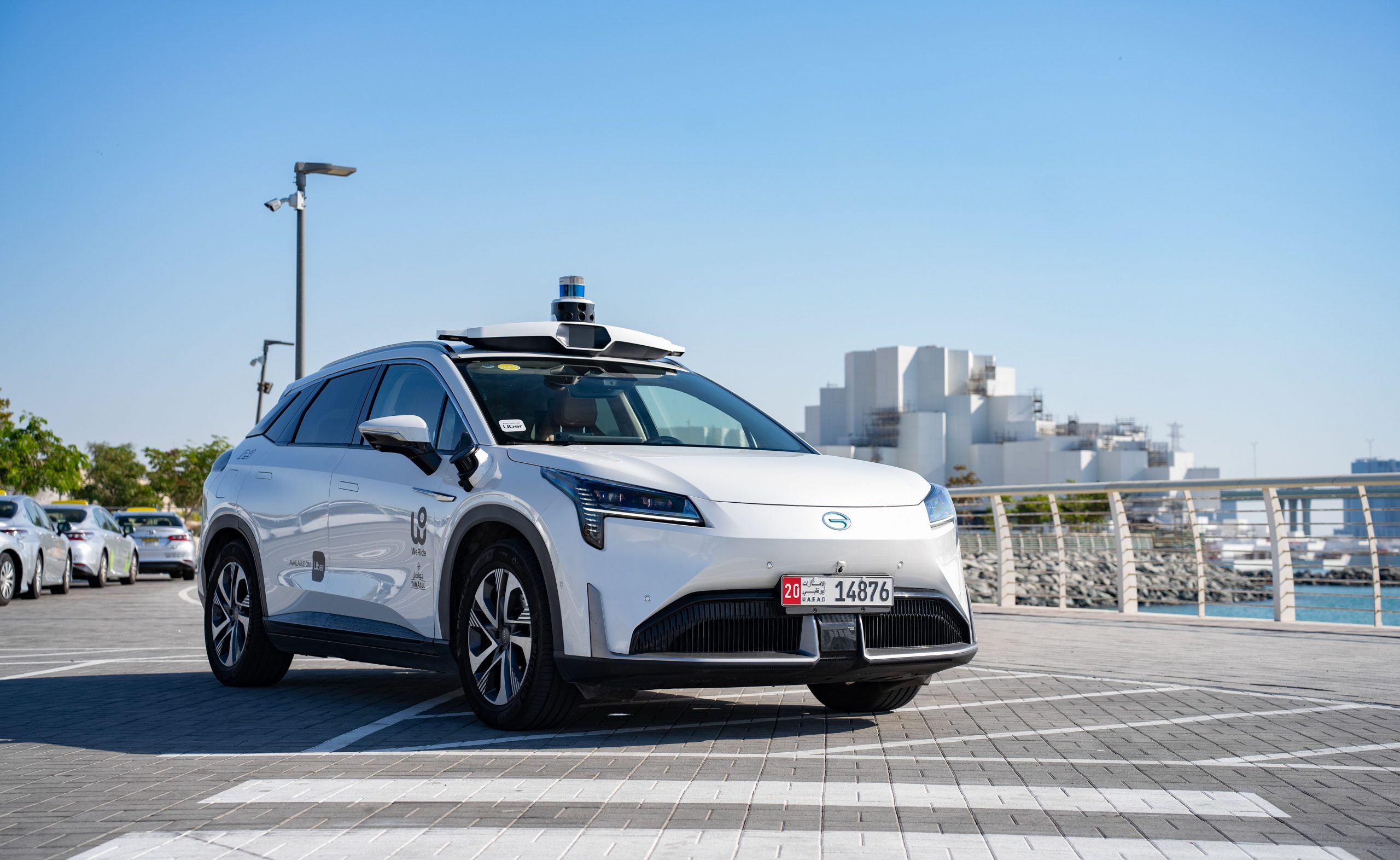
While the focus remains on current testing achievements, the broader context involves a strategic push into key Asian markets. The interest in regions like Hong Kong and Singapore reflects a trend where autonomous vehicle developers seek to prove their technology in complex, high-traffic international hubs. The successful logging of mileage by Apollo Go serves as a benchmark for other competitors, such as WeRide, who are also eyeing these territories for potential robotaxi deployments.
Industry Impact
The approval of Baidu’s testing in Hong Kong carries significant weight for the AI and autonomous vehicle industry. It validates the city's regulatory framework for self-driving cars, potentially paving the way for more rapid commercialization of robotaxis in the region. Furthermore, the data gathered from 20,000 kilometers of urban driving provides critical insights into how AI models handle high-density traffic, narrow streets, and diverse weather conditions, which are essential for the global scaling of autonomous transportation solutions.
Frequently Asked Questions
Question: How many kilometers has Baidu Apollo Go logged in Hong Kong?
As of August, the Apollo Go fleet has logged a total of 20,000 kilometers during its testing phase in Hong Kong.
Question: Which other companies are targeting the Hong Kong and Singapore markets for robotaxis?
According to the report, WeRide is also targeting Hong Kong and Singapore for its robotaxi operations, following the regulatory path established by early testers like Baidu.