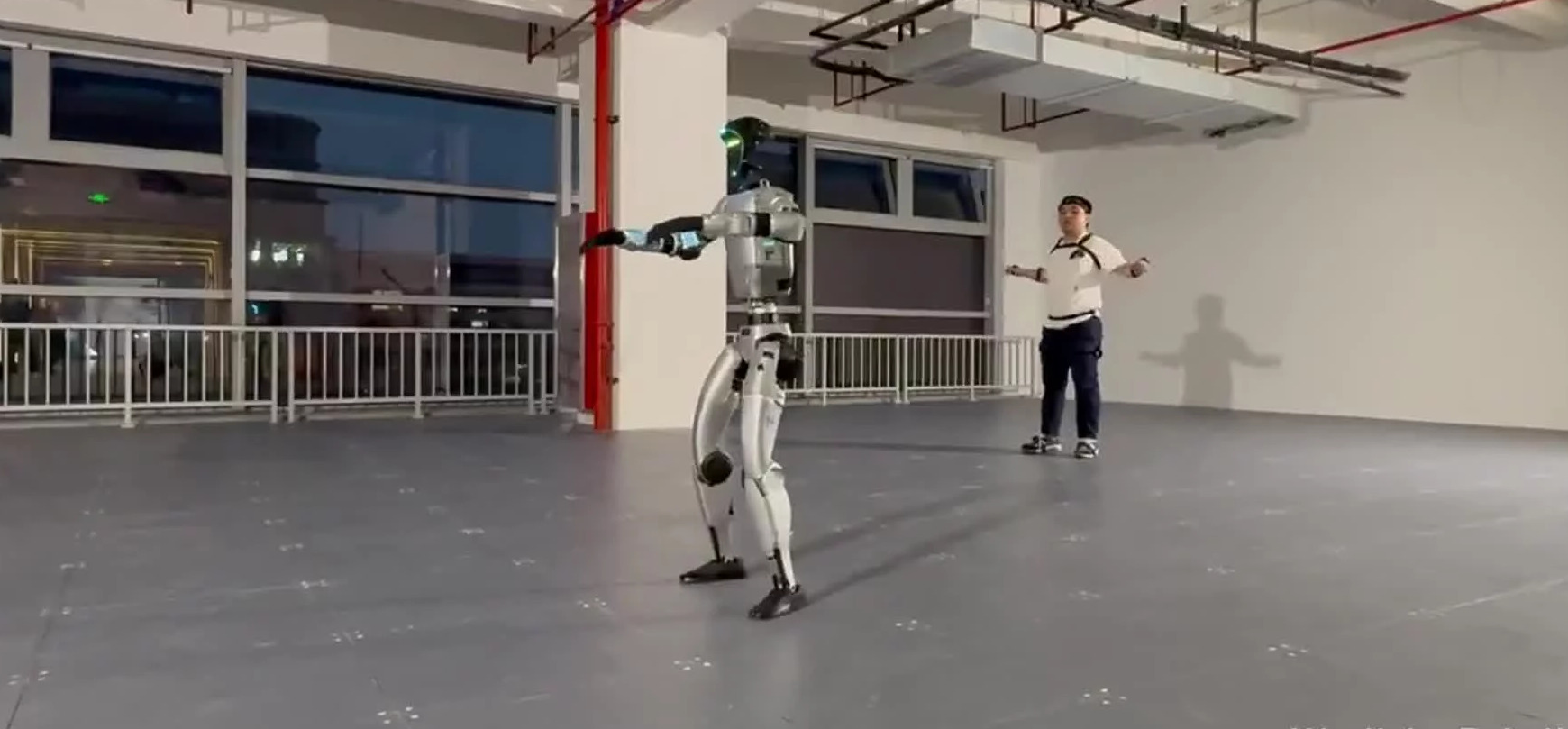
Westlake Robotics Unveils New AI-Powered Humanoid Robot Featuring Adaptive Motion Systems
China-based Westlake Robotics has officially introduced its latest AI-powered humanoid robot, marking a significant step in the development of adaptive robotic systems. According to founder Wang Donglin, the robot's core strength lies in its advanced system architecture, which allows it to adapt seamlessly to different operators. Furthermore, the technology is designed to handle changing motions dynamically, suggesting a high level of flexibility in physical execution. While specific technical specifications remain limited, the focus on operator adaptability and motion fluidity positions Westlake Robotics as a notable player in the evolving humanoid landscape, emphasizing the integration of AI to solve complex movement challenges.
Key Takeaways
- New Product Launch: Westlake Robotics has unveiled a new AI-powered humanoid robot.
- Adaptive System: The robot features a system capable of adapting to various human operators.
- Dynamic Motion: The technology is designed to adjust to changing motions in real-time.
- Founder's Vision: Founder Wang Donglin emphasizes the system's flexibility as a core differentiator.
In-Depth Analysis
Advanced Operator Adaptability
The primary innovation highlighted by Westlake Robotics is the system's ability to adapt to different operators. In the field of humanoid robotics, creating a bridge between human control and robotic execution is often a significant hurdle. By developing a system that can adjust its parameters based on the specific operator, Westlake Robotics aims to streamline the interaction between humans and machines, potentially reducing the learning curve for controlling complex humanoid forms.
Dynamic Motion and Environmental Response
Beyond operator interaction, the AI-powered system is built to handle changing motions. This suggests that the robot is not limited to pre-programmed, static routines but can instead modify its physical responses dynamically. This capability is essential for humanoid robots intended to operate in unpredictable environments where balance, gait, and task execution must be adjusted on the fly to maintain stability and efficiency.
Industry Impact
The introduction of Westlake Robotics' humanoid robot underscores the intensifying competition within the global AI and robotics sector. By focusing on motion adaptability and operator-centric systems, the company addresses two of the most critical challenges in robotics: versatility and ease of use. As AI continues to drive the capabilities of hardware, the ability for a robot to autonomously adjust to different users and physical demands could set a new standard for how humanoid machines are deployed in both industrial and research settings.
Frequently Asked Questions
What makes the Westlake Robotics humanoid robot unique?
According to founder Wang Donglin, the robot's system is uniquely capable of adapting to different operators and responding to changing motions dynamically.
Who is the founder of Westlake Robotics?
The company was founded by Wang Donglin, who recently shared insights into the robot's adaptive AI capabilities.
What are the primary functions of this AI-powered robot?
While specific tasks were not detailed, the robot is designed to utilize AI to manage complex motion changes and interface effectively with various human operators.