Hyundai, Kia, and NVIDIA Expand Partnership for Next-Gen Autonomous Driving Technology
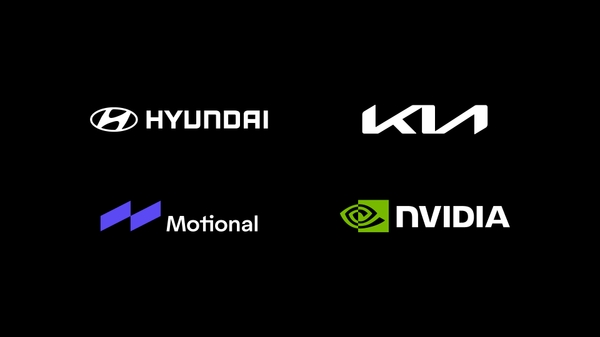
NVIDIA has officially announced an expanded strategic collaboration with automotive industry leaders Hyundai Motor Company and Kia Corporation. This pivotal partnership is specifically aimed at advancing next-generation autonomous driving technologies for future mobility solutions. The core foundation of this technological advancement will be built upon the sophisticated NVIDIA DRIVE Hyperion™ autonomous vehicle development platform. By leveraging NVIDIA's advanced computing architecture, Hyundai and Kia intend to push the boundaries of self-driving capabilities and intelligent vehicle systems. This development marks a significant continuation of their existing relationship, focusing heavily on integrating cutting-edge autonomous systems into future vehicle designs.
Key Takeaways
- Strategic Expansion: NVIDIA has officially announced an expanded collaboration with automotive leaders Hyundai Motor Company and Kia Corporation.
- Technological Focus: The primary objective of this partnership is the advancement of next-generation autonomous driving technologies.
- Core Architecture: All forthcoming autonomous developments under this agreement will be strictly built upon the NVIDIA DRIVE Hyperion™ autonomous vehicle development platform.
In-Depth Analysis
The Evolution of the Strategic Automotive Alliance
The recent announcement originating from the NVIDIA Newsroom brings to light a significant expansion in the collaborative efforts between NVIDIA, Hyundai Motor Company, and Kia Corporation. While the original release provides a concise overview, the explicit use of the term "expanded collaboration" is highly indicative of a deepening technological relationship between the silicon and artificial intelligence provider and the two major automotive manufacturers. This move signifies a mutual, ongoing commitment to advancing the state of self-driving technology. By expanding their existing framework, NVIDIA, Hyundai, and Kia are moving beyond previous iterations of their partnership to focus exclusively on what is described as "next-generation" systems. This indicates that the companies are not merely maintaining their current technological trajectory, but are actively increasing their joint efforts to develop more advanced, capable, and sophisticated autonomous driving solutions.
Leveraging the NVIDIA DRIVE Hyperion™ Platform
At the absolute core of this expanded partnership is the integration and utilization of the NVIDIA DRIVE Hyperion™ autonomous vehicle development platform. The official announcement explicitly identifies this specific platform as the foundational architecture upon which both Hyundai Motor Company and Kia Corporation will build their future autonomous driving technologies. The DRIVE Hyperion™ platform is designed to serve as a comprehensive development ecosystem specifically tailored for the unique and demanding needs of autonomous vehicles. By committing to utilize this specific platform, Hyundai and Kia are aligning their next-generation vehicle development strategies with NVIDIA's advanced computing architecture. This platform-centric approach suggests that the automakers will rely heavily on NVIDIA's hardware and software development tools to engineer the complex processing requirements necessary for advanced autonomous driving systems. The reliance on a unified development platform like DRIVE Hyperion™ is intended to streamline the creation and implementation of these next-generation technologies across the vehicle lineups of both Hyundai and Kia.
Focusing on Next-Generation Autonomous Technologies
The explicitly stated goal of advancing "next-generation autonomous driving technologies" underscores the forward-looking and ambitious nature of this expanded partnership. Rather than focusing on current-generation driver assistance systems, NVIDIA, Hyundai, and Kia are actively collaborating to push the boundaries of what autonomous vehicles can achieve in the future. The integration of NVIDIA's specialized development platform into the research and development pipelines of Hyundai and Kia represents a strategic alignment aimed at overcoming the inherent computational, sensor processing, and architectural challenges found in next-generation self-driving systems. This focus ensures that the collaboration is geared toward future mobility solutions, preparing both automakers to integrate highly advanced autonomous capabilities into their upcoming vehicle architectures.
The Significance of Dual-Brand Integration
The inclusion of both Hyundai Motor Company and Kia Corporation in this expanded collaboration with NVIDIA is a critical detail. While both automotive brands operate under the same broader corporate umbrella, they maintain distinct vehicle lineups, target demographics, and design philosophies. By integrating the NVIDIA DRIVE Hyperion™ platform across both the Hyundai and Kia brands, the collaboration aims for a broad and comprehensive application of next-generation autonomous driving technologies. This dual-brand approach indicates that the technological advancements born from this partnership are intended for wide-scale deployment rather than being limited to a single niche vehicle or experimental model. It demonstrates a unified strategy to elevate the autonomous capabilities of a vast array of future vehicles.
Industry Impact
The formal announcement of an expanded collaboration between NVIDIA, Hyundai Motor Company, and Kia Corporation carries notable implications for the broader automotive and artificial intelligence industries. By publicly committing to the NVIDIA DRIVE Hyperion™ platform for their next-generation autonomous technologies, two major global automakers are signaling strong confidence in centralized, AI-driven computing architectures for future vehicle development. This partnership reinforces the critical role that advanced technology and AI companies like NVIDIA currently play in the rapid evolution of the automotive sector.
As traditional automakers like Hyundai and Kia continue their transition toward developing highly advanced autonomous vehicles, strategic partnerships with dedicated technology providers become increasingly central to the advancement of the entire industry. This specific collaboration highlights the ongoing and accelerating convergence of traditional automotive manufacturing and high-performance artificial intelligence computing. By working together on the DRIVE Hyperion™ platform, NVIDIA, Hyundai, and Kia are setting a clear technological benchmark for the development of next-generation autonomous systems, demonstrating how critical cross-industry partnerships have become in the pursuit of advanced self-driving technologies.
Furthermore, the reliance on a dedicated "autonomous vehicle development platform" illustrates a broader industry shift away from fragmented, piecemeal technological solutions. By utilizing a comprehensive platform like NVIDIA DRIVE Hyperion™, automakers are able to standardize their development processes. This standardization is crucial for the automotive industry as it attempts to navigate the immense complexities of autonomous driving. The partnership serves as a prime example of how the automotive industry is increasingly relying on foundational technology platforms provided by specialized tech firms to accelerate the pace of innovation and bring next-generation capabilities to the market more efficiently.
Frequently Asked Questions
Question: Which specific companies are involved in this newly announced expanded collaboration?
Answer: The expanded collaboration involves the technology and artificial intelligence company NVIDIA, partnering alongside automotive manufacturers Hyundai Motor Company and Kia Corporation.
Question: What is the primary technological focus of the partnership between NVIDIA, Hyundai, and Kia?
Answer: According to the announcement, the primary focus of the expanded partnership is to actively advance next-generation autonomous driving technologies.
Question: What specific development platform will be utilized for these autonomous driving technologies?
Answer: The next-generation autonomous driving technologies developed through this partnership will be built specifically on the NVIDIA DRIVE Hyperion™ autonomous vehicle development platform.