Back to List
Industry NewsRepairCommunitySustainability

Fixfest: A Global Gathering for Repairers, Tinkerers, and Activists

Fixfest is an international event bringing together individuals passionate about repair, tinkering, and activism. This global gathering serves as a platform for these communities to connect, share knowledge, and collaborate on initiatives promoting the right to repair and sustainable practices. The event fosters a collaborative environment for participants to discuss challenges, showcase innovative solutions, and strategize for a future where repair is more accessible and commonplace.

Hacker News

Fixfest is a globally recognized event that unites repairers, tinkerers, and activists from various backgrounds. The gathering provides a unique opportunity for these communities to converge, exchange ideas, and strengthen the global repair movement. Participants at Fixfest engage in discussions, workshops, and collaborative projects aimed at advancing the right to repair, reducing electronic waste, and promoting a more sustainable consumption model. The event highlights the importance of practical skills, community-led initiatives, and advocacy in fostering a culture of repair and reuse worldwide. It serves as a crucial platform for networking, learning, and collective action among those dedicated to extending the lifespan of products and challenging planned obsolescence.

Related News

Microsoft Reports $24.1 Billion in OpenAI-Linked Revenue, Dominating Over Half of Its AI Business
Industry News

Microsoft Reports $24.1 Billion in OpenAI-Linked Revenue, Dominating Over Half of Its AI Business

Microsoft has disclosed a significant financial milestone, reporting $24.1 billion in revenue directly linked to its partnership with OpenAI. This figure represents a pivotal shift in the company's financial structure, as OpenAI-related contributions now account for more than half of Microsoft's total AI-driven business for the period. The data underscores the immense commercial success of the Microsoft-OpenAI alliance and highlights the rapid enterprise adoption of generative AI technologies. As this partnership becomes the primary engine for Microsoft's AI growth, it sets a new benchmark for the industry regarding the monetization of advanced artificial intelligence models and the strategic value of deep-tech collaborations.

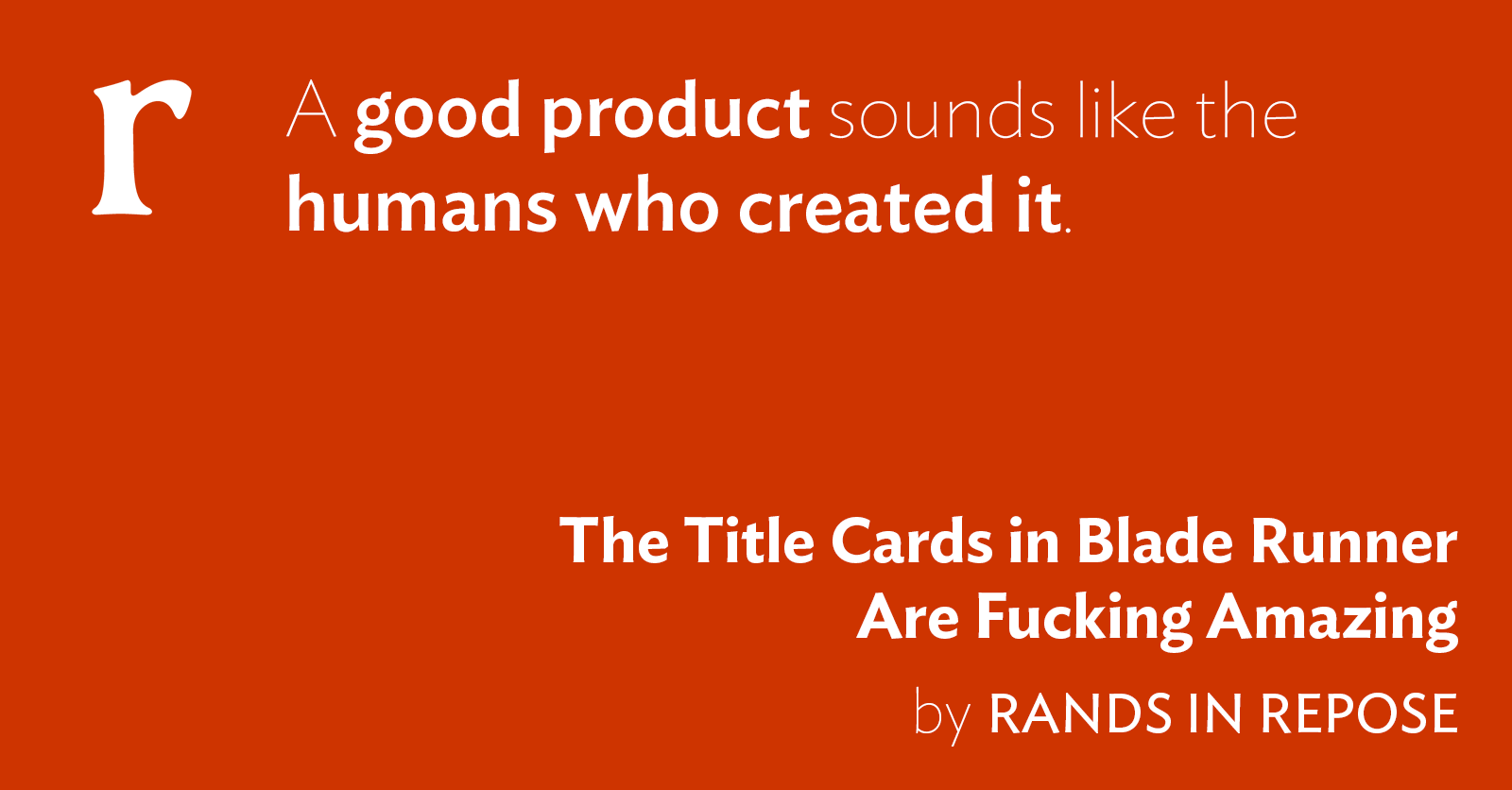
The Paradox of Typography: Analyzing the Emotional Impact of Fixed-Width Fonts and Blade Runner Title Cards
Industry News

The Paradox of Typography: Analyzing the Emotional Impact of Fixed-Width Fonts and Blade Runner Title Cards

This analysis explores the intricate relationship between functional design and emotional resonance in typography, as discussed in the context of developer environments and cinematic history. The article examines the 'typography paradox'—the idea that while well-designed type should be invisible to the reader, it inevitably conveys a specific 'feeling.' By looking at the author's experience using Claude Code within the Ghostty terminal on macOS, the piece highlights the importance of fixed-width typefaces like Apple's SF Mono. It further bridges the gap between technical utility and artistic expression by referencing the iconic title cards of Blade Runner, suggesting that even in data-heavy or structural environments, the visual form of letters builds a personal and emotional impression that transcends mere information delivery.

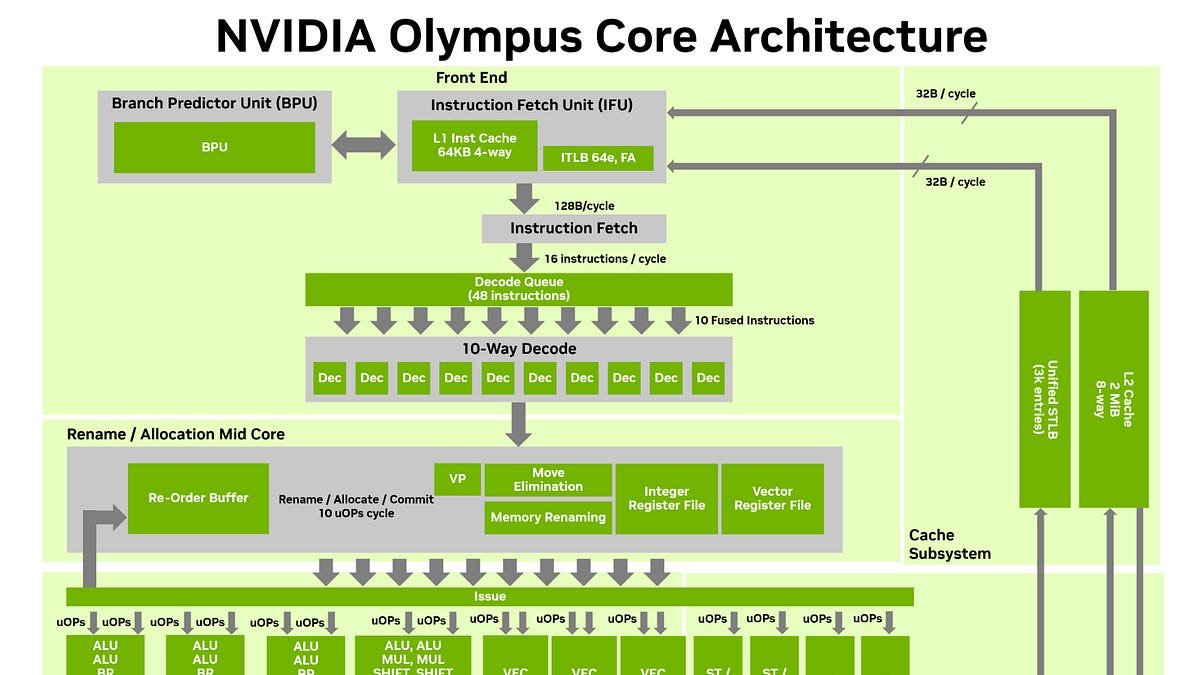
NVIDIA Vera Whitepaper Analysis: Examining the Olympus Core Architecture and Marketing Claims Against x86 Standards
Industry News

NVIDIA Vera Whitepaper Analysis: Examining the Olympus Core Architecture and Marketing Claims Against x86 Standards

NVIDIA has released a detailed 45-page whitepaper for Vera, its inaugural server CPU powered by the custom-designed Olympus core. The technical specifications reveal a formidable 88-core monolithic compute die utilizing the Arm v9.2 architecture, featuring a 10-wide decode front end, value prediction, and a substantial cache hierarchy. Despite the impressive hardware—which includes a 1.2 TB/s memory interface and a 3.4 TB/s coherency fabric—the whitepaper has drawn criticism for its marketing narrative. Analysts point out that NVIDIA's documentation mischaracterizes established x86 technologies, such as simultaneous multithreading and NUMA topologies, while employing unconventional metrics like "agentic benchmarks." This analysis explores the tension between Vera's genuine architectural innovations and the controversial storytelling used to promote it.