
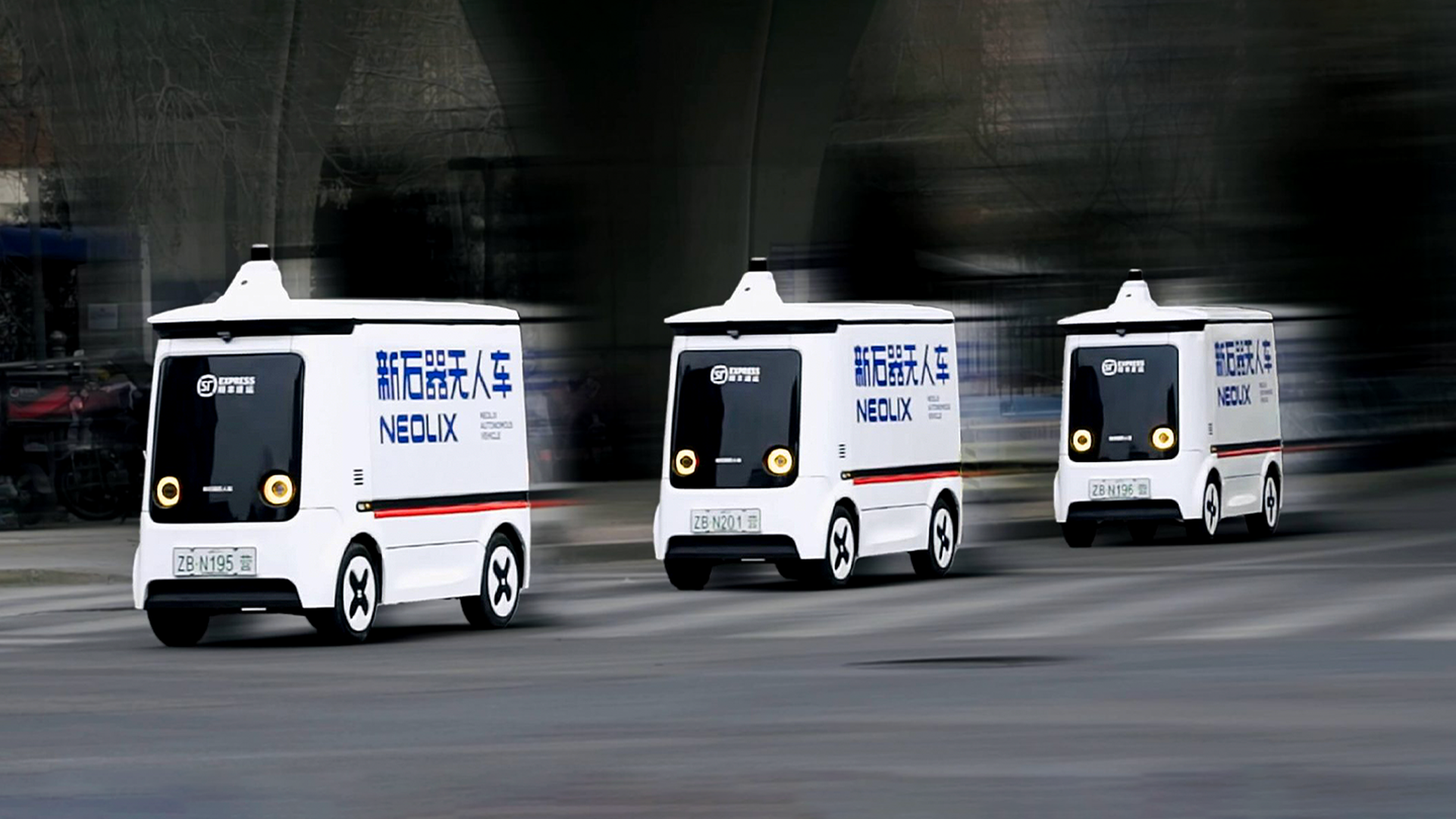
China's Neolix Secures Singapore Permit for Road Tests of Autonomous Vehicles
Chinese autonomous logistics company Neolix has secured a permit for road tests in Singapore. According to the company, its Xolra 6 vehicle underwent rigorous assessments focusing on obstacle response, emergency stops, remote monitoring capabilities, and behavior during communication interruptions.
Key Takeaways
- Neolix has successfully secured a permit to conduct road tests for its autonomous vehicles in Singapore.
- The company's Xolra 6 model underwent critical safety and performance assessments.
- Evaluations specifically targeted obstacle responses, emergency stopping capabilities, remote monitoring, and network interruption handling.
In-Depth Analysis
Safety and Performance Evaluation of Xolra 6
As autonomous driving technologies expand internationally, regulatory compliance and safety validations remain paramount. For Neolix, securing road tests in Singapore involved a comprehensive evaluation process. The company confirmed that its Xolra 6 vehicle was rigorously tested on how it handles real-world operational challenges.
Core Testing Metrics
The assessment criteria for the Xolra 6 focused heavily on fail-safe mechanisms and adaptability. Key focus areas included the vehicle's reaction time and accuracy when encountering unexpected obstacles, the reliability of its emergency stop functions, the effectiveness of remote monitoring systems, and how the autonomous system behaves during communication interruptions.
Industry Impact
Expanding autonomous vehicle testing into international markets like Singapore marks an essential phase for smart logistics providers. Rigorous evaluations regarding communication stability and emergency procedures highlight the strict safety standards required for deploying driverless commercial vehicles in urban environments.
Frequently Asked Questions
What vehicle did Neolix test for the Singapore permit?
Neolix tested its Xolra 6 autonomous vehicle model.
What key aspects were assessed during the permit evaluation?
The assessment evaluated responses to obstacles, emergency stops, remote monitoring functionality, and vehicle behavior during communication interruptions.

